Why Are So Many Women Over 60 Suddenly Struggling With Joint Pain?
I’ll never forget a patient I saw last winter—let’s call her Joan. Sixty-five, retired teacher, always on the go. She'd prided herself on her morning walks, but suddenly she was skipping them—her knees and fingers were throbbing, and she was frustrated enough to say, "Is this just what happens after 60?" If that sounds familiar, you’re definitely not alone. The numbers back this up: more than 50% of women over 60 report regular joint pain, according to a 2022 Arthritis Foundation survey. But here’s the thing—nobody talks about why it happens, or what’s actually worth your effort to feel better.
What's Really Going On? The Surprising Joint Pain Triggers After 60
First, let’s get real about this: age alone isn’t the villain. There’s actually a complex web of factors behind joint pain in women, especially after menopause. I’ve seen so many women blame themselves or just chalk it up to getting older, but the science paints a different (and more hopeful) picture.
1. “Menopausal Arthritis”—Yes, It’s Real
The drop in estrogen after menopause is a sneaky culprit. Estrogen helps keep joint inflammation in check. When levels fall, studies (like a big review in Arthritis & Rheumatology, 2021) show women’s risk for osteoarthritis shoots up—especially in knees, hips, hands, and even the spine. This doesn’t mean you’re guaranteed to get arthritis, but (and I say this as someone who’s heard it from patients for years) if your joints started aching right after menopause, you’re not imagining it.
2. The Wear-and-Tear Myth
It’s not just "wear and tear." Sure, cartilage gets thinner over decades, but many women develop pain even without dramatic cartilage loss. Why? Chronic, low-grade inflammation and changes in joint fluid play a role. The BMJ published a 2020 paper showing joint pain can spike from systemic inflammation—even if X-rays look “fine.”
3. Hidden Risk Factors
- Previous injuries (even a sprained ankle from your 30s can set the stage for knee pain decades later!)
- Sedentary habits—not just lack of exercise, but sitting for hours, which is common in retirement
- Weight gain—even 10 lbs extra puts about 40 lbs more pressure on the knees with every step (crazy, right?)
- Medical conditions: Diabetes, thyroid problems, and even sleep apnea can make joint pain worse, often by raising inflammation.
If you’re nodding along, you get it: this is more than just "old age." And it means you can actually do something about it—once you know what you’re working with.
How Does Joint Pain Really Feel for Women Over 60? (It's Not Always Obvious)
I see this all the time in my practice: women will say, "It’s just achy," or "It’s stiff in the morning, but loosens up after a while." But then there’s the sharp pain with stairs, or the way hands feel swollen after gardening. Sometimes, people don’t even call it pain—it’s a sense of heaviness, weakness, or "giving out" when you go to stand up. The NIH calls this the “invisible disability” because it’s sneaky. I had a reader email me last month saying she didn’t realize her fatigue and irritability were tied to her aching knees until her sister pointed it out. It really is that insidious.
The Science: What’s Actually Causing the Pain?
Let’s cut through the noise. At the cellular level, joint pain in women over 60 often comes down to:
- Inflammatory cytokines: These are immune system chemicals that ramp up after menopause and with chronic stress or poor sleep. They break down cartilage, irritate joint linings, and even affect muscle strength. The 2019 Journal of Rheumatology paper found women with higher C-reactive protein (CRP) levels had twice the joint pain compared to peers.
- Cartilage breakdown: Cartilage naturally thins, especially in weight-bearing joints. But low estrogen accelerates this process, making movement less “cushioned.”
- Loss of muscle mass: After 60, women lose muscle at double the rate of men. Less muscle = less support for joints.
- Joint fluid changes: The synovial fluid that lubricates your knees and fingers gets thicker (and less effective) with age.
Here’s where it gets interesting: you don’t need to "reverse aging" to feel better. Instead, targeting inflammation, supporting muscle, and moving smartly makes a huge difference—often within weeks.
What Actually Helps? Honest, Real-World Solutions (And What I Tell My Own Family)
Alright—let’s talk practical fixes. Over the years, I’ve told my own mother-in-law (who struggles with osteoarthritis in both knees) the same things I tell my patients and friends. Here’s what consistently works—and what isn’t worth your energy.
1. Movement (But Not Just "More Exercise")
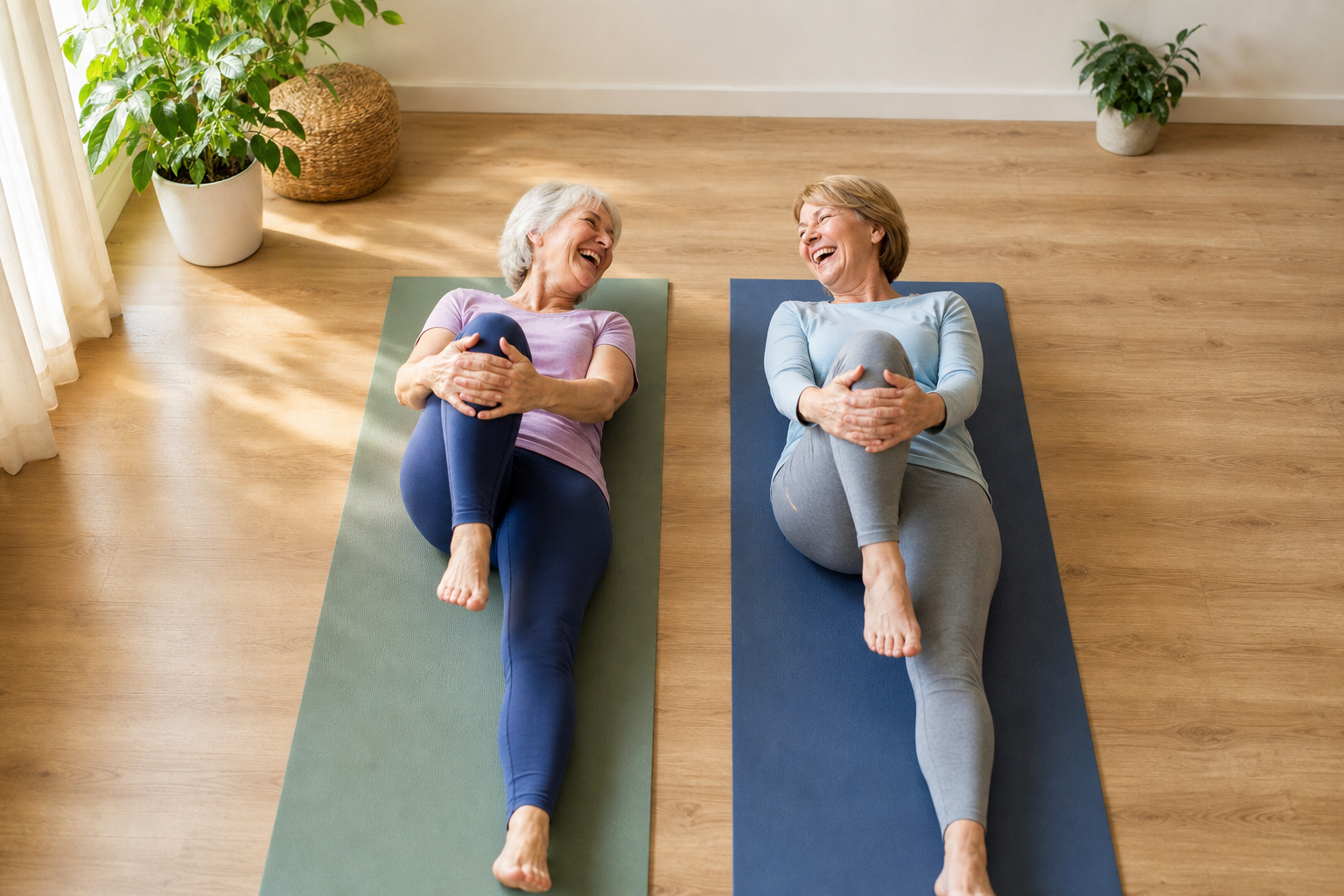
Look, I’m a physical therapist, so maybe I’m biased—but the research is solid here. Gentle, regular movement keeps joints nourished and inflammation lower. Walking, water aerobics, tai chi, and chair yoga are all evidence-backed. A 2022 Arthritis Care & Research study showed even 10 minutes of gentle movement, twice a day, reduced knee pain in women over 60 by 27% after three months. It doesn’t have to be fancy.
2. “Prehab” Home Exercises That Actually Build Strength
You don’t need a gym. What works best is simple, targeted exercises that wake up the muscles around your knees, hips, and shoulders. The book Treat Your Own Knees is one I recommend to patients who want step-by-step, gentle routines you can do at home. It’s research-based (the author is a physical therapist, not a fitness influencer) and—honestly—just $11. I’ve seen it help dozens of women regain confidence and reduce pain fast. But always talk to your doctor or PT before starting any new exercise routine, especially if you have other medical conditions.
3. Heat and Cold: The Unsung Heroes
Don’t underestimate these "old-school" tricks. Moist heat—like a large heating pad—relaxes muscles, soothes stiff joints, and calms nerves. I’ve used the Pure Enrichment PureRelief XL Heating Pad myself and in the clinic; the XL size means it actually covers both knees or the whole back at once, and the moist heat setting is a game-changer on tough days. Cold packs can also help if swelling flares up—just don’t overdo it; 15-20 minutes tops.
4. Compression and Support: The "Secret Weapon" for Everyday Mobility
Here’s something most articles skip: joint sleeves and braces. Not the rigid, bulky ones—think soft, gentle compression that supports the joint and helps you stay active. The Modvel Compression Knee Brace is extremely popular for this reason. I’ve seen it give women enough confidence to walk further or even try stairs again. The anti-slip strips and breathable fabric make a difference—nobody wants sweaty, itchy knees. Compression isn’t magic, but it reduces "wobble" and reminds you to move with control. If you hate braces, you’re not alone—but the newer ones are honestly much more comfortable than what you might remember from years ago.
5. Supplements and Medications: What’s Worth It?
Here’s where I get a little controversial: most supplements are overhyped. But there are a few with decent evidence—like glucosamine sulfate (1,500mg daily) and chondroitin (800-1,200mg)—that modestly reduce pain for some women. Prescription meds (like NSAIDs) have their place, but talk to your doctor about risks, especially if you have stomach or kidney issues. And don’t fall for the myth that more supplements = more relief. Trust your doctor and listen to your body—no pill replaces movement or lifestyle changes.
The Deeper Fix: Addressing Root Causes (Not Just Numbing the Pain)
Here’s what I wish more people knew: your joints aren’t just "doomed" after 60. The more you target inflammation, muscle loss, and joint support, the more you can actually slow down the pain process—or even improve it. Tips that work:
- Eat more anti-inflammatory foods: Think colorful veggies, fatty fish, nuts, and olive oil. Limit added sugars and processed foods.
- Prioritize sleep: One bad night can crank up pain signals for days. If sleep is tough, talk to your doctor—don’t just "push through."
- Stay socially connected: Women with strong friendships and purpose-driven routines have less joint pain, possibly due to lower stress hormones (I see this over and over—yes, the science supports it).
Don’t forget about mental health. Chronic pain is exhausting and can lead to anxiety or depression, which in turn worsens pain. If this cycle sounds familiar, you’re not "weak"—it’s a real, researched effect. Support groups, counseling, or mindfulness exercises can help break the spiral.
Why Is Joint Pain So Much Worse for Women Than Men After 60?
I get this question from spouses all the time: why does she have so much pain, but I don’t? The answer (backed by real studies) comes down to biology and hormones. After menopause, women lose protective estrogen, their muscle support declines faster, and their immune system actually becomes more prone to inflammation. The Framingham Study tracked over 2,000 women and found that, by age 65, women are 2-3 times more likely than men to report disabling knee pain. There are even differences in joint anatomy and how nerves process pain. If you’ve ever been told "it’s all in your head," ignore that myth—it’s in your cells, and it’s measurable.
Comparing Medical Options: When to See a Doctor, and When You Can DIY
There’s a time for home fixes, and a time to call in the pros. If your joint pain is getting worse, wakes you up at night, or is paired with redness and swelling (especially in just one joint), call your doctor. Sudden, severe pain is a red flag. Most women, though, can safely try conservative strategies first: movement, gentle home exercises, heat/cold, and compression. If you’re stuck, a few sessions with a physical therapist can be a game-changer. I’ve seen women who thought they’d "never walk without pain again" regain full independence with the right plan—but it takes patience and a tailored approach.
Takeaways & The Things No One Tells You About Joint Pain After 60
- Joint pain in women over 60 isn’t just “old age”—it has real, treatable causes.
- Menopause, inflammation, and muscle loss are key triggers, but you can tackle them head-on.
- Small changes (gentle movement, anti-inflammatory foods, compression, and heat) add up fast—don’t underestimate the basics!
- Support matters—mentally and physically. Don’t go it alone, and don’t dismiss your symptoms.
If you’re frustrated, I get it. But you do have power, and there are more useful options than ever—many far simpler than you think. Ignore the "just live with it" advice; your joints (and your whole self) deserve better.
Here’s to stronger joints, better mornings, and being able to say yes to life’s little adventures again. If you have questions or want more personal advice, send me a message—I genuinely love hearing your stories (and sometimes, learning from you too).
—Dr. Sarah Mitchell, DPT
Senior Health Editor, JointReliefReviews.com