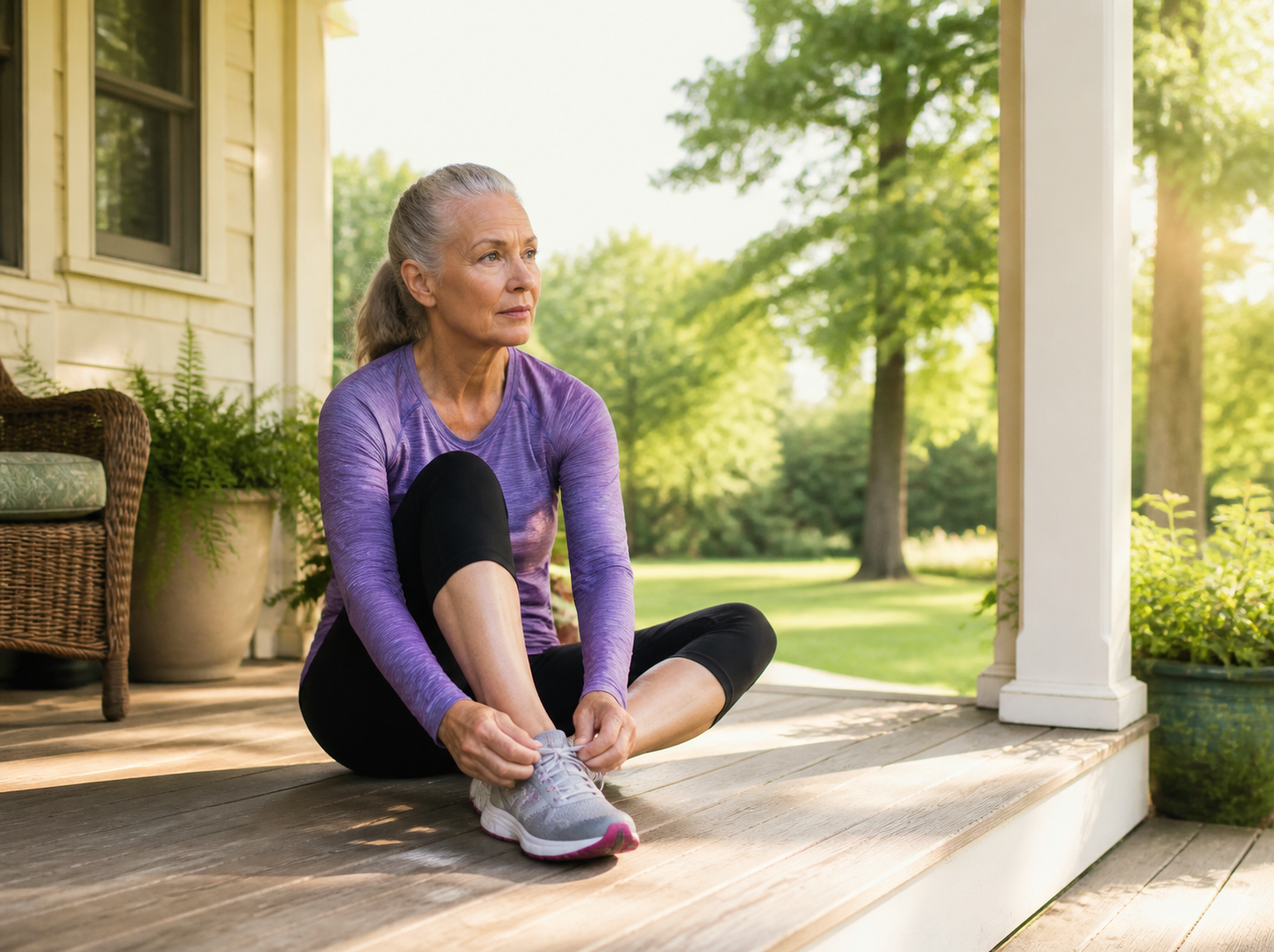
How to Stay Active With Chronic Joint Pain (Without Making Things Worse)
I’ll never forget the email I got from a reader named Joan last winter. She wrote, “Karen, I used to be the one dragging my grandkids up hiking trails. Now my knees ache just walking around the block. Is there any way to stay active without getting sidelined by pain?”
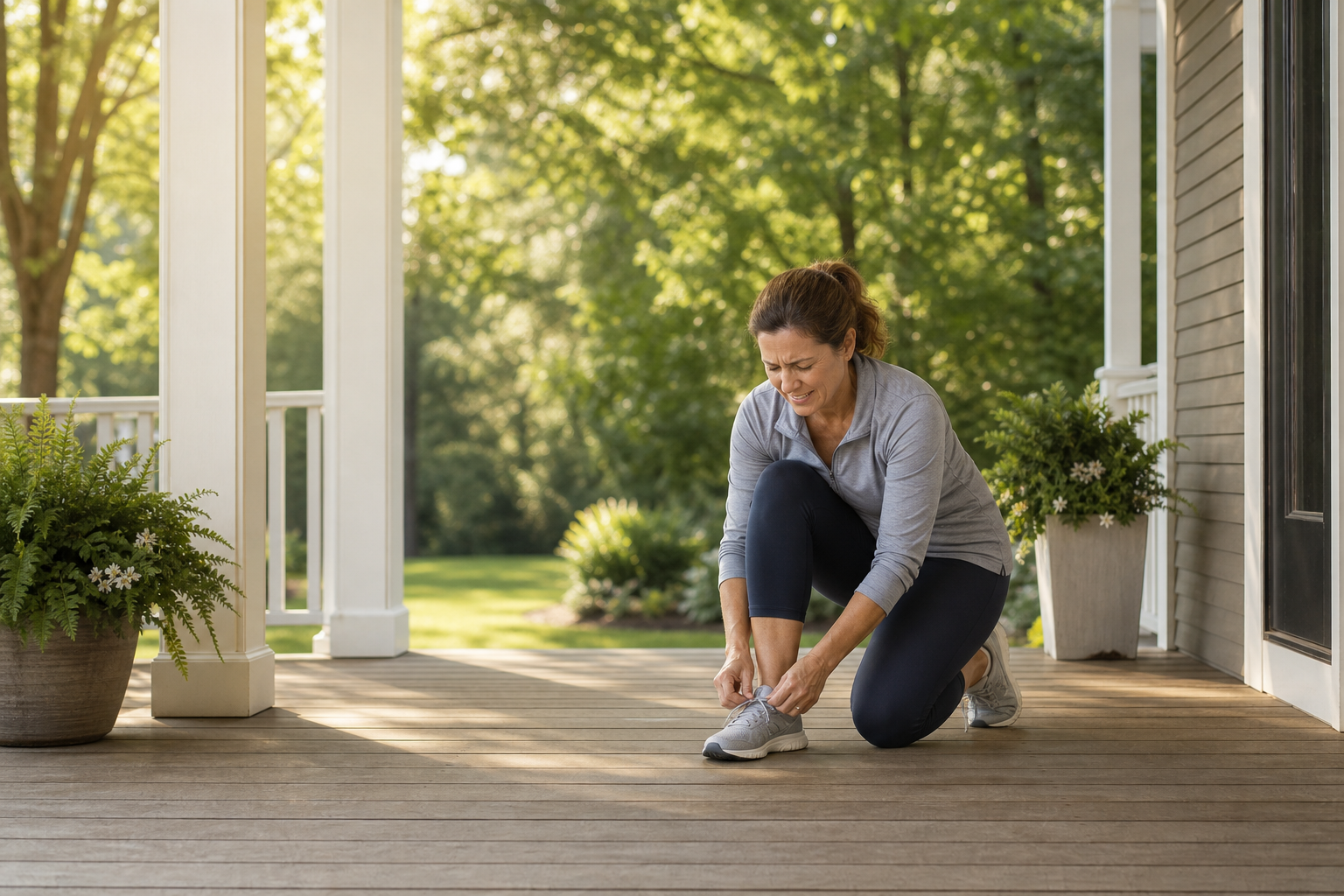
If you’re reading this, you might be feeling something similar—maybe you’re not climbing mountains, but you’d love to garden, walk, play with the dog, or simply move without bargaining with your joints. If you’re nodding along, you’re in good company. According to the CDC, roughly one in four adults with arthritis reports severe joint pain, and almost half say it limits their activity. That’s not just a number; it’s millions of us negotiating every step, every stretch, every “just one more block.”
The Honest Struggle: Why Joint Pain Changes Everything
Look, I’ve spent the better part of two decades reporting on osteoarthritis, rheumatoid arthritis, and all the alphabet soup in between. But you don’t need a medical degree to know that chronic joint pain can chip away at your confidence, motivation, and even your sense of self. The truth? Staying active isn’t just about discipline or grit. It’s about smart adaptation, tiny wins, and real strategies that fit your body’s story.
The real kicker: movement is not just possible with joint pain—it’s actually critical. The American College of Rheumatology, the British Medical Journal, and nearly every credible review I’ve read agree—staying active (even gently) can actually help reduce pain and stiffness, slow joint deterioration, and lift your mood. But how? And what if every attempt seems to just aggravate things?
Let’s Talk Science: Why Movement Matters—Even When You Hurt
Here's the thing: joints love motion. Think of synovial fluid—the slick lubricant inside your knees, hips, wrists, and shoulders. When you move, this fluid gets distributed, nourishing the cartilage and keeping things gliding smoothly. Sit still too long? Cartilage starts to stiffen, and muscles tighten, making the next movement even more painful. It’s a vicious (and deeply unfair) cycle.
Multiple studies back this up. In 2019, the Journal of Rheumatology published a review showing that “regular, moderate exercise” improved pain scores in people with osteoarthritis and rheumatoid arthritis, sometimes as much as NSAIDs (without the stomach issues). Another 2021 meta-analysis in Arthritis & Rheumatology found that low-impact exercise—like swimming, cycling, or brisk walking—reduced pain by 25% in knee OA patients after just 12 weeks. That’s not nothing.
Of course, not every exercise is created equal. Too much, too fast, or the wrong type can absolutely set you back. I remember when my mother-in-law, newly diagnosed, tried to “walk it off” by marching up and down her hilly neighborhood. She wound up sidelined for a week. Lesson learned: move smarter, not harder.
What Actually Works? (Spoiler: It’s Not Just Pushing Through)
- Start slow—and stay consistent. I know this is unpopular advice (especially when you’re used to being active), but slow, steady increments are less likely to flare your joints. Ten minutes a day is a win.
- Prioritize low-impact options. Think swimming, stationary bike, elliptical, or simple chair exercises. The Mayo Clinic and Harvard Health both put swimming at the very top of their “safe bets” list for joint pain sufferers.
- Mix in strength training. This one gets overlooked, but stronger muscles offload stress from your joints. Use resistance bands or light hand weights. Bodyweight exercises are great—think wall pushups, sit-to-stands, or gentle squats (as tolerated).
- Use heat—strategically. Applying heat before activity can loosen stiff joints and relax tight muscles. Personally, I swear by an extra-large heating pad that covers my back, hips, or knees at once. I’ll sometimes use the Pure Enrichment PureRelief XL Heating Pad for 20 minutes before walks—moist heat is especially nice for deep stiffness.
- Don’t underestimate compression gear. On days when my knees threaten mutiny, a pair of supportive sleeves genuinely helps. The Modvel Compression Knee Brace is a reader favorite—affordable, non-slip, and surprisingly comfortable during activity or after.
- Warm-up, always. This isn’t just fitness-speak. Five minutes of gentle movement (think leg swings, arm circles, ankle rolls) primes joints and muscles for activity.
- Incorporate balance work. Single-leg stands, heel-to-toe walks—these reduce fall risk, especially as joint pain changes your gait. I found this out the hard way after a sprained ankle.
But here’s where it gets interesting: you don’t have to “exercise” in the traditional sense. Walking the dog, gardening, light housework, dancing in your living room—all count. The goal is movement, not medals.
Getting Personal: How I Helped My Husband (and Why Most Articles Get It Wrong)
Full confession: my husband, a lifelong runner, fought tooth and nail against giving up his daily five-miler. When his knees finally forced a time-out, we had more than a few tense moments—maybe you’ve been there. But we rebuilt his routine from the ground up.
We started with “kitchen counter squats” (literally holding onto the sink for support), five reps at a time, every other day. Knee pain? Back off and try again the next week. He now does resistance work twice a week, walks daily, and sessions in the pool weekly. It took months. But he’ll be the first to tell you: the slow road works. He’s not running marathons, but he’s moving—and he’s happy.
The point? The right routine is the one you’ll stick with—not the one that looks good on Instagram. And you can adapt it to respect your symptoms.
Top Evidence-Backed Tips for Staying Active With Chronic Joint Pain
- Create a realistic schedule. Pencil in short, daily movement breaks instead of marathon sessions. Consistency matters more than intensity.
- Embrace tools and aids. This is not defeat—it’s smart. Compression sleeves, walking poles, or braces can help. A good heating pad (like the PureRelief XL I mentioned earlier) makes those chilly mornings less daunting.
- Track your progress, not your pain. Keep a log of activities—not just symptoms. Over time, celebrate what you can do. It’s motivating.
- Modify, don’t quit. If a movement hurts, try a shorter range of motion, slower speed, or swap in a different activity. Flare-ups mean pause, not surrender.
- Stay social. Group classes (in-person or online) can boost accountability and mood. Many community centers offer arthritis-friendly movement sessions.
- Know your medications and supplements. Some folks get relief from NSAIDs, others from joint supplements—glucosamine, chondroitin, MSM. I’m a fan of tracking what helps you, but always check with your doctor before starting anything new. (And, honestly, be wary of too-good-to-be-true claims.)
Gentle Exercise “Menu” for Sore Joints (Try These Yourself)
- Water workouts: Buoyancy reduces joint load by up to 90%. Find a warm pool, join an arthritis aquatics class, or even walk laps in waist-deep water.
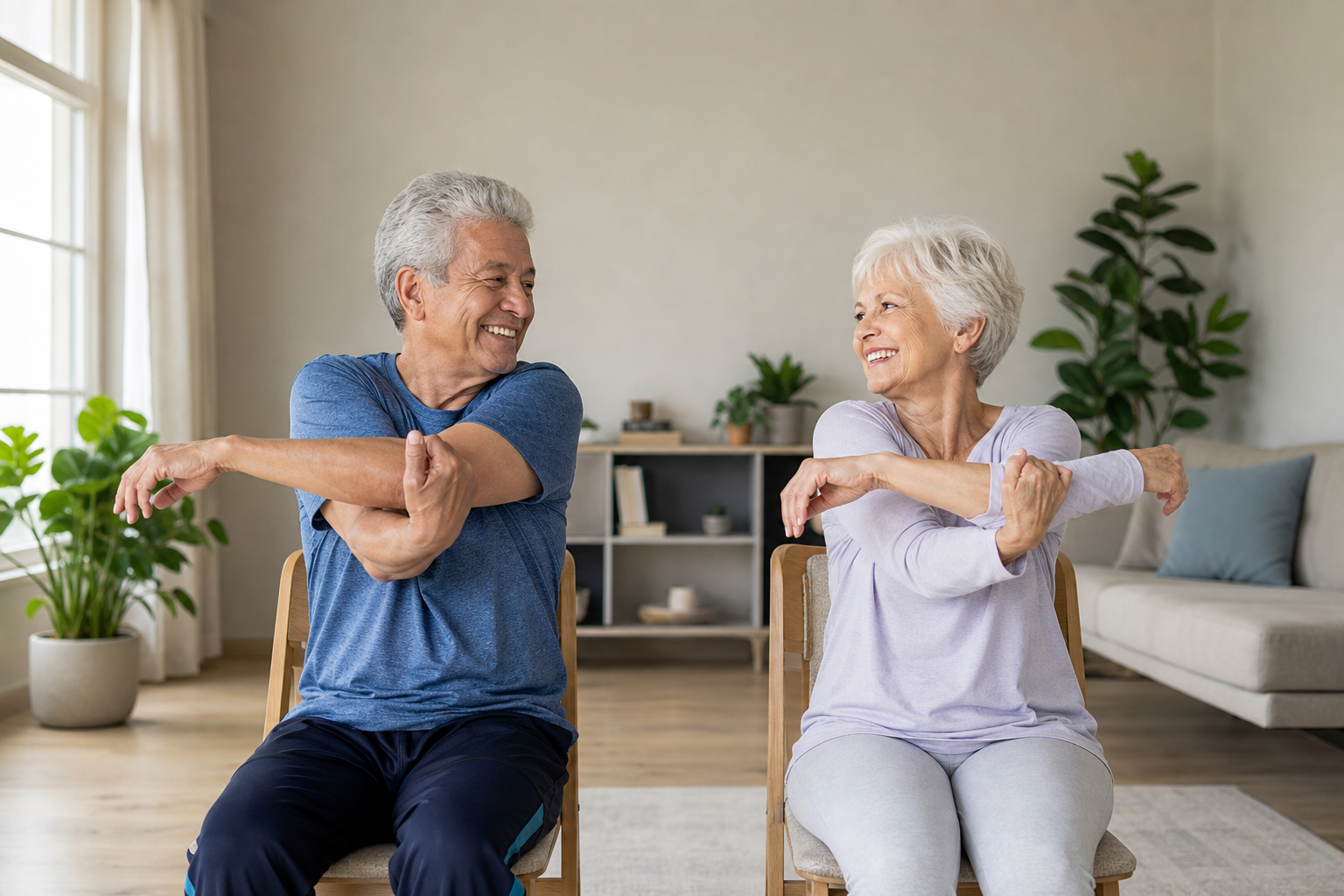
- Chair yoga or stretching: Gentle, adaptable, and zero impact. I’ve interviewed dozens of physical therapists who use these routines for even severe RA patients.
- Strengthening at home: Don’t underestimate simple moves. (Wall pushups, sit-to-stands, leg extensions with ankle weights.) I picked up Treat Your Own Knees by Jim Johnson years ago, and it’s still my go-to for clear, research-backed knee exercises—easy to follow, and you don’t need a fancy gym.
- Walking or cycling: Even five-minute stints, multiple times daily, add up.
- Dancing or gardening: Joyful movement is just as important as structured exercise.
I know, some days it feels impossible. Chronic pain waxes and wanes. The key is keeping your bar flexible—some movement is better than none. And if you need to rest? Permission granted.
What About Flare-Ups? (And When to Push Pause)
Most articles gloss over this, but it’s normal to have setbacks. Listen to your body. If you’re swollen, red, or your pain spikes well beyond baseline, take a break. Use ice, heat, gentle massage, or topical pain relief as needed (my physical therapist friends swear by menthol-based roll-ons for quick support—though I personally don’t use them daily). It’s not weakness to rest during a flare. It’s wisdom.
Always talk to your doctor if you have new, severe, or sudden joint symptoms—especially if accompanied by fever, sudden swelling, or loss of function. Those are red flags needing professional input.

Overlooked Strategies That Helped My Readers (and Me)
Here’s a grab-bag of small but mighty strategies, drawn from my own experience and hundreds of reader stories:
- Set movement reminders. Alarms on your phone or sticky notes around the house keep you from sitting too long.
- Reward yourself. After activity, treat yourself—maybe a hot cup of tea or an episode of your favorite show. Positive reinforcement works!
- Layer supports. On high-pain days, I’ll use both heat before and compression during activity. Friends have had luck with ice packs post-walk.
- Buddy up. Having someone to walk or stretch with keeps you accountable—my neighbor and I trade “gentle walk” days during the week.
- Keep expectations flexible. Some days you might manage a full routine; other days, just a few stretches. That’s okay. Progress isn’t linear.
Comparing Products: What’s Actually Worth It?
I get asked about this constantly, so here’s my honest take on a few products that have come across my desk (or inbox):
- Pure Enrichment PureRelief XL Heating Pad: Extra-large, heats quickly, moist heat option penetrates deep. The auto shut-off is especially nice if you’re forgetful like me. It’s not cheap, but I’ve had mine for years and it’s still going strong.
- Modvel Compression Knee Brace: The anti-slip silicone actually works—no bunching or rolling, and the pair is under $20. Over 75,000 reviews can’t all be wrong. I use them on long walks or when stiffness is bad.
- Treat Your Own Knees: I consider this book essential for anyone with knee pain. Jim Johnson breaks down exercises so clearly, and the drawings are crystal-clear. It’s especially good for people who want to avoid surgery or heavy meds.
I don’t recommend more than the above unless you have a specific need—products should support your routine, not replace it. And remember, talk to your doctor before starting new devices or supplements, especially if you have other conditions.
My Takeaways: Staying Active Isn’t About “Pushing Through”—It’s About Partnership
If you take nothing else from this, let it be this: you’re allowed to adapt, rest, and ask for help. Movement is medicine, but only when it fits your body’s needs. Use evidence, experiment gently, and don’t let old fitness dogmas shame you into overdoing it. Ten minutes today, twenty tomorrow—every bit counts.
And if you find a routine, tool, or support that works? Stick with it. You’re in this for the long haul, and you’re not alone. I’d love to hear what’s helped you most—email me (I really do read them, I promise!).
Stay curious, stay kind to yourself, and keep moving—one joint-friendly step at a time.
— Karen Whitfield, Health Journalist, JointReliefReviews.com