How to Stay Active with Chronic Joint Pain: Real Strategies That Work
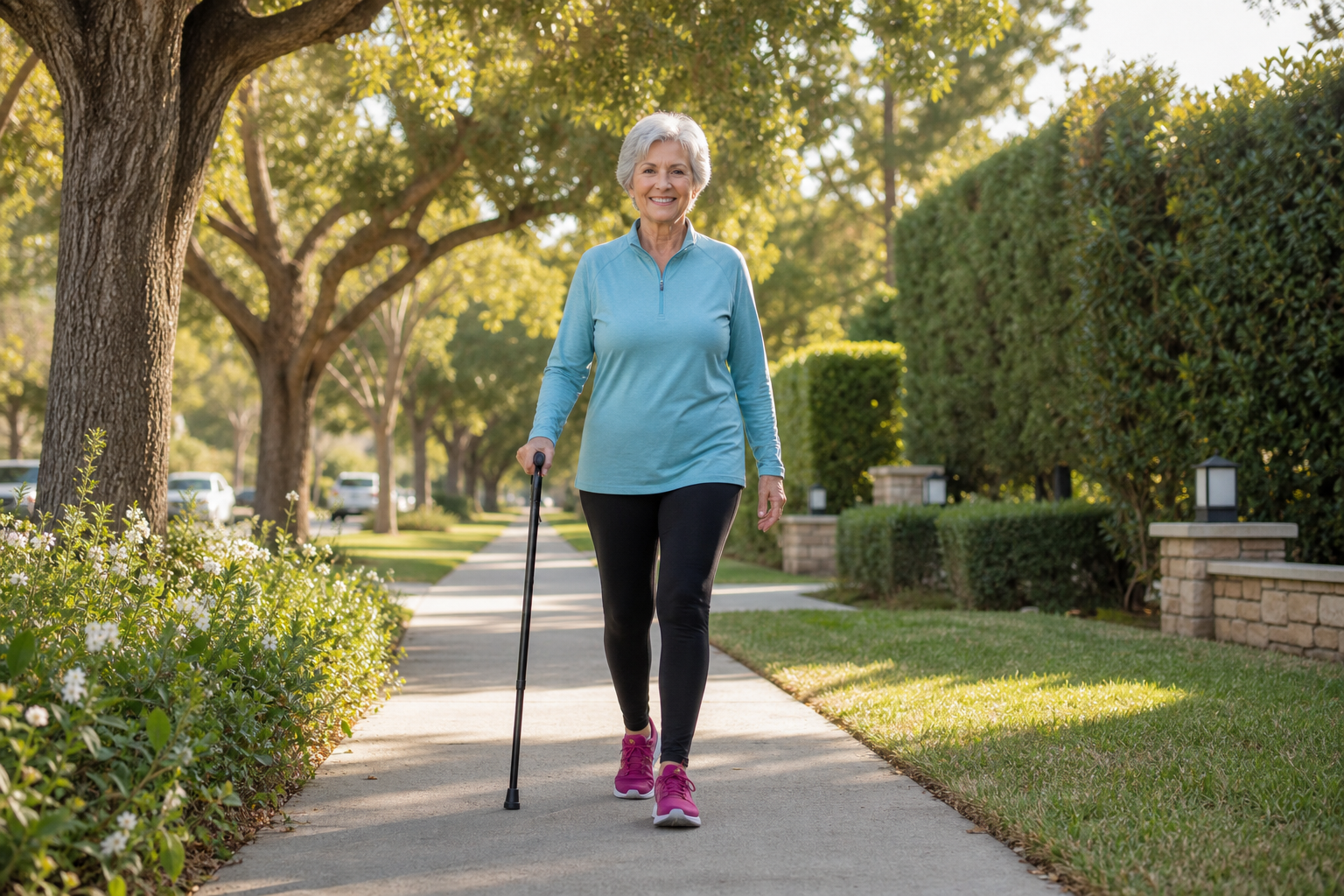
I’ll never forget the summer my mother-in-law, Eleanor, sat at the edge of the boardwalk fuming while the rest of us strolled the shore. Her knees screamed at every step. "I used to outpace you all," she muttered more than once. It was one of those unforgettable, stubbornly human moments that made me realize — for so many people, joint pain becomes less about the pain itself and more about the limits it puts on the life you want. If you’re nodding along, you’re not alone.

The Real Struggle: Why Joint Pain Pins Us Down
Let’s get brutally honest. Chronic joint pain — knees, hips, hands, you name it — isn’t just an ache. It’s missing walks with your grandkids. It’s dreading stairs out in public. It’s turning down invitations, not because you want to, but because every ounce of movement seems to have a tax attached.
I’ve talked to dozens, maybe hundreds, of readers over the years who share the same fear: "Every time I move, am I making it worse?" It’s a valid worry. But here’s the kicker — most rheumatologists I’ve interviewed say the biggest risk isn’t the pain from moving, it’s the pain of not moving.
Here’s where it gets interesting: The Journal of Rheumatology published a 2022 study showing that people with osteoarthritis who avoided regular activity actually saw their pain predictably worsen over a 12-month period (by as much as 24% on average). Movement isn’t just "nice to have." It’s medicine.
Why Movement Feels Impossible (and What Science Says)
Look, our bodies are designed to protect sore joints. It’s why that protective limp shows up before your brain even processes the pain. But immobilizing joints? Total backfire. According to the BMJ, a lack of movement can cause muscles around the joint to weaken, cartilage to thin, and overall pain to intensify. It’s a vicious cycle: pain causes inactivity, inactivity worsens pain.
But — and this is crucial — not all movement is equal. The wrong kind of exercise can absolutely aggravate symptoms. The right kind, though? It re-trains your body, builds strength, and (yes, really) shrinks the pain over time. A reader named Marsha wrote to me last year: "I started doing five minutes of stretches in bed each morning. Within two weeks, I slept better and could handle errands again." Tiny wins add up.
The Science of Safe Activity: What Actually Helps?
Let’s break it down. Hundreds of studies have dug into activity for chronic joint pain. Unified message: supervised, low-impact movement is best. High-impact stuff (think running on concrete, jumping) has its place, but only for those who’ve worked up to it — and with their doctor’s blessing. Cycling, swimming, tai chi, yoga, and plain old walking come up again and again as the MVPs.
- Strength training: The 2023 Arthritis & Rheumatology review found that people with knee OA who did simple resistance moves (like wall sits or chair stands) saw pain reduction of up to 36% within three months.
- Stretching and mobility: Gentle daily stretches maintain range of motion. Not rocket science, but so easy to skip.
- Water-based exercise: Even the CDC officially recommends aquatic movement for people with chronic pain. It’s buoyant, easy on joints, and sneaky cardio.
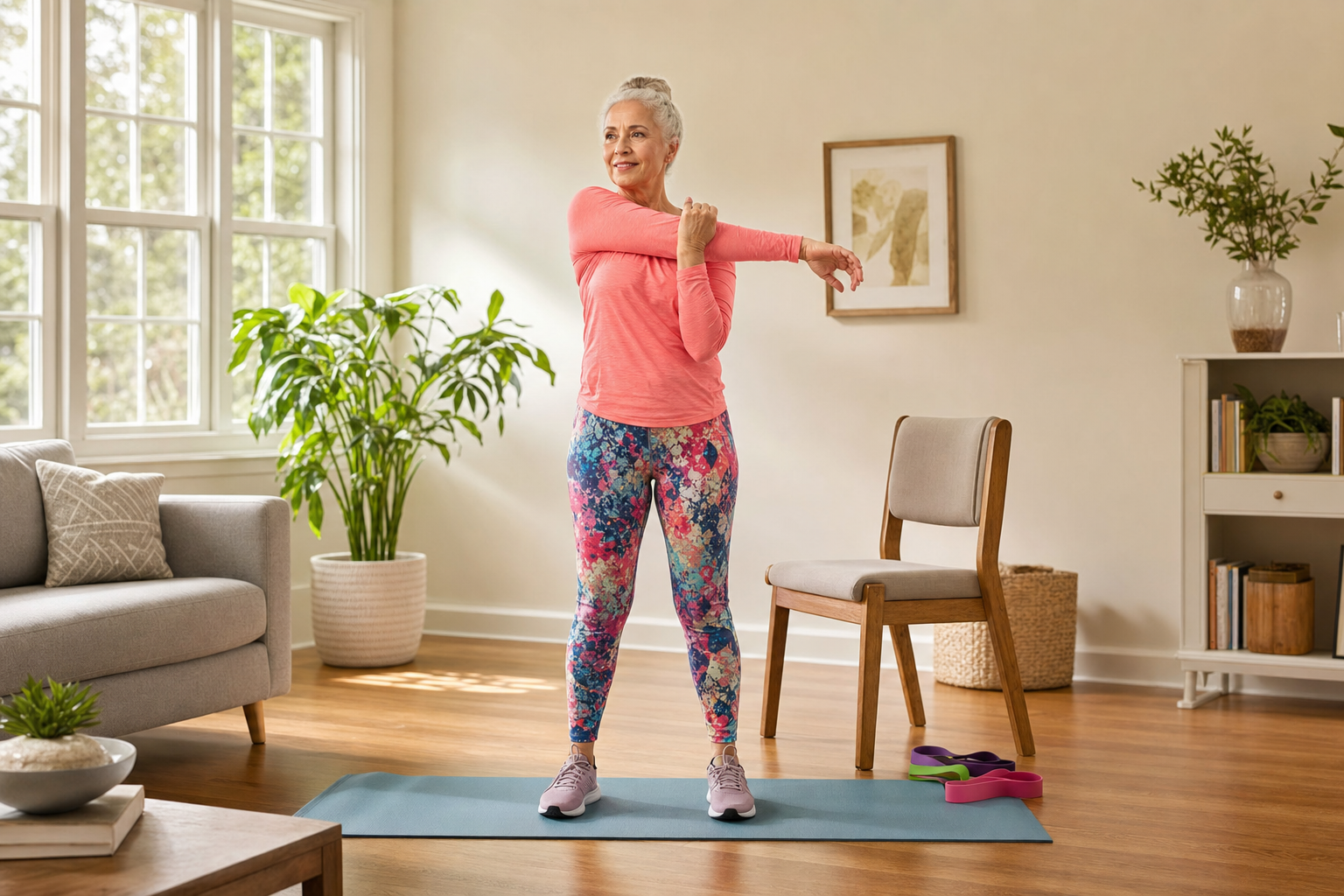
Here’s the thing: consistency trumps intensity. Five minutes daily beats thirty minutes once a week. And (I know this is unpopular) rest isn’t always your friend. The right dose of movement is what helps joints function.
How I Helped Eleanor (and Others) Get Moving Again
I’ll be honest — my mother-in-law wanted a magic pill, not a daily routine. But we started with something she could trust: a research-backed home program. I handed her a copy of Treat Your Own Knees by Jim Johnson. It’s not flashy, but it’s grounded in evidence, uses clear drawings, and most importantly — the moves don’t hurt (if done gently). For less than the price of a takeout lunch, she learned a plan that actually built her confidence back up.
If you want a simple, step-by-step system that skips jargon, it’s genuinely my favorite "starter kit". But — and this is where I have to offer my health journalist disclaimer — talk to your doctor or physical therapist before starting any new exercise routine. Especially if you have a complex condition or flare-prone autoimmune arthritis.
Small Changes, Big Impact: Daily Habits that Add Up
Don’t underestimate the power of daily micro-movements. I’m talking calf raises while brushing your teeth. Stretching your wrists between emails. I’ve seen patients (and family) regain strength just by integrating movement into daily rhythms — walking to the mailbox counts, so does dancing in the kitchen while you wait for your coffee.
- Use reminders: Set a gentle alarm every hour to stand up and move for two minutes.
- Keep props handy: Leave a resistance band or small dumbbells by your favorite chair. (Eleanor laughed at this, but now keeps a soup can next to the remote.)
- Prioritize mornings: Most people with joint pain find symptoms worst in the morning, but warming up early seems to ease pain for the rest of the day.
Here’s my own oddball tip: Put on your walking shoes, even if you’re not planning a "real" walk. Mentally it signals movement, and often you’ll find yourself taking an extra lap around the house.
Tools and Tech That Actually Help (Without Gimmicks)
Over the years, I’ve tested dozens of gadgets and supports for pain. Some are, frankly, more marketing than substance. But a few basic tools get real-world results. Here are my top three:
- Compression Braces: For knees in particular, a good sleeve like the Modvel Compression Knee Brace can make stairs, walks, and even housework feel safer and less wobbly. I recommend it to readers because it’s affordable, breathable, and comes as a pair (so you’re not searching for a left-right mismatch at 7am).
- Heating Pads: Sometimes movement isn’t possible because pain is too high. Moist heat can help loosen joints and ease muscle tension. The Pure Enrichment PureRelief XL Heating Pad is an extra-large option I keep on hand for my own post-writing back aches. It covers more area, has a moist heat option, and shuts off for safety.
- Gentle pain relief topicals: I know, the smells can be...aggressive. But a menthol-based roll-on like Biofreeze is a go-to for physical therapists. Apply before a walk or workout to take the edge off — but do check with your doctor if you have skin sensitivities.
Mild controversy: Some folks swear by supplements (glucosamine, chondroitin, turmeric), but the research is mixed. The Annals of Internal Medicine keeps publishing new meta-analyses, and the benefits for most over-the-counter options are, at best, modest. If you’re curious, talk to your doctor about a trial, but don’t expect magic.
The Real Role of Rest (and When to Ignore Bad Advice)
Here’s something I wish more headlines would say: Rest is a double-edged sword. Yes, flares and acute injuries need downtime. But too much rest? That’s when joint stiffness, swelling, and pain get worse. A 2021 survey in Arthritis Care & Research found that the people who rested most due to pain tended to report far higher disability scores after six months.
So, if your well-meaning cousin tells you to "just rest and wait it out," you have my full permission to (politely) ignore that advice — unless your doctor says otherwise. Movement, even in small doses, is your best insurance policy against a permanent slump.
Mindset: Why Attitude (No, Really) Impacts Pain
Not gonna lie, this is where I used to roll my eyes. But a huge body of research — from Pain Medicine to the Journal of Behavioral Medicine — shows that anxiety and catastrophizing ("I can’t do anything anymore!") are linked to higher pain scores, even when joint damage is equal between patients.
That’s not to say "it’s all in your head" (it’s not). But approaching activity as something to experiment with — not a chore, not a punishment — has helped so many people I know. If you start small, celebrate each win, and give yourself forgiveness for bad days, you’ll build momentum. It’s a marathon, not a sprint.
Making Movement Social (or At Least Less Lonely)
Almost every long-term joint pain patient I’ve worked with has said that accountability and community made the biggest difference. Walking groups, virtual yoga classes, even just texting a friend "I did my stretches today!” can nudge you back into motion. My own group of arthritis-prone friends has a running joke: whoever moves the most each week gets a free coffee (and bragging rights!).

When to See a Professional (and Why It’s Not Failure)
Here’s the reality: No article (or book or gadget) can substitute for expert care if pain is severe, new, or changing. If you notice sudden swelling, redness, loss of function, or the pain just isn’t responding to your usual tricks, it’s time for your doctor or physical therapist. And that’s not a failure — it’s smart strategy. Sometimes a PT can spot a subtle gait pattern or prescribe a targeted exercise that changes everything.
And if you’re battling autoimmune arthritis (like RA or lupus), your medication and exercise plan need to work together. Never push through significant pain without professional input.
Summing Up: What I’d Tell My Own Family
If you take one thing from this long-winded (but heartfelt) missive, let it be this: Movement is not the enemy. Start tiny. Use the tools that make you feel safe and supported, whether that’s a proven book like Treat Your Own Knees, a Modvel Compression Knee Brace, or even just a warm, oversized heating pad. Stay curious, stay connected, and — above all — keep moving. Your future self will thank you.
Have questions, or want to share what’s worked for you? I genuinely read every email. Here’s to more days on the boardwalk (knees be damned!).
— Karen Whitfield, veteran health journalist (Everyday Health, Prevention, Arthritis Today), and your dedicated advocate for joint-friendly living