How to Stay Active with Chronic Joint Pain: Real Strategies That Work
I’ll never forget the day a longtime patient of mine, Karen, slumped into my office, frustration etched across her face. “Dr. Torres, every time I try to move, my knees scream at me. I used to hike, dance, garden—now I dread even walking to the mailbox. Is it really possible to stay active with pain like this?”
If you’re nodding along, you’re not alone. According to the CDC, over 15 million adults in the U.S. live with severe joint pain caused by arthritis alone. That’s not even counting the millions more dealing with old sports injuries, autoimmune issues, or good old-fashioned wear and tear. And the kicker? Every health guideline out there says the same thing: keep moving if you want to manage joint pain. Easy to say. Much harder to do when every step feels like a battle.
The Real Struggle: Why Staying Active Feels Impossible Some Days
Look, I get it—joint pain is a unique kind of thief. It sneaks in and steals your energy, your freedom, your confidence. One wrong twist or a cold morning, and suddenly your plans for a walk or yoga class are tossed out the window. Friends and family mean well with advice like “just push through it!” or “have you tried yoga?” but unless you’ve lived with chronic pain, it’s hard to appreciate the mental gymnastics involved.
Here’s where it gets interesting—movement actually helps, but it has to be the right kind, at the right time, with the right tools. That’s what I want to break down for you today, drawing on what I’ve learned after more than a decade helping people like Karen (and, let’s be honest, my own cranky knees).
The Science: How Movement Heals (and Hurts) Achy Joints
First, the basics. Joint pain is often the result of inflammation, micro-damage, or degeneration in the cartilage, tendons, or ligaments. Staying sedentary might sound tempting, but it’s a recipe for stiffer joints, weaker muscles, and ultimately more pain. The 2019 BMJ review says it best: regular, gentle movement is the “cornerstone of long-term joint health.”
Let’s talk specifics. Exercise does a few critical things for joints:
- Lubricates cartilage. Just like oil in an engine, movement encourages your body to produce synovial fluid.
- Strengthens muscles that stabilize joints (think of them as natural shock absorbers).
- Reduces inflammation over time by improving circulation and metabolism.
- Boosts mood and pain tolerance. There’s a real endorphin benefit—multiple studies including Arthritis & Rheumatology, 2020, confirm it.
But—and this is crucial—not all movement is created equal. High-impact workouts or sudden bursts of activity can backfire. The trick is finding exercises that build strength and flexibility without triggering flares.
Choosing the Right Activities: Gentle but Effective
Here’s my short list of genuinely joint-friendly activities, drawn from both research and real-world experience:
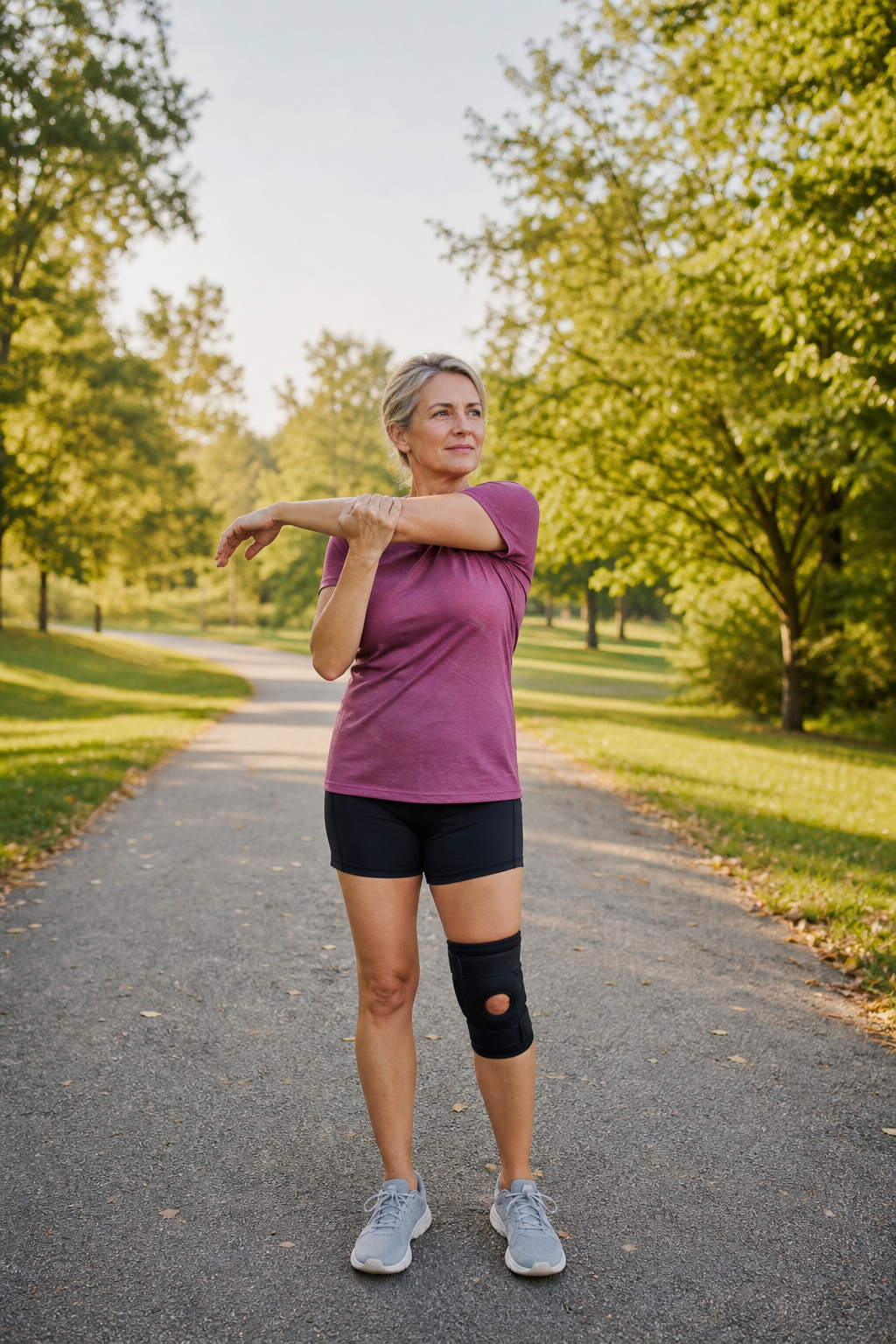
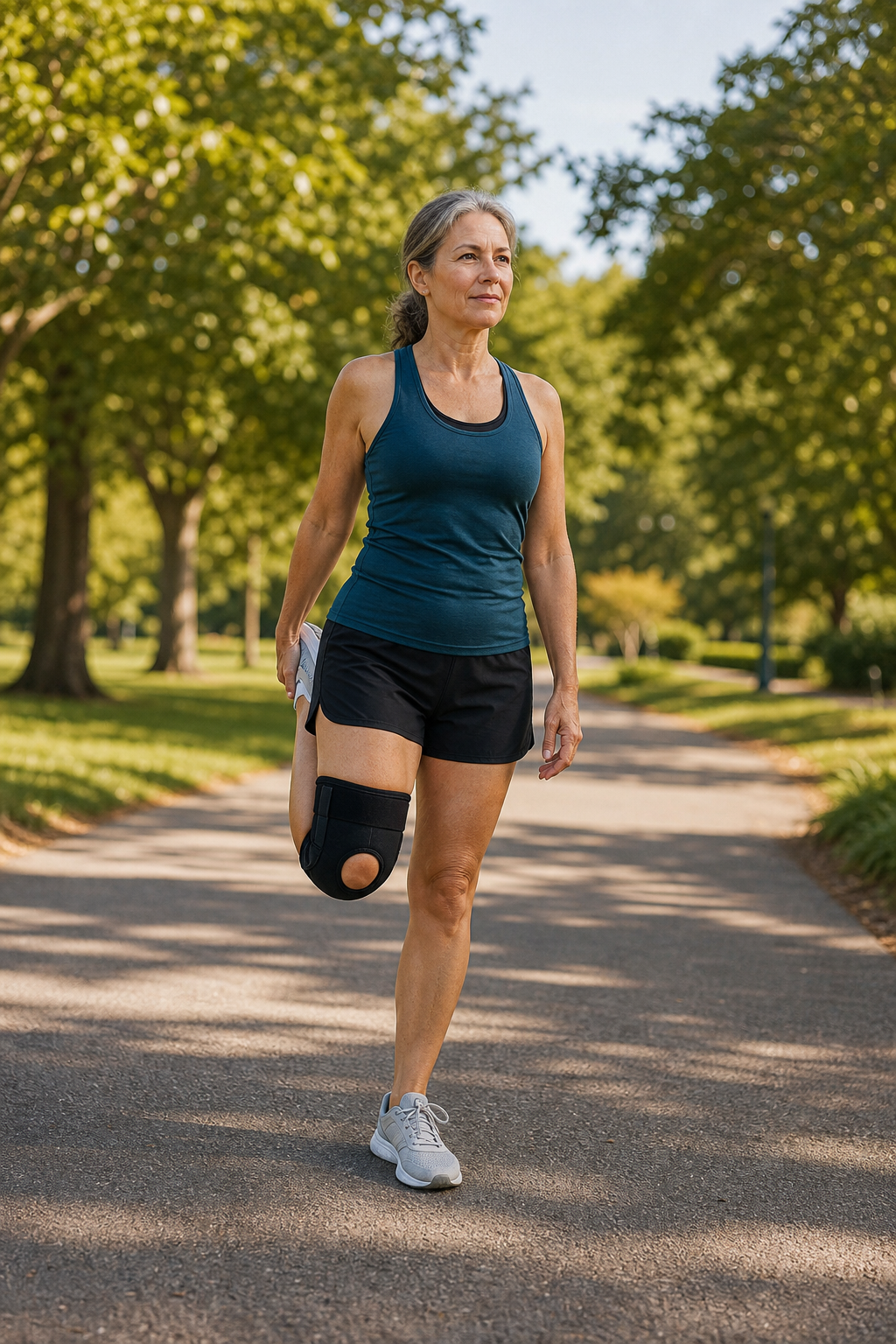
- Walking. Still my favorite. Start with short intervals, ideally on softer surfaces (think grass, a track, or even a treadmill with cushioning). If you need extra support around the knees or ankles, a compression sleeve can make a surprising difference. I recommend the Modvel Compression Knee Brace to many of my patients—a bestselling sleeve that costs less than a fancy lunch, with over 75,000 reviews to back it up.
- Swimming or water aerobics. Buoyancy takes the load off sore joints. Water walking is a game-changer—try it once and you’ll see.
- Chair yoga or gentle stretching. There’s no shame in modifying classic yoga poses. In fact, it’s smart. Flexibility plus stability equals less pain.
- Resistance bands. Lightweight, portable, and endlessly adaptable. Strengthening muscles around the joint is key—no need to lift heavy weights.
- Short home exercise routines. Here’s where I’ll throw in an old-school resource that’s helped dozens of my clients: Treat Your Own Knees by Jim Johnson. It’s a simple, research-backed book with easy-to-follow drawings. The focus is on building strength, flexibility, and responsiveness—no gym, no expensive gear. My mother-in-law swears by these routines (and she’s fiercely skeptical of most things I suggest).
A quick word of caution: talk to your doctor or physical therapist before starting anything new, especially if you’ve had surgery or are taking medications that affect balance or blood pressure. Safety first, always.
Staying Motivated: Mind Tricks & Real-Life Tweaks
In my years as a DC, I’ve seen the biggest hurdle isn’t always physical—it’s mental. Chronic pain wears down your willpower. The trick is to lower the activation energy. Here’s how:
- Break it into mini-sessions. Five minutes of movement, three times a day, is better than none at all. It adds up.
- Stash supplies in plain sight. Keep resistance bands in the living room, walking shoes by the door, and a heating pad ready for after.
- Use trackers—but don’t obsess. I like a simple step counter or a calendar with gold star stickers (seriously, try it). Progress feels good, even if it’s tiny.
- Find a movement buddy. Accountability makes it stick, whether it’s a neighbor, a spouse, or your dog.
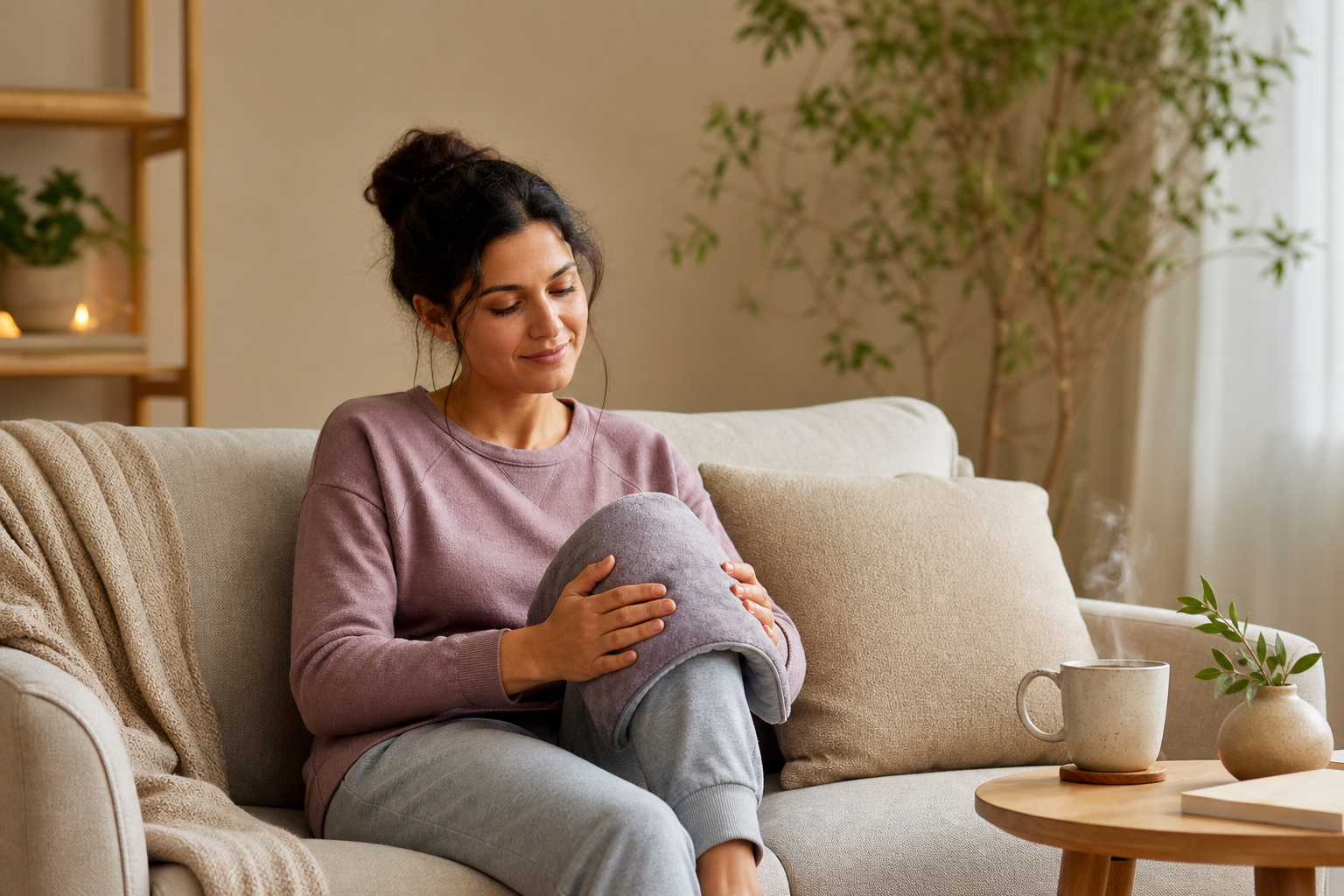
Another tip most articles skip: build in comfort rituals. I tell my patients, reward yourself after workouts—a hot shower, a cup of tea, or if your joints are really angry, a session with moist heat. The Pure Enrichment PureRelief XL Heating Pad is a staple in my clinic and at home, especially for those days you overdo it. The moist heat penetrates deeper, covering your knees, shoulders, or back (it’s huge), and the auto shut-off means you can actually relax.

The Supplement Debate: Can Pills Help You Stay Active?
Okay, here’s where I get real. I know the joint supplement aisle looks like the Wild West—glucosamine, turmeric, collagen, you name it. Do they work? Sometimes, but not for everyone. The Journal of Rheumatology, 2022 found that glucosamine sulfate (at 1500mg daily) can reduce pain and improve function in some people with moderate-to-severe osteoarthritis. Chondroitin and MSM may help, too, though the effect is usually mild.
If you’re interested in supplements, look for USP verification (that’s third-party purity testing) and stick with brands that don’t overpromise. For my own parents, I’ve trusted Nature Made Glucosamine Chondroitin Complex with MSM because it’s USP verified and has a long safety track record. But—and this is a big but—no pill will work miracles without movement, a healthy diet, and enough rest. Always double-check with your doctor before adding anything, especially if you’re on other meds or dealing with multiple health issues.
Other Tools That Make Movement Easier
Not a day goes by in clinic without someone asking about braces, ice packs, or topical gels. Here’s my candid take:
- Compression sleeves: Can provide gentle support and reduce swelling for knees, elbows, or wrists—see my earlier mention of the Modvel Compression Knee Brace. The anti-slip design is a plus (no rolling down your leg mid-walk).
- Heating pads: Great post-exercise to ease muscle stiffness and relax spasms. Avoid immediately after injury—wait 48 hours for swelling to subside. The PureRelief XL’s moist heat penetrates deeper than old-school dry pads.
- Topical analgesics: Products like menthol gels or roll-ons can provide temporary relief. They’re not a cure, but sometimes you just need that edge to get moving.
- Footwear: Don’t cheap out. Supportive, cushioned shoes make a bigger difference than most realize, especially for hips and knees.
What the Research Says: Surprising, Sometimes Controversial Truths
Time for some myth-busting. I know this is unpopular, but “no pain, no gain” is terrible advice for chronic joint issues. In fact, pushing through sharp pain risks permanent damage.
The Cochrane Review, 2021, compared dozens of exercise modalities for osteoarthritis and found the best results came from consistency, not intensity. Even gentle movement (walking, stretching, light strength work) three to five times a week improved function and pain scores by up to 40%. That’s huge—and it’s why I always tell patients, “showing up is more important than showing off.”
But—here’s the twist—rest periods matter, too. There’s evidence (see Physical Therapy Journal, 2020) that active rest (think slow walking or stretching, not lying on the couch all day) accelerates recovery between bouts of pain. Listen to your body’s signals; pacing isn’t failure, it’s wisdom.
Practical Tips for Staying Active—Even On ‘Bad’ Days
- Warm up extra gently. Five minutes of slow, supported movement (marching in place, gentle joint circles) can wake up stiff joints.
- Focus on range, not reps. Move through a pain-free range of motion, stopping before discomfort escalates. Quality trumps quantity every time.
- Use assistive devices unapologetically. Canes, hiking poles, braces—these are tools, not signs of weakness.
- Hydrate and fuel. Dehydration makes joints cranky. A protein-rich snack and plenty of water go a long way.
- Rotate activities. Alternate between walking, swimming, stretching, and strength work to avoid overloading any one joint.
- Journal your pain. Track flares and good days. Patterns emerge, and you’ll learn your triggers—and how to dodge them.
And here’s my final piece of advice: cut yourself some slack. A missed session isn’t a failure. Flare days are a reality, not a personal flaw. Some days you move with ease, other days it’s a win just to get dressed. That’s okay. Progress looks different for everyone.
Final Thoughts: You Deserve to Move with Less Pain
If there’s one thing I wish every reader took away, it’s this: staying active with chronic joint pain isn’t about pushing through agony or chasing Instagram-worthy workouts. It’s about finding what works for your body, with your limitations and strengths, and building a toolkit—a literal and figurative one—that lets you keep doing the things you love, or maybe, discover new ones along the way.
Some days will be hard. But with smart choices, a compassionate mindset, and the right mix of science-backed tools (compression sleeves, heating pads, a simple home routine, maybe a well-chosen supplement), movement becomes possible again. And, not gonna lie, sometimes even enjoyable.
Stay curious, stay kind to yourself, and don’t let joint pain have the final say. If you have a strategy that’s worked for you, or a question that keeps you up at night, shoot me an email—I love hearing from readers who are in the trenches, doing the work.
—Dr. Michael Torres, DC
Chiropractor & Nutrition Counselor | JointReliefReviews.com