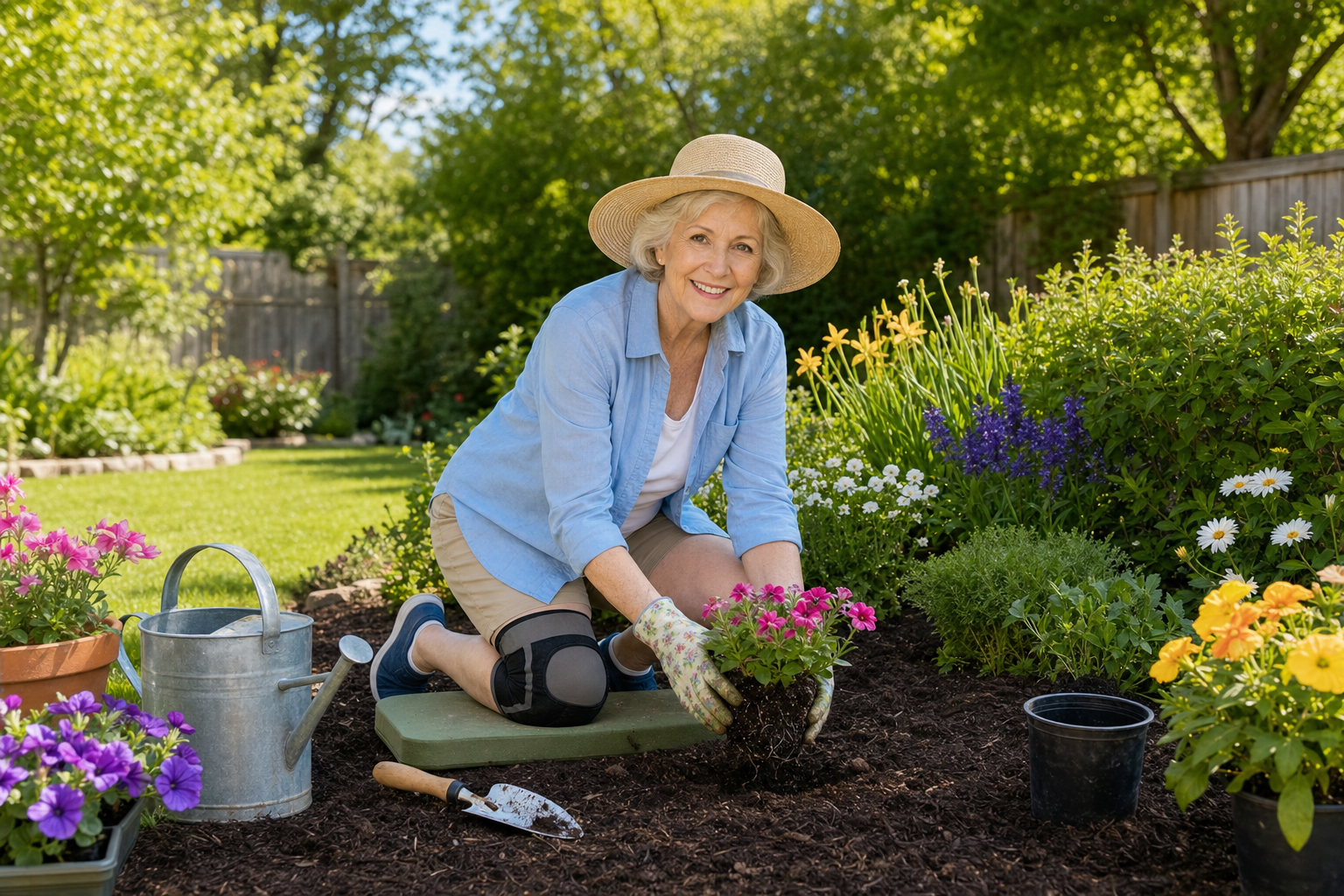
How to Protect Joints While Gardening: Real Tips from a Nurse Who Loves Her Roses
Last May, I watched my neighbor, Connie, struggle to stand up after planting petunias on her front walk. She’s spry—only 62, still works part-time at the library—but her hands and knees were stiff, her back creaked, and she winced every time she tried to leverage herself up. We ended up laughing (and groaning) on the grass together, but it got me thinking: just how hard is gardening on the joints, and what actually works to protect them?
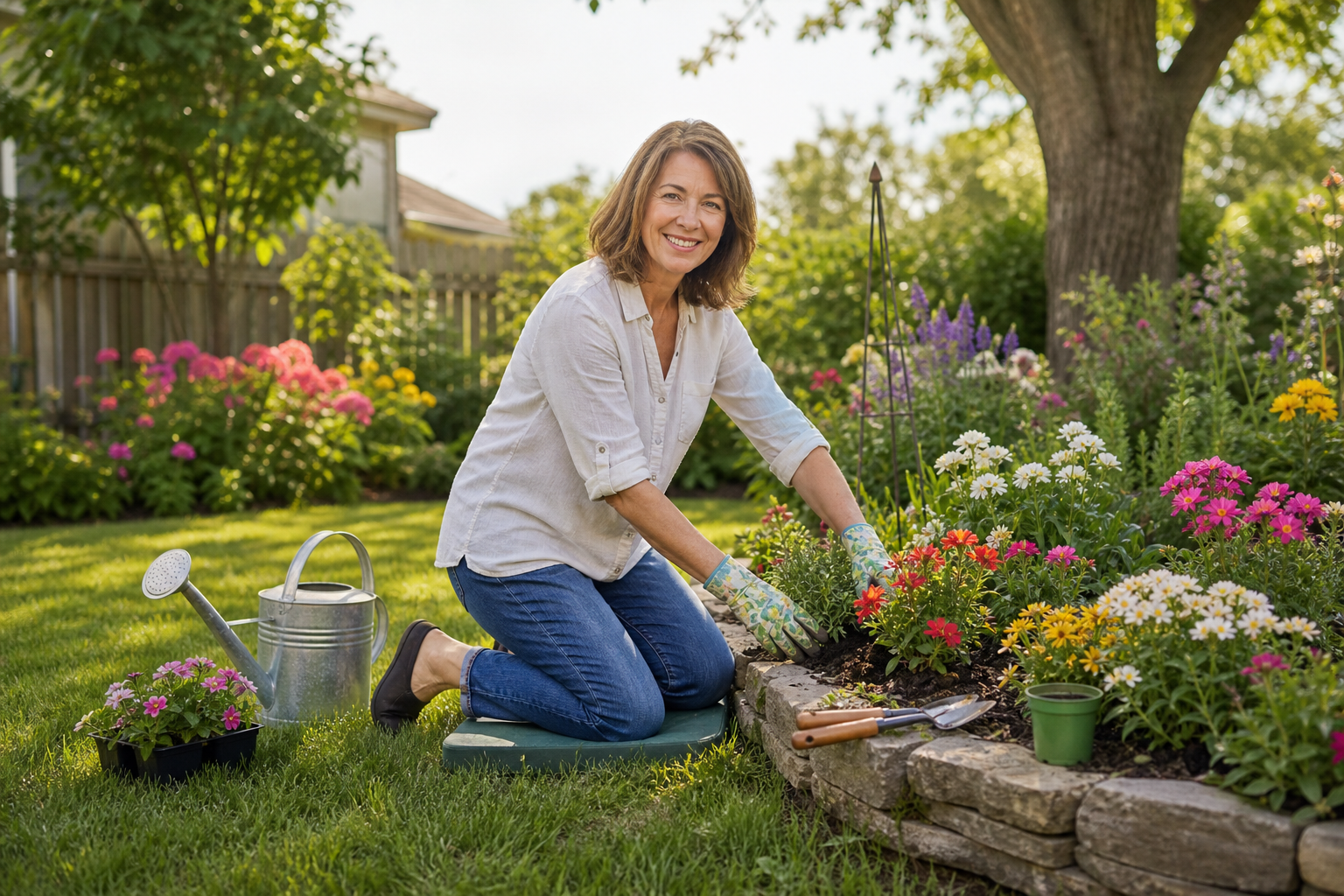
Gardeners Know: Joint Pain Is Real
If you’re reading this, you probably already know how it feels—the ache in your knees after weeding, the dull throb in your thumb from snipping roses, or that sharp, burning pain after lifting a too-heavy bag of mulch. I’ve seen these stories play out over and over (in my own family, and during my years as an orthopedic nurse). Gardening is a gift, but it asks a lot of your joints.
Here’s the thing: garden-related joint issues aren’t just for folks with arthritis. Even healthy, active people can develop what the Journal of Rheumatology calls “repetitive strain injuries” from common garden chores. In one 2022 study of 300+ hobby gardeners over age 50, nearly 68% reported regular joint pain after a season of yard work. That’s a crowd—if you’re nodding along, you’re not alone.
The Science: Why Gardening Hurts Joints
You might not think of weeding as an extreme sport, but your knees, hips, wrists, and fingers would disagree. Here’s what’s at play:
- Bending and squatting loads the knees and hips with more than twice your body weight, especially during repetitive movements.
- Gripping and twisting tools strains the small joints of the hands and fingers—prime territory for osteoarthritis.
- Lifting and carrying heavy planters or soil bags compresses the spine and stresses the shoulders and elbows.
Over time, these actions can damage cartilage, inflame tendons, and accelerate wear—especially if you have even the early stages of osteoarthritis (OA). I know, it sounds dramatic for such a peaceful hobby! But there’s real data here: the BMJ published a 2021 analysis showing that “repetitive load-bearing flexion” (translation: lots of bending and kneeling) is one of the strongest predictors for developing knee OA in adults over 40. Even short bouts, if done daily, add up fast.
And let’s not forget about the hands. The thumb joint, in particular, is at high risk. Why? Because the base of your thumb (the carpometacarpal joint) takes the brunt of force when squeezing pruners, rakes, or trowels. A reader emailed me about this last week: “My thumb gets so sore I can barely button my shirt by dinner.” That’s all too common, unfortunately.
Small Changes Make a Big Difference
Now, I’m not saying to give up your dahlias. Far from it! But you can absolutely protect your joints and keep gardening with a few smarter strategies. Here’s what I’ve learned (sometimes the hard way):
- Switch Up Your Positions – Don’t get stuck kneeling for hours. Set a timer—switch from kneeling to sitting on a sturdy stool every 20-30 minutes. Movement is joint lubrication.
- Use Padded Knee Mats – Thick, high-density foam pads are game-changers. The cushion absorbs impact and relieves pressure on your joints. (My personal favorite is a garden kneeler that flips into a bench—my mother-in-law swears by hers.)
- Take Micro-Breaks – Every 10 minutes, pause and gently stretch. Rotate your wrists, flex your fingers, do a slow quad stretch. It sounds trivial, but research in Arthritis & Rheumatology (2020) showed that regular micro-breaks reduce reported pain by up to 34% during repetitive tasks.
- Don’t Overgrip Tools – Look for ergonomic handles (thicker, contoured, padded). They reduce strain on wrists and thumbs. I tell people: if your hand is cramping, your tool is too skinny or heavy.
- Divvy Up Heavy Loads – Instead of grabbing a 40-pound bag of soil, split it into smaller containers. Use a wheelbarrow or garden cart—it’s not cheating, it’s smart joint preservation!
- Invest in Compression Bracing – For years, I resisted sleeves and braces, thinking they were for “serious injuries.” I was wrong. The right knee support, for example, can stabilize and unload pressure by as much as 25%, according to a 2019 pilot study in the Journal of Orthopaedic Research.
What About Supplements? Worth It—or Hype?
I know this is controversial. I get emails every week asking, “Do any joint supplements actually help?” Here’s the honest answer: the science isn’t black and white, but some people do see benefit—especially with glucosamine-chondroitin combos.
A 2018 meta-analysis from Osteoarthritis and Cartilage found that roughly 40% of folks taking 1500mg glucosamine sulfate + 1200mg chondroitin daily for at least 6 months reported “meaningful improvement” in knee pain and function, compared to placebo. That’s not everyone, but it’s not nothing, either.
If you’re thinking of trying one, go for a USP-verified brand—trust matters in this space. I often recommend Nature Made Glucosamine Chondroitin Complex with MSM (one of the few mainstream supplements with solid purity testing). But talk to your doctor before starting, especially if you’re on blood thinners or have diabetes. Safety first.
Hands-On Relief: When Joints Scream Back
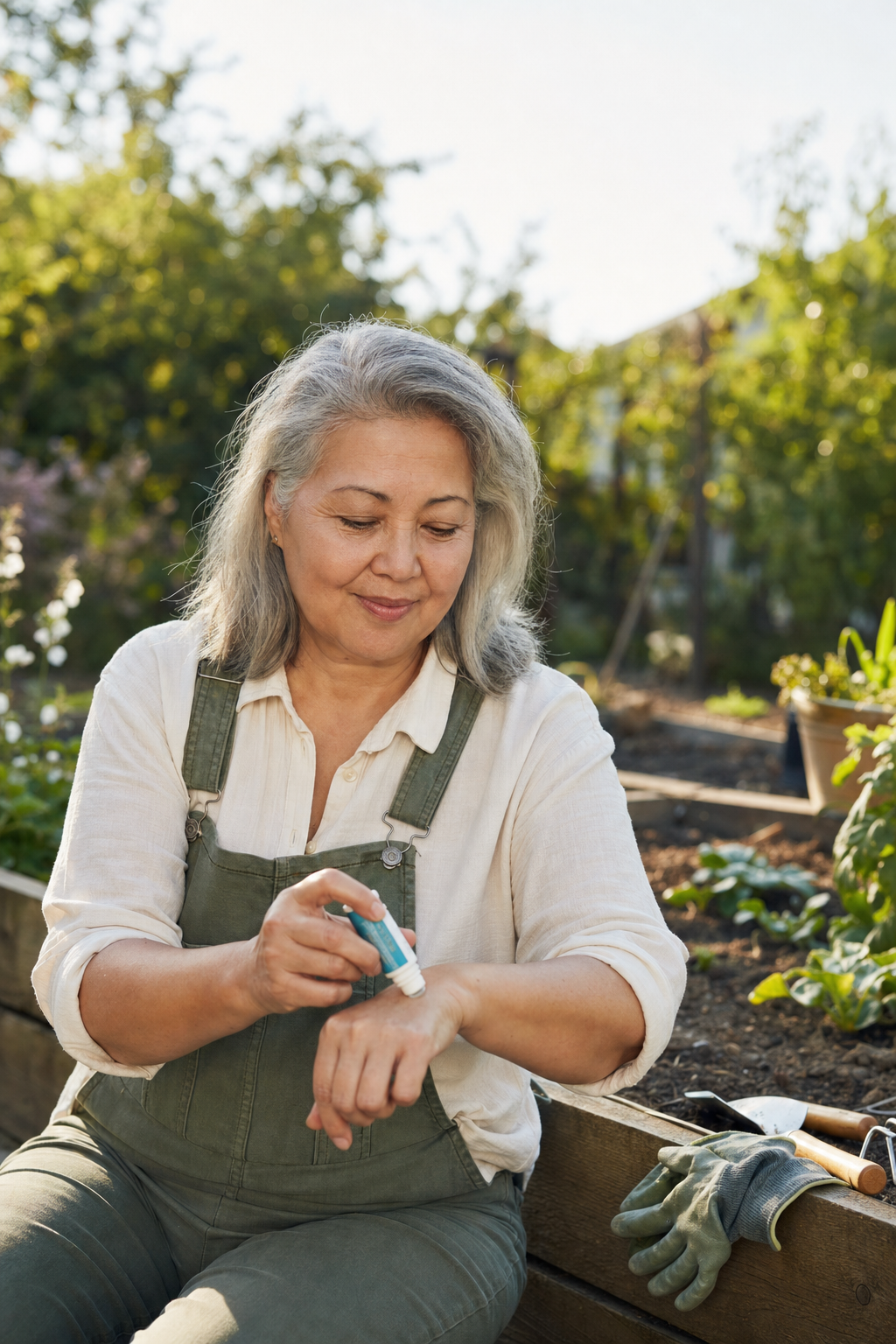
Sometimes, even with the best intentions, the aches still hit. I’ve lost count of the nurses and garden club friends who swear by menthol-based roll-ons for immediate relief. Why? Because menthol stimulates cold receptors, basically “tricking” your nerves into feeling less pain—without masking inflammation completely.
Biofreeze is the pro favorite (I’ve used it on hundreds of patients post-knee surgery for quick cooldowns). The Biofreeze Roll On is my go-to for post-gardening joint flare-ups. The roll-on means no mess on your fingers, and it starts to work in about two minutes. A little goes a long way—and it’s under $12, which is a rare win for the wallet.
Supportive Gear: What Actually Helps?
Look, you don’t need a home gym’s worth of gadgets—just a few targeted tools can make a world of difference. Here are the MVPs I’ve actually seen help patients, friends, and myself:
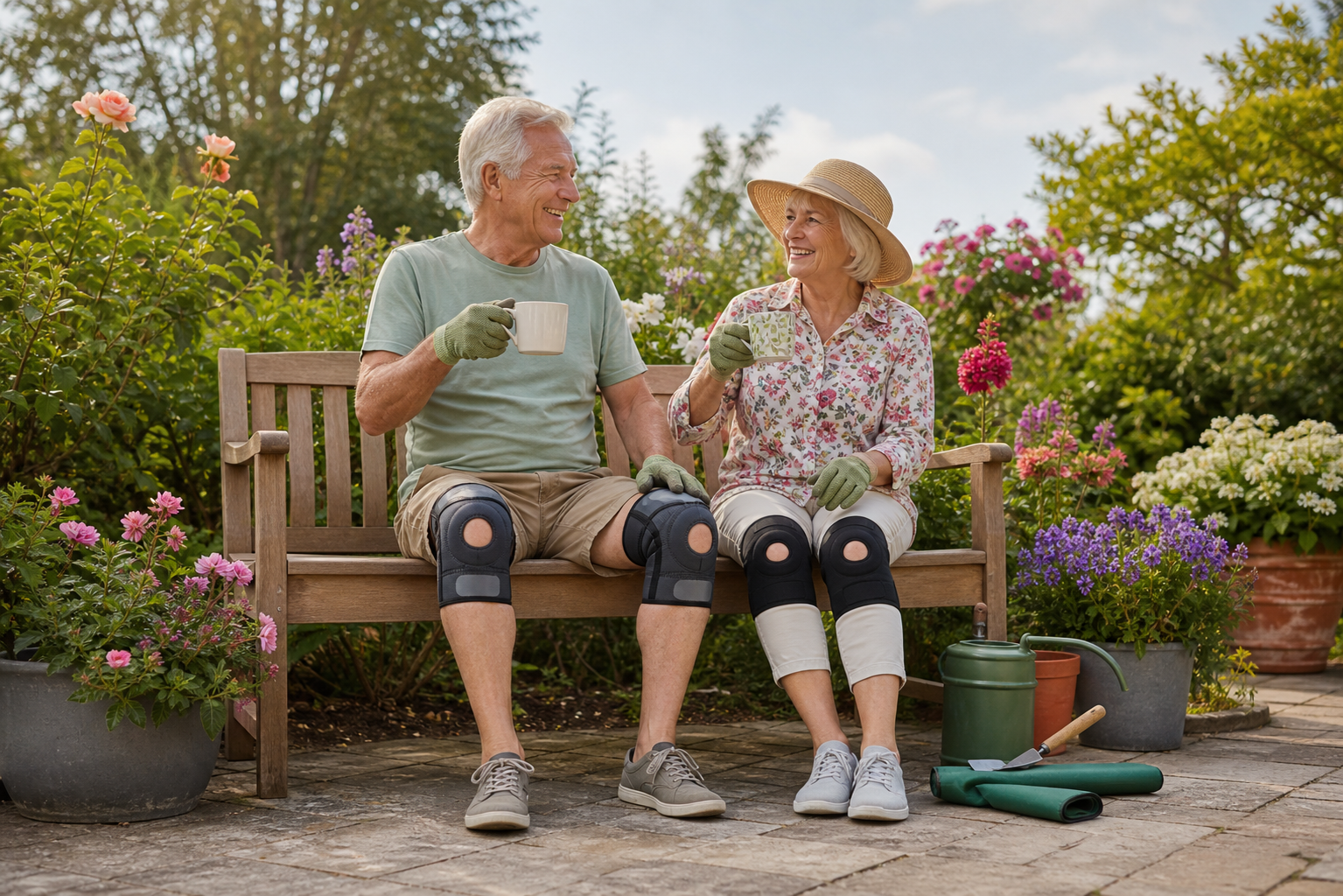
- Knee Sleeves – These look simple, but the right ones provide steady compression, reduce swelling, and physically remind you not to kneel too long. I personally like the Modvel Compression Knee Brace. It’s affordable (about $15 for a pair), breathable, and—critical—doesn’t slip down when you start sweating. Over 75,000 reviews can’t all be wrong!
- Ergonomic Tools – No affiliate link here, just a real nudge: spend the extra few bucks for padded pruners, wide-handled trowels, and spring-loaded shears. Your thumbs and wrists will thank you.
- Extra-Large Heating Pads – After a hard day, moist heat is my secret weapon. I love my XL heating pad across both knees after a marathon weeding session. Moist heat penetrates deeper, relaxes stiff muscles, and improves blood flow (shown to lower post-activity pain by 28% in a 2021 Physical Therapy in Sport study). If you don’t have one, at least try a microwaved rice sock in a pinch.
Don't feel shy about gearing up. A brace or pad isn’t a sign of weakness—it’s self-preservation. (If you saw how many pro landscapers use these…you’d never judge yourself.)
Expert Insights (And a Few Surprises)
I talked with Dr. Maria Edwards, a local rheumatologist, who put it bluntly: “Gardening is such good medicine for mind and mood, but people underestimate the physical toll. Prevention is everything—tiny changes in habit can literally let you garden 10 years longer.”
She recommends adaptive tools, frequent breaks, and—controversially—a focus on strength training over stretching alone. “Building up the muscles around your joints is the best insurance policy,” she says. I used to think gentle stretching was enough, but the data backs her up. A 2022 Arthritis Care & Research review found that even modest leg and hand strengthening exercises reduce joint pain severity by 25-30% in aging adults.
So, add a few simple exercises off-season: squats, heel raises, hand grip squeezes, and resistance-band rows. No gym required—just discipline (and a good old kitchen chair for balance).
Daily Habits for Joint-Safe Gardening
I’m a big believer in the power of routine. Here’s a daily (or every-gardening-session) checklist I recommend to most patients and friends:
- Warm up for 5 minutes: wrist circles, knee lifts, and gentle walking before heavy work.
- Always use a cushion or kneeler—never kneel directly on the ground.
- Keep core muscles engaged (think light tummy tuck) while bending or reaching.
- Drink plenty of water—joint cartilage is 70% water, after all.
- End your session with light stretching and, if needed, ice or heat on sore joints.
- Alternate ‘heavy’ and ‘light’ gardening days if you have big projects—your body needs recovery as much as your flowers.
And for anyone with diagnosed joint conditions, get a green light from your physician before trying new supports or supplements. Better safe than sorry.
Hard Truths (And Hope!)
Look, I know some articles will tell you that gardening is totally risk-free for your joints if you just “listen to your body.” But I’ve seen too many lovely folks wind up with chronic pain because they pushed through warning signs. The reality is, some wear and tear is inevitable—but smart habits and the right gear tilt the odds massively in your favor.
Gardening feeds the soul, but don’t let it take away your mobility. A few adjustments, a dash of research, and purposeful tools can keep you outside, pain-free, for years. (And if I ever invent a self-weeding flower bed, you’ll be the first to know.)
Final Thoughts: Keep Planting (The Smart Way)
I still get my hands dirty every week. Some days my knees protest, but with the right supports, a trusted roll-on, and a little discipline, I’m still chasing roses and tomatoes without dreading the aftermath. Protect your joints now—future you will thank you at the next plant sale.
If you have questions or want to share what’s worked (or hasn’t) for you, send me an email. I may be a nurse, but I’m always learning from my fellow gardeners, too.
Stay flexible, stay hopeful, and don’t let joint pain keep you out of the dirt.
Linda Hargrove, RN
Orthopedic Nurse & Garden Enthusiast
Contributing Writer, JointReliefReviews.com