How to Stay Active With Chronic Joint Pain: Real Strategies, Real Hope
Three years ago, in the dead of January, I watched my friend Rena struggle to button her coat with stiff, aching hands. Her biggest fear? That arthritis would eventually lock her life into immobility. She told me, "I know movement is good for me, but I just can't do what I used to." If you’re nodding along, you’re not alone. Millions of us—myself included—wrestle with this paradox. How do you stay active when every step, stretch, or squat feels like a negotiation with your joints?
Let’s Be Honest: The Struggle is Real
I’ve spent much of my career interviewing people whose lives revolve around pain scales and insurance forms. But what gets left out of sterile doctor’s offices is the grit it takes to keep moving when your joints feel like rusty hinges. And trust me—most articles gloss over the emotional cost. The frustration of canceled plans. The anxiety of a “flare day.” The guilt over skipping another walk around the block. Pain isn’t just a physical barrier—it’s a mental one, too.
My inbox is full of reader confessions like: “I’m terrified to exercise in case I make things worse.” Or “the last time I tried to jog, my knee ballooned up for a week.” If this sounds familiar, I want you to know: you’re not lazy. You’re not weak. Chronic joint pain demands a different toolkit—and, honestly, a different kind of courage.
Why Movement Matters—Even When It Hurts
Here’s where it gets interesting. The research is overwhelmingly clear: gentle, consistent movement is one of the most protective things you can do for long-term joint health. In fact, a 2022 review in Arthritis & Rheumatology found that people with osteoarthritis who kept up moderate physical activity (think 30 minutes of walking, cycling, or swimming most days) reduced their pain scores by up to 28% compared to those who stayed sedentary. That’s not a fluke. Movement keeps cartilage nourished, muscles strong, and pain pathways in the brain calmer over time.
But—here’s the kicker—not all movement is created equal. Too much, too soon? You risk flaring things up. The wrong kind of exercise? You might do more harm than good. It’s a delicate dance. And no, you don’t need to run marathons or join CrossFit. (If another person tells me to "just do yoga," I might scream.)
The Science Behind Motion and Pain
Let’s break down what the science actually says. Our joints are lined with cartilage, which has no blood supply—meaning it gets its nutrients from the flow of synovial fluid, and that flow happens when we move. Inactivity? That’s when joints stiffen, and pain signals fire up. I remember reading a 2019 BMJ study showing that even just a 10-minute walk after sitting all morning lowered stiffness in folks with moderate knee pain by 15%.
Plus, regular movement helps lower inflammation markers (like CRP and interleukin-6) in the blood. In my experience, small victories—say, consistently doing stretches in the morning—can add up to less pain by the end of the week. But, as I keep telling my patients, it’s about pacing, not punishing your body. Rest is just as vital as action.
Smart Ways to Stay Active—Even On Flare Days
All right, so how do you stay active when your joints are screaming? Here’s my real-world toolkit, built on both science and the lived wisdom of my readers:
- Pacing Is Everything: On good days, it’s tempting to do it all. I’ve learned (the hard way) that overdoing it leads to setbacks. Break up activity into short bouts: 10 minutes of walking, a few minutes of gentle stretching, then rest. Listen for your "edge," not the pain cliff.
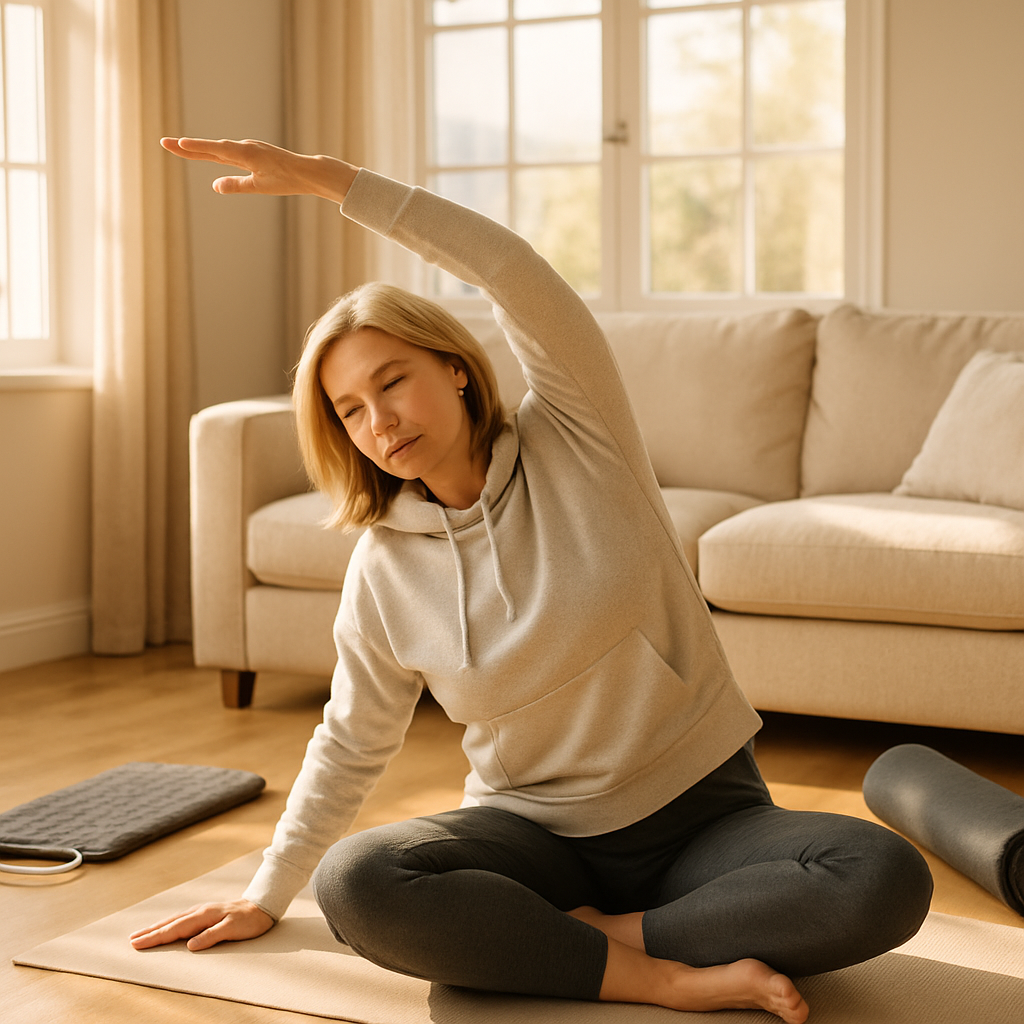
- Heat Therapy: I swear by a heating pad before activity. It gets blood moving, softens stiffness, and buys me precious flexibility. The Pure Enrichment PureRelief XL Heating Pad is a favorite of mine (and half the arthritis support groups online, honestly) because it covers your whole knee or back in one go, and the moist heat setting is a game-changer on stubborn mornings.
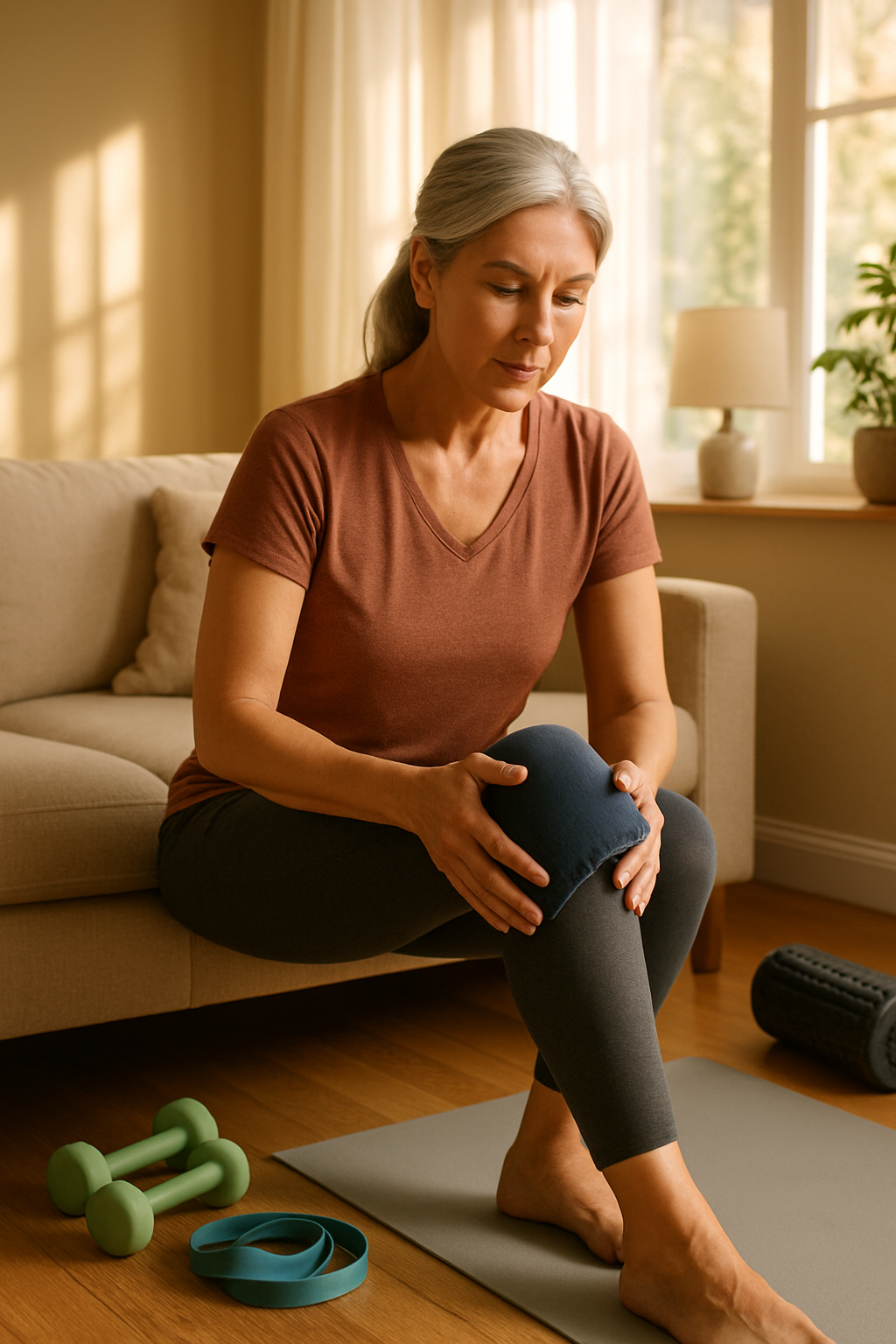
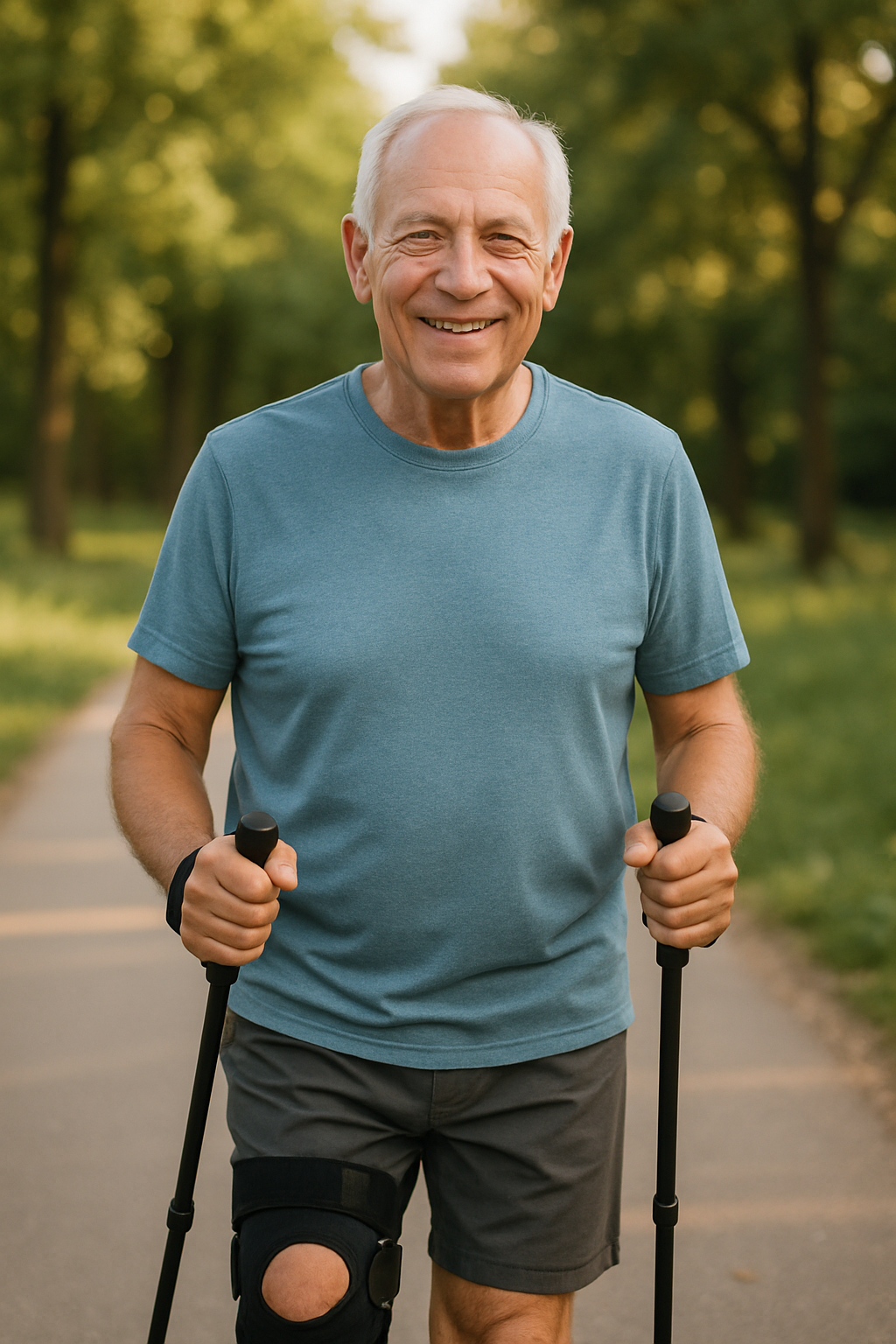
- Compression Support: Look, some experts debate this, but I’ve seen firsthand how a well-fitted knee brace can boost confidence and cut swelling during walks. The Modvel Compression Knee Brace is affordable and doesn’t roll down your leg like so many others. It’s not a miracle, but it’s a handy tool on wobbly days.
- Pick the Right Activities: Swim, cycle, walk, Tai Chi. The goal? Low-impact, rhythmic movements that strengthen stabilizer muscles without jarring your joints. In other words: be picky. My mother-in-law tried Zumba once—she still brings it up at Thanksgiving (“Never again, Karen!”).
- Daily Gentle Stretches: Even if you can’t “exercise,” staying loose with 5-minute flexibility routines keeps you from locking up. A physical therapist I trust swears by the book Treat Your Own Knees for home-based, research-backed moves.
Behind the Curtain: What Do the Experts and Studies Say?
If you read the medical journals (yes, I do, so you don’t have to), there’s a recurring theme: tailored movement plans work better than generic advice. In a 2021 Journal of Rheumatology study, patients who worked with a physical therapist to devise “micro-activity” schedules (2-5 minute bursts throughout the day) reported fewer flare-ups and better function after six months compared to those told to do 30 minutes all at once.
Another fascinating bit: compression gear, once dismissed as “placebo,” is getting a second look. A 2023 UK trial found that using a knee sleeve during daily activities reduced swelling scores by 22%—especially in people over 55. The catch? You need to find one that fits and doesn’t cut off circulation. (Modvel’s pair is hard to beat for the price, honestly.)
And don’t sleep on the power of consistency. Skipping three days is enough to lose ground, according to multiple studies. That’s why, in my home, the heating pad is always plugged in, my braces are within reach, and my walking shoes by the door.
Roadblocks—and How to Outsmart Them
I won’t sugarcoat it: there are days when even the best-laid plans hit a wall. Flare-ups, fatigue, and—let’s be honest—occasional hopelessness. Here are the most common barriers my readers report (and what’s worked for them):
- Fear of Making Things Worse: This is a biggie. The trick is starting below your pain threshold and working up. Track your progress, not perfection—celebrate being able to walk five minutes farther by month’s end.
- Weather Woes: Cold, damp days do make joints stiffer (science finally backs up what grandmas have said for centuries). That’s when a heating pad, hot shower, and gentle warm-up become non-negotiables for me.
- Reluctance to Use Aids: Braces, walking sticks, even pain creams—some people see these as “giving in.” I see them as giving yourself freedom. Biofreeze or topical menthol can dull pain enough to get you moving. (Always check with your doc before adding anything new, please!)
- Motivation: This one’s sneaky. Find an “accountability buddy,” set a phone alarm, or tie movement to something you love—music, a podcast, a tiny reward system. One reader told me she only listens to her favorite mystery novels while walking outdoors; if she skips, she misses the next chapter.
Supplements, Nutrition, and the "Joint Health" Debate
I know this is controversial territory. Glucosamine, chondroitin, turmeric—if you’ve been online, you’ve seen wild claims. Here’s the truth: some folks do notice less stiffness or pain after two to three months on trusted supplements, especially glucosamine sulfate (about 1500mg per day—always look for “sulfate” form). But the research is mixed, and it’s never a substitute for movement or medical care. I usually point people to household brands like Nature Made, which have USP verification for purity, but I always tell readers: talk to your doctor before starting any supplement—especially if you’re on other meds or have underlying conditions.
Nutrition-wise? The anti-inflammatory diet (think: fatty fish, berries, olive oil, lots of leafy greens, not much sugar) can make a difference. No miracle foods, but every bit helps. I keep a bag of frozen blueberries in my freezer year-round and drizzle olive oil over almost everything. Small, sustainable habits = real, lasting change.
Staying Active Shouldn’t Mean Suffering
Here’s the thing: People with chronic joint pain are some of the toughest, most creative problem-solvers I know. You learn to adjust, adapt, improvise. Movement shouldn’t be torture. If it is, something needs to change—maybe the pace, the activity, or the supports you use.
Too many articles stop at "just keep moving," as if that's the whole answer. It's not. The real trick is listening to your body’s feedback (even if you dislike what it’s saying), finding the tools that buy you confidence and comfort, and giving yourself some grace on the rough days. Movement can be gardening, a gentle walk, or even stretching in your chair while watching TV. It all counts.

Fresh Takeaways: What Actually Works?
- Swap “no pain, no gain” for “move smarter, move often.” Short, regular movement is your friend.
- Embrace helpful tools: A quality heating pad and a supportive knee brace can make activity safer and more comfortable. Don’t let pride get in the way.
- Try “micro-activity”: Five minutes here, five minutes there adds up—plus, it’s less daunting than a 30-minute block.
- Nutrition and supplements: Can help, but only as part of a bigger self-care puzzle. Always clear new regimens with your doctor.
- Your mindset matters: Celebrate small wins. They add up faster than you think.
One Last Thought
I’ve spent decades talking to patients, researchers, and—frankly—my own knees. I know that staying active with chronic joint pain isn’t a straight line. It’s a series of gentle zig-zags, detours, and (sometimes) full stops. But, if you keep experimenting, keep learning, and give yourself permission to rest when needed, movement can become possible—and, dare I say, even enjoyable again.
And if you’re reading this at 2 a.m., heat pack glowing, wondering how you’ll manage tomorrow: you’re in good company. I’m rooting for you. If you have a favorite tip or tool, send it my way—I answer every email.
Stay flexible, stay curious, and keep moving (in whatever way works for you). — Karen Whitfield
About the Author: Karen Whitfield is a veteran health journalist with a special focus on arthritis, joint health, and patient empowerment. Her work has appeared in Everyday Health, Prevention, and Arthritis Today.