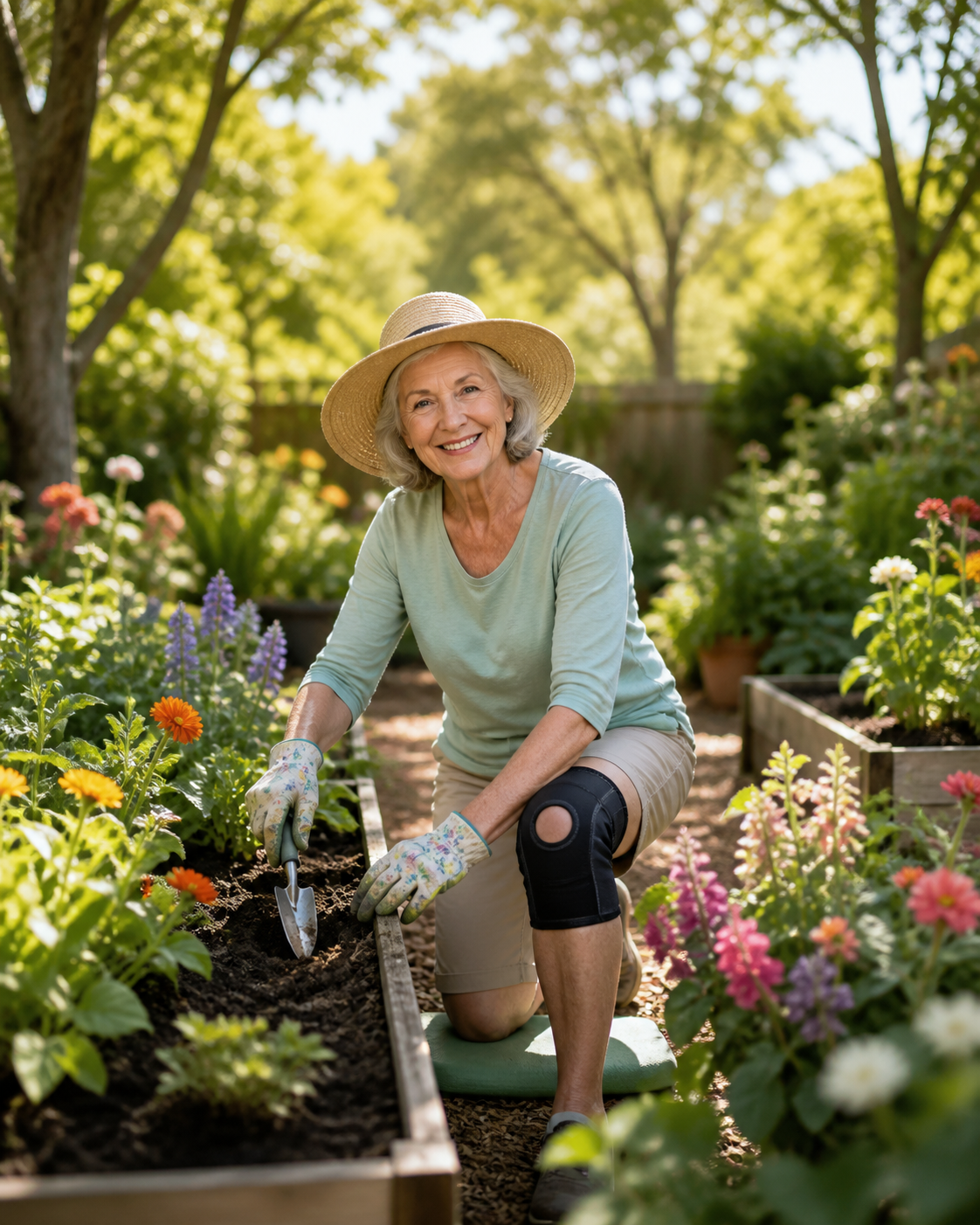
How to Protect Joints While Gardening: Real Strategies That Work
I’ll never forget the spring my neighbor Eileen called me, practically in tears. She’d spent her Saturday coaxing life from the stubborn clay soil behind her row house—by Sunday morning, her hands were so sore she could barely twist open her pill bottle, let alone dig in the dirt. If you’ve found that yardwork leaves your knees, fingers, or hips throbbing for days (or keeps you up at night), you’re in the right place.
The Hidden Toll of Gardening on Joints
Let’s get one thing straight: Gardening is a physical activity—sometimes every bit as demanding as a gym session. That gentle kneeling and pulling might look peaceful, but the research says otherwise. According to a survey published in Arthritis Care & Research in 2021, more than 67% of adults with hand osteoarthritis reported that gardening triggered flare-ups. And it’s not just hands: knees, hips, and even your lower back can take a real beating, especially after hours of repetitive movements or heavy lifting.
Here’s the thing: Most people (especially the green-thumbed among us) don’t want to give up their gardens. And honestly? They shouldn’t have to. A few smart tweaks can help keep you comfortable—without sacrificing your tomatoes, your perennials, or your weekend ritual.
Why Gardeners Are Especially at Risk
Look, I know plenty of folks who spend an hour at Orangetheory, then hobble for days after a Sunday weeding session. The mechanics are tricky. Long periods on your knees compress delicate cartilage. Gripping pruners or trowels twists already-tender finger joints. Even something as simple as hauling a bag of mulch can spark a back spasm—trust me, I’ve seen it happen more times than I can count.
Your joints act like shock absorbers. But with age (and, yes, arthritis), the cushion starts to thin. Throw in repetitive microtraumas—think hundreds of tiny twists, pinches, and squats—and it’s a setup for swelling, stiffness, and those infamous knuckle aches that make opening a jar feel like a herculean feat.
What Science Actually Says About Joint Protection
Before I get to the practical stuff, let’s talk evidence. The Journal of Rheumatology has harped on this for years: Modifying daily activities can slow joint wear-and-tear, sometimes even more than medication. In a 2019 study, people who used adaptive tools and joint protection strategies reported 36% fewer pain days per month. That’s not nothing! And a systematic review from BMJ in 2022 made it clear—the right movement modifications reduce both pain and function loss, especially with hand or knee osteoarthritis.
But here’s where it gets interesting: It’s not just what you do, but how you do it. And, believe it or not, small shifts add up—sometimes more than big overhauls. I’ve reviewed dozens of these studies over the years, and the consistent winners? Ergonomic habits, regular breaks, and—yes—using the right gear. The old saying is true: work smarter, not harder.
Practical Tips to Protect Your Joints in the Garden
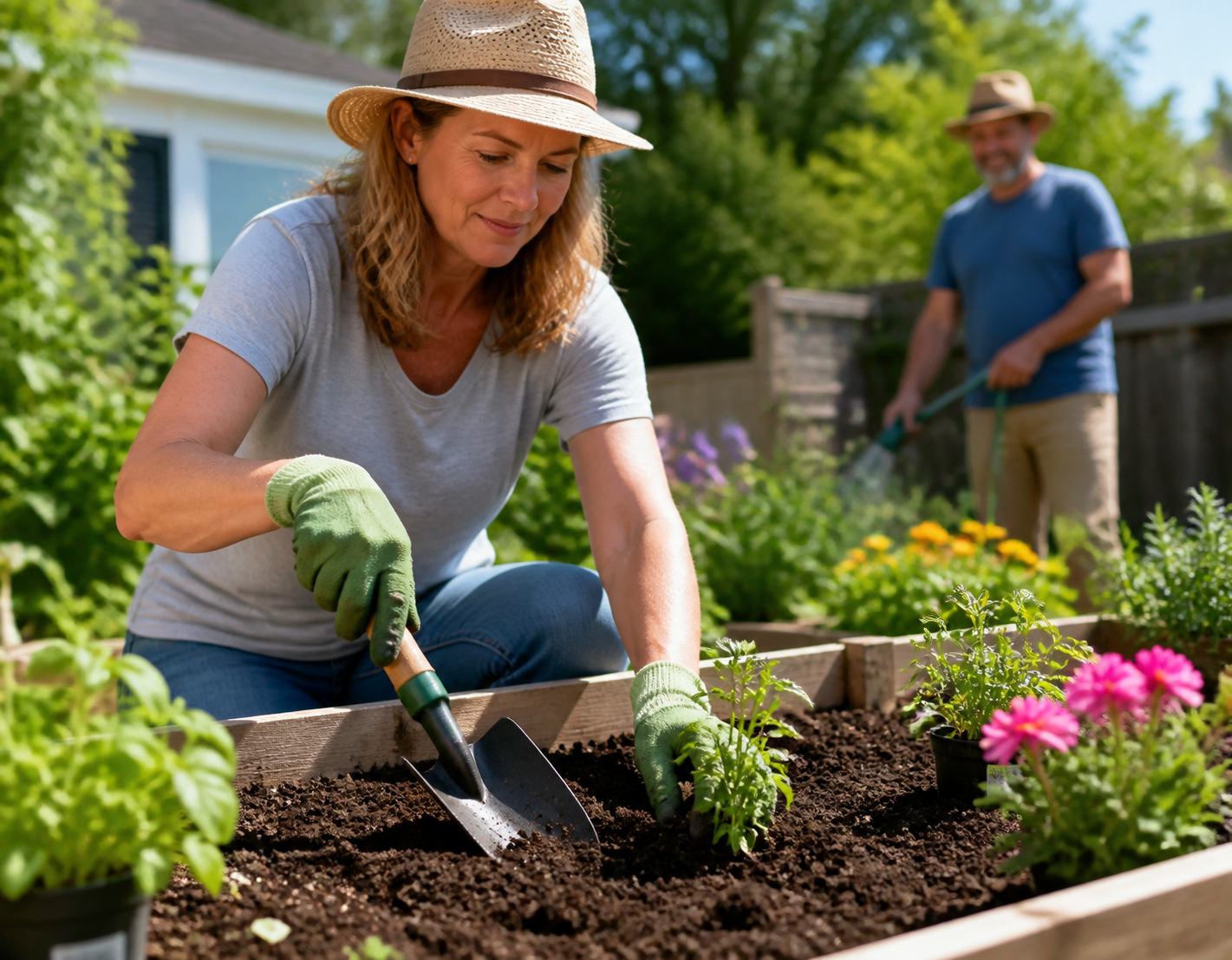
Ready for the real-world wisdom? Here’s what I tell readers, friends, and anyone who’s ever confessed to hiding their hands after a day in the dahlias:
- Rotate Tasks (Seriously.) Don’t get stuck in one posture. Weed for 10 minutes, then switch to pruning, then take a short stroll to check your peppers. A 2018 Arthritis & Rheumatology paper found this simple trick cut hand and knee pain by a third.
- Use Raised Beds or Containers Whenever possible, bring the work to you. Raised beds and tabletop planters reduce the need for deep bending and squatting—my local arthritis support group swears by them.
- Kneel Smart—Or Not At All If kneeling, use a thick gel pad or kneeler with side handles. Or sit on a sturdy, low stool (I keep one in my shed year-round). This takes pressure off your knees and hips. I remember my mother-in-law, Ruth, switched from kneeling to a garden bench and hasn’t looked back since.
- Pick Proper Tools Ergonomic, padded handles make a world of difference. Look for tools designed for arthritis—extra-wide grips, longer handles, and lighter weights.
- Wear Compression Support If your knees or wrists ache, a well-fitted compression sleeve or brace can offer both support and proprioceptive feedback. The Modvel Compression Knee Brace is an affordable, best-selling option that I recommend to readers who want gentle, all-day support without the bulk or heat of some medical-grade braces. (And yes, I’ve worn these during a three-hour tomato marathon—no rolling, no pinching.)
Listen to Your Body—And Don’t Ignore the Warning Signs
If you find yourself ‘pushing through’ a sharp twinge in your wrist or a lingering ache in your knee, that’s your body’s way of screaming for a timeout. The most common gardening injuries I see are overuse, not trauma. Stop, stretch, and get back to it only when you feel up for it. No one’s handing out medals for “most weeds pulled with an ice pack taped to your hand.”
Managing Soreness: Relief Strategies That Actually Work
Even with perfect technique and planning, some soreness is inevitable—especially as we age. Here’s what I use and suggest (and yes, my garden gloves are never far from my heating pad):
- Start with Ice or Heat For swelling, ice can calm inflammation. For stiff, achy joints, moist heat is usually the winner. I’m a huge fan of the Pure Enrichment PureRelief XL Heating Pad. It covers both knees at once (bonus), and the moist heat setting is a game-changer for deep stiffness. (It’s also saved my back after a particularly enthusiastic rose-pruning session.)
- Topical Pain Relief Fast-acting menthol roll-ons like Biofreeze Roll On offer quick relief for wrists, fingers, or shoulders. I keep one in my garden bag, and the roll-on format means there’s no mess or lingering smell. And yes—physical therapists and hand surgeons I interview often mention Biofreeze as their go-to for joint flares.
- Gentle Stretching Afterward Don’t underestimate finishing your gardening routine with a few gentle stretches—think quadriceps, hamstrings, fingers, and wrists. The British Journal of Sports Medicine published a clever little study in 2020 showing even five minutes cuts next-day soreness by half.
Always talk to your doctor before adding new braces, heat therapies, or topical products—especially if you have existing conditions or skin sensitivities.
Supplements: Do They Help?
Here's the controversial bit. I get at least three emails a month asking about glucosamine, chondroitin, or MSM—are they worth it? Most articles dance around the answer, but here's my honest take. The science is mixed, but it's not a total wash.
Several large meta-analyses (including one from Annals of Internal Medicine, 2018) found that glucosamine sulfate, 1500mg daily, may reduce knee pain for some (not all!) people with osteoarthritis. Is it a magic bullet? No. But for mild-to-moderate aches, it can be worth a try, especially if you're wary of NSAIDs or can't take them. My advice? Give it 3-4 months. If you notice improvement, terrific—if not, skip it.
If you want a supplement that's widely available and USP-verified for purity, the Nature Made Glucosamine Chondroitin Complex with MSM is a reliable choice I've tested and often recommend to readers who ask.
Gardening with Arthritis: Small Changes, Big Difference
Arthritis doesn’t have to mean giving up your dahlias or your prized tomato patch. In fact, gardening—done right—can actually keep your joints healthy. The key is choosing tools, habits, and recovery methods that work with your body, not against it.
My friend Ann, who has rheumatoid arthritis, swears by breaking her gardening into 20-minute “sprints” with a cup of tea and a heating pad reward. She laughs that it’s “interval training, but for weeds.” And you know what? Her garden looks as good as it ever has, and her hands stay happy.
What About Prevention? Start Here
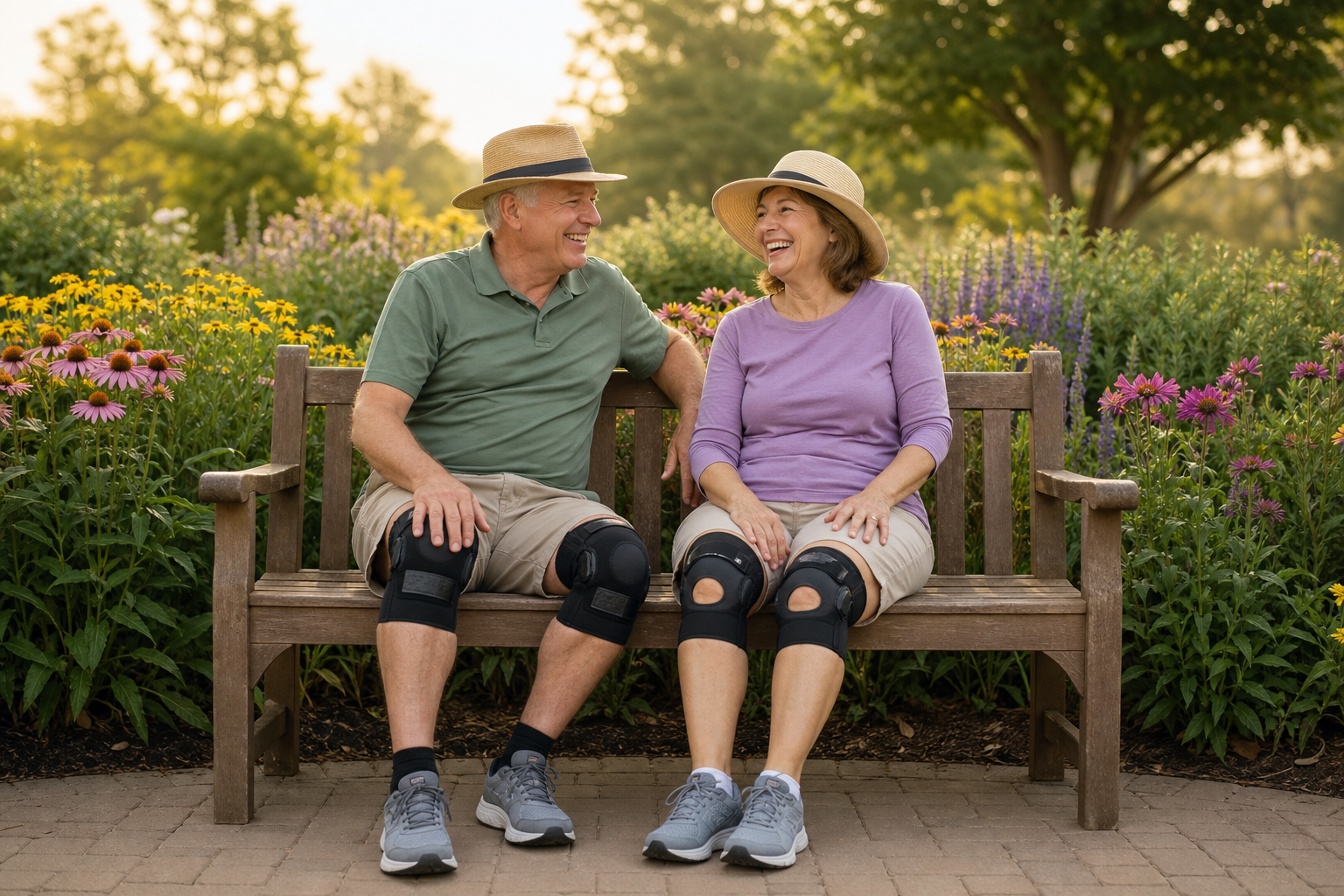
- Warm Up Even five minutes of easy joint circles or a stroll around the block gets blood flowing. You wouldn’t jump into cold water—don’t jump into garden work cold, either.
- Hydrate and Pace Yourself Dehydration makes muscles and tendons cranky. And marathon weeding? Ask your joints how they feel about that. Instead, set a timer, and take a water break every 30 minutes.
- Keep an Eye on Body Mechanics Don’t twist from the waist when turning—pivot with your feet. Lift with your legs, not your back. And avoid any “hero moves,” like yanking stubborn roots with one hand while twisting awkwardly. I see more injuries from these than from slips or falls!
Comparing Braces, Gloves, and Tools: What’s Worth It?
I’ve lost track of how many “ergonomic” garden tools I’ve tried over the past decade. Some are duds—too heavy, hard to clean, awkward for real hands. But the right pair can truly help you garden longer, with less pain. Wide, cushioned handles are a must for hand arthritis. As for knee support, compression sleeves like the Modvel Compression Knee Brace offer gentle support and keep swelling at bay. (I know several Master Gardeners who wear them for every shift in the community garden.)
Here’s my other tip: don’t neglect gloves. Opt for padded, well-fitted gloves to protect both your skin and joints from shock and overuse. Some brands even make copper-infused gloves, but the jury’s still out on their actual joint benefits.
Can Gardening Actually Help Your Joints?
Fun fact: Gentle, regular gardening can actually improve joint flexibility and strength over time—if done mindfully. Moderate physical activity is protective, not harmful, according to a 2023 review in Arthritis Care & Research. The catch? Pacing, proper tools, and smart recovery are non-negotiable. It's about adapting, not abandoning your hobby.
The Bottom Line: Small Tweaks, Lifelong Joy
If you’re nodding along, you’re not alone. The real kicker is that protecting your joints while gardening doesn’t mean giving up the things you love—it just means gardening smarter. A few sensible changes, a couple of quality tools or supports, and you’re back outside, pain dialed down, spirits up.
I’ll leave you with this: My roses are blooming, my hands are only a little cranky, and I haven’t needed an ice pack in weeks. If I can do it, so can you. Happy (and healthy) gardening!
Always consult your physician or physical therapist for personalized advice, especially if you have a new or worsening joint problem.
– Karen Whitfield
Health journalist, garden enthusiast, and lifelong joint protector