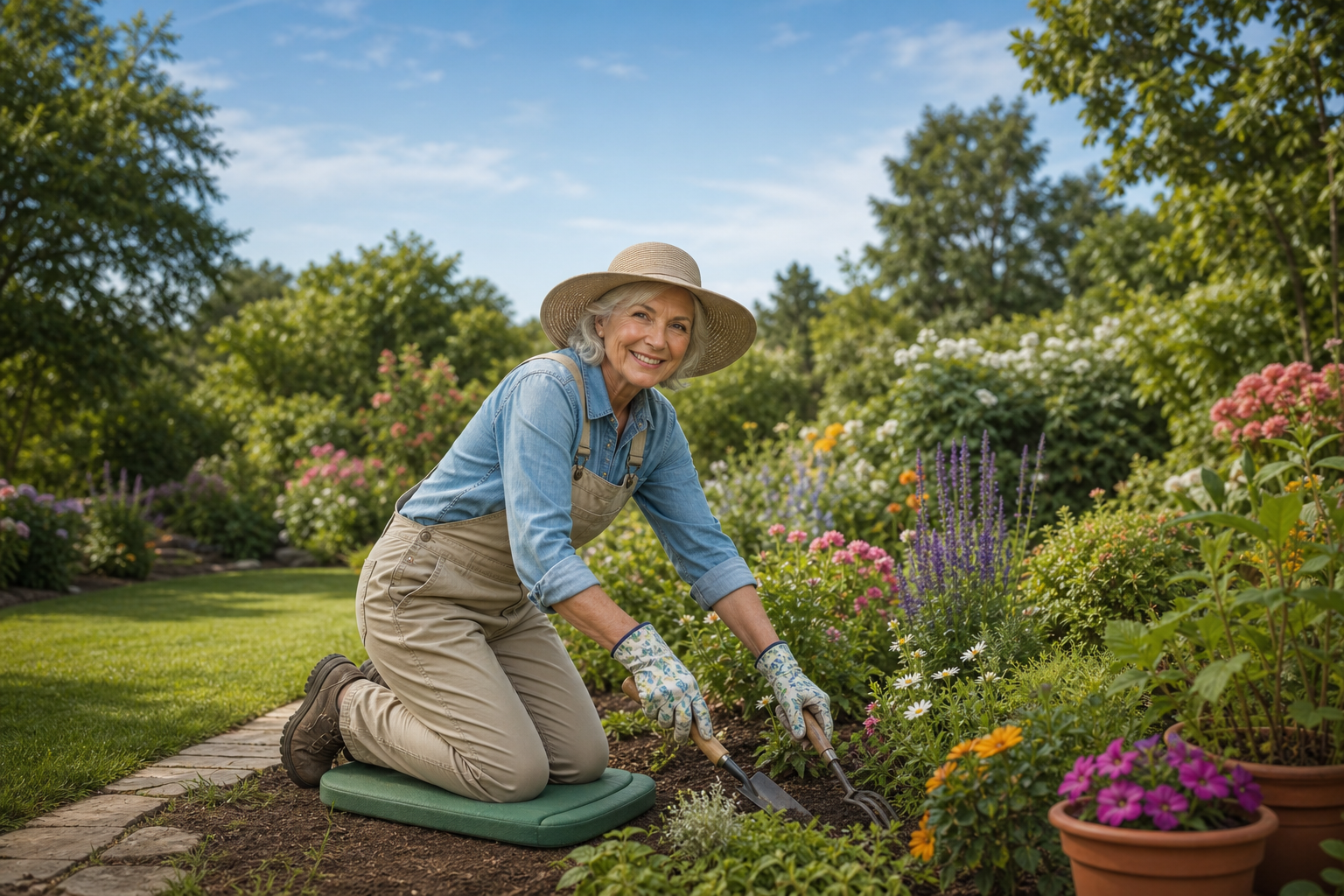
How to Protect Joints While Gardening: My Best Tips for Pain-Free Planting
I still remember the look on my mother-in-law’s face the first spring she tried to kneel after a tough winter. She adores her hydrangeas, but her knees? Not so much. And she’s not alone—joint complaints in the garden are one of the top issues patients bring into my clinic every April. If you’re nodding along, you know the drill: That familiar twinge as you reach for a stubborn weed. The dull ache in your hands after planting flats of pansies. Or the slow burn in your lower back as you stand up, cursing the day you ever met crabgrass.
Why Gardening Can Be Brutal on Your Joints (And Why It Matters)
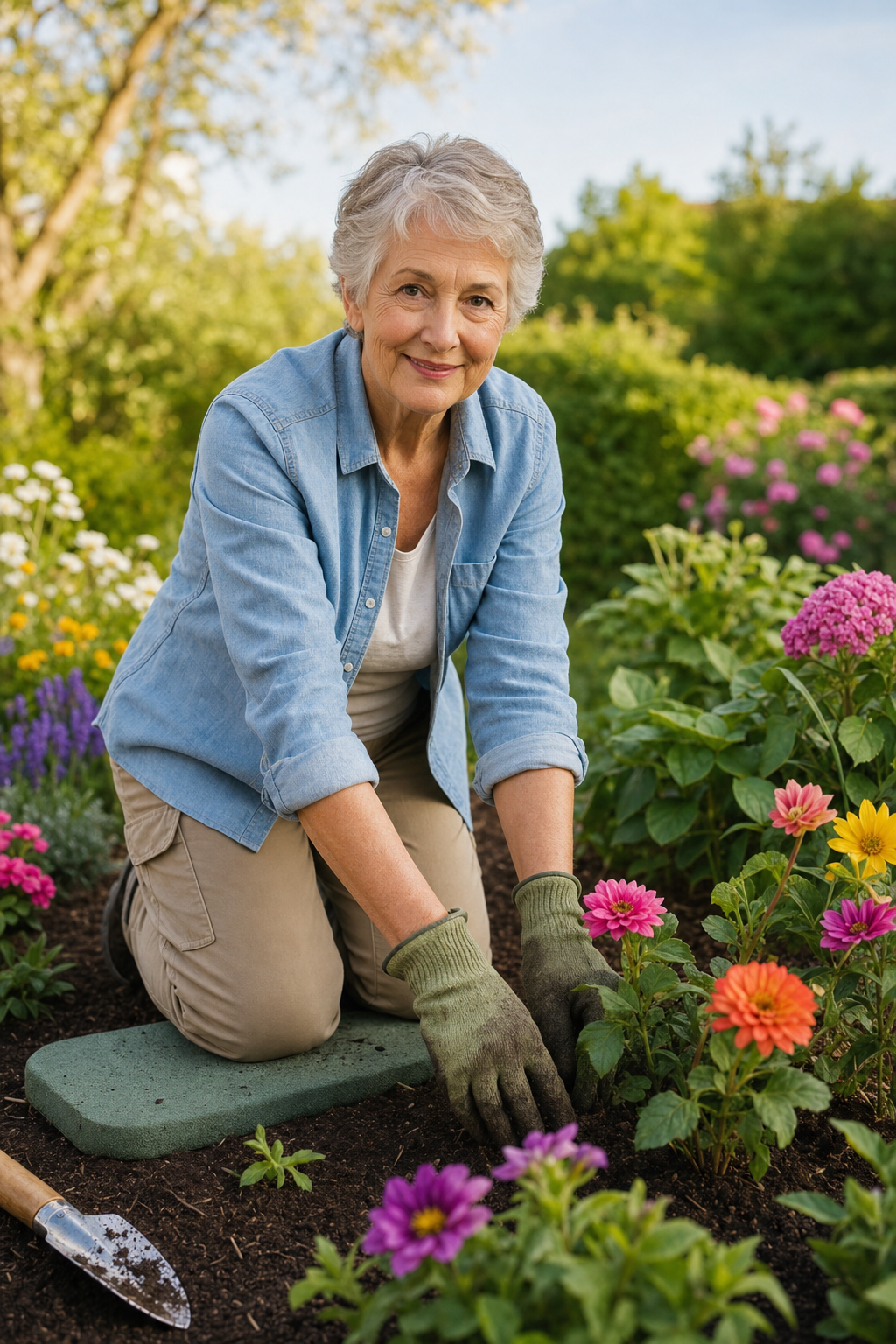
Look, I get it: Gardening is therapy for a lot of folks. But your joints don’t see it as a Zen pursuit—they see it as a contact sport. Kneeling, squatting, twisting, gripping, and carrying—all of these motions put repetitive pressure on joints already primed to complain as we age or battle arthritis. The Journal of Rheumatology (2018) actually found a clear correlation between frequent gardening and hand osteoarthritis in women over 50. And knees? According to Arthritis & Rheumatology (2020), ground-level work increases patellofemoral pain by up to 35% in over-55s.
But here’s the real kicker: You don’t have to give up gardening for your joints to thank you. You just need to be strategic. Most people try to push through, thinking pain is the cost of beauty. That’s old-school thinking, and honestly, kind of cruel. The new science shows we can modify how we garden—and what tools we use—so we keep the flowers, not the flare-ups.
The Science of Joint Strain: What’s Going On Under the Dirt
Your joints are marvels of biomechanics, but they’re also vulnerable. Gardening loads joints in two main ways:
- Compression: Kneeling or squatting jams the knee and hip joints, squeezing cartilage and stressing ligaments.
- Torsion: Twisting and pulling (think: yanking out a root) puts rotational force on wrists, shoulders, and lower back.
If you already have thinning cartilage (looking at you, 40+ crowd), these motions can inflame tissues fast. Hands, for example, bear the brunt during repetitive pinching, especially if you have any degree of thumb CMC arthritis—which, by the way, is nearly three times more common in women after menopause (BMJ, 2017). Fun times.
Here’s where it gets interesting: Gentle, regular movement is actually good for joints. It circulates synovial fluid and maintains range of motion. What tips the scales is how you move—and for how long at a stretch. The key is frequency, variety, and support—not heroic marathons of weeding until your knees lock up.
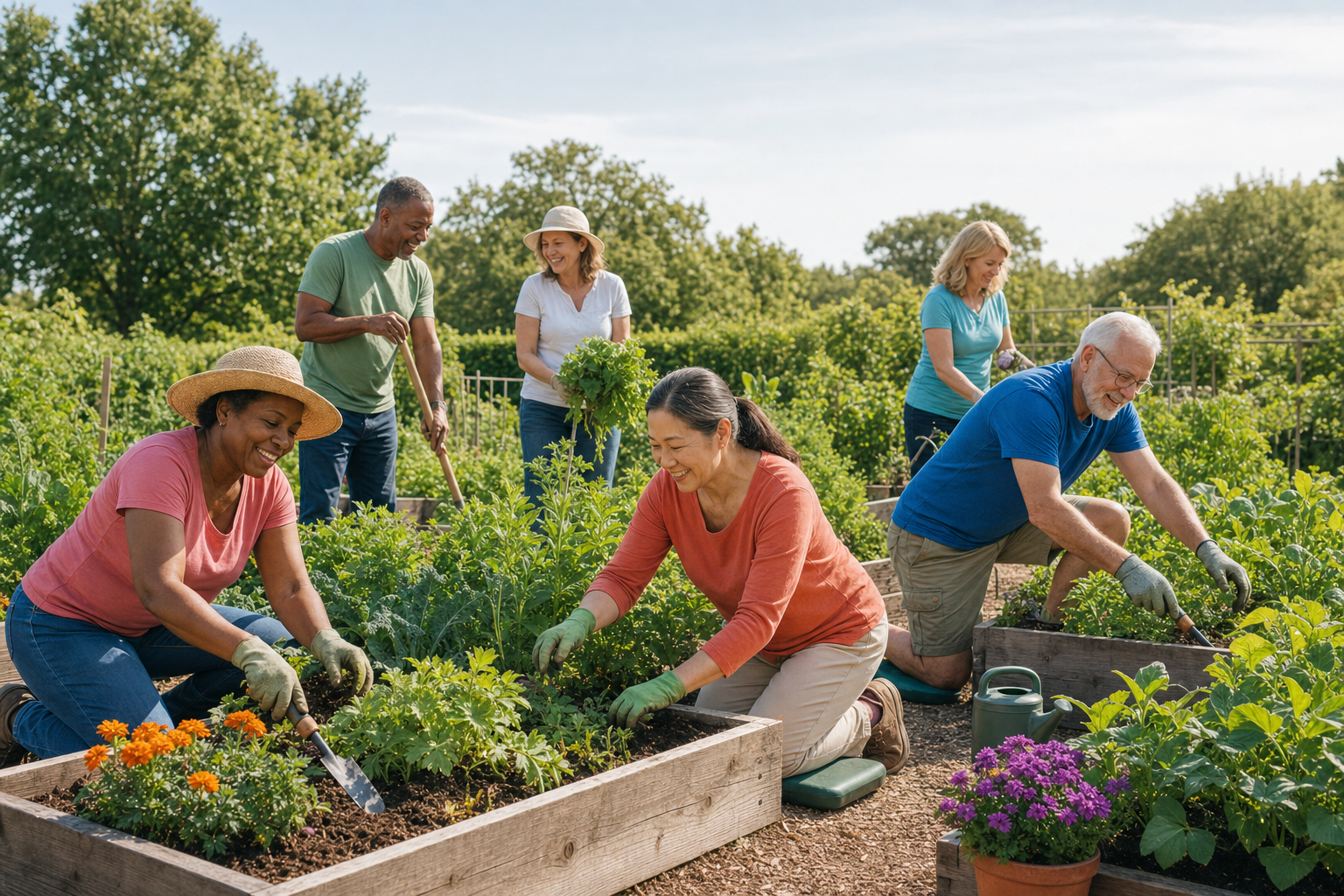
9 Honest Strategies to Protect Your Joints While Gardening (Yes, I Use These Myself)
1. Warm Up Like You Would for Exercise
I know most folks roll their eyes at this, but hear me out. Gardening IS exercise—your joints don’t care if you’re lifting a dumbbell or a bag of mulch. Light stretching, gentle wrist and knee circles, and a brisk walk around the yard for five minutes can wake up synovial fluid and prep your muscles. I do ankle pumps and wrist flexes every spring before I even touch a trowel.
2. Upgrade to Raised Beds (Or Bring the Plants to You)
If you have back or knee issues, raised beds are a game-changer. No deep squats, no kneeling. Aim for a height that allows seated or standing work—usually 28-36 inches. And if you’re container gardening? Elevate pots onto benches or sturdy tables to keep them within easy reach. One of my clients in her mid-60s put all her tomatoes in 30-inch-high planters last year and called it "the best decision she’d made since buying a convertible."
3. Use Ergonomic Tools (Your Hands Will Thank You)
This is a hill I’ll die on. Standard garden tools are designed for 25-year-old hands. Look for tools with thick, padded handles—these reduce grip force and spread load across more joints. Brands like Radius or Fiskars make excellent options. Long-handled weeders and trowels can spare your back and shoulders, too. I tell folks: If a tool hurts to hold, it’s not the right tool for you.
4. Don’t Kneel on Bare Ground—Ever
This sounds minor, but kneeling directly on the ground can compress the patella (kneecap) and inflame bursae faster than you’d think. I recommend a thick garden kneeler or pad—at least 1.5 inches of memory foam is ideal. Some folks prefer those kneeling benches that flip into seats. Use what works, but ditch the bare knees. My knees haven’t felt the inside of a daisy patch since 2016.
5. Take Frequent Micro-Breaks (Set a Timer If You Have To)
Here’s something I rarely see in mainstream advice: Set a timer for every 20-30 minutes. Change positions, walk around, hydrate, and do a few gentle stretches. The human body wasn’t designed for static flexion (think: crouching or squatting) for long periods. Micro-breaks cut joint inflammation dramatically, according to a 2022 review in Musculoskeletal Science & Practice.
6. Invest in Compression and Support Gear (Not Just for Athletes)
This one’s a bit controversial, but I’ll stand by it: Compression sleeves and supportive braces are not just for injuries. They offer real, measurable benefits—improved proprioception, joint warmth, and reduced swelling after long hours outside. I’ve seen dozens of gardening enthusiasts get back to pain-free planting after adding a knee sleeve or wrist brace to their toolkit.
For example, I recommend the Modvel Compression Knee Brace for folks with mild instability or a history of swelling. (Comes as a pair, so you can swap them out as one gets dirty. And over 75,000 people have reviewed them, which frankly is wild.) Don’t assume gear is just for the pros—it’s for anyone who wants to give their knees a fighting chance.
7. Listen to Pain—It’s Not Just Normal Wear and Tear
Pain isn’t the tax you pay for outdoor fun; it’s your body waving a red flag. Soreness that fades quickly is normal, but sharp, persistent, or swelling pain should be addressed. If a joint puffs up, turns red, or locks, call your provider. And if you have a known diagnosis (rheumatoid arthritis, osteoarthritis, etc.), have an honest check-in about your activity plan before garden season ramps up.
8. Try Topical Relief—Menthol-Based Roll-Ons Work Fast
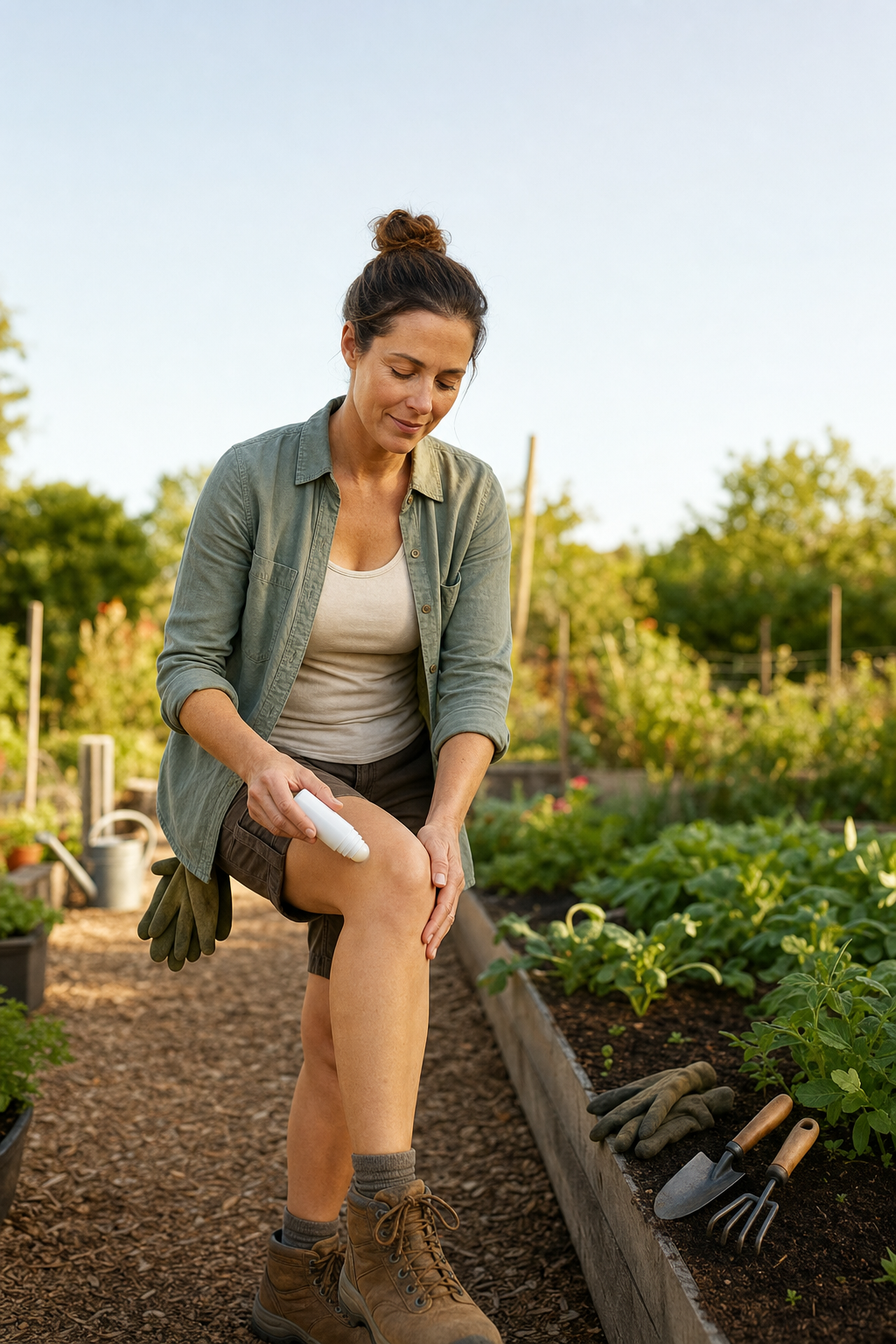
This is where I get practical. I keep a bottle of Biofreeze Roll On in my garage, right next to the gardening gloves. Why? Because menthol-based topicals like this can interrupt pain signals (via the gate control theory—if you want the neuroscience behind it) and cool down hot spots fast. Biofreeze is a professional favorite for a reason: it’s not greasy, easy to apply, and works in about 10 minutes. A reader actually emailed last season to say she started using it on her wrists before AND after pulling weeds, and saw a real difference.
9. Support Your Joints From the Inside Out
Supplements get a lot of hype—sometimes deserved, often overblown. But the evidence for glucosamine and chondroitin is pretty solid for the right person. The 2016 GAIT trial (NEJM) showed that 1,500mg glucosamine sulfate + 1,200mg chondroitin daily can help with moderate to severe knee pain, especially if you don’t tolerate NSAIDs. I usually steer folks toward trusted brands like Nature Made, since they’re USP verified and easy to find. That said, always check with your physician—especially if you’re on blood thinners or have chronic conditions. Supplements are tools, not miracle cures.
Comparing Joint-Friendly Gardening Solutions: What Actually Works?
Here’s the tough love: The best plan is the one you’ll actually stick with. I’ve seen folks spend hundreds on ergonomic tools but revert to old habits by June. Others make one change—like raised beds or a simple knee pad—and see huge improvements. A few honest comparisons:
- Knee pads vs. full knee braces: Pads are great for prevention if you have mild discomfort, while braces provide stability during longer, tougher sessions or if you already have pain or swelling.
- Topicals vs. oral pain relievers: Topicals (like menthol roll-ons) provide fast, targeted relief without systemic side effects. Oral NSAIDs can help, but talk to your doctor first—especially if you have gut, kidney, or heart concerns.
- Compression sleeves vs. nothing: Research (2022, International Orthopaedics) shows compression sleeves decrease perceived knee pain and improve endurance in osteoarthritis patients during activity.
Look, you don’t need to overhaul your entire gardening routine in one weekend. Even small tweaks—swapping out a too-thin kneeling pad, setting a phone timer for breaks, or using a compression sleeve—can add up. It’s about making your body (and the garden) last through the seasons.
Fresh Takeaways (That Most Gardening Guides Skip)
- Hydration isn’t just for summer: Dehydrated joints are stiffer and more injury-prone. Keep a water bottle handy, even on cloudy days.
- Ditch the hero mentality: The fastest way to a blown-out knee is thinking you’re 20 years younger. No shame in slow and steady.
- Rotate tasks: Don’t weed for two hours straight. Alternate between different movements to avoid repeat strain.
- Keep an eye on swelling: Any joint that swells noticeably after gardening means it’s time to reassess your approach (and maybe bring up the issue with your provider).
Gardening for Life, Not Just for Spring
Here’s the thing: Gardening should be about joy, not joint pain. With a little planning (and, yes, a couple of smart products), you can keep planting, pruning, and potting for decades. The aches don’t have to be part of the tradition your grandkids inherit. If you take away one thing, let it be this: Listen to your body, make small changes early, and never apologize for using all the support you need—whether it’s a raised bed or a roll-on pain reliever.
If you’re heading out to the yard this weekend, start with one of these tips. Your joints will thank you in July—and for many summers to come.
Stay strong, stay curious, and keep growing—
Dr. Michael Torres, DC
Chiropractor & Nutrition Counselor, JointReliefReviews.com