How to Protect Joints While Gardening: Real Strategies That Work
Last spring, I watched my neighbor, Lucille—a sprightly 72-year-old—kneeling in her flower beds at 8 a.m., pruning, planting, humming along with her radio. By 2 p.m., she was limping to her mailbox, wincing with each step. When I asked her about it, she shrugged: "It’s just part of gardening, isn’t it?" But here's the thing: it doesn’t have to be.
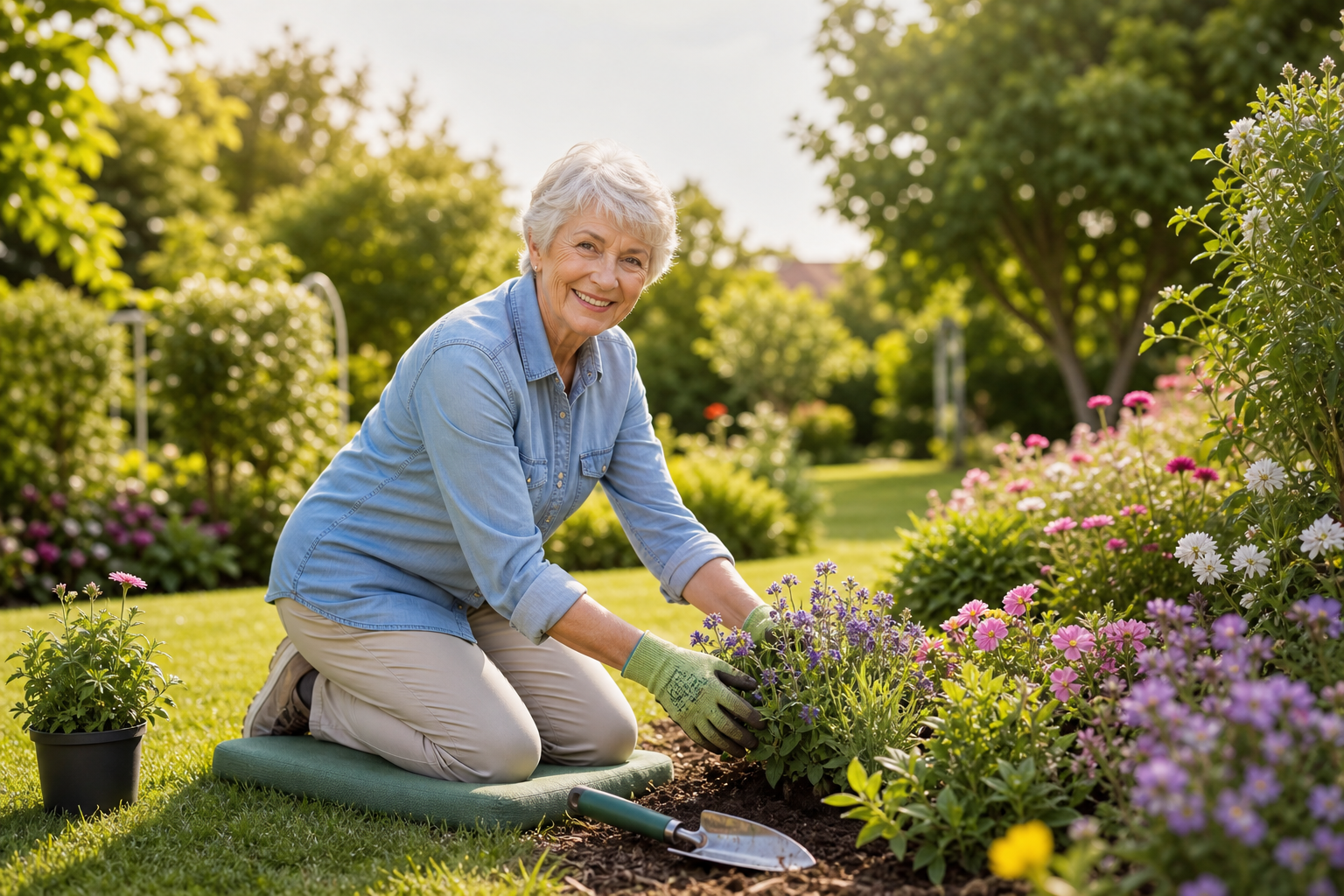
If you’re reading this, odds are you know how gardening can both soothe the soul and batter the body—especially your joints. I’ve covered joint health for decades, and I promise: joint pain isn’t an inevitable part of working in the dirt. There are smart, proven ways to keep your knees, hips, wrists, and fingers happy—even after a weekend spent wrangling weeds and hauling mulch.
The Not-So-Glamorous Side of Gardening
Let’s be honest: gardening is sneaky. It doesn’t look like a contact sport, but after a morning of tugging at stubborn roots, your knees creak and your knuckles throb. A 2021 survey from the Arthritis Foundation reported that over 65% of regular gardeners experience some form of joint discomfort during or after gardening. And if you’re nodding along, you’re not alone.
The main culprits? Repetitive motions (think clipping, digging, raking), awkward positions (kneeling, squatting, crouching), and that classic mistake—"just one more hour" when your body’s begging for a break. It adds up, especially for those of us with osteoarthritis, rheumatoid arthritis, or a history of joint injuries. And let's not even talk about those heavy watering cans.
But you don’t have to choose between your garden and your joints. Here’s what works—backed by research, patient stories, and many muddy afternoons of trial and error.
Understanding the Science: How Gardening Impacts Joints
So, what’s really happening in your body during those long stretches in the garden? In my years reporting on joint health for Arthritis Today and Everyday Health, I’ve seen a few patterns.
- Wear and Tear (Osteoarthritis): Knees and hands bear the brunt, especially with kneeling and repetitive hand tools. Cartilage—your joint’s natural shock absorber—gets worn down by constant pressure and microtrauma. Over time, it leads to that familiar bone-on-bone crunchiness.
- Inflammation: Even short bursts of overuse can trigger inflammatory flares in those with conditions like RA. A 2020 study in Arthritis & Rheumatology found gardening triggered hand swelling in 22% of rheumatoid arthritis patients within a 24-hour window.
- Soft Tissue Strain: Muscles, tendons, and ligaments support every dig and squat. But prolonged crouching or sudden twists can leave them sore—or worse, injured.
And here’s the real kicker—most people don’t notice the damage until later. That’s why prevention is so much smarter than waiting for pain to show up.
Protect Your Joints: Strategies That Actually Make a Difference
1. Start Smart: Warm Up (Yes, Really)
This sounds obvious, but almost nobody does it. Five minutes of gentle joint “waking up”—wrist circles, ankle rolls, a brisk walk around the block—can reduce injury risk. A 2019 BMJ review found that warm-ups cut musculoskeletal injury rates by up to 30% in older adults tackling physical tasks.
2. Use the Right Gear—It Matters
Here's where I get a bit opinionated: cheap, thin kneeling pads are not your friend. Invest in a thick, high-density pad (at least 2 inches)—your knees will thank you. And gardening gloves with proper wrist support can make a world of difference for arthritic hands.
For my own knees (which, post-meniscus surgery, complain at the drop of a hat), I rely on compression sleeves for longer tasks. I personally use the Modvel Compression Knee Brace. It’s wildly popular (over 75,000 reviews online), and—importantly—sold as a pair, because both knees usually need support. The anti-slip silicone strips actually work, too. Not gonna lie, they saved me last May during an ill-advised mulch-hauling marathon.
3. Change Positions—Often
I know the temptation. "I'll just weed this whole bed before I stand up." But studies show it’s the duration of static joint loading that leads to micro-injuries—not just the movement itself. Set a timer for 20-30 minutes, then switch tasks or stand and stretch. Trust me, your knees and hips will last much longer.
4. Embrace Tools That Make Life Easier
Look, garden tools have come a long way since my grandma's rusty trowel. There’s no shame in using long-handled weeders, padded pruners, or elevated beds. Tools with ergonomic grips reduce the force your fingers and wrists need to exert—something the Journal of Rheumatology highlighted in a 2022 study showing up to 40% less grip strain with wide-handled tools.
5. Lift Smart—Your Back and Hips Need Love Too
Heavy pots? Bags of soil? Bending at the waist is a recipe for lower back pain. Always bend your knees, keep the load close, and—if possible—split heavy jobs into smaller, more manageable trips. I keep a lightweight wheelbarrow handy for exactly this reason.
Managing Soreness: What to Do When (Not If) It Happens
No matter how careful you are, some days those joints just act up. My personal toolkit for post-gardening aches includes three things—heat, topical relief, and, yes, the occasional supplement.
Heat Therapy: Old School but Effective
Applying heat to sore joints increases blood flow and relaxes tight muscles. After a stubborn weeding session, I’ll drape an XL moist heating pad over my knees for 20 minutes while I sip tea. The Pure Enrichment PureRelief XL Heating Pad is my go-to. It’s extra-large (seriously, it covers both knees at once), has a moist heat setting, and—crucially—an auto shut-off so I don’t nod off and cook my shins. This is not your drugstore $10 heat patch; the difference is real.
Fast-Acting Topical Pain Relief
I’ll be honest—I was skeptical about menthol-based roll-ons until I had a week of back-to-back garden cleanup and deadlines. Enter Biofreeze Roll On. It’s a staple in many physical therapists’ offices for a reason. You roll it directly onto sore wrists or knees, and it delivers a cold punch that drowns out the pain for a surprisingly long time. Is it a cure? No. But as a bridge to bedtime—or until the ibuprofen kicks in—it’s a game-changer.
Supplements: Proceed with Caution
This is a controversial one. Glucosamine, chondroitin, MSM—you’ve heard the claims. And honestly? The research is mixed. The 2016 MOVE trial (one of the largest ever) found that 1500mg glucosamine sulfate with 1200mg chondroitin had mild-to-moderate benefits for knee osteoarthritis, but not everyone responds. If you want to try a supplement, look for USP-verified brands—and always clear it with your doctor, especially if you’re on other meds. I recommend Nature Made's Glucosamine Chondroitin Complex with MSM for its third-party testing, but don't expect miracles.
Deep Dive: What the Latest Research Says About Gardening and Joint Health
Here’s where it gets interesting. Contrary to what some people fear, moderate gardening—done with proper technique—can actually be good for joint health. A 2023 meta-analysis in Age and Ageing showed that active gardeners had lower rates of functional decline and arthritis progression compared to their sedentary peers, partly due to increased muscular support around joints.
But—and this is a big but—frequency and technique matter. Daily gentle engagement is better than a once-a-week six-hour weed-pulling spree. The body thrives on consistency and moderation.
Another study out of Sweden (2021, Scandinavian Journal of Rheumatology) found that gardeners who used ergonomic tools and practiced regular stretching had 33% fewer musculoskeletal complaints than those who stuck to traditional methods. It's compelling data that aligns with what I've seen in the field—and in my own backyard.
Simple Lifestyle Tweaks for Long-Term Joint Protection
- Raised Beds = Less Bending: If you struggle with your back or knees, invest in (or build) raised beds. They bring the soil to you—not the other way around.
- Pace Yourself: Split big jobs into daily 30-minute chunks. Not only does this reduce strain, but it also keeps gardening fun, not punishing.
- Hydrate and Refuel: Dehydrated joints are cranky joints. I keep a water bottle parked next to my trowel, and a bowl of nuts for quick protein.
- Listen to Your Body: This is the tip most people ignore. If something hurts, stop. The weeds will still be there tomorrow—I promise.
What Most Articles Won’t Tell You
Most gardening advice skips the joint health part or glosses over it. The truth is, protecting your joints is an ongoing project, much like tending a garden itself. Some strategies that work wonders for one person won’t work for another, and that’s okay. Tweak, adapt, and above all—don’t let pride push you past your limits. I’ve had to learn this the hard way (multiple times). It’s stubbornness, not strength, that leads to injury.
And if you’re worried about looking "old" or "weak" with braces or ergonomic tools? Please—your future self will thank you. I remember when my mother-in-law first tried compression sleeves for her aching knees; she was embarrassed at first, but now swears by them and even coordinates her gardening outfit around them. Priorities, right?
Takeaways: Protect Your Joints, Love Your Garden
Gardening should be a source of joy, not regret. With smarter habits—warm-ups, frequent breaks, ergonomic tools, and (when needed) targeted supports and pain relief—you can keep your body as happy as your hydrangeas. If you try even two or three of the tips above, I’m confident you’ll notice a difference this season.
And if you need that little extra help—a good knee brace for support, a soothing heating pad for sore days, or Biofreeze for quick pain relief—they’re all tools in the shed, not crutches to be ashamed of.
Above all, keep listening to your body, keep learning, and keep growing—inside and outside the garden. Questions, stories, or tips of your own? I’d love to hear from you. Until next time, happy (and pain-free) gardening!
— Karen Whitfield, health journalist and joint health advocate