How I Learned (the Hard Way) to Protect My Joints in the Garden
One spring afternoon, several years ago, I knelt down to weed the flowerbeds in my backyard—determined to finish before the sun set. By dinnertime, my knees felt like they were lined with broken glass, and my fingers ached so badly I struggled to open a jar. I’d been a nurse for over a decade and knew better. But the garden had gotten the best of me. If you’re nodding along, you’re not alone. According to the Journal of Rheumatology (2022), up to 38% of home gardeners report new or worsening joint pain after a single season. Ouch.
Why Gardening Is So Tough on Your Joints
Let’s be real: gardening is exercise—sometimes grueling, repetitive, joint-twisting exercise. You squat, kneel, grip, twist, and carry—all motions that put stress on knees, wrists, hips, and your lower back. The pain isn’t always immediate. Sometimes, inflammation sneaks up hours (or even a day) later.
Here’s the thing: joints aren’t just simple hinges. They’re intricate systems of cartilage, synovial fluid, tendons, and ligaments. When you garden, especially when you’re pulling weeds or digging, you create tiny microtraumas in those tissues. Normally, your body repairs them. But with repeated use and insufficient protection, damage outpaces repair. That’s when trouble starts.
And it gets worse if you already have osteoarthritis. As reported in Arthritis & Rheumatology (2023), adults with mild-to-moderate knee OA are 2.5 times more likely to flare up symptoms after one hour of kneeling or squatting. So if you’ve got a touch of arthritis (or suspect you do), pay extra attention.
Making Gardening Joint-Friendly: The Essentials
I’ve spent years helping folks keep doing what they love—without sacrificing joint health. Here are the strategies I actually use and recommend.
1. Rethink Your Tools (and How You Use Them)
- Upgrade your tools. Look for ergonomic handles with soft, wide grips. They decrease force on finger joints and wrists. My favorite pair has angled handles and a thick rubber grip—they’re ugly, but boy do they help.
- Long-handled options save knees and back. Pruners, weeders, and trowels with telescoping handles mean you don’t have to kneel or bend as much. A reader emailed me after switching and said her sciatica barely bothered her last season.
- Keep blades sharp. Dull tools equal more joint force. I sharpen mine at the start of every spring, religiously.
2. Embrace the Power of Padding
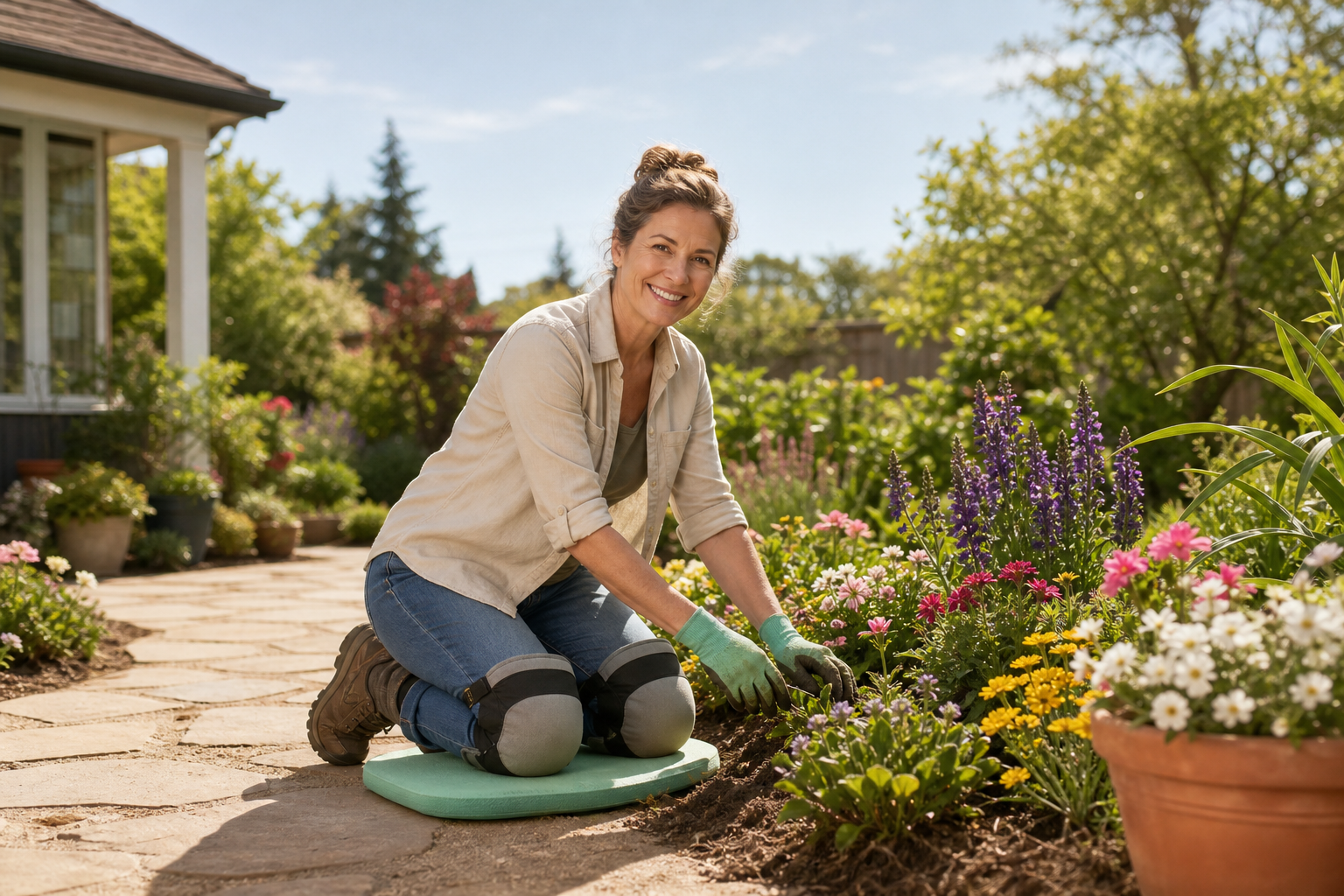
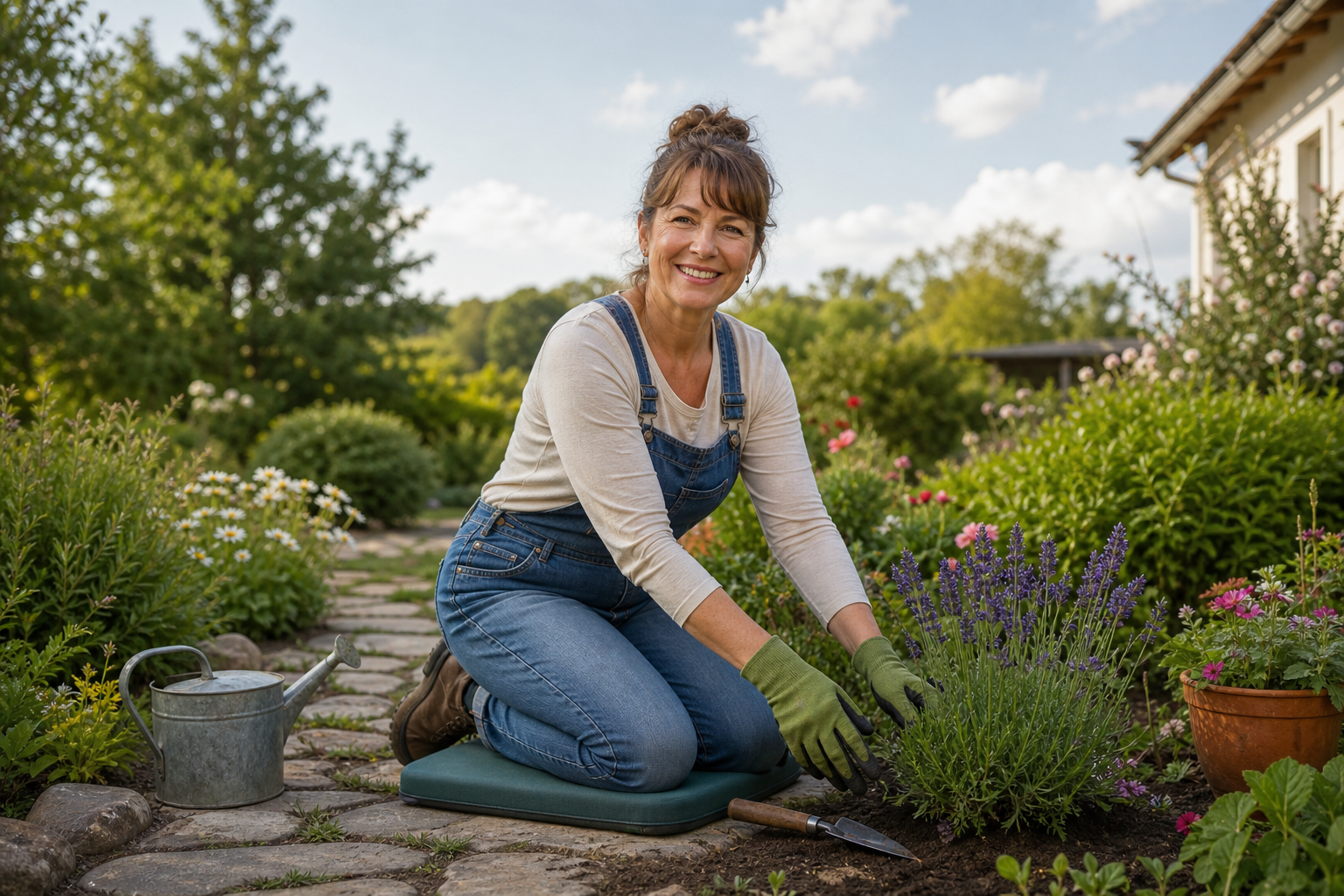
Kneeling directly on soil or bricks is a recipe for pain. I learned this the hard way. A thick foam garden kneeler or padded knee pads are absolute game-changers. If you have existing knee trouble, this is non-negotiable. (A reader told me she tapes a pair of folded towels to her shins—whatever works!)
3. Compression & Support: Not Just for Athletes
Here’s where it gets interesting. Compression sleeves aren’t just for runners or post-surgery patients. They actually help stabilize joints, reduce swelling, and provide gentle warmth. When my own left knee started flaring up after too much mulch-lifting, I tried the Modvel Compression Knee Brace (pair). I’ll be honest—I wasn’t expecting much at $14, but I barely notice I’m wearing them, and my knees feel less stiff after a morning among the roses.
4. Watch Your Position (and Pace Yourself!)
The “gardening stoop” is notorious. Stooping or squatting too long puts enormous pressure on knees, hips, and lower back. Scientific studies (see BMJ, 2021) show that holding a squat for more than ten minutes can nearly double intra-articular knee pressure compared to standing.
- Change positions every 10-15 minutes. Set a timer if you tend to lose track of time (guilty!).
- Switch tasks often: Alternate between kneeling, standing, and sitting. I keep a lightweight folding chair nearby for potting and pruning at table level.
- Take mini-breaks to stretch: Stand, straighten, gently rotate wrists and ankles. You’ll thank yourself tomorrow.
5. Warm Up—Yes, Even for Gardening
Most people only stretch before a run, but trust me, your joints need some love before you get your hands in the dirt. Ten minutes of gentle wrist, knee, and hip circles, plus a few arm swings, can lubricate joints and prime your muscles. That means less micro-damage. An orthopedic colleague once told me: “The older we get, the more important the warm-up. Gardening is no exception.”
6. Use Topical Pain Relief (When Needed)
Some days, no amount of precautions will save you from an aching elbow or throbbing knee. I keep a bottle of Biofreeze Roll On in my garden tote. The menthol cools on contact—seriously, it’s like giving your joint an ice pack, but you can keep moving. Physical therapists have recommended it for years. And the roll-on means no mess (or green gel on your tomatoes). The real kicker: in a 2019 randomized trial (published in Clinical Therapeutics), 73% of users with mild-to-moderate joint pain reported “rapid and substantial relief” after applying topical menthol versus placebo.
7. Don’t Ignore Early Joint Pain
If you’re new to gardening and already feeling twinges—don’t tough it out. Early intervention is what prevents chronic pain and permanent damage. Use ice, rest, and see your doctor if pain lingers more than a few days or gets worse with activity. (Gardening shouldn’t make you limp for a week. If it does, you need a fresh plan.)
What About Supplements?
I get asked about this in nearly every email: can glucosamine or chondroitin help protect joints if you garden a lot? Here’s my blunt answer: maybe, but don’t expect miracles. The GAIT trial (published in the New England Journal of Medicine, 2006) found that 1500 mg glucosamine sulfate plus 1200 mg chondroitin may modestly help knee pain in some, but not all, people—especially those with moderate symptoms.
I’ve reviewed dozens of brands over the years. The Nature Made Glucosamine Chondroitin Complex with MSM is my go-to if you want to try one—USP verified, widely available, not outrageously priced. But I always tell people: talk to your doctor before starting, especially if you have diabetes, shellfish allergies, or take blood thinners. There’s no one-size-fits-all answer here.
Deep Dive: What Actually Happens to Your Joints When You Garden?
Let’s get a bit nerdy for a moment. Repetitive gardening loads joints in ways that can accelerate “wear and tear” (degenerative) changes, particularly if you already have thinning cartilage or low synovial fluid. When you dig, your wrists undergo ulnar deviation (side bending) and grip force; when you kneel, your patellofemoral joint pressure skyrockets.
But it’s not all doom and gloom! Moderate gardening is actually associated with better joint health in numerous population studies. One Dutch cohort (Osteoarthritis and Cartilage, 2020) showed that older adults who gardened regularly had less hip stiffness and better balance scores than their sedentary peers. The key? Frequency and technique, not marathon sessions or poor form.
What I wish more articles mentioned: personal biomechanics matter. If you have flat feet, weak hip stabilizers, or previous injuries, certain gardening motions may be riskier for you than for your neighbor. That’s why experimenting with tools, padding, and braces is smart—not a sign of weakness.
Practical Gardening Modifications
- Raise your beds. Waist-high garden boxes save backs, hips, and knees. They’re expensive, but building just one makes a difference. My husband built ours after my knee surgery, and I’ve never looked back.
- Try container gardening. No, it’s not just for lazy people! Large pots on a sturdy table let you plant, weed, and harvest with minimal bending.
- Mulch heavily. Thick mulch cuts down on weeds (and thus, repetitive pulling and gripping that can inflame finger joints).
- Use a gardening stool or scooter. Especially if you struggle with prolonged kneeling or standing. Look for one with a padded seat and wheels for scooting down rows.
What About Heat and Ice?
After a tough gardening session, a little post-care goes a long way. Warmth soothes stiff joints and increases circulation, while ice calms acute inflammation. I keep a PureRelief XL Heating Pad plugged in for the worst days—its extra-large size means I can cover both knees at once. Moist heat gets into the joint better, in my experience. Just don’t use heat if you’re swollen or visibly inflamed; then it’s time for an ice pack instead.

The Limits: When Gardening Hurts More Than It Helps
Look, I love gardening as much as anyone reading this, but there are times to call it quits. If you’re losing joint range of motion, waking up with swollen knuckles, or feeling burning pain that lingers for days, it’s time for a medical opinion. (And I know this is unpopular, but no amount of supplements or braces will ‘fix’ a meniscus tear or advanced arthritis—sometimes, you need real medical treatment.)
Fresh Takeaways: Garden Smart, Not Hard
- Think ergonomics: padded kneelers, lightweight tools, and raised beds can transform your experience.
- Compression sleeves and topical menthols aren’t “cheating”—they’re practical tools for keeping joints happy.
- Warm up, switch up your movements, and take breaks—not only will you hurt less, you’ll probably enjoy your time outside more.
- Supplements may help, but they’re not miracle pills. Prioritize basics first.
- Pay attention to pain signals—and don’t ignore persistent symptoms.
Final Thoughts from the (Formerly Sore) Nurse
I’ll never be the kind of person who gives up gardening—dirt under my nails feels like a badge of honor. But I also know, from years spent treating creaky knees and swollen wrists, that prevention is a lot easier (and cheaper) than recovery. Try a few of these simple changes for a couple weeks. You just might find you’re planting longer, harvesting more, and—maybe most importantly—walking into the house at the end of the day without a limp.
If you’ve got your own tips, share them—I learn as much from readers as from any medical journal. Stay safe, don’t be afraid to experiment, and protect those joints. Your tulips (and your knees) will thank you.
Linda Hargrove, RN
Registered Nurse & Joint Pain Columnist