
Heat vs Cold Therapy for Joint Pain: What Actually Works (and When to Use Each)
I can still picture my dad, knee wrapped in a tired old heating pad, reading the paper and wincing every time he shifted in his armchair. "Should I use ice instead?" he’d ask, more out of habit than hope. If you’ve wondered the same thing, you’re in good company. “Heat or cold—what’s better for my joints?” I get this question at least once a week, usually from readers who are tired (literally and figuratively) of nagging pain. The real kicker? Most articles just give you a vague answer, or worse, leave you more confused than before.

The Daily Struggle: Not Just Sore, But Stuck
I know firsthand how relentless joint pain can feel—especially if you’re over 50. Tight knees in the morning, stiff fingers after gardening, or that dull hip ache that flares when the weather changes. And while joint pain might seem like a small annoyance to some, anyone living with it knows it can affect almost everything: sleep, mobility, even your mood. My mother-in-law once told me her hands hurt so much she stopped making her famous dumplings for family gatherings. That’s the sneaky power of joint pain—it sneaks into the corners of your life and robs you of the little joys.
So, Which One Is It: Heat or Cold?
Here’s the thing: There isn’t a one-size-fits-all answer. But that doesn’t mean we’re flying blind. Over the years, research—and a lot of trial and error—has helped clarify when you should reach for the ice pack and when you should plug in the heating pad. I’ve spent a good chunk of my career sorting through studies, listening to patients, and (occasionally) playing guinea pig myself.
Breaking Down the Science: How Heat and Cold Actually Work
Let’s start with the basics. Both heat and cold therapy are considered "modality treatments," which is just a fancy way of saying they’re physical techniques used to reduce pain or inflammation. But their mechanisms are distinctly different.
- Heat therapy (think: warm packs, hot baths, electric heating pads) works by increasing blood flow, relaxing tight muscles, and making connective tissue more flexible. The Journal of Rheumatology (2017) published a meta-analysis showing heat can improve range of motion and decrease pain, especially in chronic conditions like osteoarthritis.
- Cold therapy (ice packs, gel packs, even a bag of frozen peas—don’t judge) reduces blood flow, numbs nerve endings, and suppresses inflammation. According to a 2018 review in BMJ Open Sport & Exercise Medicine, cold is particularly effective for acute injuries and swelling.
But it’s not always that clear-cut. The body is complex, and so is pain. Sometimes, what works wonders for one joint (or one person) fizzles for another.
When to Use Cold Therapy: Acute Flares and Inflammation
If you’ve twisted your ankle, just finished a tough workout, or your knee is suddenly swollen and warm—reach for the cold. Here’s why: Cold therapy constricts blood vessels, which helps decrease swelling and dulls those overactive pain signals racing to your brain. That’s why pro athletes ice their knees after a game, and why ER docs always keep the ice packs handy.
Research backs this up. A 2019 study in Arthritis & Rheumatology found that icing joints after activity reduced swelling and improved recovery time in arthritis patients. The classic “20-minutes-on, 40-minutes-off” rule still holds up, though be careful: direct ice contact can irritate skin, especially if you’re over 60 and your skin is thinner.
When to Use Heat Therapy: Chronic Stiffness and Tension
Heat shines for those long-standing, achy, stiff mornings or tight muscles from overuse. If your hands are stiff after rest or your back feels locked after gardening, heat is usually the winner. It literally melts tension by boosting circulation and making connective tissue more pliable.
Several clinical trials (including a robust 2018 review in the Journal of Clinical Rheumatology) found heat therapy significantly improved pain and function in people with knee osteoarthritis. My own clients report that using a large heating pad before stretching makes movement feel safer and easier. And moist heat—like a hot shower or heating pad with a water reservoir—tends to penetrate deeper, providing better relief for some.
One extra note: Some heating pads now offer both dry and moist heat settings. If you’ve never tried a modern model, the Pure Enrichment PureRelief XL Heating Pad has become a go-to in my own household (and yes, the auto-shutoff is a relationship-saver if you tend to nod off during movie night).
Is It Ever Okay to Use Both?
Honestly, sometimes alternating heat and cold yields the best results. It’s called "contrast therapy," and there’s some support for it in the sports medicine world. The idea is to use cold to reduce swelling at first, then switch to heat to relax muscles and restore mobility once the acute phase passes. A 2021 pilot study in Physical Therapy in Sport found that contrast therapy improved short-term pain and function in people with knee arthritis.
But don’t overcomplicate it. If you find one method helps more, stick with it. Pain management is as much about trial and error as it is about science. Your body will tell you what it likes—just give it a chance to experiment (and talk to your doctor before trying something new, especially if you have circulatory issues, diabetes, or nerve problems).
What About Chronic Joint Conditions Like Arthritis?
I’ll be blunt: chronic joint pain is a marathon, not a sprint. For osteoarthritis, rheumatoid arthritis, and similar conditions, gentle heat often helps most with daily stiffness, while cold is better for sudden flares. Several of my long-term clients rotate between the two—heat in the morning to get moving, a cold pack after a walk if things start to swell. The Arthritis Foundation actually encourages this approach.
And—here’s my unpopular opinion—don’t buy into expensive therapy gadgets right off the bat. Devices that cost hundreds of dollars rarely outperform a well-made heating pad or a ten-dollar ice pack. Save your money for things that truly help, like physical therapy or high-quality supplements with real evidence behind them.
How to Use Heat and Cold Safely: My Unfiltered Tips
- For Heat: Stick to 15-20 minutes at a time. Never use heat if the joint is red, inflamed, or hot to the touch—this can make things worse. And please, don’t fall asleep with a heating pad (I’ve seen one too many toasted socks in my day).
- For Cold: Always wrap ice packs in a towel or cloth—never place directly on skin. Watch for numbness or skin discoloration (that’s your sign to stop). Twenty minutes is usually plenty.
- Movement Matters: Heat and cold are tools, not cures. Use them alongside gentle exercise, stretching, or massage for best results. A book I often recommend, Treat Your Own Knees, lays out simple, research-backed routines for keeping joints mobile (and it’s way cheaper than my grad school textbooks).
Which Joints Respond Best to Each?
This is where things get interesting. Knees and shoulders tend to respond well to both heat and cold—use heat for stiffness, cold for swelling. Fingers and wrists are more finicky; I’ve found paraffin wax baths (a moist heat method) work wonders for hand arthritis, but always test temperature carefully. Hips, being deep joints, often need a larger heating pad or a long soak in the tub for the warmth to penetrate.
Don’t forget: If your pain is sharp, burning, or suddenly much worse than usual, check in with a doctor. I’ve seen rare cases where what looks like a "normal" flare is actually something more serious, like gout or infection.
How Do You Know What’s Working?
If you’re nodding along, you’re not alone: "How the heck do I know if this is helping?" is the million-dollar question. Here’s my take: Track your pain and stiffness before and after using heat or cold, even just with a quick 1-10 rating. If you see consistent improvement, you’re on the right track. No change after a week or two? Time to try something different—or loop in your physician or physical therapist for ideas.
And I’ll be honest—I was skeptical about some of the newer, XL-sized heating pads until I actually tested one during a long stretch of rainy Portland weather. The Pure Enrichment PureRelief XL Heating Pad (yes, that’s two mentions, but it’s truly sized for real bodies) became my go-to during those damp, achy weeks.
What If Heat and Cold Don’t Cut It?
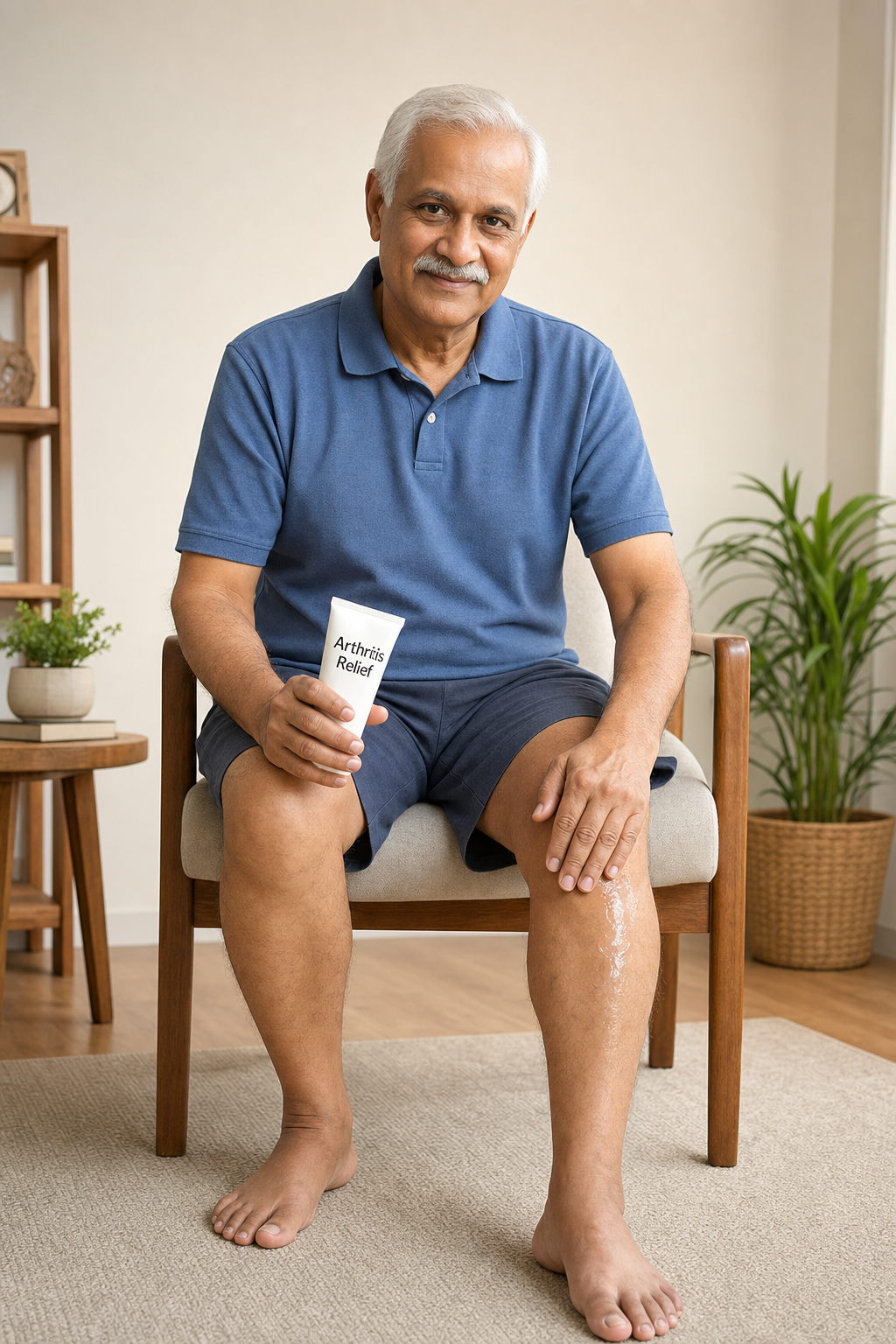
No therapy is magic. If neither method provides lasting relief, it’s time to look at your full pain-management toolkit. Over-the-counter topicals like Voltaren Arthritis Pain Gel (diclofenac sodium) have solid clinical support—according to a 2020 BMJ study, they outperform placebo for arthritis pain without the side effects of oral NSAIDs. And while supplements can be hit-or-miss, some (like glucosamine, chondroitin, and turmeric) are worth discussing with your doctor, especially if you’re not getting the relief you need from lifestyle changes.
What Most Articles Won’t Tell You
Here’s where I’ll stick my neck out: Most popular sites recycle the same heat-vs-cold talking points. But the truth is, the "right" answer depends heavily on how your body responds, your diagnosis, and—let’s be honest—what you’re actually willing to do. I’ve met clients who swore by daily ice baths, and others who couldn’t stand the chill for more than 30 seconds. The science is strong, but it’s not the only factor in your decision.
Simple Takeaways (That Actually Make Life Easier)
- If it’s swollen, red, or freshly injured—use cold.
- If it’s stiff, achy, or tense—use heat.
- Alternate carefully (contrast therapy) for stubborn pain, but don’t overthink it.
- Always protect your skin and follow package instructions—especially if using a new heating pad or topical gel.
- Movement, strength, and flexibility are just as important—use heat or cold to enable gentle activity, not as your only solution.
- If pain worsens, or you see swelling that won’t go away, talk to your doc. There’s no shame in asking for help.
Wrapping Up: The Best Therapy Is the One That Fits Your Life
I wish I could hand you a gold-plated answer, but real pain relief is personal. Start small, listen to your body, and adjust as you go—don’t be afraid to experiment within safe limits. And if you’re as skeptical as I used to be, borrow a friend’s heating pad, or raid your freezer for that ancient bag of peas. You might just be surprised at what works.
Stay curious (and gentle with yourself),
James Chen, MS, CSCS
Physical Therapist, Joint Health Columnist
JointReliefReviews.com