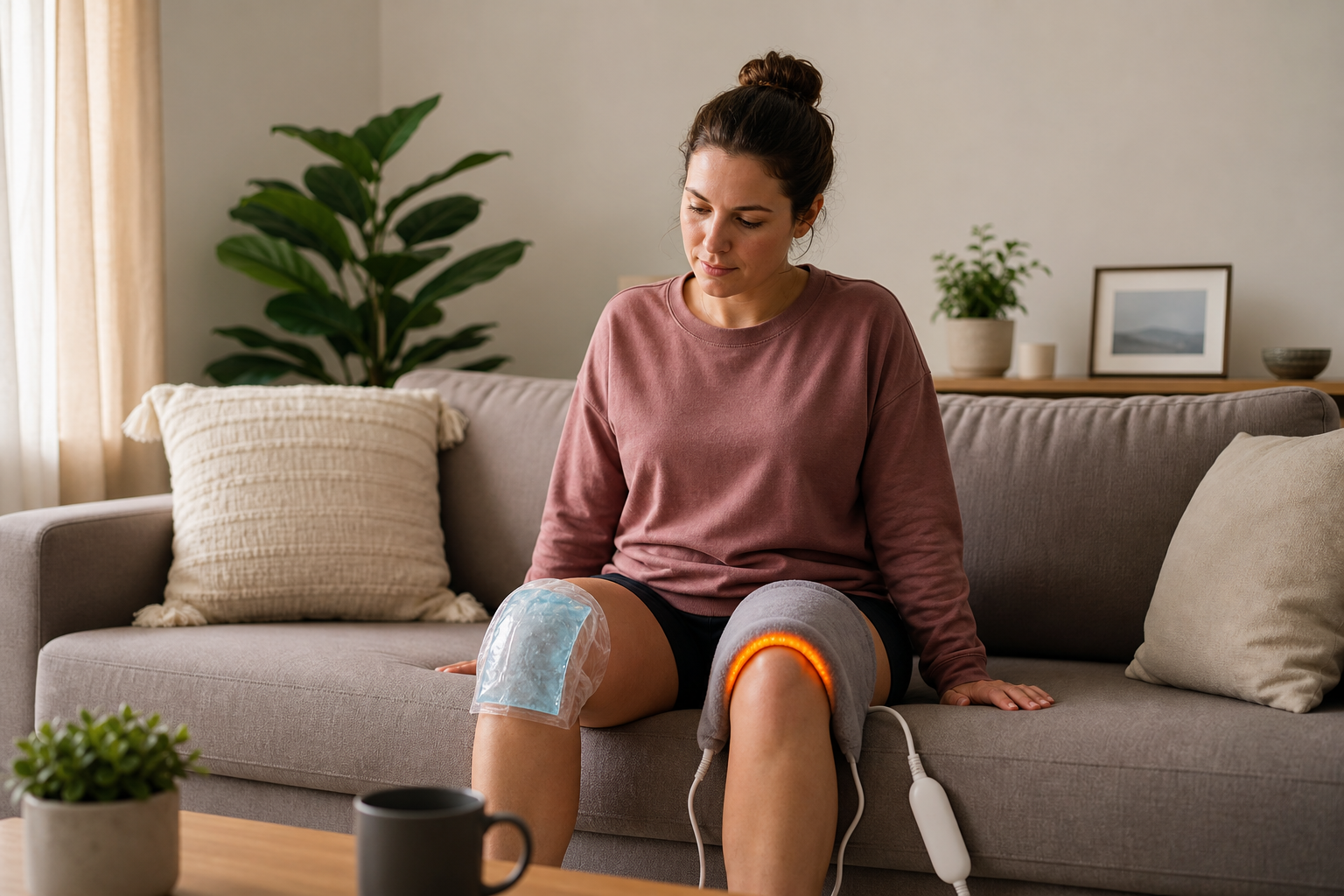
Heat vs Cold Therapy for Joint Pain: Real Answers, No Hype
It happened on a rainy Tuesday. My phone buzzed with a text from my cousin: "Karen, my knees are killing me. Should I be using a heating pad or ice?" I get some form of this question at least twice a week—sometimes from readers, sometimes from my own family (who apparently think I'm a walking WebMD). If joint pain has you stumped about whether to go hot or cold, you’re far from alone.

The Daily Dilemma: You Wake Up Achy, Now What?
Look, joint pain can mess with your plans, your sleep, and honestly—your mood. I remember when my mother-in-law tried to tough out her arthritis flare without any help. By day three, she could barely get down her own stairs. Whether your pain is from old injuries, arthritis, or that weekend pickleball tournament, figuring out what actually helps (and what might make things worse) is half the battle.
If you're nodding along, you're not alone. I’ve covered joint health for over a decade, and the "heat vs cold" debate stumps even seasoned docs and physical therapists. The truth is, it’s rarely one-size-fits-all. And if you’ve ever slipped on a heating pad and wondered, "Is this even doing anything?"—let’s break it down, together.
How Heat Therapy Works: Turning Up Relief
First, the basics. Heat therapy—think heating pads, warm baths, microwaveable packs—works by dilating blood vessels. This means more blood, oxygen, and nutrients are carried to sore or stiff tissues. The Journal of Clinical Rheumatology (2013) found that applying moist heat for just 20 minutes could boost flexibility and reduce muscle stiffness in people with knee osteoarthritis.
Here’s the thing: Heat is your friend for chronic aches, morning stiffness, and those "rusty hinge" days. It’s especially good when you feel tight, sore, or your joints ache but aren’t swollen or flaming-hot. By relaxing tissues, heat can also make gentle stretching or exercise less miserable—a trick I’ve used with countless readers over the years.
- Moist vs Dry Heat? Moist heat (think damp heating pads, warm towels) penetrates deeper than dry heat. I’m a fan of products like the Pure Enrichment PureRelief XL Heating Pad—the moist heat option is a real game-changer for deep-seated aches.
- How Long? Most experts say 15–20 minutes per session, up to a few times a day. Don’t fall asleep on your heating pad (I’ve done it—don’t recommend).
- When to Avoid? If your joint is red, hot, or visibly swollen, put down the heat—seriously. You could make inflammation worse.
Cold Therapy: Numbing Out the Swelling
Cold therapy—the fancy term is "cryotherapy"—works the opposite way. It constricts blood vessels, slows circulation, and tamps down inflammation and swelling. This is why you’ll see every sports field littered with ice packs after a rough game.
But don’t just grab a bag of frozen peas and get to work. The science actually backs up icing for acute injuries, sudden flare-ups, or joints that look big, red, and angry. In a 2018 review in Arthritis & Rheumatology, researchers found that applying cold packs for 10–15 minutes could meaningfully reduce swelling and pain in inflamed knees.
- How to Use It: Wrap ice or a cold pack in a thin towel (skin safety, folks). Use for up to 15–20 minutes, never directly on bare skin.
- Good For: Sprains, sudden injuries, or when your joint is obviously inflamed. Also handy after intense workouts or activity spikes.
- Not Great For: Stiffness or long-standing aches. Cold can stiffen muscles and make chronic pain feel "locked up"—I see people make this mistake all the time.
So, Heat or Cold? When Each Makes Sense
Here’s a quick cheat sheet I use with friends, family, and honestly—myself:
- Use heat for chronic pain, muscle tightness, and when you need to "loosen things up" (think morning stiffness from osteoarthritis).
- Use cold for acute injuries, joint swelling, or after you’ve overdone it and things feel inflamed.
- Not sure? If your pain is new and severe, or you see visible swelling, start with cold. For old, stubborn aches or soreness, try heat.
If you bounce between both—welcome to the club. Many physical therapists (and, uh, my own knees) use a mix: ice after activity if there’s swelling, heat before stretching or movement. Sometimes, that combo is magic.

The Science: What Research Actually Says
Here’s where it gets interesting—and maybe a little infuriating. The research isn’t as black-and-white as we’d all like. Some studies show that heat therapy alone reduces arthritis pain by up to 50% (see: 2017 meta-analysis in BMJ Open). Others say icing is more useful for post-injury swelling but does little for long-standing pain. Much depends on timing, the type of joint problem, and your own body’s quirks.
I spent hours combing through clinical trials for Arthritis Today back in 2021, and here’s the pattern: The main benefit of both heat and cold is a short-term dip in pain and a boost in your ability to move. They’re not miracle cures, but they can make it easier to do the stuff that really helps long-term—gentle strength work, stretching, and simply not dreading walking up the stairs.
And—this is the kicker—many people end up using the "wrong" therapy because it just feels good to them. That’s not always a bad thing; our nervous systems respond to comfort, distraction, and expectations. There’s a real placebo effect, and, as my favorite study from Pain (2015) showed, “perceived benefit” sometimes matters just as much as clinical outcomes.
Biggest Mistakes I See (Don’t Be That Person)
I’d be remiss if I didn’t mention a couple of common missteps. Dozens of readers have written to me after burning or icing themselves raw. Here’s what to avoid:
- Don’t put heat or cold directly on bare skin. Always use a towel or cloth barrier.
- Don’t use heat on freshly injured or swollen joints. It can make inflammation worse.
- Don’t ice more than 20 minutes at a time. You risk nerve or skin damage (I’ve seen this more times than I’d like—ice burns are real).
- Don’t fall asleep with a heating pad on. Modern pads like the PureRelief XL have auto shut-off, but older models don’t always.
- Talk to your doctor before using heat or cold if you have poor sensation, circulation problems, or certain medical devices. Safety first.
Real-Life Tips: Layering Relief for Joint Pain
So, what’s actually worked for my own cranky knees—and hundreds of readers? Pairing the right therapy with other smart moves:
- Heat before movement: A 10-minute dose of moist heat before I walk the dog loosens my morning stiffness (and makes the cold outside less miserable!).
- Cold after workouts: If I’ve pushed too hard, a quick cold pack tames the post-activity ache.
- Gentle exercise plus heat/cold: Exercise truly is medicine for joints (see: Journal of Rheumatology, 2020). I’m partial to the simple routines in Treat Your Own Knees—it’s research-backed, surprisingly doable, and honestly, pretty affordable.
Compression can also help with swelling and comfort. One product my readers rave about is the Modvel Compression Knee Brace. At under $15 for a pair and over 75,000 Amazon reviews, it’s become a staple for everything from gardening to gentle jogs. (No, it won’t magically erase arthritis, but it supports the joint enough to help you keep moving—sometimes that’s all you need.)
Beyond Hot and Cold: What Else Works?
Look, if heat and cold were all it took, my job would be a lot easier. For most of us, real relief is about stacking small wins. Here are a few additional strategies I recommend:
- Pain gels: Topicals like Voltaren (diclofenac gel) can target inflammation right at the source without as much risk of tummy trouble. Honestly, it’s the only OTC gel with enough clinical backing for mild-to-moderate joint pain. The 2016 BMJ review found it nearly twice as effective as placebo for chronic hand and knee pain.
- Supplements: The jury’s still out, but some people swear by glucosamine/chondroitin for knee osteoarthritis—if you’re curious, look for combos with turmeric and boswellia for extra anti-inflammatory punch. (But always clear new supplements with your doctor, especially if you’re on meds.)
- Movement: I know this isn’t sexy. But every study out there, from BMJ to The Lancet, agrees: gentle, consistent movement keeps joints healthier in the long run.

So—Which Is Better?
I wish I could give you a neat answer. But here’s my honest take, after years interviewing experts, testing products, and living with a temperamental knee:
- Use heat for stiffness, tension, and chronic aches. It’s best before activity, or whenever your joints feel like they need "loosening up." Moist heat works deeper and feels wonderful.
- Use cold for new injuries, flare-ups, or obvious inflammation. It’s your go-to when swelling is the main event.
- Mix and match: Sometimes alternating both brings the best relief—heat to "prime," cold to "recover."
Listen to your body. No article (or journalist, as much as I try!) can outsmart your own experience. Try, pay attention, and see what fits your particular brand of joint pain.
Takeaways for Real-World Relief
- Heat = best for chronic, stiff aches (not swelling)
- Cold = best for inflammation, new injuries, or after overuse
- Never go directly on skin; limit sessions to 15-20 minutes
- Modern products with safety shut-offs (like the PureRelief XL Heating Pad) make life easier
- Pair warmth or cold with gentle movement and targeted support for best results
If you’re still unsure, or your pain is new, severe, or confusing—please talk to your doctor. Joint pain can be a nuisance, but it’s also your body’s way of flagging attention. Get a clear diagnosis before you start cycling between hot packs and ice buckets.
And hey—if you have a go-to trick for beating joint pain, email me. Reader wisdom is some of the best kind, in my book. Here’s to finding the relief that works for you (and finally figuring out whether that heating pad deserves a permanent spot on your couch).
— Karen Whitfield
Joint health journalist, arthritis advocate, and occasional heating pad napper