
Osteoarthritis vs Rheumatoid Arthritis Differences: Why It Matters More Than Ever
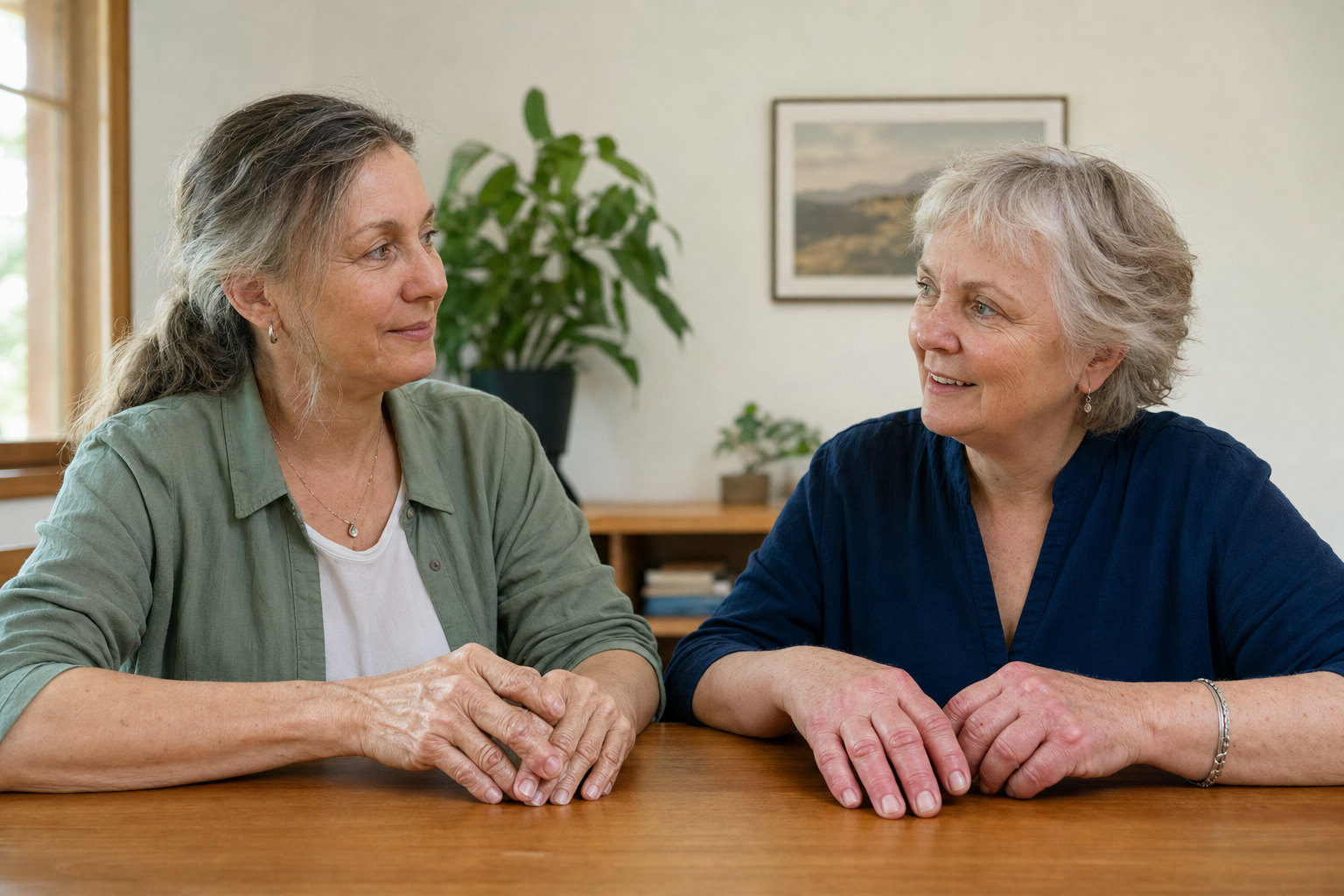
I still remember the look on my friend Kathy’s face when she finally got her diagnosis. She’d spent months bouncing between doctors, poked and prodded, only to hear, “Well, it’s arthritis.” But the real kicker? Her doctor never said which kind. And trust me, as someone who spent two decades in orthopedic care — those differences couldn’t matter more.
Not All Arthritis Is Created Equal
If you’re nodding along, you’re not alone. Nearly 1 in 4 adults in the US has some form of arthritis, and yet, confusion about the types is everywhere. Maybe you’ve googled “osteoarthritis vs rheumatoid arthritis differences,” hoping for a cheat sheet. I wish it were that simple! But here’s the thing: understanding these nuances is a game-changer for your pain, your mobility, and honestly, your sanity.
Getting Personal: The Day-to-Day Struggle
There’s nothing like waking up and not knowing if your joints will cooperate. Maybe your knees ache after a long walk, or your hands just don’t seem to want to grip that coffee mug. I’ve seen patients — and let’s be honest, family members — get frustrated, thinking all arthritis is just “wear and tear.” But sometimes, it’s your own immune system at war with your body. The way these two types wreak havoc couldn’t be more different.
Osteoarthritis (OA) is your classic culprit for those creaky knees and hips — what most people picture when they think of “old age arthritis.” It’s a slow grind. Cartilage wears down, bones get closer, and you feel that ache ramp up after activity. I see it in my own fingers (nurse hands, anyone?).
Rheumatoid arthritis (RA), on the other hand, plays by its own rules. Swelling, heat, morning stiffness that can last hours, and fatigue that knocks you flat. I’ll be honest — RA is the drama queen of the arthritis world.
The Real Differences: Symptoms, Causes, and Beyond
How It Starts
Here’s where it gets interesting. Osteoarthritis sneaks up on you — pain grows over the years, usually after middle age. Knees, hips, hands, and spine take the brunt. It’s triggered by everything from genetics to that old soccer injury you never rehabbed.
Rheumatoid arthritis? Think “inflammatory storm.” It can hit at any age — even young adults — and often starts with small joints (think fingers, wrists) on both sides of the body. One of my former patients was diagnosed at 32 — not exactly what you expect.
Symptoms: Not Just Aches and Pains
- Osteoarthritis: Joint pain worse with use, brief morning stiffness (usually under 30 minutes), crunchy or grating feeling, bony swelling, and limited range of motion.
- Rheumatoid arthritis: Prolonged morning stiffness (over an hour), swelling that feels soft or spongy, redness, warmth, fatigue, sometimes fever, and even weight loss.
And here’s a wrinkle: RA attacks the body symmetrically. If your right hand is swollen and stiff, the left probably is too. OA can be more random — one knee, a couple of fingers, patchy.
What’s Actually Happening Inside?
Let’s peek under the hood. In osteoarthritis, the cartilage that cushions your bones wears down — slowly, relentlessly. Think of a brake pad that’s running thin. The body tries to repair, but it’s never quite even. Eventually, bone rubs on bone, and that’s where the pain and “knobbiness” come in.
Rheumatoid arthritis is sneakier. Your immune system thinks your joints are enemy territory. White blood cells flood in, inflammation ramps up, and the lining of your joints (synovium) becomes thickened and angry. If it’s not calmed down, RA can erode bone and deform joints — sometimes shockingly fast.
Risk Factors: Who Gets Which and Why?
OA loves age, prior joint injuries, obesity, and family history. If you played sports hard in your youth, or spent years on your feet as a nurse (guilty), odds are higher. According to a 2018 report in the Journal of Rheumatology, women are especially likely to develop OA in their hands after age 50.
RA? It’s an autoimmune wild card. Genetics play a role, but so do environmental triggers. Smoking is a known risk factor. Women are two to three times more likely than men to develop RA, with onset often around ages 30-50.
Why the Differences Matter: Treatment & Prognosis
Here’s something most articles won’t tell you: Getting the wrong diagnosis can set you back by years. OA and RA are managed completely differently. I’ve seen folks try to “walk it off” with OA, only to make things worse. And I’ve seen RA patients waste precious months on over-the-counter painkillers, when they needed targeted immune therapies.
Treating Osteoarthritis
OA is all about symptom management and preserving joint function. Exercise matters — not just any movement, but the right movement. I’m a huge believer in gentle strength-building and flexibility routines. For folks who want a clear, research-backed plan right on their nightstand, Treat Your Own Knees (Jim Johnson) is a go-to. It’s one of the few books I’ve consistently recommended for years, because it breaks down the science and gives you simple, realistic exercises you’ll actually do (and stick with).
Medications for OA lean toward acetaminophen, NSAIDs, and topical options — though, full disclosure, NSAIDs have their risks (gut, kidneys, blood pressure). Topical pain relievers are underappreciated in my opinion. Voltaren Arthritis Pain Gel (diclofenac sodium 1%) is now available without a prescription. A 2020 analysis in BMJ showed that topical NSAIDs reduce pain similarly to oral ones, with far fewer side effects.
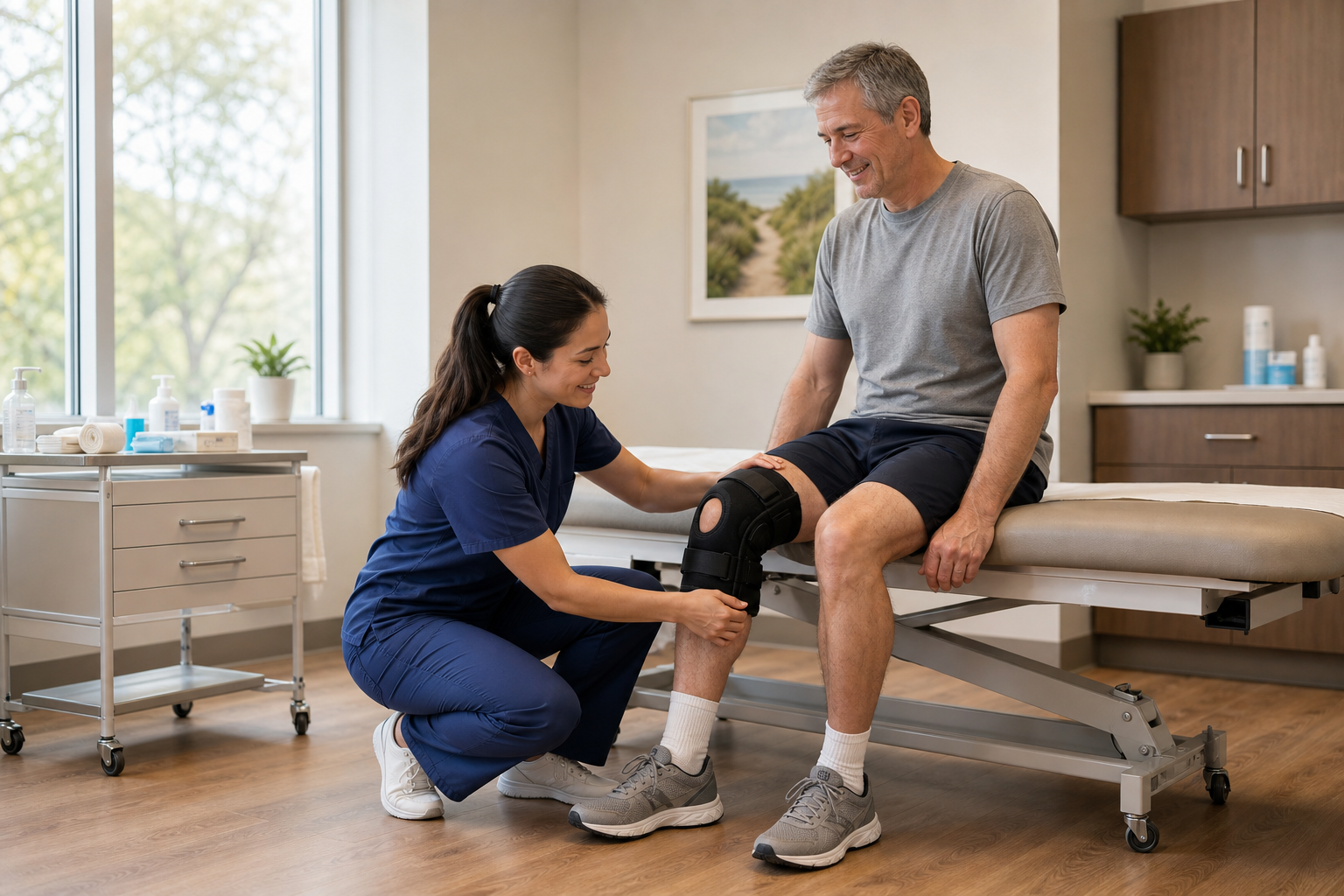
Bracing, when done right, can buy you time and comfort. I still use a knee brace for my old hiking injury. The NEENCA Professional Knee Brace — with side stabilizers and a patella gel pad — is honestly the only one I’ve found that fits my (not tiny) legs comfortably and actually stays put on long days. And if you’re worried about looking “medical,” it’s surprisingly discreet under jeans.
Treating Rheumatoid Arthritis
This is where things get controversial. RA isn’t “just” a pain disorder. It’s a systemic, immune-driven disease that can affect your heart, lungs, and eyes. Early, aggressive treatment is everything. We’re talking DMARDs (disease-modifying antirheumatic drugs) like methotrexate, and sometimes biologics that target specific parts of the immune system. None of these are do-it-yourself — you need a rheumatologist on your team. If you suspect RA, please don’t wait for the pain to “settle down.” Early intervention can literally protect your joints from permanent damage.
That doesn’t mean you can’t use comfort measures! Warm compresses, balance of rest and activity, and stress management all play a role. But don’t expect supplements or over-the-counter meds alone to keep this one at bay.
How Doctors Diagnose: Tests, Scans, and Red Herrings
Here’s what I see over and over: confusion from overlapping symptoms. Both OA and RA cause joint pain, swelling, and stiffness. But lab work can tip the scales. Rheumatoid factor, anti-CCP antibodies, and markers like ESR/CRP are often elevated in RA. X-rays, on the other hand, will show joint space narrowing and “osteophytes” (bone spurs) for OA. The gold standard? A mix of exam, symptoms, labs, and imaging — not just one “magic bullet” test.
What About Other Types?
It’s not just OA and RA out there. There’s psoriatic arthritis, gout, lupus, and more. The lesson: talk to your doctor before starting any new regimen. Self-diagnosing from Google can lead you down the wrong rabbit hole — and I say this as someone who has seen more than a few “DIY disasters.”
Living With Arthritis: Practical, Research-Backed Relief
I’m a big believer in stacking small wins. If you’ve got OA, prioritize joint-friendly movement (walking, swimming, yoga), anti-inflammatory eating (Mediterranean-style, lots of produce, healthy fats). Weight loss — even 5-10% of your body weight — can mean 50% less pain in the knees, according to a 2016 Arthritis & Rheumatology study. That number still blows my mind.
Use pain relievers wisely, not daily “just because.” Rotate heat and cold. Find a brace that actually fits (see above), and use assistive devices without shame. (I wish more folks knew how much a simple cane or jar opener can help.)
RA folks: follow your treatment plan, but don’t forget the basics. Gentle stretching, rest, and listening to your body’s signals. Support groups can be a lifesaver on rough days. And don’t be afraid to ask for help — from family or from professionals.

Myths and Missteps: What Most People Get Wrong
I know this is unpopular, but: just because your pain comes and goes doesn’t mean you don’t have arthritis. OA flares especially can be triggered by overuse, weather changes, or even stress. RA can go quiet for months, then come roaring back.
Supplements? The science is mixed. Glucosamine/chondroitin (1,500mg/1,200mg daily) has some modest benefit in OA, but not RA. Turmeric and omega-3s are safe for most, but rarely miracle cures. Always run supplements by your doctor — especially if you’re on blood thinners or DMARDs.
And no, cracking your knuckles does not cause arthritis. My grandfather lived to 98 with the loudest knuckles in the Midwest — nary a swollen joint.
Big Picture: What You Can Do Next
- Track your symptoms. A simple notebook or app can reveal patterns.
- Don’t ignore swelling, redness, or fevers. These are red flags for RA — see your doctor ASAP.
- Start a gentle exercise routine (see above book link for knee guidance).
- Use topical pain relievers for OA — especially if you’re sensitive to oral NSAIDs.
- Seek support. Online or in-person, talking to others living with arthritis can make a world of difference.
Final Thoughts (From My Own Achy Joints to Yours)
Arthritis isn’t just a single disease, and knowing “osteoarthritis vs rheumatoid arthritis differences” is more than trivia. It’s the difference between finding the right relief and spinning your wheels for years. And as always, the best advice comes from mixing research, experience, and a little honest trial-and-error. If you’re still not sure what’s driving your joint pain, get a thorough workup — and advocate for answers.
Above all, don’t give up hope. I’ve seen folks regain mobility, reduce pain, and get back to doing what they love — even after rough starts. If you need extra support or have questions, feel free to drop me a note. We’re stronger (and a little less stiff) together.
Linda Hargrove, RN
Orthopedic Nurse, Health Writer, and Joint Pain Survivor