Bone on Bone Knee Pain: What Really Works? (And What’s Just Hype)
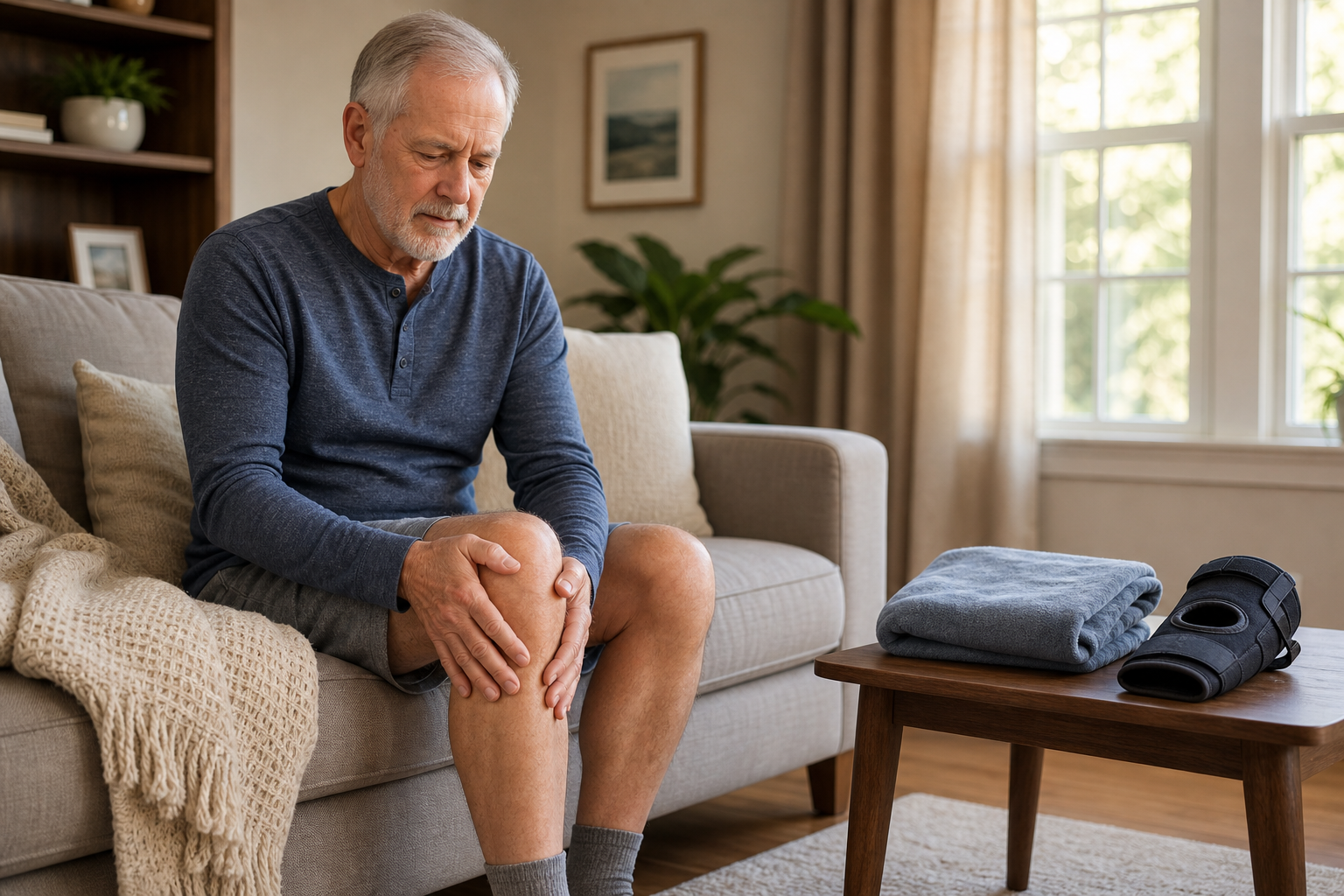
I’ll never forget the frustration in my patient Mark’s voice. “Doc, I can’t walk the dog anymore. The pain’s like grinding glass.” He’d tried every cream, supplement, and supportive sneaker out there. His X-ray left no doubt—bone-on-bone, classic end-stage osteoarthritis. And he’s far from alone. According to Arthritis & Rheumatology (2018), nearly 14 million Americans live with knee osteoarthritis, and ‘bone on bone’ isn’t just a scary term—it means the cushioning cartilage is worn away, leaving bone surfaces to rub directly against each other. That’s the stuff that makes ordinary stairs look like Everest.
Why Bone on Bone Hurts So Much (And Why Ibuprofen Alone Isn’t Enough)
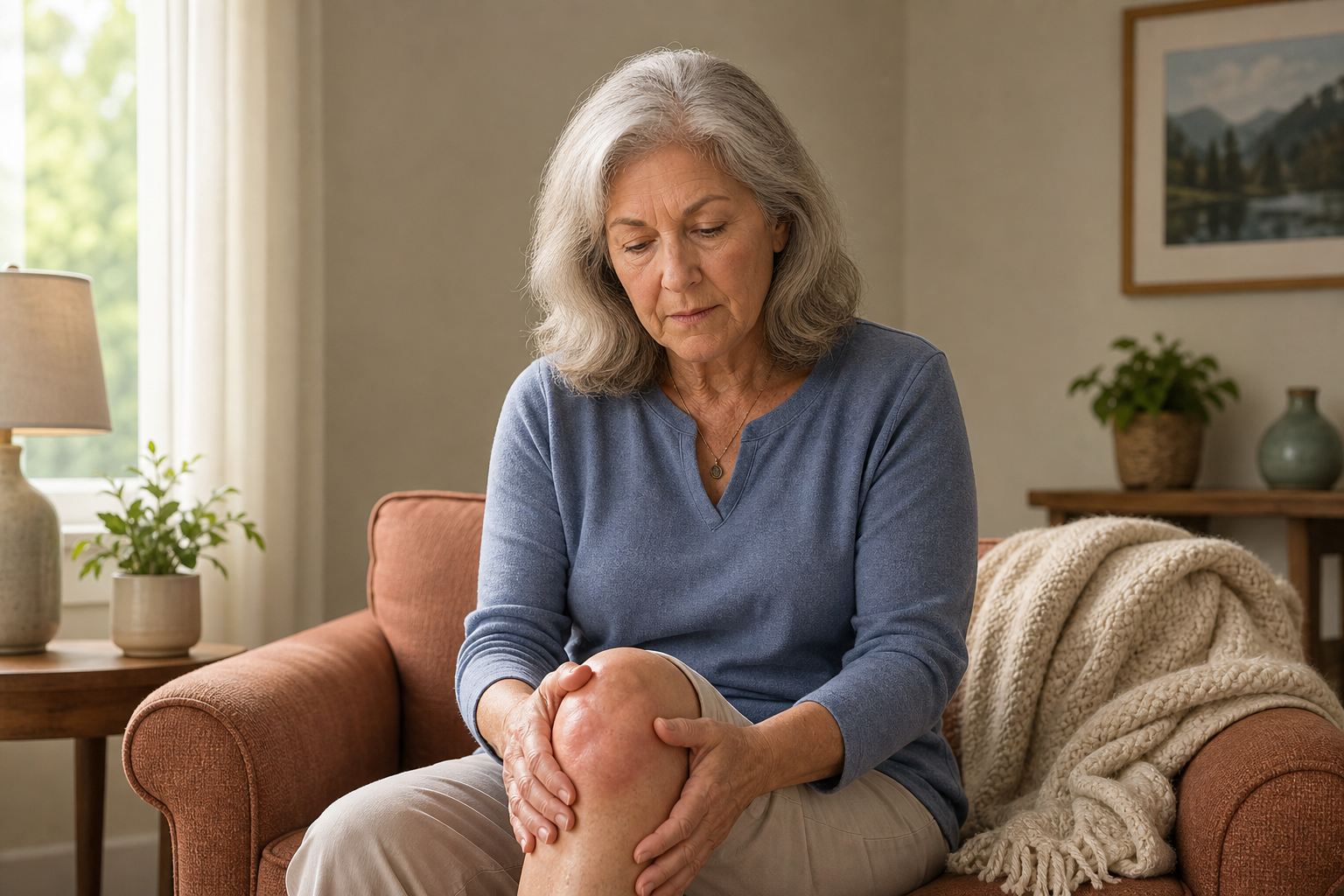
The pain isn’t just from the missing cartilage. Here’s the thing: as that soft tissue wears out, the underlying bone grows denser (subchondral sclerosis), nerves become more sensitive, and inflammation ramps up. Even little movements can send jolts of pain, and—yep—swelling, grinding (crepitus), and stiffness tag along for the ride.
It’s easy to feel stuck. I hear questions like, “Isn’t my only option surgery?” Honestly, that’s a fair concern. Knee replacements are at record highs (over 750,000 a year in the US, per the Journal of Bone and Joint Surgery). But surgery’s not for everyone—not right away, and not always, in my experience. There’s a decent menu of non-surgical options worth exploring, many with actual science behind them.
What Science Says About Managing Bone on Bone Knee Pain
Let’s cut through the noise. Here’s what years of research—and seeing hundreds of knees in my practice—has taught me about the best treatments for bone on bone knee pain.
1. Targeted Exercise (Yes, Even If It Hurts at First)
Look, nobody with severe knee arthritis jumps for joy at the idea of ‘more movement.’ But the data’s stubborn: strengthening the muscles around the knee (quads, hamstrings, and glutes) reduces pain and improves function—even in advanced OA. The Cochrane Review (2015, 44 trials) found supervised exercise programs lead to "moderate improvements" in pain and mobility over usual care.
I often recommend home-based programs that focus on gentle strengthening and flexibility. One I trust? The book Treat Your Own Knees by Jim Johnson, a physical therapist. It’s practical, non-intimidating, and—most importantly—backed by research strategies. What’s neat is that it doesn’t just throw random stretches at you; it gives a progressive plan that actually builds stability and endurance.
If you try nothing else, try simple daily exercises. Even 5 minutes is better than zero. But—and this is crucial—never push through sharp, worsening pain. Listen to your body and talk to your doctor or PT if you’re unsure.
2. Compression and Bracing: Helpful or Just Hype?
This one’s somewhat controversial. Some colleagues dismiss braces as “placebo with Velcro.” But I’ve seen a surprising number of patients report real-world relief. What does the research say? A 2021 paper in BMJ Open found that well-designed compression knee sleeves reduced pain during walking, especially for moderate to severe OA.
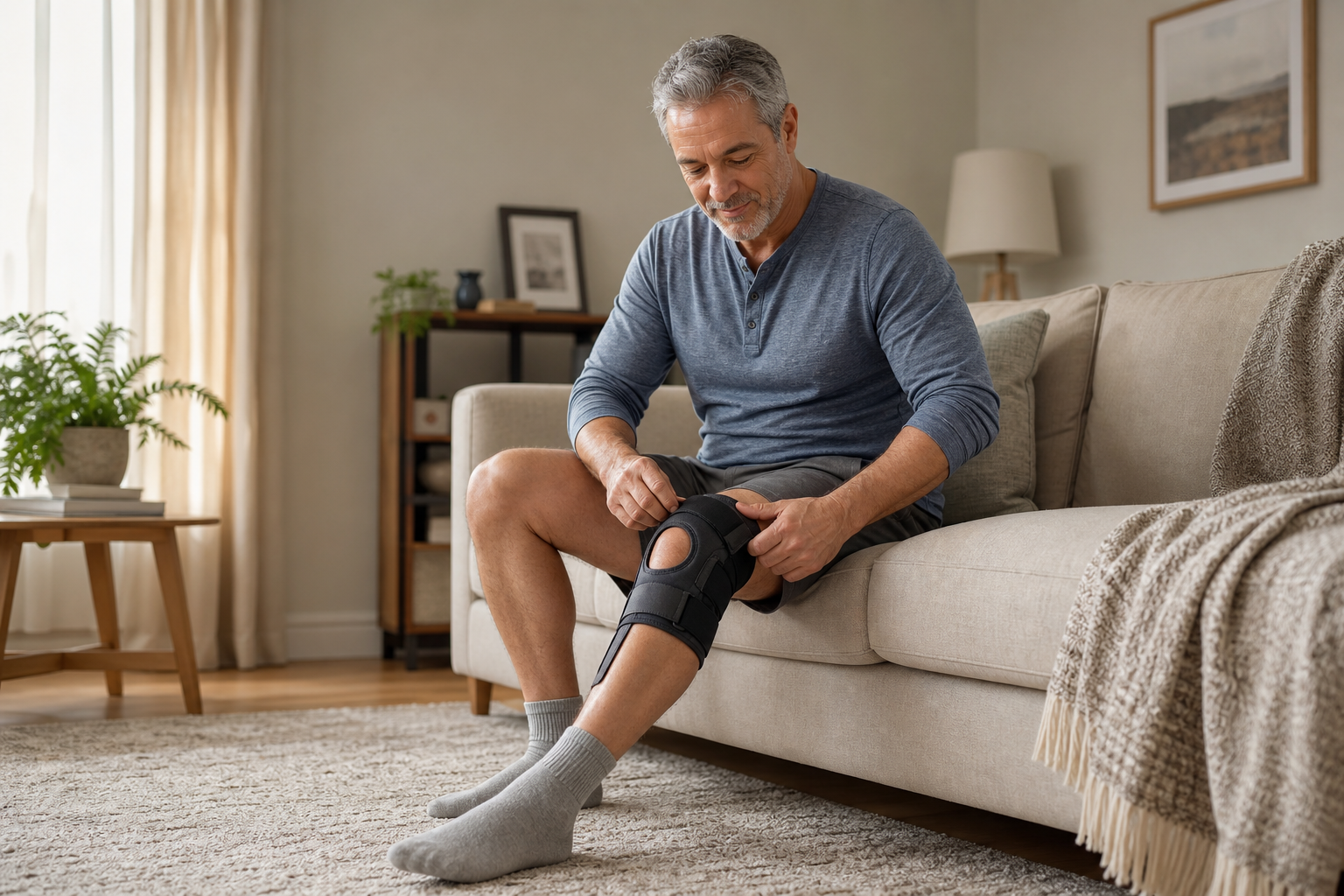
Here’s where it gets interesting: not all braces are made equal. Cheap, floppy sleeves? Mostly a false sense of security. But medical-grade options with side stabilizers and patella gel pads can actually help offload stress and reduce that bone-on-bone grinding. One standout is the NEENCA Professional Knee Brace. I like how it combines sturdy stabilizers with a soft, pressure-diffusing ring right around the kneecap—a design that’s been shown to improve knee alignment in gait studies.
Again, some people feel instant support, others not much at all. My advice: try a brace for a week during your most painful activities, and keep track in a journal. If it helps, great. If not, no harm done.
3. Home Therapies: Heat, Ice, and Topical Gels
I’ll be honest—the number of fancy devices marketed for knee pain lately is staggering. Do you need a $500 laser gadget? Probably not. But classic heat and cold can go a long way for many.
Heat (think: electric heating pads, moist towels) relaxes tight muscles and boosts blood flow. Many patients—myself included, after a pickup basketball injury—find that 20 minutes of moist heat before activity “unlocks” stiff knees. The Pure Enrichment PureRelief XL Heating Pad is a game-changer. It’s extra-large, covers the whole knee and thigh, and lets you pick between dry and moist heat (science tip: moist heat penetrates a little deeper).
Ice? Useful after overdoing it, especially if your knee balloons up. Just don’t over-ice—10-15 minutes is plenty.
Topical pain relief gels (like Voltaren) have decent science behind them. Diclofenac gel, for example, is FDA-approved for knee OA and showed modest pain reduction versus placebo in several large trials (see Journal of Rheumatology, 2016). No, it’s not magic, but it can take the edge off without upsetting your stomach the way oral NSAIDs do.
What About Injections and Supplements?
If you’re nodding along, you’re not alone—most patients who come in have tried glucosamine, turmeric, fish oil, or gotten a cortisone shot at least once. Here’s the real deal:
Steroid Injections
Quick-acting, but the benefits fade—usually 2 weeks to 3 months max. Repeat injections can harm cartilage in the long run (see JAMA, 2017). I reserve them for severe flare-ups or if someone’s trying to delay surgery just a bit longer.
Hyaluronic Acid (Gel) Injections
These are the "viscosupplementation" shots—meant to lubricate the joint. Some people swear by them, but evidence is mixed (and insurance often balks at covering them). Personally, I see about a 50/50 split between patients who get relief versus those who feel nothing.
Supplements: Worth the Money?
I know this is unpopular, but the lion’s share of studies on glucosamine and chondroitin (at 1500mg daily) show little to no meaningful difference from placebo. Turmeric? Slightly better, especially at 1000mg curcumin daily, but effects are mild at best. I always say: if your wallet can spare it and you notice improvement, keep going. Otherwise, put that money toward high-quality food, therapy, or supportive gear.
Always talk to your doctor before starting any new supplement—especially if you’re on blood thinners or other medications.
When Surgery Becomes the Best Option
Alright, let’s talk straight: Sometimes, nothing short of a joint replacement will restore quality of life. If the pain keeps you up at night, you’ve tried honest conservative therapy for months, and daily function’s a constant struggle—that’s when I have the “let’s talk about surgery” conversation.
Modern knee replacements are safer and more durable than ever (good surgeons now expect 90% to last 15–20 years). Recovery isn’t a breeze, but most patients I’ve referred say their only regret is “not doing it sooner.”
Practical Tips for Daily Life (That Don’t Cost a Fortune)
- Weight loss matters—even ten pounds off can significantly reduce joint load. The old stat: every pound lost equals 4 pounds less knee pressure per step.
- Modify activities—swap high-impact moves for cycling, swimming, or elliptical workouts. No shame in using a walking stick or rail for support.
- Supportive shoes matter—ditch unsupportive flats or worn-out sneakers. A slight heel-to-toe drop and good cushioning help.
- Consistency beats intensity—5 minutes a day of gentle exercise trumps one hour of punishment once a week.
A reader emailed me last month: "Is it normal to feel angry about my knee holding me back?" Absolutely. Grief for lost mobility is real, but with a toolbox of strategies, most people find their new normal is better than they feared.
Comparing Top Products for Bone on Bone Knee Pain
Let me recap the handful of products I actually recommend to patients and friends. These aren’t miracle cures, but they’re evidence-based, practical, and—crucially—don’t require a doctor’s appointment.
- Treat Your Own Knees – Still my go-to book for at-home exercise. Affordable, clear, and grounded in PT science. I’ve seen patients reclaim confidence in their knees with just a few weeks of this program.
- NEENCA Professional Knee Brace – For those needing daily support, especially on uneven ground or long walks. Impressively well-made for the price, and the adjustable straps mean it doesn’t slide down every five minutes.
- PureRelief XL Heating Pad – A staple in my home and clinic. Especially helpful before morning movement or after a long day on your feet.
Biggest Myths About Bone on Bone Knee Pain
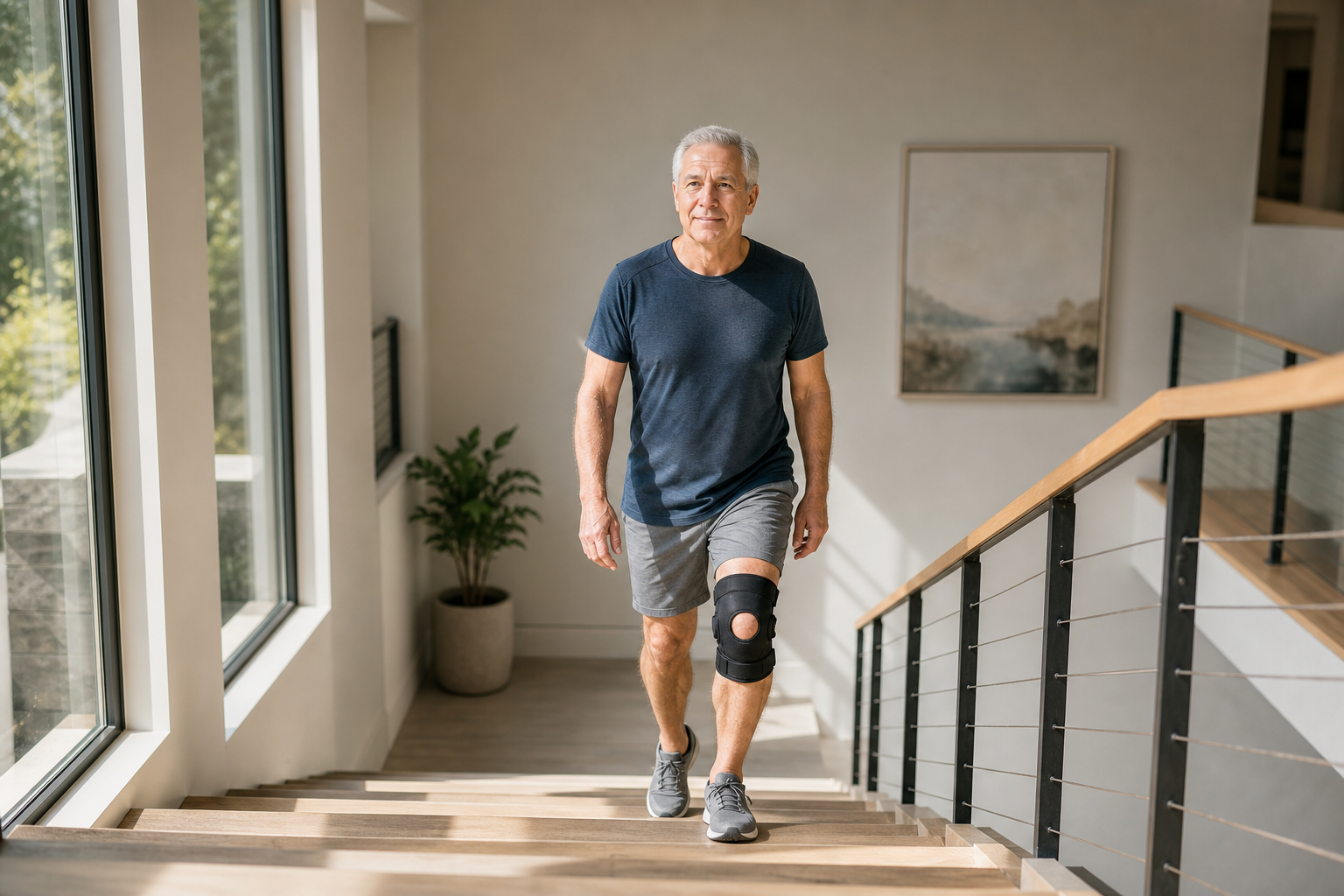
- “Nothing but surgery will help”—False. Plenty of patients manage years of good function with exercise, braces, and lifestyle tweaks.
- “Rest is best”—Also false. Extended rest weakens muscles and stiffens joints further. Gentle activity is almost always better.
- “Supplements are a miracle fix”—Wishful thinking. They help some, but the effect is usually modest, if at all.
What’s Next? Find What Works For You
Bone on bone knee pain can feel like a life sentence—but it’s not. I’ve seen countless people reclaim hiking trails, dance floors, and grandkids’ soccer games with a mix of persistence, science-backed therapies, and a dash of patience.
Start small. Try an exercise routine, test a good brace, give heat a chance. And don’t be afraid to ask for help—whether it’s from your doctor, physical therapist, or others walking the same path. Your knees have carried you this far. With the right approach, they’ll take you farther still.
Dr. Michael Torres, DC, is a licensed chiropractor and certified nutrition counselor. He’s spent over a decade helping people build stronger, healthier joints—and believes there’s no such thing as a one-size-fits-all solution.