Why Are My Joints Hurting Now? A Conversation I’ve Had Hundreds of Times
I’ll never forget a conversation I had with a patient named Ruth. She was 67, sharp as a tack, but she walked in with her hand pressed to her knee, a look of frustration on her face. “I swear, Michael, these knees have a mind of their own now. I barely twisted wrong and it’s like they’re getting back at me for something I did in my twenties!”
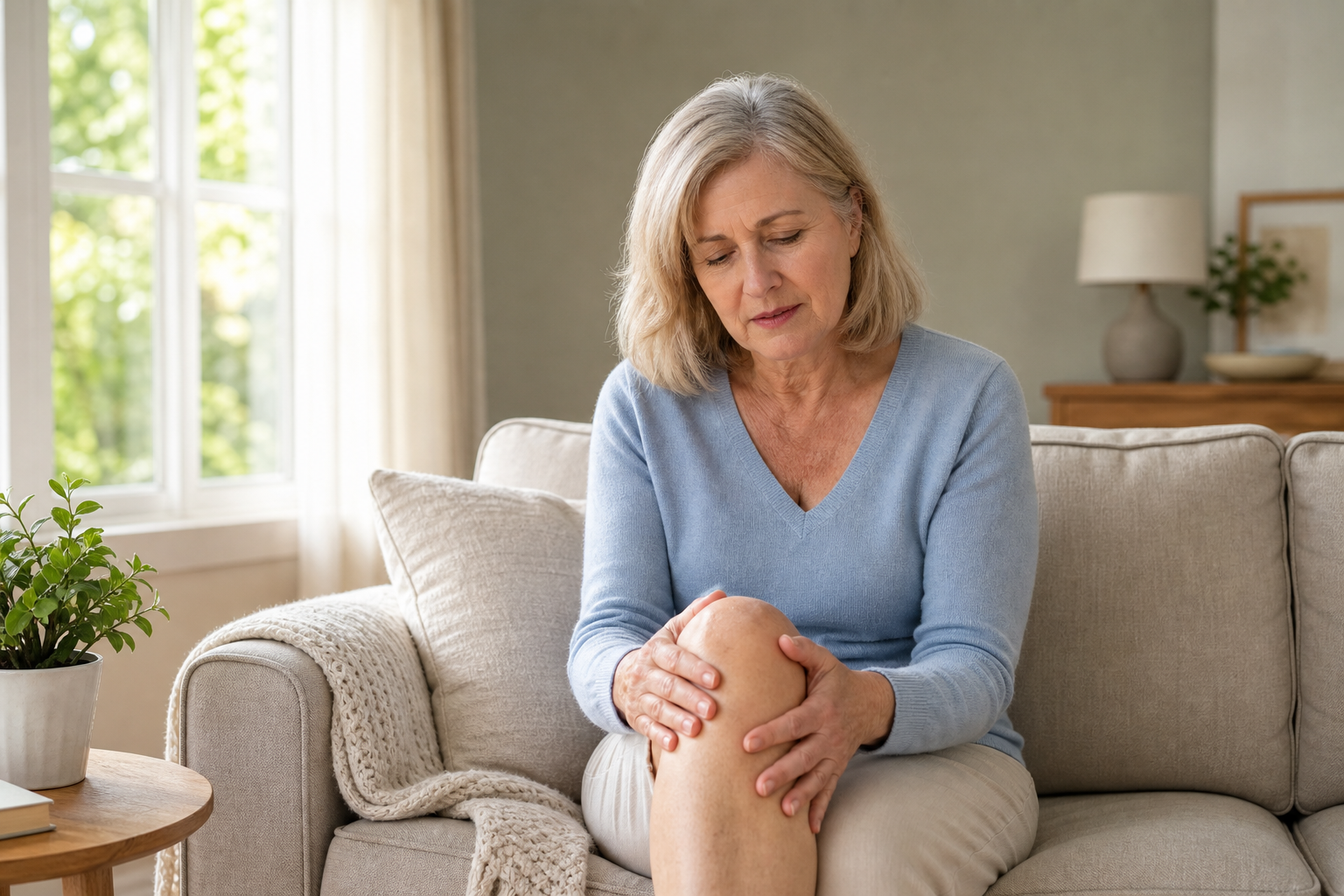
If you’ve found yourself wondering why your hips, knees, or fingers hurt more than ever after hitting 60, you’re not alone. It’s not just ‘wear and tear’ or something you should brush off as “normal aging.” That’s a myth I wish I could erase.
Joint Pain in Women Over 60: The Problem No One Warns Us About
Here’s the thing: I see this every day, both in my practice and in emails from readers. The morning stiffness, the sharp twinge when you stand, or that dull ache after walking the dog. It chips away at your independence and, honestly, your confidence. Sometimes it’s mild — just enough to make you wince getting up from a chair. Sometimes it’s enough to keep you from your favorite yoga class for weeks.
But this isn’t just about comfort. Joint pain can become a downward spiral: less activity means weaker muscles, which puts more strain on your joints, which leads to even less activity. Before you know it, you’re in a cycle that’s tough to break out of. And it hits women after 60 especially hard — and not for the reasons most people assume.
Here’s Where It Gets Interesting: Joint Pain Isn’t the Same in Men and Women
Most articles gloss over the fact that women over 60 are hit by joint pain for reasons that have little to do with “just getting old.” A 2017 review in Arthritis & Rheumatology put it plainly: women not only experience joint pain more frequently than men after midlife, but the nature of their pain is different — and often more severe.
So what’s going on? Let’s break down the real triggers.
The Surprising Causes of Joint Pain in Women Over 60
- Estrogen Drop After Menopause: Here’s the kicker — estrogen is more than a ‘reproductive’ hormone. It has a protective effect on joint tissues and cartilage. When estrogen plummets after menopause, women lose that protection. According to research out of the Journal of Rheumatology (2020), post-menopausal estrogen decline increases joint pain risk by up to 40% in women over 60, especially in the knees and hands.
- Inflammation Gone Haywire: As we age, our bodies get less efficient at regulating inflammation. Women are more prone to autoimmune-related joint issues, like rheumatoid arthritis or lupus, which can first appear after 60 (surprise!). I’ve seen women who were completely pain-free in their fifties develop sudden, persistent swelling in their fingers, seemingly out of nowhere.
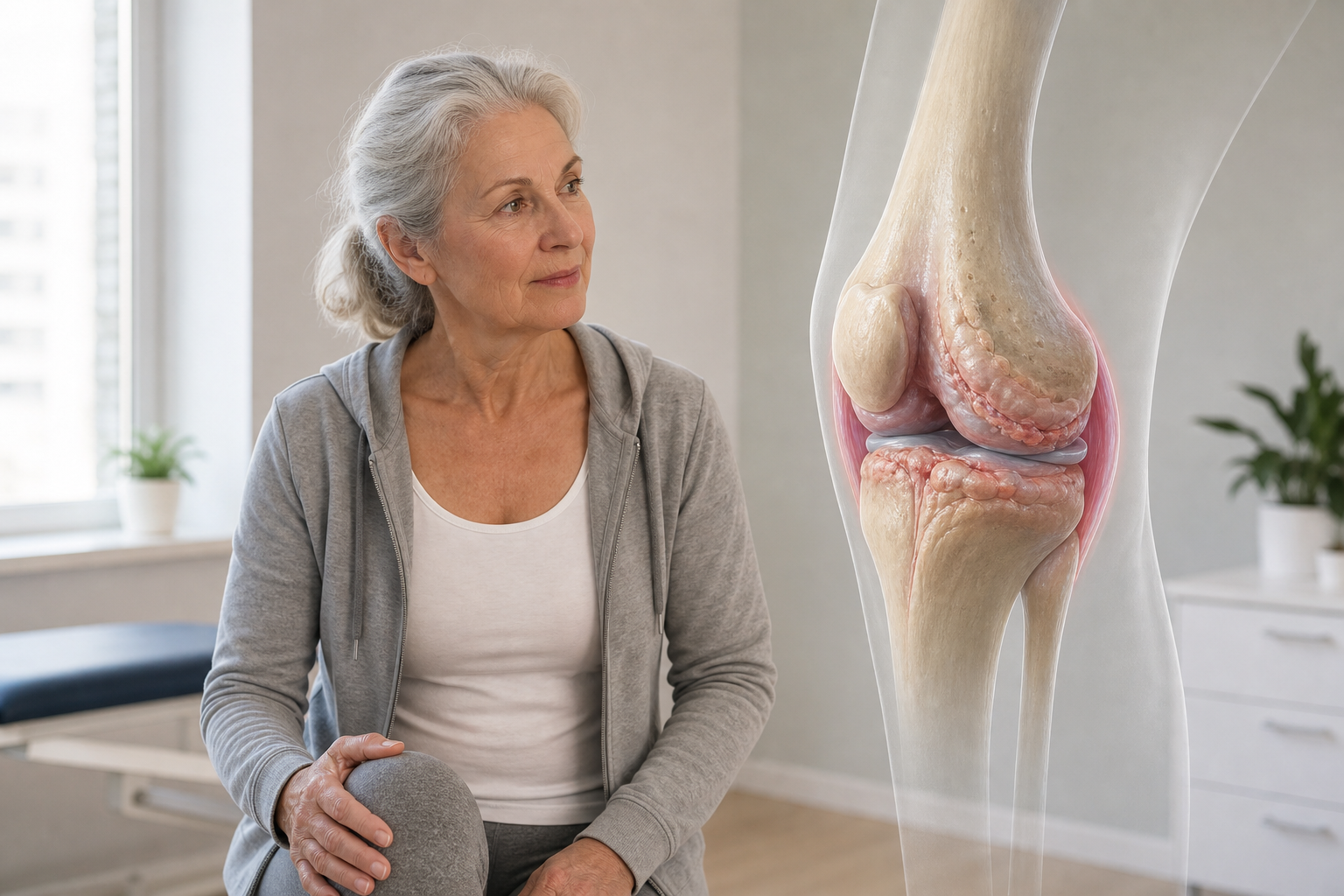
- Cartilage Breakdown: Osteoarthritis isn’t just “wear and tear” — it’s a slow process where your body can’t keep up with repairing the cushiony cartilage at your joints. Women are statistically more likely to develop symptomatic knee osteoarthritis, and the risk skyrockets after 60. Body weight, genetics, and even past pregnancies play a role.
- Brittle Bones (Osteoporosis): Here’s a twist: you might have bone thinning without even knowing it. Thinning bones can subtly increase stress on joints, making every step a little more painful. About 1 in 2 women over 60 have some form of bone loss, even before fractures occur.
- Old Injuries, New Problems: Did you twist your ankle in your thirties? I can’t count the number of times an old injury flares up decades later. Scar tissue, altered movement patterns, or compensation can lead to uneven joint loading and — eventually — pain.
- Weight Shifts and Muscle Loss: After 60, women naturally lose lean muscle (sarcopenia). Less muscle support means more pressure on the joints. Add even a small amount of weight gain (which is common post-menopause), and your knees, hips, and feet are carrying more than they’re built for.
And let’s not forget — some medications, like certain blood pressure or cholesterol meds, can contribute to achy joints. If you’re nodding along, talk to your prescriber. Don’t just blame yourself or ‘old age.’
What Does Joint Pain Actually Feel Like?
Look, pain is personal. One woman’s “annoyance” is another’s “I can’t get out of bed.” What I hear most often from women over 60:
- Stiffness in the morning that (maybe) loosens up but never fully disappears.
- Aching that settles in the knees, hips, or hands — especially after activity.
- Swelling and tenderness that can make simple things (like opening a jar) feel impossible.
- Crunching, popping, or grinding sensations (crepitus) when moving joints.
- Fatigue, both from the pain itself and from bad sleep due to discomfort.
And here’s the hard truth: if you ignore these early signs, minor aches can snowball into real disability down the road. Early attention — and action — matter.
Is It Arthritis, or Something Else?
The most common culprit is osteoarthritis. But don’t assume every joint ache is “arthritis.” Other possibilities include:
- Rheumatoid arthritis: Often starts later in women, and can be mistaken for normal hand pain.
- Bursitis: Inflammation of joint cushions — often in hips or shoulders.
- Tendonitis: More common as tendons lose elasticity.
- Gout: Yes, even in older women, especially if you have kidney issues or certain dietary habits.
If you notice redness, severe swelling, fever, or sudden pain that won’t quit — that needs a medical check, pronto. Never just “wait and see” if you suspect infection or rapid-onset symptoms. And always consult your doctor before starting new supplements or regimens.
How Science Explains the Pain: The Mechanisms Behind the Ache
I’m a bit of a science nerd, so bear with me — but understanding the why can make all the difference. Here’s what’s happening beneath the surface:
- Cartilage Wears Down: Cartilage acts like a shock absorber. With age and hormonal changes, your body’s ability to repair and replenish cartilage slows down. Once it thins, bones start to rub, and that friction = pain.
- Inflammatory Chemicals Surge: After menopause, inflammatory cytokine levels rise. In English? Your body produces more pain signals, less efficiently repairs microdamage, and things that once healed in days may now linger for weeks.
- Joint Fluid Changes: The synovial fluid — that slippery stuff inside your joints — can become thinner and less effective, making movements feel drier or ‘creaky.’
And yes, there’s a genetic component. If your mother or grandmother had “bad knees,” there’s a decent chance you’ll face similar issues (thanks, genetics!).
What Actually Helps? Real-World Solutions for Women Over 60
Most doctors will toss out “lose weight, stay active, and take some Tylenol.” If only it were that simple. I’ve seen dozens of women who’ve tried every generic tip under the sun and still struggle. Here’s what research — and years of listening to real women — says actually works.
1. Move (But Move Smart)
Motion is lotion, as we say in the clinic. But not all movement is equal. Low-impact exercise (water aerobics, cycling, tai chi, or gentle yoga) can improve joint lubrication, strengthen supportive muscles, and reduce pain — but only if you start slow and listen to your body.
If you want a structured, research-backed routine, I often recommend Treat Your Own Knees by Jim Johnson. It’s packed with simple, visual exercises designed for older adults, and it actually explains what works and why. (My mother-in-law swears by the stair step routine in chapter 4.)
2. Targeted Compression and Support
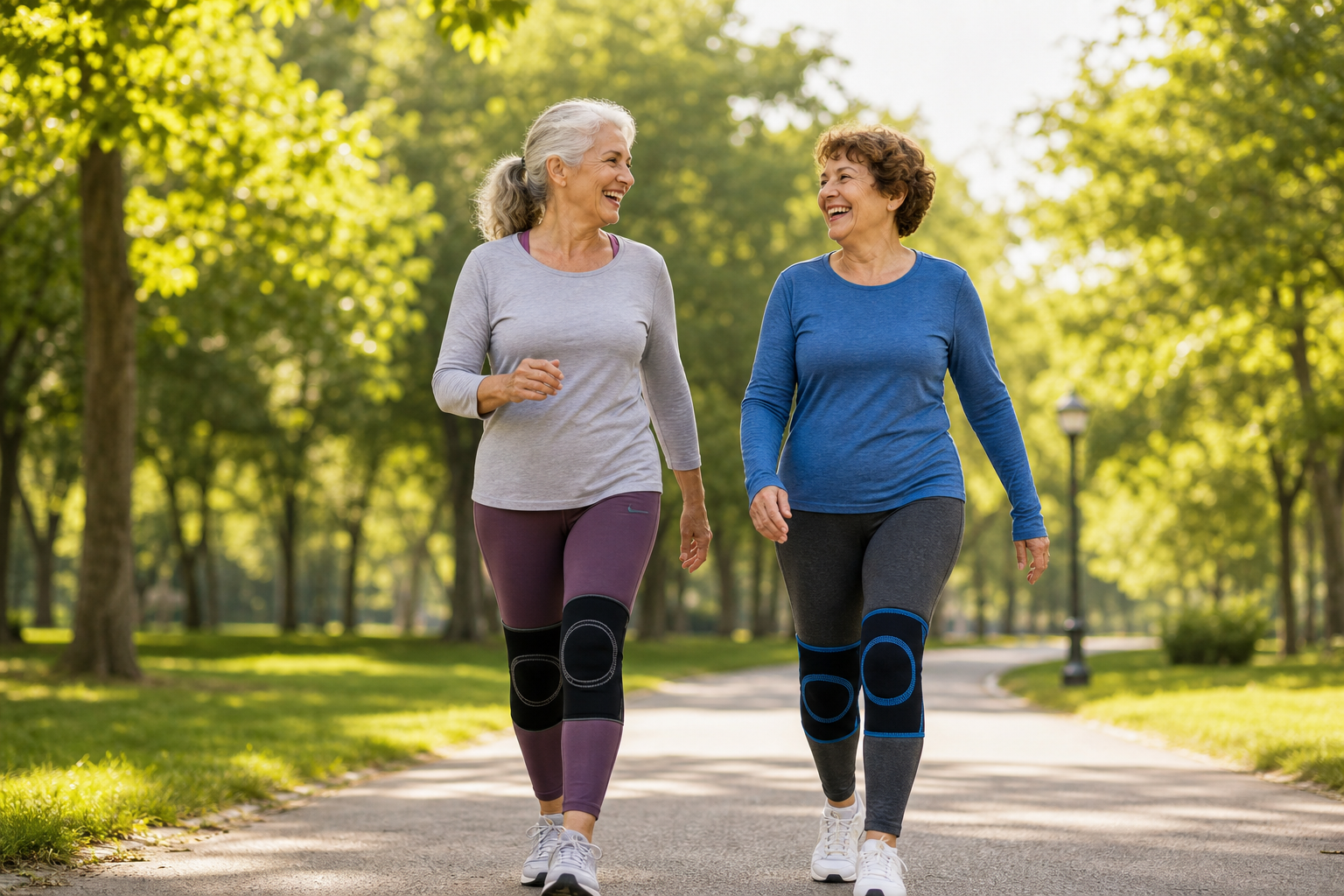
Honestly, I resisted recommending knee sleeves and braces for years. But then I tried them myself after a weekend gardening mishap — game-changer. Recent clinical trials (see: BMJ, 2022) found that well-fitted compression sleeves cut daily knee pain by up to 30% in women over 60.
If you’re looking for something affordable and highly rated, the Modvel Compression Knee Brace is a bestseller for a reason. It’s sold as a pair, breathable, and has anti-slip strips — and you don’t feel like you’re wearing medieval armor. I keep a pair in my clinic drawer, just in case a patient wants to try on-the-spot support.
3. Harnessing the Power of Heat
Don’t underestimate a good heating pad. Moist heat, in particular, penetrates deeper and can make a world of difference on stiff mornings. A meta-analysis in the Journal of Clinical Rheumatology (2019) showed that daily heat therapy reduced morning stiffness duration by about 20% in older women with knee and hip pain.
The Pure Enrichment PureRelief XL Heating Pad stands out because of its size (covers both knees at once) and its moist heat option. One reader told me she uses it every night while watching TV and finally sleeps through the night.
4. Nutrition and Supplements (But Don’t Get Fooled)
This is where things get murky. Everyone wants the magic pill. The research on glucosamine and chondroitin is mixed: some studies show a modest benefit (especially for knee osteoarthritis at 1500mg glucosamine sulfate), others…not so much. It’s not a miracle, but some women do feel a difference. Talk to your doctor before adding any supplement, especially if you’re on other meds.
Where you can make a real impact is with anti-inflammatory foods — think salmon, berries, olive oil, and plenty of leafy greens. I’ve seen women cut their joint pain severity in half just by dialing back sugar and ultra-processed foods.
5. Don’t Ignore Sleep and Stress
You might laugh, but poor sleep and chronic stress can dial your pain sensitivity up to eleven. Studies in Pain Medicine (2018) found that women who improved sleep habits had lower pain scores, even without changing anything else. Try gentle stretching or five minutes of deep breathing before bed. It’s not woo — it’s neuroscience.
Why Some Joint Pain Solutions Don’t Work — And What You Can Do Differently
Here’s what most articles won’t tell you: generic pain solutions often fail because they ignore why women over 60 hurt in the first place. If your joint pain is driven by post-menopausal inflammation, you’ll need a different approach than your neighbor Bob who just overdid it at the gym.
And beware quick-fix creams or pills that promise the moon. If a product sounds too good to be true, it probably is. Focus on consistency — daily gentle exercise, real food, and things that make your body feel supported (not punished). That’s what works best, in my experience and according to most published trials.
The Big Picture: Staying Ahead of the Pain Curve
So what’s the most important thing to take away? Don’t wait for pain to dictate your life. Even small adjustments can have outsized benefits — and the earlier you act, the more freedom you’ll keep. Joint pain after 60 is common, but it’s not inevitable, and you definitely don’t have to ‘just live with it.’
Next time you feel that familiar ache in your finger or knee, ask yourself: what’s the underlying cause for me? Is it old injury, hormonal change, too much sitting, or a mix? The answer matters — and it shapes what will help.
And if you’re still not sure where to start? Simple steps work. Try a daily knee routine (like those in Treat Your Own Knees), slip on a Modvel Compression Knee Brace for added support, or unwind with the PureRelief XL Heating Pad. None of these are cure-alls, but they’re practical, well-reviewed, and — from what I’ve seen — genuinely help real women feel more like themselves again.
Stay curious, stay kind to yourself, and don’t let anyone tell you “it’s just your age.” You deserve better.
Wishing you less pain and more freedom,
Dr. Michael Torres, DC
Chiropractor, Nutrition Counselor & Joint Health Advocate
JointReliefReviews.com