
Heat vs Cold Therapy for Joint Pain: The Real Difference (And Why Most People Get It Wrong)
Last winter, a patient of mine—let's call her Lisa—walked into my clinic clutching her knee and shaking her head. "I googled it, Dr. Torres. Half the sites say 'ice it,' the other half say 'heat it.' My mother says just put a potato on it." I had to laugh—but honestly? It's confusing. Even after 15 years in chiropractic practice and nutrition counseling, I still get this question every week: Is heat or cold better for joint pain?

Joint Pain: The Constant Companion
If you're reading this, chances are joint pain isn't just an occasional annoyance—it's a daily reality. Aching knees after a walk, stiff fingers that refuse to cooperate in the morning, maybe even a hip that grumbles every time you get out of the car. I see this in my clinic constantly. People try everything: gadgets, creams, supplements, yoga, you name it. But sometimes, the simplest remedies—heat or cold—are the ones we overlook or use incorrectly.
And here's the thing: using the wrong therapy at the wrong time can actually make your pain worse. A guy emailed me last week after icing his arthritic knee for 48 hours—he could barely bend it. No one tells you that over-icing can make joints stiff and slow to heal!
How Do Heat and Cold Actually Work? The Science in Plain English
The basic idea: heat increases blood flow and relaxes muscles, while cold reduces inflammation and numbs pain. But believe me, the science runs deeper than that.
Heat therapy—think heating pads, warm baths, or moist heat packs—causes your blood vessels to dilate (expand). This brings fresh oxygen and nutrients to sore tissues. It also helps clear out cellular waste, which is one reason people say their joints feel "looser" after heat. The Journal of Clinical Rheumatology (2020) reports that warm compresses can reduce pain and stiffness in osteoarthritis within just 20 minutes of application. That's not just wishful thinking.
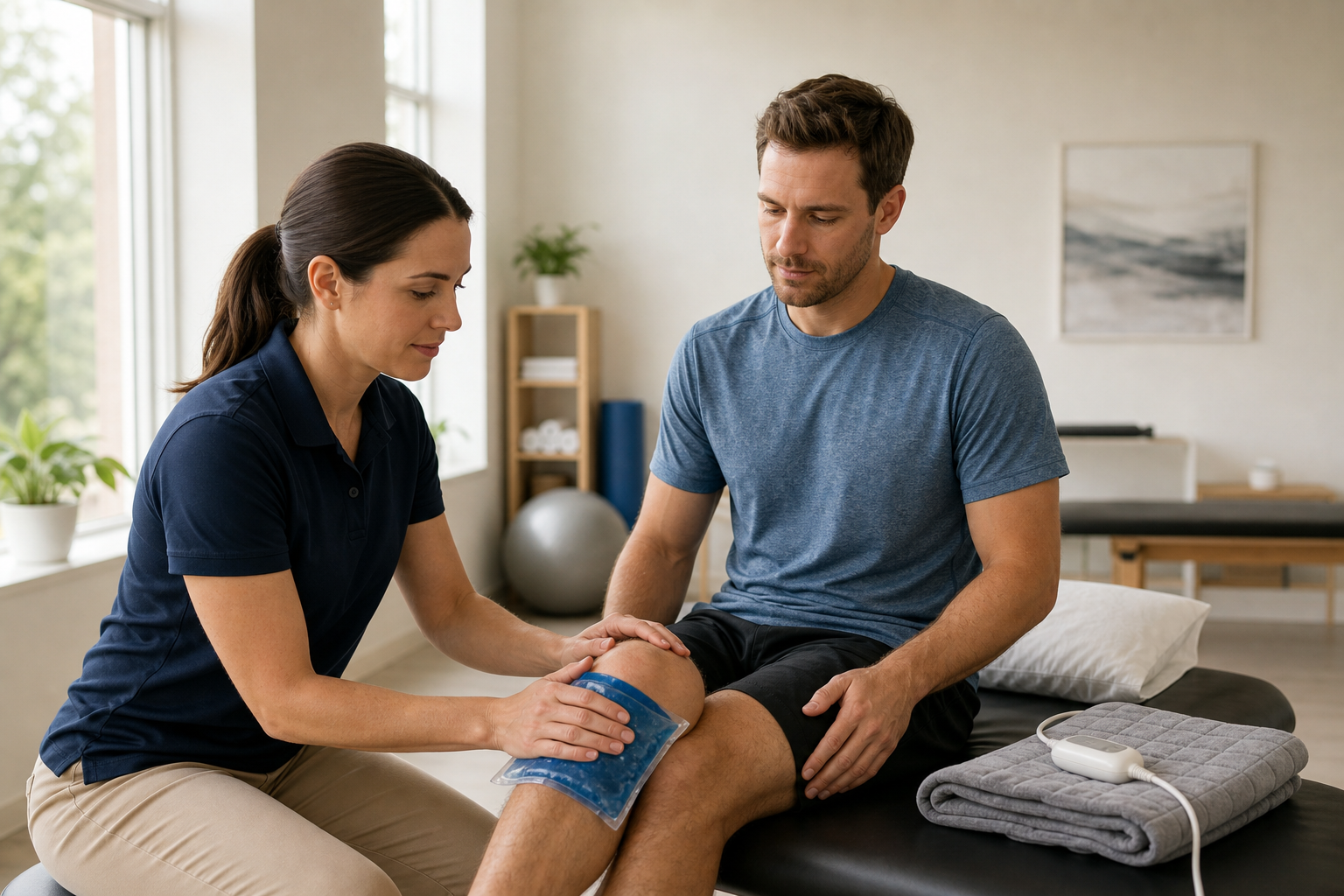
Now, cold therapy—ice packs, gel packs, and yes, sometimes those bags of frozen peas—works differently. Cold causes blood vessels to constrict (narrow), which reduces swelling and dulls pain signals. A 2017 study in Arthritis & Rheumatology found that cold packs applied after exercise significantly reduced inflammation markers in people with knee arthritis. In other words, ice is your friend for swelling and fresh injury.
But here's where most folks get tripped up: Heat and cold aren't interchangeable. They're powerful when used right, and downright frustrating when used wrong.
When to Use Heat vs Cold: The Cheat Sheet Your Grandma Never Gave You
- Acute injuries (sprain, strain, sudden swelling): Reach for cold. The first 48-72 hours are prime time for ice.
- Chronic joint pain (arthritis, old injuries, long-term aches): Heat usually feels better and helps you move more easily.
- Morning stiffness or tight muscles: Moist heat (like a heating pad or warm shower) can be a game-changer.
- Flare-ups (new swelling, red or hot joints): Stick with cold until swelling subsides.
- Combination cases (stiff and swollen): Alternate between heat and cold—but never apply both at the same time.
There's nuance, of course. I've had patients who swear by heat for everything, and others who use ice packs on old injuries with great results. If you're not sure, listen to your body—and always talk to your doctor, especially if you have circulation problems, neuropathy, or open wounds.
Heat Therapy: Pros, Cons, and My Favorite Way to Use It
Let me tell you, I probably recommend moist heat pads more than any other single product in my practice. Why? Because they're simple, affordable, and incredibly effective for chronic joint pain.
- Best uses: Chronic arthritis, muscle spasms, post-activity soreness, morning stiffness
- How to use: 15-20 minutes at a time, 2-3 times a day
- Caution: Don't use heat on freshly injured (swollen or bruised) areas, as you might increase inflammation
One product I keep seeing (and using) is the Pure Enrichment PureRelief XL Heating Pad. It's extra large, covers more surface area (think hip, back, or both knees at once), and has a moist heat option. I like that it also shuts off automatically—no more waking up in the night sweating because you forgot to unplug it.
(Full disclosure: I've personally used this on my own cranky shoulder after an old sports injury.)
But it's not just about the pad. The real key is consistency—applying heat regularly can make a big difference over time for arthritis and chronic pain.
Cold Therapy: When (and How) to Use Ice Without Going Overboard
Cold therapy shines in those moments right after an injury, or when you feel swelling and redness around a joint. That's when your body is sending inflammatory chemicals (think prostaglandins, histamine) to the area, making everything feel hot and tender.
But here's the real kicker—using ice too long can actually slow healing, especially if you leave it on for more than 20 minutes at a time. I see this a lot in weekend warriors who slap on an ice pack and get distracted by Netflix. My advice? Set a timer, and always always use a cloth barrier to avoid frostbite. No one wants freezer burn on top of joint pain.
What the Research Really Says — Past the Headlines
Most articles skim the surface, but let's go a bit deeper. A 2014 meta-analysis in the Journal of Rehabilitation Medicine reviewed 34 studies comparing heat and cold for osteoarthritis. The verdict: Both heat and cold provided significant pain relief, but heat was slightly better for improving movement and flexibility.
Another study from 2018 in BMJ Open tracked nearly 500 patients with knee osteoarthritis. They found that alternating heat and cold (contrast therapy) reduced pain scores by about 33% in four weeks. Not bad, especially considering how few side effects there are compared to pills.
Now, I know some experts say the placebo effect plays a role. That's fair—expectation is powerful. But when you've seen people walk into your clinic barely able to bend their knee, and walk out smiling after 15 minutes with a heating pad? Placebo, schmlacebo. The relief is real.
Combining Heat, Cold, and Other Pain Relief Options
I'll be honest: For stubborn joint pain, I rarely recommend heat or cold therapy alone. They work best as part of a toolkit—and that toolkit should include movement, healthy weight management, and, yes, sometimes a good topical or supplement.
For example, many of my patients layer heat with gentle exercise (like a few minutes of range-of-motion stretches) and then rub in a topical NSAID. Voltaren Arthritis Pain Gel is a go-to for a lot of arthritis sufferers. It's FDA-approved, non-greasy, and backed by strong research. One 2022 study in Pain Medicine showed a 46% reduction in pain after two weeks of regular use. If you want to combine it with heat therapy, just be sure to apply the gel AFTER using any heating pad—never before, as heat can increase absorption too much and irritate the skin.
Supplements can play a role, too. I know this is unpopular in some physical medicine circles, but I've seen solid results with certain joint formulas (especially those with glucosamine sulfate, chondroitin, and boswellia). If you choose to go this route, look for real dosages: 1500mg glucosamine sulfate is the sweet spot, according to a 2015 Cochrane review.
Practical Tips (From My Clinic and My Couch)
- Time your therapy: Ice early (first 48 hours of injury), heat later (chronic aches, pre-activity).
- Moist heat works better: Dry heat can dehydrate tissues; moist pads or warm towels penetrate deeper.
- Never sleep with a heating pad on: Even with auto shut-off, it's just not worth the risk.
- Alternate for stubborn pain: Try 5 minutes of cold, 10 minutes of heat, repeated 2-3 times. (Contrast therapy is backed by both science and tradition.)
- Listen to your body: If something makes the pain worse, stop. Simple, but you'd be surprised how often this is ignored.
- See a pro if pain persists: Ongoing joint pain deserves a doctor or PT's eyes—sometimes it's a sign of underlying damage.

Heat vs Cold: Is One Truly Better?
This is the million-dollar question, right? If you've made it this far, you're probably still wondering which one to grab from the medicine cabinet tonight. The honest answer: It depends on the type (and timing) of your joint pain.
For sudden swelling, redness, or injury: start with cold. For long-term stiffness, tightness, or "weather-predicting" arthritic joints: heat is your ally. And if you're in that gray zone—aching yet puffy—alternate. I can't tell you how many times a patient found their sweet spot not with either/or, but both/and.
One last thing: don't expect miracles overnight. Consistency wins here. And remember, if you're dealing with new, severe, or odd pain (persistent redness, fever, can't move the joint), it's time for a doctor visit.
The Real-World Takeaway (What I Tell My Own Family)
Look, I've treated everyone from marathon runners to my own mother-in-law (she's stubborn, but that's another story). Here's what I've learned: Heat and cold are safe, affordable, and remarkably effective—if you use them wisely and pair them with smart movement and, when appropriate, topical or nutritional support.
If you're curious about a heating pad that won't leave you fiddling with old-school hot water bottles, check out the Pure Enrichment PureRelief XL Heating Pad. For topical relief, Voltaren Arthritis Pain Gel is hard to beat for most arthritis flares.
And as always—give your body grace. Some days, all you can manage is a few minutes with a heat pad and a deep breath. That's still progress.
Stay curious, stay moving, and reach out with questions. This is Dr. Michael Torres, DC—hoping you find the mix that gets you back on your feet (or, at least, makes sitting a little less of an ordeal).
Dr. Michael Torres, DC
Board-Certified Chiropractor & Nutrition Counselor
Contributor, JointReliefReviews.com