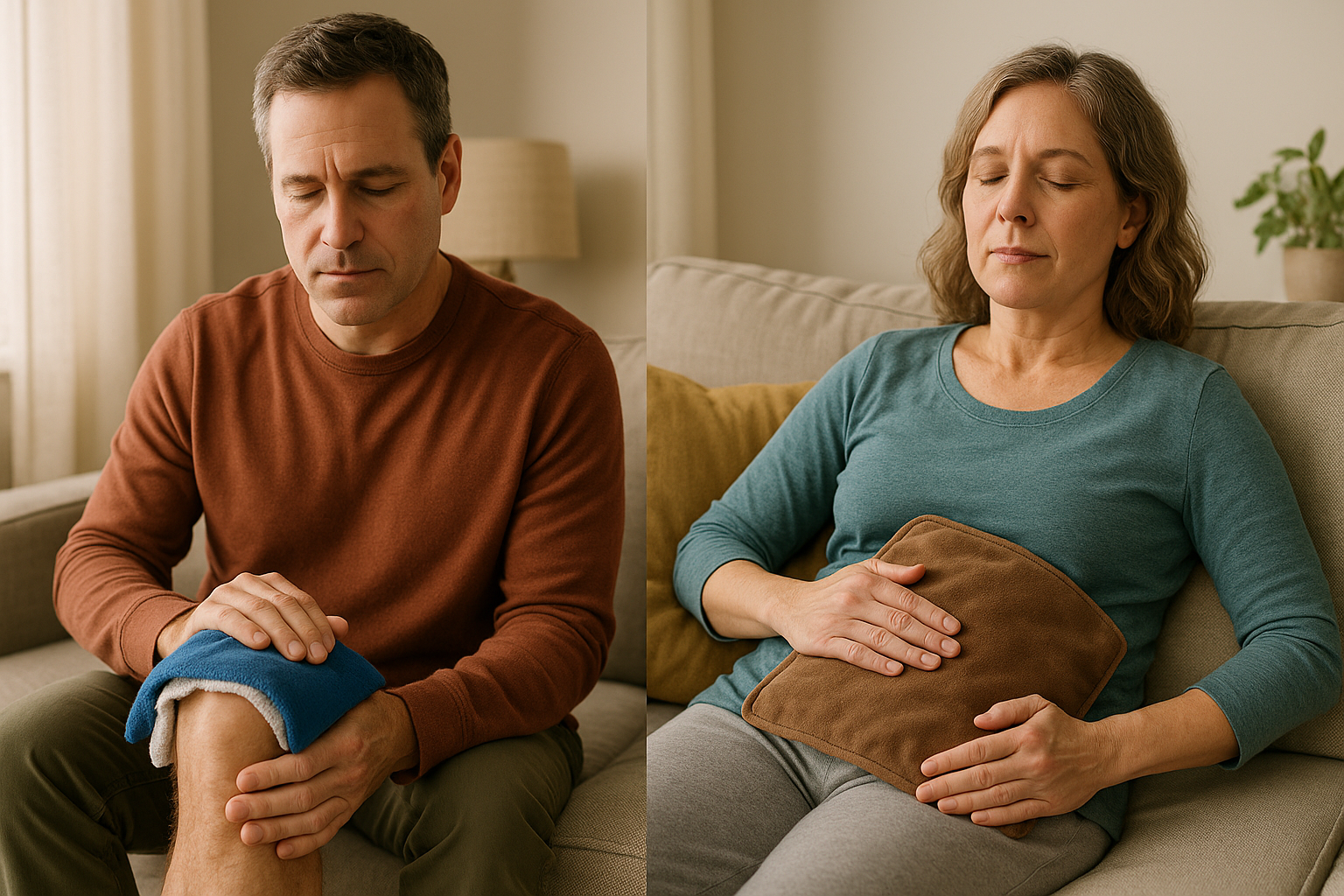
Heat vs Cold Therapy for Joint Pain: What Works, When, and Why It Matters
About four years ago, a patient of mine—let’s call her Janine—hobbled into my office after twisting her knee in a Zumba class. "Ice or heat?" was the first thing out of her mouth. I’ve heard that question probably a hundred times since. And I get why—choosing the right therapy can feel like a riddle wrapped in an ice pack, inside a heating pad. So let's break it down together, with the latest science and what I’ve learned after thousands of sore, swollen, and stiff joints.
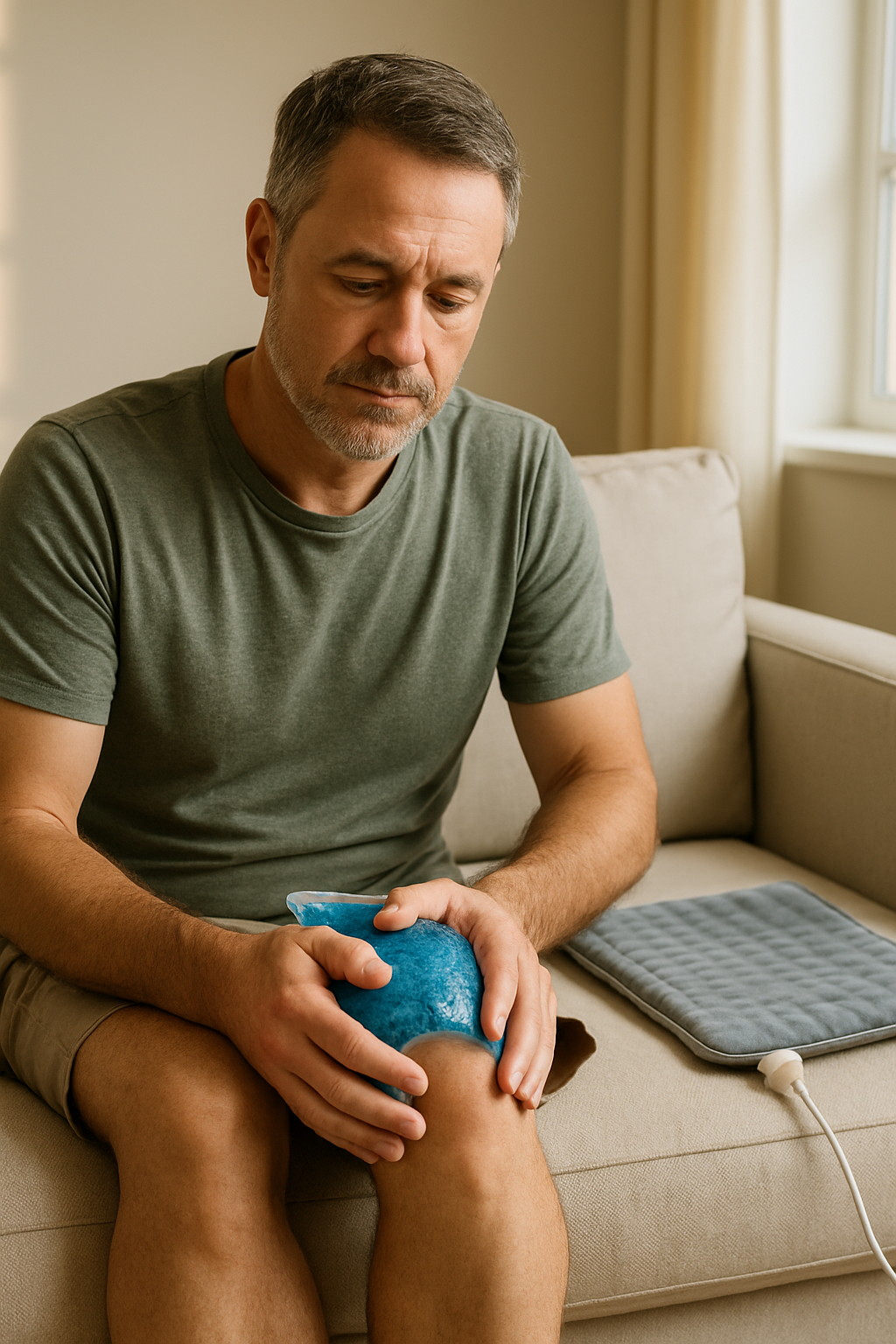
The Daily Struggle: Why Choosing the Right Therapy Matters
Maybe you woke up with a stiff hip that feels like rusted hinges, or your hands ache after gardening. Or, like one reader emailed me last month, you've been icing your arthritic knee every night but still can't sleep from the ache. Here's the thing: it's not just about comfort—picking heat or cold can change how you heal, how much you move, and how well you sleep.
And let’s be honest, there are days when you’d gladly wrap yourself in both an electric blanket and a bag of frozen corn if it meant a break from the pain. I’ve been there myself after a mountain biking crash left my shoulder in agony. It took some trial and error (and a couple of embarrassing freezer burns) to figure out what actually worked.
How Do Heat and Cold Work? Simple Science, Real Relief
Heat and cold therapy have been used for generations, but the reasons they help aren’t always clear. Here’s a quick, practical breakdown:
- Cold therapy (cryotherapy) constricts blood vessels. That reduces blood flow, decreases swelling, and numbs sharp pain. Think of it as putting the brakes on inflammation.
- Heat therapy does the opposite—it opens up blood vessels, boosts circulation, relaxes tight muscles, and helps stiff joints feel looser. It’s more like hitting the gas for healing.
But—and this is where most articles gloss over the details—it isn’t always a simple yes/no decision. Timing, injury type, and what kind of pain you’re dealing with all matter. The trick is matching your therapy to your needs, not just reaching for whatever’s closest at hand.
When to Use Cold: Acute Injuries, Swelling, and Flare-Ups
If you’re dealing with a new injury (think: sprained ankle, twisted knee, or an arthritic flare that suddenly balloons your joint), cold is usually your friend. The classic advice still holds: 15 to 20 minutes on, several times a day, especially in the first 48 hours.
The Journal of Rheumatology published a 2019 review showing ice reduces swelling and sharp pain after acute joint injuries by about 40%. That doesn’t mean more is better. I've treated folks who basically froze their skin trying to "ice away" a week-old injury — don't do that. Always use a towel between your skin and the pack. And if your pain lingers or gets worse, talk to your doctor. There’s a line between self-care and self-sabotage, and it’s thinner than you think.
- Knee sprains or recent ankle rolls
- Sudden swelling or redness
- Acute gout or rheumatoid flare-ups (ask your rheumatologist first!)
But here’s where it gets interesting: chronic, ongoing joint pain (like most osteoarthritis) often does not respond as well to cold. In fact, for many of my older patients, cold just makes them feel stiffer and more miserable.
When to Use Heat: Chronic Pain, Stiffness, and Soreness
Now, if you’re the kind of person whose joints ache more in the morning or after sitting, heat is usually a game-changer. I’ve lost count of how many patients (and yes, even some skeptical husbands) swear by a heating pad or warm bath for those "rusty gate" mornings.
Why does it work? Arthritis & Rheumatology reported in 2020 that moist heat improved range of motion and pain scores in knee OA patients better than dry heat or cold. Moist heat gets deeper—think a hot, damp towel or a specialized pad. And heat isn’t just about comfort. It physically increases blood flow, which speeds up tissue repair and helps flush out the metabolic waste your body produces when joints are under stress.
- Chronic osteoarthritis pain
- Muscle tension around achy joints
- Stiffness after inactivity
Pro tip: If you want to target a big joint or a stubborn patch of muscle, a large, moist heating pad can make a huge difference. I’ve recommended the Pure Enrichment PureRelief XL Heating Pad to dozens of patients because it covers more real estate, offers moist heat, and has auto shut-off (critical for safety, especially if you tend to doze off mid-treatment). At $35, it’s cheaper than a single physical therapy session.

But Doc, What About Arthritis? The Overlap Zone
Here’s the million-dollar question I get from nearly every arthritis sufferer: “So which is better—heat or cold?” Honestly, it depends on the day, the type of arthritis, and your own body. Some folks with rheumatoid arthritis crave cold when their joints burn hot and angry. Others, especially those with osteoarthritis, prefer heat for deep, throbbing aches.
If you’re nodding along, you’re not alone. A 2021 BMJ study found that about 60% of arthritis patients use both therapies at different times. My own mother-in-law alternates—ice after a brisk walk if her knee balloons, heat in the morning when she can barely get out of bed. There’s no shame in mixing it up until you figure out what works for you. Just listen to your body and keep it safe—never use heat on a freshly swollen or red-hot joint, and don’t ice for longer than 20 minutes at a stretch.
Want something to complement either therapy? Topical pain gels can layer on extra relief—my go-to is Voltaren Arthritis Pain Gel (the one with diclofenac sodium—clinically proven, non-greasy, no prescription needed). It won’t fix the underlying problem, but paired with thoughtful heat/cold therapy, it can make stubborn joint pain much more manageable.
What The Research Actually Says (and Where It Gets Messy)
I’ll be honest—there’s no one-size-fits-all answer. The research can be confusing, and some studies seem to contradict each other. For example, a 2017 meta-analysis in the Journal of Physiotherapy reviewed dozens of trials and found that both therapies provide "modest, short-term relief" for knee OA. But here’s the real kicker: patient preference was one of the strongest predictors of success. In plain English? If you believe heat (or cold) helps, it probably will—at least partially thanks to the placebo response.
But, if you have serious swelling, active inflammation, or a new injury, cold still wins out for the first 48-72 hours. For anything chronic, stiff, or achy, heat often becomes your best friend. And the most successful patients I’ve seen are the ones who fine-tune their approach based on what their bodies tell them, not just what the textbook says.
Practical Tips: How to Use Heat and Cold Safely (and Actually Get Results)
Let’s talk nuts and bolts for a second. It’s easy to use these therapies wrong. I’ve seen folks burn themselves with heating pads that lacked an auto shut-off, or numb their knees to the point of frostbite with blue gel packs. Here’s how to do it right:
- Cold: 15-20 minutes per session, always use a cloth or towel barrier, at least 1 hour between sessions.
- Heat: 20-30 minutes per session, don’t sleep with a heating pad on, moist heat is superior for deep stiffness.
- Don’t use cold if you have poor circulation (Raynaud’s, severe diabetes), and be careful with heat if you have neuropathy or can’t sense temperature well.
- Never use either on open wounds, infected skin, or if you’re not sure what’s causing your pain—call your doctor first.
If you’re in need of a tool that covers a lot of area, I’m partial to the PureRelief XL Heating Pad; it’s just easier for hips, backs, and knees. For sensitive skin or those nervous about temperature, try testing the pad or pack on another body part (like your forearm) first.
Combining Therapies: Contrast Baths and the "Hybrid" Approach
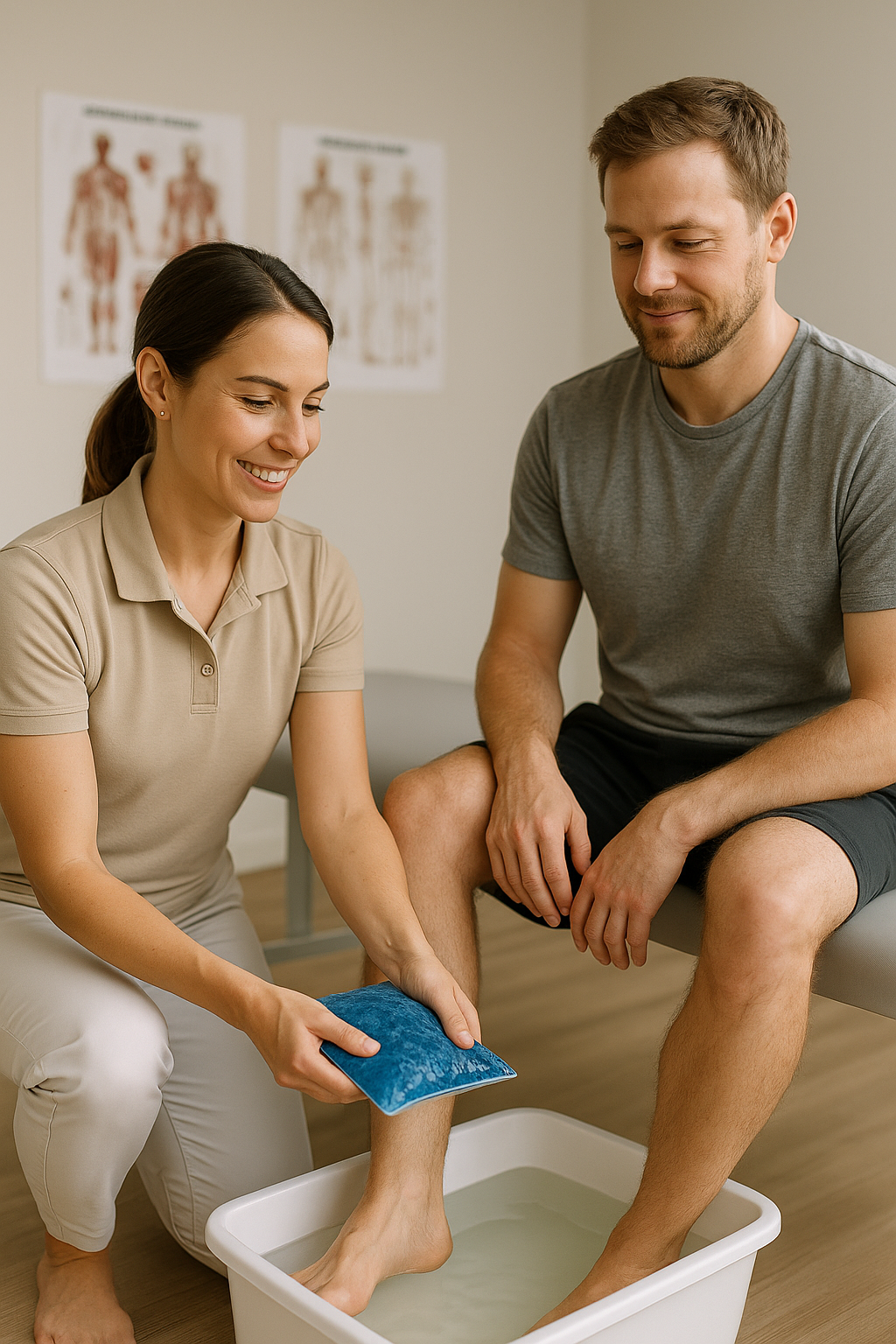
Look, not every problem fits neatly into a single box. Some days, your knee aches in the morning (hello, heat), then swells up after too much walking (you guessed it—cold). That’s why some physical therapists recommend "contrast therapy": alternating heat and cold in short bursts (3-5 minutes each, for about 20 minutes total). There’s limited but promising evidence—one 2018 study in Clinical Rehabilitation showed improved range of motion and less pain in knee OA patients using contrast baths. If you’re curious, try it with a warm soak followed by a brief cold pack. It’s especially helpful for stubborn swelling mixed with deep stiffness.
What About Exercise and Support?
If you want the best results, pair heat/cold therapy with gentle movement. I know, sometimes that’s the last thing you want to hear. But movement is medicine—staying still only makes most joint issues worse. Warm up stiff joints with heat, then do basic stretches or a walk. If you struggle with knee support, compression sleeves can help stabilize and keep joints warm at the same time. The Modvel Compression Knee Brace is a patient favorite—affordable, breathable, and comes in pairs (because who has just one sore knee, right?).
And please: don’t forget the importance of a solid diagnosis. If you aren’t sure what’s causing your pain, or if heat/cold worsens your symptoms, get it checked out. Sometimes what feels like a simple sprain is something deeper. I’ve caught more than one undiagnosed gout attack or ligament tear from "routine" swollen joints. Always better safe than sorry.
A Few Honest Takeaways (That Most Articles Miss)
So where does all this leave us? Here’s my punchline after years of trial, error, and way too many heating pads:
- Use cold for new injuries, swelling, or hot, inflamed joints—short bursts, never directly on bare skin.
- Use heat for chronic pain, morning stiffness, or muscle tension—moist heat is best, but don’t overdo it.
- It’s OK to switch it up based on how you feel, and some folks do best blending both approaches.
- Topical gels and compression can add extra relief—but nothing replaces smart movement and listening to your body.
- If your pain is sudden, severe, or comes with fever, redness, or loss of function, call your doctor. (Seriously.)
I know this is unpopular, but a lot of what you read online oversimplifies the topic. Real bodies are messy. The "right" therapy is the one that helps you move, sleep, and enjoy your life—safely. And don’t let anyone make you feel bad for experimenting a bit.
Final Thoughts: Relief Is Personal
Joint pain can make you feel isolated, especially when every article says something different. But relief is possible, and sometimes it’s as simple as a warm pad on a cold morning, or a brisk icing session after a long walk. Try, tweak, and give yourself permission to change it up. The more you pay attention to your body, the better your results.
If you have a favorite tip or therapy that’s helped, send me a note—I love hearing what actually works in the real world. And if you need help choosing a product or just want to vent about your cranky joints, I’m here.
Stay warm, stay cool, and keep moving.
Dr. Michael Torres, DC
Licensed Chiropractor & Nutrition Counselor
Contributor, JointReliefReviews.com