What Does “Bone on Bone” Knee Pain Really Mean?
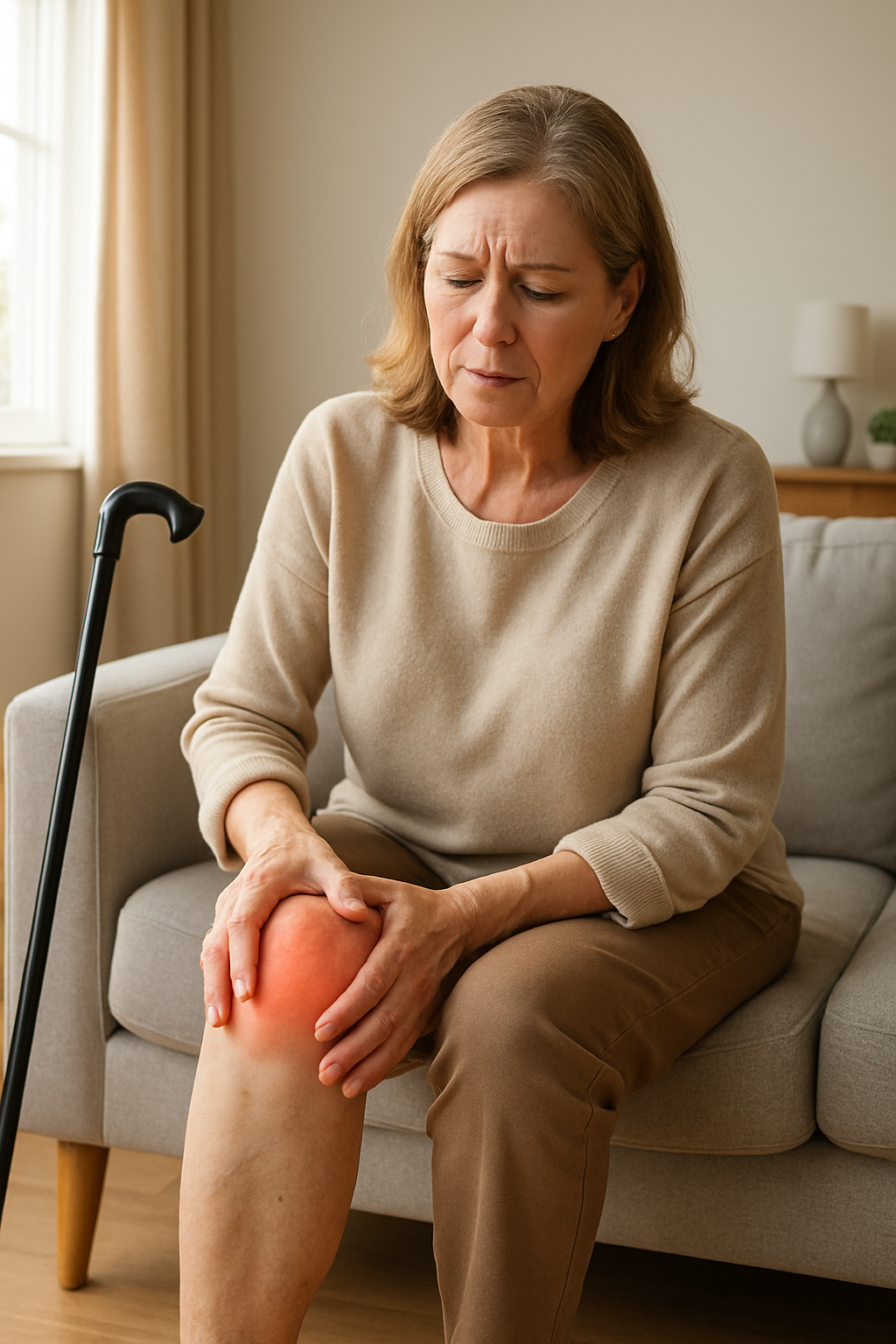
I’ll never forget the day a reader emailed me: “Karen, I just heard my knee X-ray is ‘bone on bone’. Does this mean I’m doomed?” Not at all—but I get the fear. I’ve written about arthritis for decades, and that phrase packs a punch. It usually means severe osteoarthritis—the cartilage that’s supposed to cushion your knee joint is almost completely worn away. Ouch, right?

Here’s the thing: that missing cartilage doesn’t just hurt. It changes the way you walk, sleep, and live. The ends of your femur and tibia rub together, causing pain, swelling, and stiffness. Some people hear grinding or popping, others just feel an ache that never leaves. If you’re nodding along, you’re not alone—over 14 million Americans have knee osteoarthritis, and plenty of them are “bone on bone.”
The Daily Struggle Is Real
Look, I know how discouraging it feels to hear “bone on bone.” My mother-in-law quit gardening—her favorite thing—because squatting down made her knee agony flare. A neighbor once told me he times his errands around when the stairs at the grocery store will be empty, just to avoid feeling embarrassed by his limp. These stories come up again and again in my inbox.
The worst part? You might try things that help for a day or two, then—bam!—you’re back at square one. That cycle just wears you down. But here’s where it gets interesting: research shows that pain doesn’t always match the X-ray. (A study in the Journal of Rheumatology, 2018, found that people with “bone on bone” X-rays sometimes had less pain than those with less severe images.) So don’t give up hope—there’s almost always something you can try.
Understanding Why “Bone on Bone” Hurts
Let’s get nerdy for a minute. Osteoarthritis is a disease of the whole joint—not just the cartilage. Once that cushioning is gone, bones start to grind, and the tissue lining the joint (the synovium) gets inflamed. Joints swell. Muscles and ligaments tighten up in defense, and even your nerves get more sensitive. That’s why the pain can come and go, or suddenly spike after you climb stairs or walk too far.
Here’s what I tell readers: the “bone on bone” part isn’t necessarily what hurts most. It’s the inflammation and muscle weakness around it. That’s good news—because we know how to target those.
What Treatments Can (and Can’t) Do
I know—everyone wants the magic fix. But let me be blunt: there’s no supplement, exercise, or gadget that can regrow lost cartilage. (If there was, you’d see it on the front page of Nature Medicine.) But there are ways to lower pain, improve knee function, and buy yourself more years before surgery. The trick is stacking multiple solutions, not banking on one miracle.
Best Research-Backed Treatments for Bone on Bone Knee Pain
1. Physical Therapy—First Line for a Reason
Study after study shows that targeted exercises work—sometimes as well as injections or painkillers. A randomized controlled trial in Arthritis & Rheumatology (2020) showed that supervised exercise improved pain and mobility in people with severe osteoarthritis, even those with “bone on bone” on their X-rays. The key is strengthening the thigh muscles (quads), improving flexibility, and retraining your balance.
- Tip: You don’t need fancy machines. My favorite resource for patients who want to try at home? Treat Your Own Knees by Jim Johnson. It’s packed with simple drawings, clear instructions (even my non-techie dad could follow), and actionable plans. I’ve seen patients go from barely making it down the hall to walking their dog again using these programs.
2. Supportive Bracing and Compression
Here’s a little controversy: some doctors downplay knee braces, but they’re a game-changer for many with bone on bone pain. I’ll be honest—when my own knees started acting up after years of tennis, I rolled my eyes at the idea. But the research is better than you’d think. A 2019 review in The BMJ found that unloading knee braces can reduce pain and improve walking ability, especially for arthritis on one side of the knee.
- For everyday support, I like the NEENCA Professional Knee Brace. Its side stabilizers and patella gel pad offer real stability—one of my readers with severe OA emailed, “It actually lets me get up off the couch without wincing!” No brace is perfect, but if you haven’t tried a medical-grade one, it’s worth a shot—especially if you’re postponing surgery.
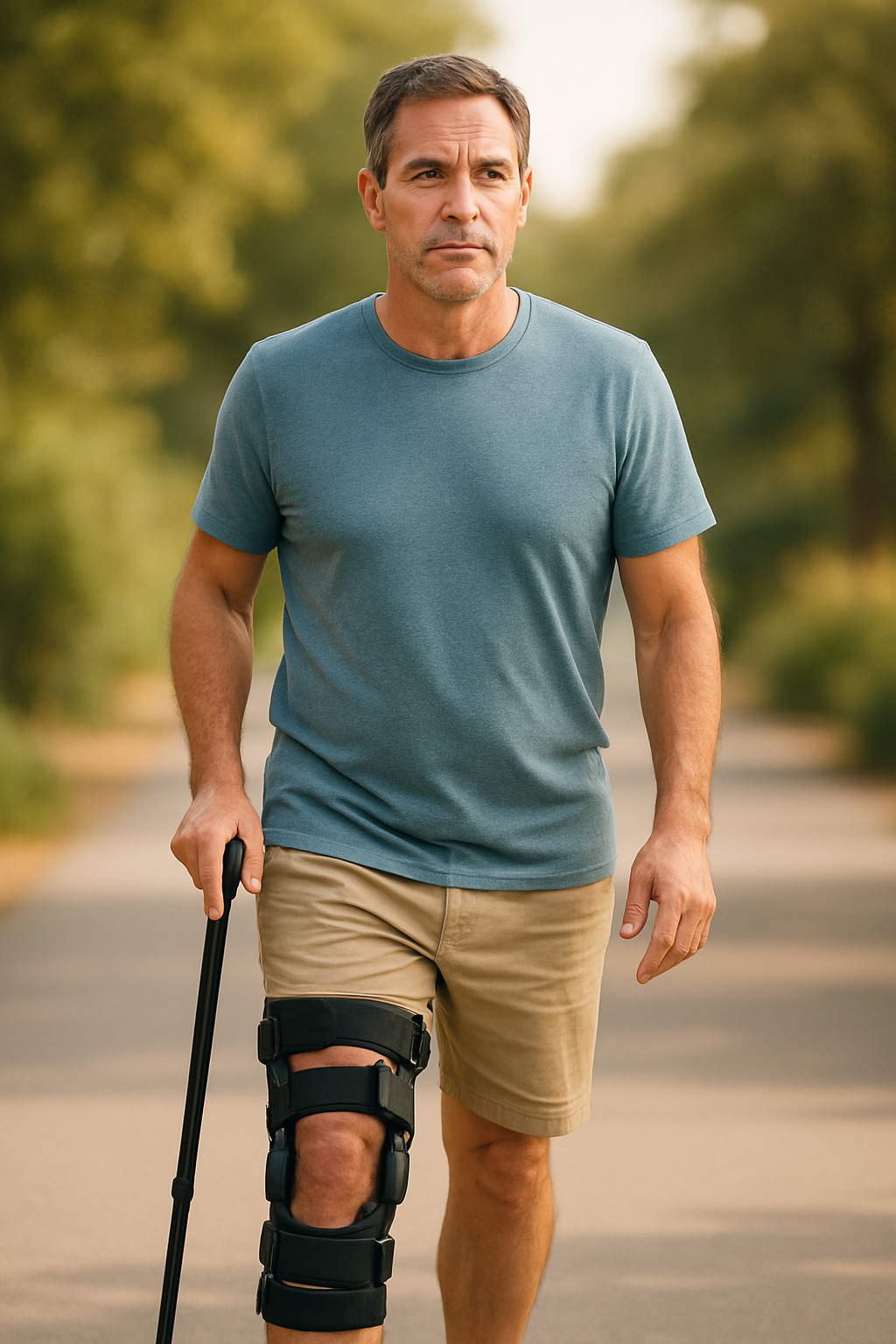
Compression sleeves (like the best-selling Modvel pair) aren’t true braces, but they do help some people feel more secure and reduce swelling. The key is finding one that’s snug but not cutting off circulation—send me an email if you want sizing tips, I get this question all the time.
3. Topical Pain Relief—Is Voltaren Worth It?
Here’s a fun fact: Europe has used topical diclofenac for decades, but it only became easily available in the U.S. in 2020. The Voltaren Arthritis Pain Gel you see on shelves contains the same prescription-level diclofenac that rheumatologists have recommended for years. I’ve used it myself (and my bookshelf is full of grateful thank-yous from readers) for flare-ups and stubborn aches.
- Clinical trials, including a 2018 meta-analysis in Drugs & Aging, found that Voltaren gel reduced pain scores by around 50%—with fewer stomach side effects than oral NSAIDs. It’s not permanent, but for those nights you just need to sleep, it’s a lifesaver.
That said, it’s still a real medicine. Don’t overdo it, and talk to your doctor if you’re using it daily—especially if you have kidney or liver issues.
4. Heat and Cold—Old-School but Effective
I’m a huge fan of XL heating pads—especially on stiff mornings or before activity. Heat boosts blood flow, relaxes tight muscles, and just feels good. Cold packs after activity help reduce swelling and slow down nerve signals. I usually recommend alternating both, depending on your pain pattern.
- Moist heat is best for stiffness. Products like the PureRelief XL pad (look for one that covers the whole knee, not just a tiny patch) can make a difference for morning stiffness or end-of-day soreness.
And—this is crucial—don’t use heat if your knee is visibly swollen and red. In that case, stick to cold until the swelling calms down.
5. Targeted Injections
Now, this is where the conversation gets nuanced. Cortisone shots? They can bring relief, but studies like the 2017 trial in JAMA suggest they may hasten cartilage loss if overused. Hyaluronic acid injections (“gel shots”) are controversial: some people swear by them, others get no benefit, and meta-analyses show only mild average improvement (about a 10-15% pain reduction). I usually tell readers: worth a try if you’re not ready for surgery, but keep expectations realistic.
6. Surgery—Last Resort, Not First
Knee replacement gets a lot of buzz—and for good reason. For many, it’s life-changing. But don’t let anyone rush you. The average artificial knee lasts 15-20 years, so if you’re under 65, most surgeons will urge you to hold off as long as you safely can. I’ve seen too many patients do too much too soon, only to need a second operation a decade later.
Other Approaches—What the Research Says
Supplements: Glucosamine, Chondroitin, and the Rest
I get asked about these more than anything else. The honest answer? The science is mixed. Some randomized trials (like the big 2016 review in BMJ) found no meaningful difference between glucosamine (1500mg daily) or chondroitin (1200mg) and placebo for bone on bone knee pain. But—here’s where it gets tricky—some people swear they feel better. My advice: if you want to try, give it 2-3 months. If you don’t notice real improvement, save your money. And always let your doctor know, since supplements can interact with other meds.
Weight Loss—Yes, Even Five Pounds Helps
No one likes to hear it, but dropping even 5-10% of body weight can slash knee pain by 30-50%, based on multiple studies in Arthritis Care & Research (2018). I know that’s easier said than done when your knee hurts, but every pound off means four pounds less pressure on your joint. Walking, cycling, or gentle water aerobics can help make this more manageable.
Mind-Body Techniques
Don’t roll your eyes. Pain is complicated—your brain is part of the equation. Guided imagery, breathing, and even cognitive-behavioral therapy are increasingly being recommended in expert guidelines. Pain psychologists know their stuff, and for chronic, daily pain, these shifts in mindset can be as valuable as physical treatments. I’ve seen it firsthand in patients who went from feeling helpless to actively managing their flares.
Practical Tips: Stacking What Works
If you’re reading this mid-flare, here’s what I usually recommend people try—based not just on research, but on years of talking to real patients and their families:
- Stick with a structured exercise plan, even if it’s just 5 minutes at first (Treat Your Own Knees makes this realistic for most folks)
- Use a medical-grade brace on busy days or when walking is tough
- Apply Voltaren gel for temporary pain relief (don’t use on broken skin and chat with your doctor if you take other meds)
- Ice after activity, heat before movement—never both at once
- Consider a visit with a pain psychologist or PT who specializes in arthritis
- Be realistic, and give yourself grace—progress isn’t always linear

The Real Kicker: Hope Isn’t Lost
Just because your X-ray says “bone on bone” doesn’t mean you have to accept agony. I’ve seen people of all ages learn to manage their pain and reclaim activities they love—no miracle cure required. Yes, some days are still hard. But small wins add up: one less night waking in pain, one more walk around the block, a laugh with a grandchild without that grimace.
If you’re feeling overwhelmed, pause. Try one thing this week—just one. Maybe it’s dusting off your old heating pad, or finally trying those gentle exercises (I still flip through Treat Your Own Knees when I need a refresh). Progress starts with small steps.
A Final Thought
Living with bone on bone knee pain isn’t easy, and there’s no one-size-fits-all answer. But you do have options. And if you ever want to send me your story or ask a question, my inbox is always open. Here’s to fewer bad days ahead—and maybe even a few great ones. Take care.
— Karen Whitfield, veteran health journalist and patient advocate