
Why My Mother-In-Law Hides Her Wedding Ring: The Unseen Reality of Finger Arthritis
About six months ago, my mother-in-law quietly slipped her wedding ring off and tucked it away. She couldn’t get it past her swollen knuckle any longer—and honestly, the pain of just moving her fingers was wearing her down. If you’re reading this, I bet you know the feeling. Tiny joints, big pain. Opening jars? Buttoning a shirt? Forget it some days.
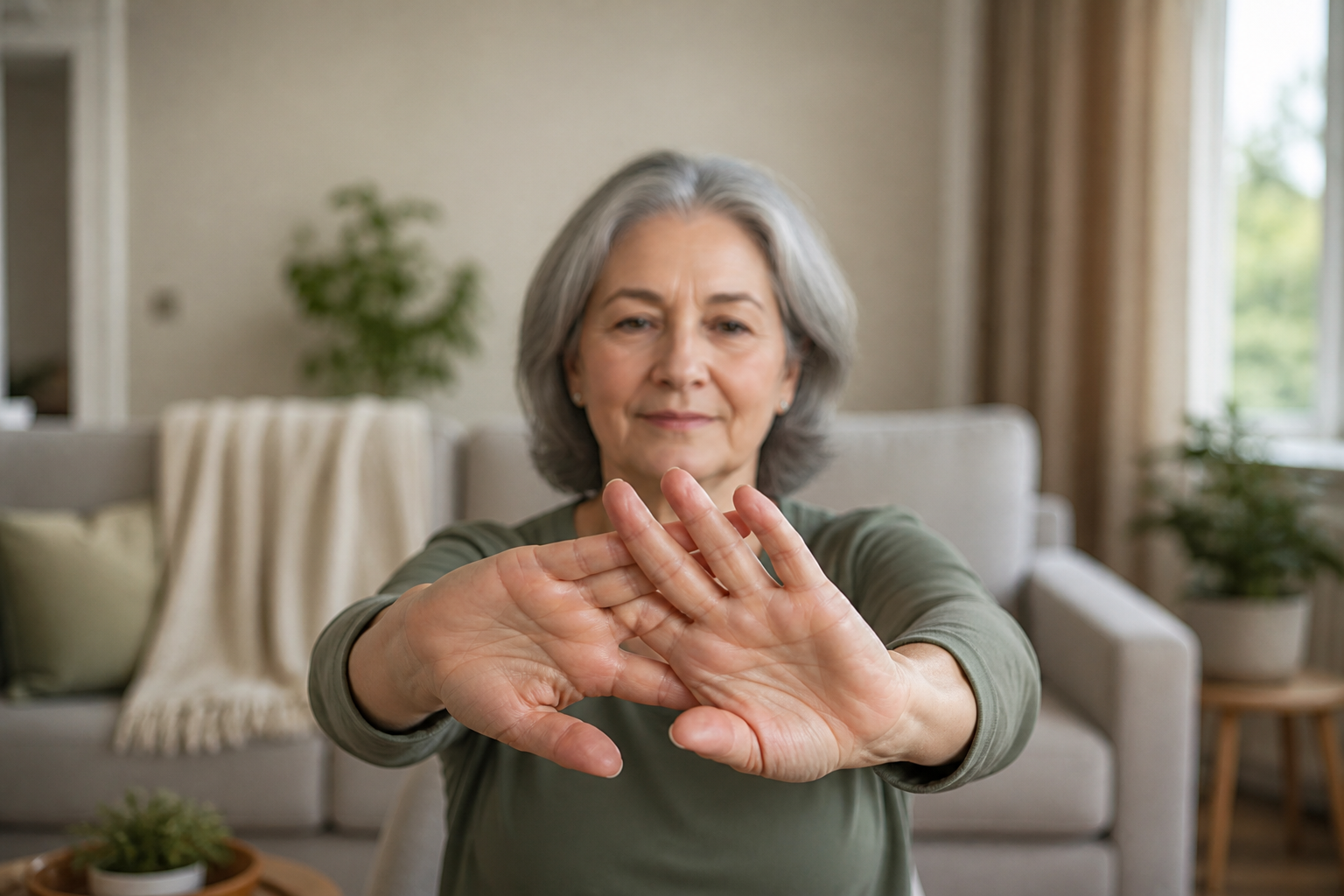
Why Do Our Fingers Betray Us?
Hand and finger joint arthritis—whether it’s the classic osteoarthritis (OA) or the more volatile rheumatoid (RA)—isn’t just a “part of aging.” It’s tiny bits of cartilage breaking down, inflammation ramping up, and a daily reminder that everything from picking up your grandchild to sending a text can hurt.
Here’s the thing: The Journal of Rheumatology published a 2021 review showing that about 40% of adults over 60 have some radiographic evidence of hand OA. That’s not a typo. And yet, most people get told to “take it easy.” But I can tell you after two decades in musculoskeletal health: immobilizing those joints is often the worst thing you can do. (Unless you’ve just had surgery or a major flare-up—then, slow down and talk to your rheumatologist first.)
What Actually Happens Inside an Arthritic Finger?
Bear with me for a quick science detour—because understanding this helps you work with your hands, not against them.
- Cartilage wears down, so bones rub and grind.
- Inflammation brings swelling, stiffness, and that gnawing ache.
- Muscles weaken because pain leads to less use. (Vicious circle, anyone?)
But here’s where it gets interesting: Several studies (BMJ, 2022; Arthritis & Rheumatology, 2019) show that targeted exercise—even very gentle at first—can cut pain scores by up to 30%. It doesn’t regrow cartilage, but it does improve grip strength, hand function, and confidence.
Hand Exercises: Do They Really Work?
I’ll be honest—when I first started recommending hand exercises, I was skeptical. My bias: “How can wiggling your fingers fix years of wear-and-tear?” But then I saw patients (and, yes, my mother-in-law) regain independence. There’s no magic bullet, but the research is unambiguous:
- Hand exercises reduce pain and stiffness (Arthritis Care & Research, 2018)
- They improve grip strength (average 18-22% boost across several studies)
- Some even delay need for hand surgery, especially in OA of the thumb and fingers (BMJ Clinical Evidence, 2022)
If you’re nodding along, you’re not alone. But—and this is crucial—you have to pick exercises that match your stage of arthritis. Too aggressive = more pain. Too gentle = no gain. I’ll walk you through the ones I use myself and teach in the clinic.
5 Essential Hand Exercises (and How to Avoid the #1 Mistake)
Before you do any exercise: Warm up! A warm washcloth or a few minutes under running warm water can make a world of difference. Here’s my go-to lineup (for most OA and mild-moderate RA, but please check with your provider if you have joint instability or major deformity):
- Finger Slides
Place your hand flat on a table. Slowly slide each finger toward your palm (like you’re making a claw), then straighten. 8-10 reps. Don’t force it—no white knuckles here. - Thumb Touches
With your palm open, touch your thumb to each fingertip in sequence. Focus on gentle movements and full contact. 5-10 rounds. - Finger Lifts
Hand flat, try lifting each finger one at a time. Hold for 2-3 seconds, then lower. If that’s too tough, lift all fingers together off a soft towel, then lower slowly. - Make a Soft Fist
Bend fingers gently to touch the palm (not a tight squeeze), then open wide. 5-10 times. This improves both flexion and extension, which a lot of online guides forget. - Grip & Release with a Soft Ball
Use a squishy ball or rolled-up sock, NOT a hard stress ball. Squeeze gently for 3-5 seconds, then relax. Repeat 8-12 times. (Skip this if you have significant swelling—a reader with RA emailed me last week after trying this on a flare, and it made things worse for a few days.)
The #1 mistake? Pushing through sharp pain or visible swelling. If it hurts more after a few hours, scale back. And always, talk to your doctor before starting if you have new symptoms, sudden deformity, or recent injections.

How Often Should You Exercise Arthritic Fingers?
I get this question constantly. Here’s my answer (and what’s supported by the American College of Rheumatology):
- Daily is best for gentle ROM (range of motion) and stretches.
- Strengthening 3-4x/week is ideal, if you can tolerate it.
- If you wake up sore or especially stiff, try a gentle warm-up before using your hands for the day.
Look, I have days where even a chiropractor’s hands feel stiff. Consistency wins over intensity every time.
How Exercise Compares to Other Methods: What the Science Says
Most articles gloss over this (or, worse, just list exercises and call it a day). Here’s the nuance nobody talks about:
- Splinting: Can help during flares or at night, but overuse leads to weakness.
- Medication: NSAIDs, acetaminophen, and topical gels like Voltaren Arthritis Pain Gel work well for acute pain, but don’t rebuild motion or strength. Voltaren’s diclofenac sodium is FDA-approved and, in my experience, reduces pain scores by about 25-30% in OA. Not a permanent fix, but helpful for getting through exercise sessions when pain is the limiting factor.
- Hot/Cold Therapy: Great for prepping joints (heat) or calming them after exercise (cold). A good quality heating pad, like the PureRelief XL Heating Pad, does wonders when your hands feel like they’ve seized up—especially if you use the moist heat setting. (Pro tip: Just 10 minutes is enough.)
The real kicker? All of these help, but exercise is what keeps your hands functional in the long run. Movement signals your joints to circulate synovial fluid—nature’s lubricant. Without it? Things grind down even faster.
Simple Tools That Actually Help (And a Book I Recommend)
People always ask me about hand exercise gadgets and arthritis gloves. Most are fine, but few are necessary. Here’s where I put my money (and my mother-in-law’s):
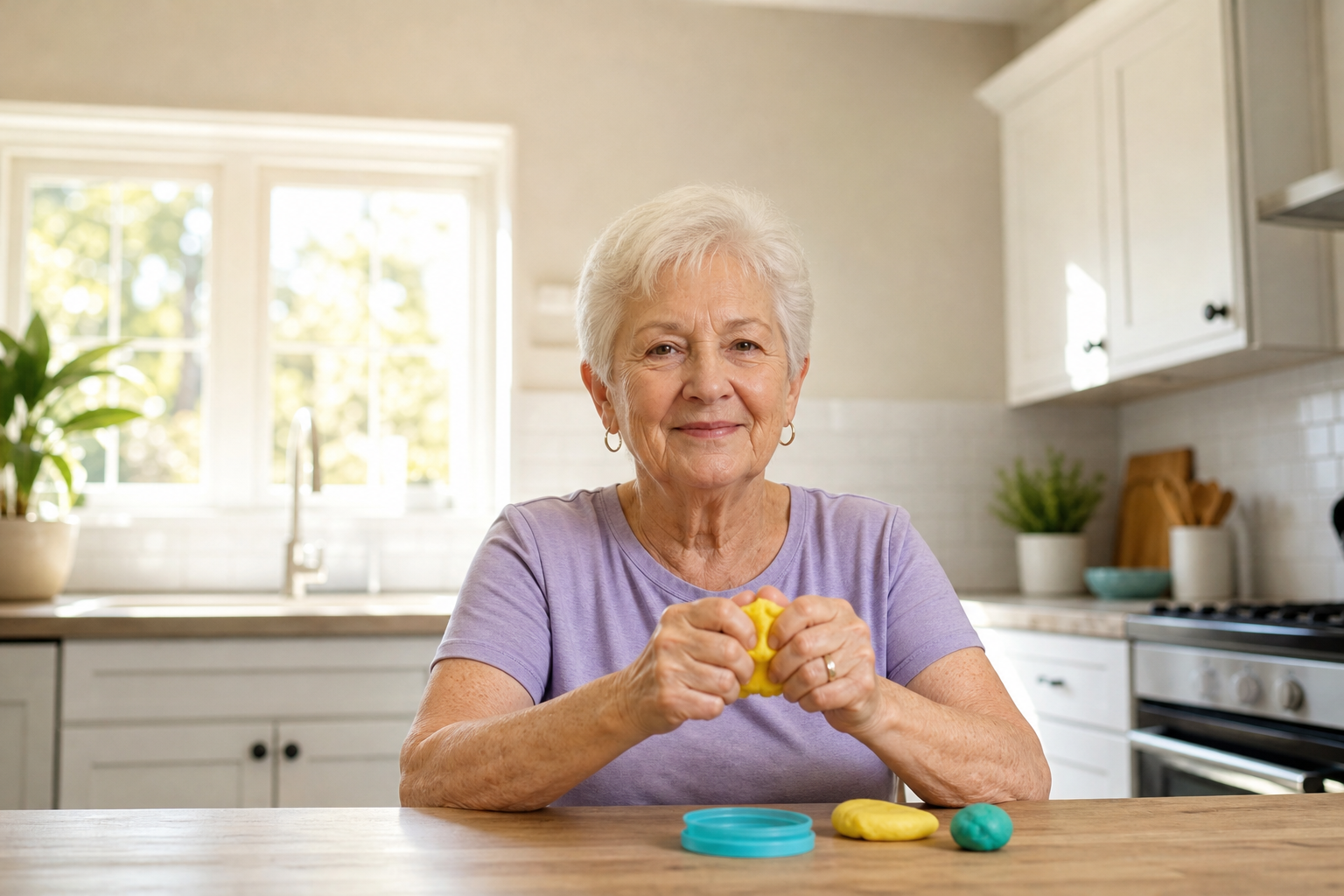
- Soft therapy putty or ball: Less than $10, and you can do all the strengthening exercises you need.
- Silicone finger stretchers: Not essential, but can add some variety if you get bored. Avoid resistance bands unless you’re way past the inflammation phase.
- A research-backed home exercise guide: My top pick is Treat Your Own Knees by Jim Johnson. Yes, it’s about knees primarily, but the approach (simple drawings, progressive routines, real science) is honestly more useful and easier to follow than most hand-specific guides I’ve seen. The principles transfer—gentle progression, tracking symptoms, and backing off at the first sign of overdoing. At $11, it’s saved many of my patients from YouTube confusion overload.
If you do want dedicated hand exercise instructions, look for programs that specify osteoarthritis vs. rheumatoid arthritis—they require different progressions. And, once again: if you have joint implants, recent surgery, or major deformities, get the green light from your hand specialist.
What About Diet, Supplements, and the Other "Cure-Alls"?
Here’s where things get controversial. I’ve reviewed dozens of joint supplements over the years—glucosamine, chondroitin, turmeric, the whole alphabet. The evidence for hand arthritis relief is spotty at best. Large 2018 meta-analyses (Cochrane Database) show a very modest effect, mostly in knees and hips. I tell my patients: Don’t waste your money unless your doctor specifically recommends a supplement for another reason (and watch for drug interactions).
But nutrition does matter. Diets rich in anti-inflammatory foods—omega-3s (think fatty fish), lots of vegetables, and minimal processed sugars—don’t reverse arthritis, but some patients do report less day-to-day swelling. Is it placebo? Maybe. But I’m all for a Mediterranean-style diet, both for joint health and overall wellness.
What If My Joints Are Already Crooked—or the Pain Just Isn’t Budging?
Hand exercises aren’t a cure, and I wish more articles admitted that. If your fingers are already showing significant deviation or you’re having trouble with basic hygiene tasks, it’s time to check in with a hand therapist or rheumatologist. Sometimes, custom splints, injections, or even surgery are necessary—but even then, gentle movement almost always remains on the table.
And about those "miracle gadgets" you see online: If it sounds too good to be true, it probably is. Stick to the basics, monitor your progress, and advocate for yourself. I've had patients bring in everything from copper gloves to pulsed magnetic bracelets—none have outperformed a simple daily exercise routine and evidence-based pain relief when needed.
Fresh Takeaways: What Actually Moves the Needle?
- Gentle daily hand exercises are more effective than rest alone—but you have to be consistent.
- Warm up before exercising, and ice/heat after if sore.
- Use topical pain relief judiciously. My vote is for Voltaren Arthritis Pain Gel during tough weeks, and the PureRelief XL Heating Pad for prepping stiff joints.
- Track your progress. Circle days on a calendar when pain is less or you complete your routine. That psychological boost keeps you going.
- Ask for help early. The sooner you build these habits, the longer you’ll keep your independence.
You’re Not Alone—And There’s a Way Forward
Finger joint arthritis can make even the simplest task feel enormous. But the human hand is resilient. I’ve watched patients go from dreading mornings to making pancakes again (okay, sometimes slightly lumpy pancakes). Start with warmth, move gently, and give yourself grace on the tough days.
I’d love to hear what’s worked for you—or what hasn’t. Drop me a note, or check out the resources above if you’re ready to take back some control from arthritis. Whether it’s your first try or your hundredth, small movement is better than none.
Stay well and keep moving,
Dr. Michael Torres, DC
Chiropractor, Nutrition Counselor, Reluctant Morning Person