
Why Hand Exercises for Finger Joint Arthritis Are a Game-Changer
I’ll never forget the first time my own father called me, frustration heavy in his voice, because he couldn’t button his shirt. Hands stiff as wood from years of construction work, and now, arthritis was stealing his independence. If you’re nodding along, you’re definitely not alone—finger joint arthritis is a daily battle for millions.
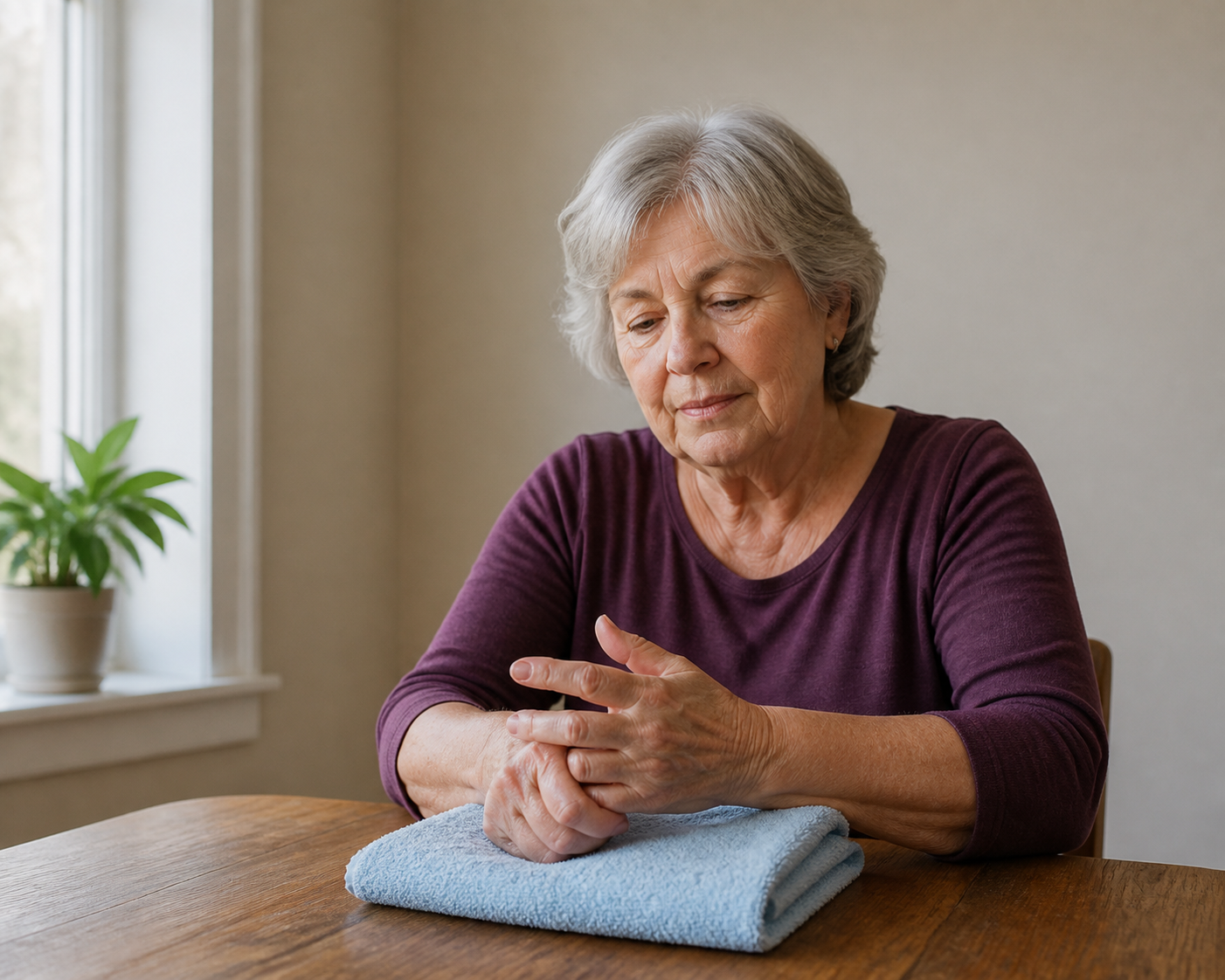
Here’s the thing: most people get told two stories. One, there’s nothing you can do—just “accept” the pain. Or two, buy a gadget or pill that’ll magically fix your joints overnight. But the real answer? It’s somewhere in the middle. And over the past decade, I’ve seen hand exercises transform people from frustrated and dependent to—well, not pain-free, but back in the game. The research backs it up, too.
Living with Stiff, Achy Hands: The Realities of Finger Joint Arthritis
Look, finger joint arthritis isn’t just about pain. It’s about the little things: fumble-prone grip on your morning mug, handwriting that looks like hieroglyphics, lost confidence cutting vegetables. I remember my mother-in-law, who was a wizard with crosswords, suddenly needing help opening the Sunday paper. She hated it. And she’s tough.
The thing that really gets me? How quickly joint stiffness and weakness sneak up. One week you’re fine, the next you’re fighting with buttons or bottle caps. If your knuckles are swollen, tender, or look a bit knobby (classic osteoarthritis), you’re seeing what the Arthritis & Rheumatology journal called "structural progression"—that’s medical-speak for joints gradually losing their flexibility and strength (2018, Vol 70).
Here’s where it gets interesting: the more you avoid using your hands, the stiffer and weaker they get. But “pushing through” the pain without a plan can backfire. I’ve seen both ends of that spectrum, and trust me, there’s a smarter way.
What’s Actually Happening Inside Your Finger Joints?
Let’s make this simple. Arthritis (especially osteoarthritis and rheumatoid arthritis) is like sandpaper wearing on the smooth cartilage that cushions your finger bones. Over time, less padding = more friction = pain, stiffness, and those infamous bony enlargements at the knuckles.
But here’s a crucial twist: the muscles and tendons around your finger joints also get weaker and tighter. The Journal of Rheumatology (2017) reported that targeted hand exercise programs improved grip strength by up to 30% and reduced pain scores by about one-third. Not earth-shattering, but—if you’re struggling with daily tasks—that’s the kind of improvement that matters.
Why do exercises work? When you move your fingers, even gently, you’re increasing blood flow, sending nutrients into the joint cartilage, and signaling your brain to keep those motor pathways alive. It’s not about “no pain, no gain”—it’s about regular, gentle nudges that keep things moving.
The Best Hand Exercises for Finger Joint Arthritis—What Really Works
I’ve reviewed dozens of hand therapy studies, and here’s my honest take: most exercises look pretty boring. But sometimes, boring works. It’s all about consistency, and the right moves. Let’s break down the greatest hits—the ones I recommend to my own patients and family:
- Finger Slides (Tendon Glides): Start with fingers straight, then gently bend the top and middle joints so your hand forms a hook. Hold 3 seconds, straighten, repeat 5-10 times. This wakes up those deep flexor tendons. Especially helpful if your hand feels locked up in the morning.
- Thumb Touches: Touch your thumb to each fingertip, one at a time, making an “O” shape. Focus on accuracy—not speed. This improves fine motor control and stretches those tight web spaces. 5-10 reps per finger.
- Fist to Fan: Gently make a loose fist (don’t force it if it hurts!), then spread fingers out wide like you’re blowing a kiss. Repeat 10 times. This boosts range of motion and gets synovial fluid—the joint’s natural lubricant—moving.
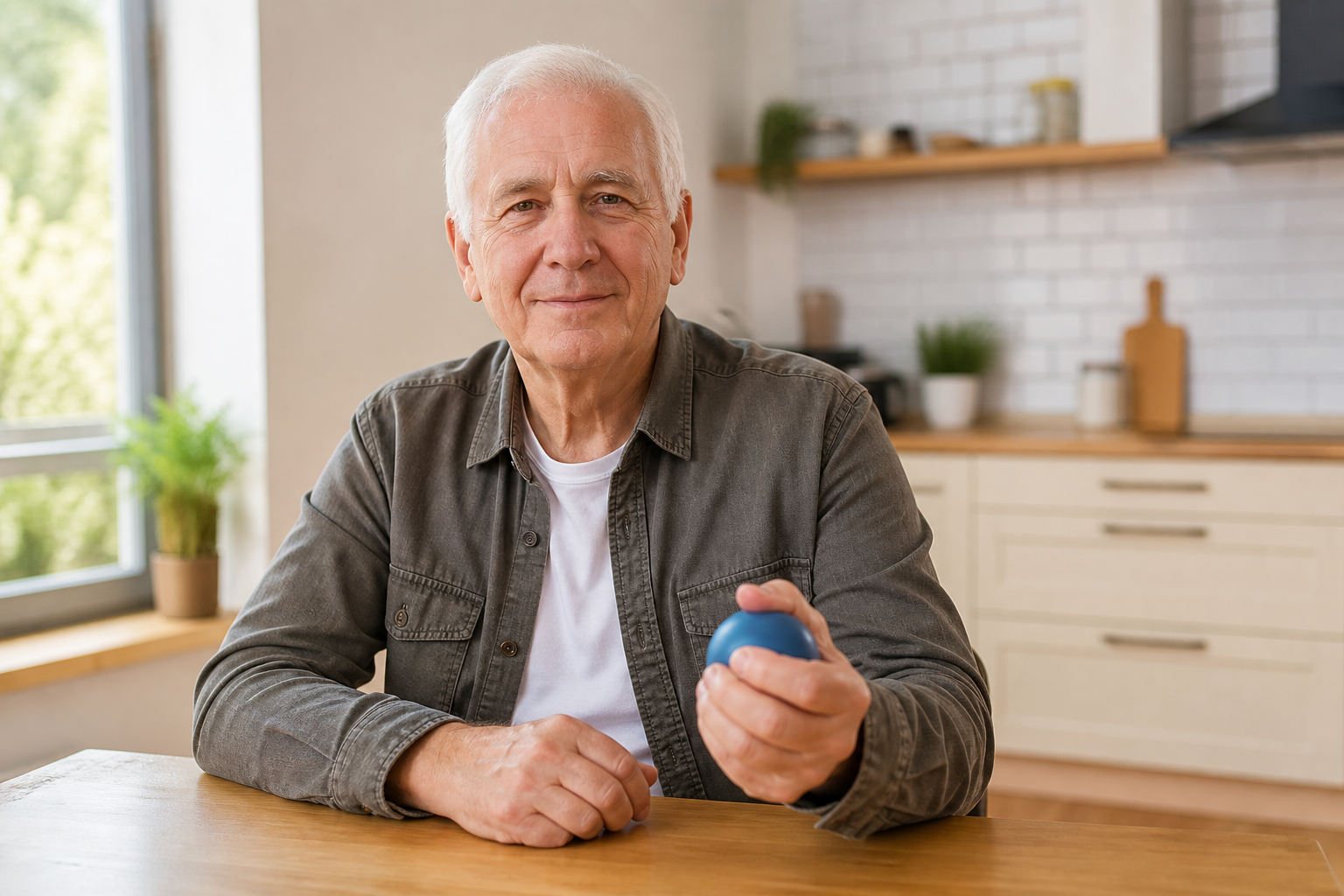
- Soft Ball Squeezes: Use a squishy stress ball or therapy putty, squeezing gently and slowly. Hold 3 seconds, release. Try 8-12 times per hand. (Pro tip: avoid hard balls—they can aggravate inflamed joints.)
- Tabletop Lifts: Lay your hand flat, then lift each finger straight up one by one, holding for a couple seconds. It looks silly, but it’s fantastic for extensor strength and coordination.
Important: If any exercise triggers sharp pain or swelling, back off. Talk to your doctor or an occupational therapist—especially if you have rheumatoid arthritis or are recovering from surgery. The line between helpful movement and overdoing it is a fine one.
How Often Should You Actually Do Hand Exercises?
This is where most folks get tripped up. A 2020 BMJ review found regular practice—about 5-7 days/week, just 10-15 minutes a day—delivered the most consistent improvements in hand function. That’s less time than you’d spend doomscrolling on your phone after dinner.
Morning is my go-to recommendation (think: after a warm shower). But honestly, any time you’ll actually remember is fine. Some of my clients keep a squishy therapy ball by their favorite chair or next to their medications. Others do thumb touches during Netflix. Whatever works.
Managing Pain and Inflammation: Beyond Exercise
Here’s a curveball: exercises work best when your pain is controlled. If your joints are flaring, even gentle movement can feel impossible. That’s why, in my experience, a layered approach works best. Here’s what I see helping most folks:
- Heat Before Stretching: A warm washcloth, microwavable hand pack, or extra-large heating pad (like the PureRelief XL Heating Pad) can make a big difference. The moist heat penetrates stiff fingers, and several studies (see Journal of Hand Therapy, 2019) show improved movement right after warming up.
- Topical NSAIDs: Not gonna lie—oral NSAIDs (like ibuprofen) aren’t a long-term solution, especially for older adults. But topical gels, like Voltaren Arthritis Pain Gel, are an underused tool. Diclofenac sodium actually penetrates the skin and reduces pain right at the source, with minimal systemic effects. The FDA’s been on board since 2020.
- Compression Gloves: Some folks swear by them. Others find them annoying. The science is mixed (Arthritis Care & Research, 2016)—I tell my clients: try them for a week, see if you notice less morning swelling. Just don’t expect miracles.
And of course, always check with your physician or pharmacist before starting any new pain management routine—especially if you’re juggling multiple medications.
Is There a “Best” Way to Structure Your Routine?
This is the question that fills my inbox most often. There’s no magic order, but I can share a simple, research-backed sample routine that’s easy to stick with. Here’s how I often coach clients:
- Start with a warm-up: 5-10 minutes of moist heat, or even running your hands under warm water.
- Run through 3-4 of the above exercises, aiming for 10 reps each. Don’t stress about perfection—the goal is gentle motion, not heroics.
- Finish with gentle self-massage or light stretching (just opening and closing the hand, no force). Some use hand creams for this—nice bonus if your skin is dry.
- If you’re heading out, consider compression gloves or a soft brace for added support.
Consistency is what matters. Set a phone reminder, pair your exercises with a daily habit, or jot them on a sticky note by the coffee pot. No fancy gym membership required.
Hand Exercise “Cheats”: Tools and Products That Can Help
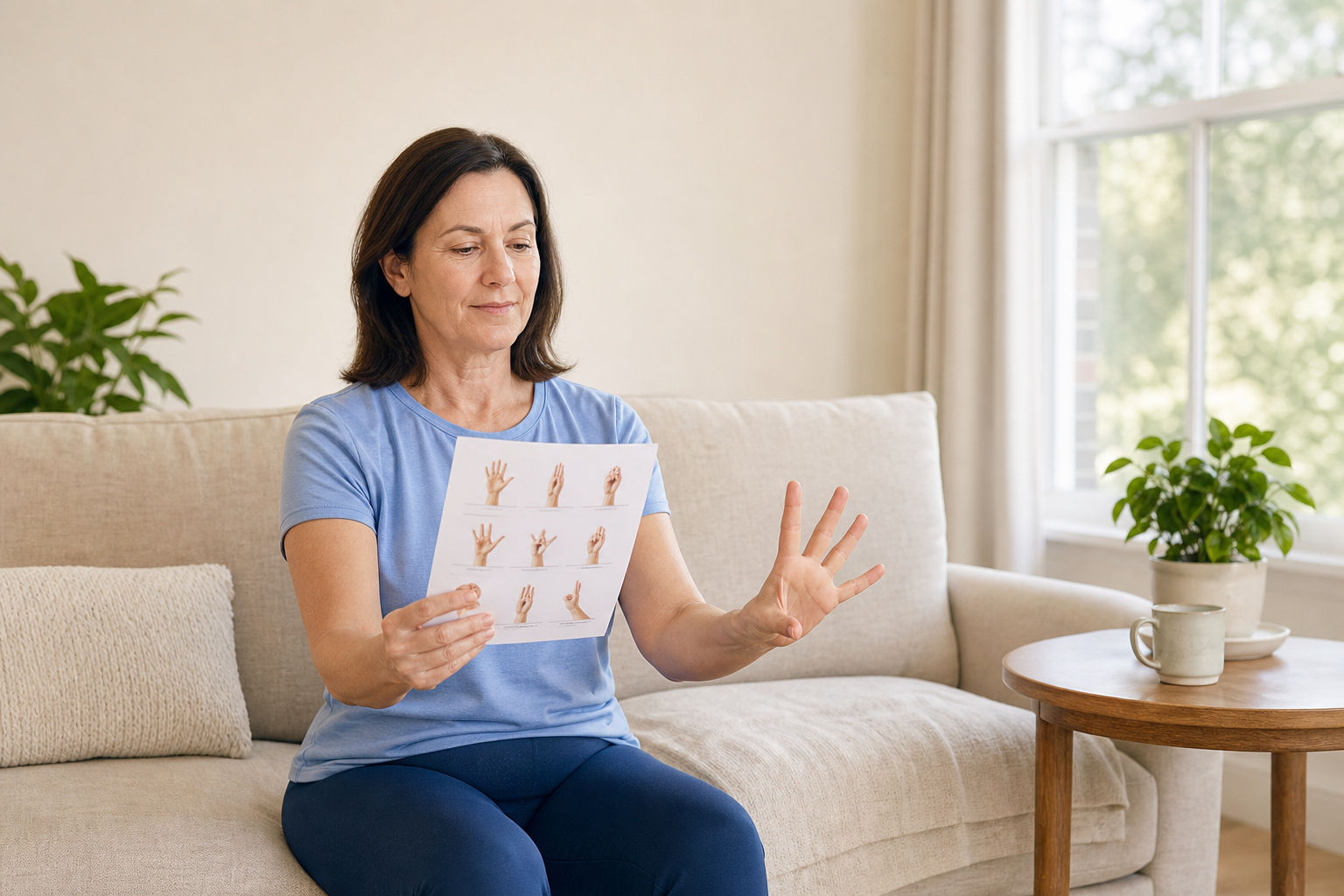
I know, I know—some articles will tell you that you must buy a professional hand exerciser or fancy therapy putty. Truth? You can get 80% of the benefit with a squishy stress ball from the dollar store and a printed-out set of exercises. That said, I do have a short list of products I keep coming back to:
- Therapy Balls & Putty: Great for squeezing, pinching, and building strength. Look for soft resistance if your joints are very tender. (Avoid super-firm materials—those are for rehab, not active arthritis.)
- Easy-to-Follow Guides: If you like to have everything mapped out, Treat Your Own Knees isn’t just about knees—its exercise principles and simple, illustrated routines apply to arthritic hands too. I’ve seen clients adapt knee-strengthening logic to gentle hand mobility work, and it’s surprisingly helpful.
- PureRelief XL Heating Pad: Mentioned earlier, but worth repeating—the extra-large size is perfect if you want to warm up both hands at once, or even drape it across your lap. Yes, it’s a bit of an investment, but the comfort factor is huge.
- Voltaren Arthritis Pain Gel: I was skeptical for years, but the data is strong—and my patients ask for it by name. Small tube, big relief. Just keep it away from open cuts or rashes.
Again, don’t let “not owning the perfect tool” be an excuse. The most important ingredient is showing up daily—with or without gadgets.
What the Research Says: How Much Can You Actually Expect?
If you’ve made it this far, you deserve the straight talk. No exercise program will “cure” finger joint arthritis. But steady, gentle hand exercises can deliver:
- Reduced pain and morning stiffness (reported by 60-70% of participants in clinical trials)
- Improved grip strength—often around 20-30% after 8-12 weeks, according to BMJ meta-analyses
- Better function in daily tasks (opening jars, writing, buttoning shirts)
- Sometimes, a drop in swelling or flare-ups, especially when exercises are paired with heat and/or topical NSAIDs
The real kicker? The folks who benefit the most aren’t always the youngest or fittest—they’re the ones who stick with it, even when the novelty wears off. (I see this over and over, year after year.)
When to Call in the Pros
I’d be remiss if I didn’t mention this: if your fingers are severely deformed, you’re losing sensation, or joint pain is waking you up at night despite trying these tips, it’s time for a professional evaluation. Sometimes, splints, injections, or even surgery are the right call. And if you have rheumatoid arthritis, you need a rheumatologist in your corner—hand exercises are just one piece of a much larger puzzle.
The Takeaway: Tiny Habits, Real Results
So, what’s the bottom line? Hand exercises for finger joint arthritis aren’t glamorous, but they’re one of the few things that reliably improve quality of life—without huge risks or costs. Start simple. Do them daily. Layer in a heating pad, or topical gel, or a trusty guidebook if it helps you stick with it. And give yourself credit for every tiny victory—each button fastened, each mug lifted with a little less pain.
No single strategy will work for everyone, but if you find a rhythm that fits your life, you’re miles ahead already.
I love hearing what actually works for readers—have a tip or a question? Drop me a line; I read every email (even the ones with skeptical rants—those are my favorite).
James Chen, MS, CSCS, is a certified strength & conditioning specialist with a master’s degree in exercise science. He writes about evidence-based approaches to joint health for adults over 50 at JointReliefReviews.com.