
Is That Ache Just Soreness — Or an Early Sign of Knee Osteoarthritis?
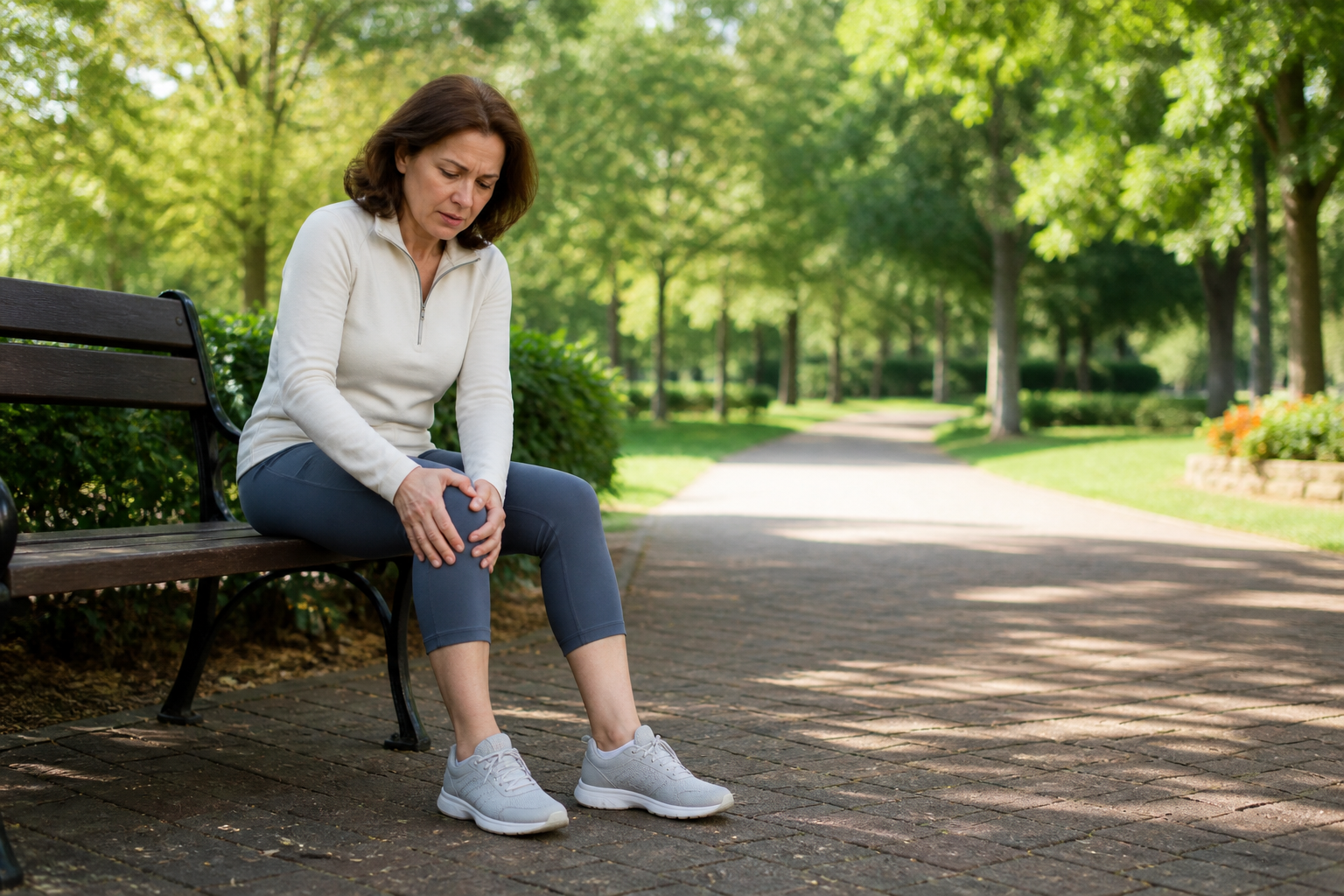
I’ll never forget the look on my neighbor’s face when she hobbled into my garage last fall, clutching her knee. “It’s just a twinge after yard work,” she insisted. She didn’t want to hear about arthritis. But after years in the clinic, I see these stories every week — denial, mystery pain, that creeping worry. If you’re reading this, I’m guessing you’ve started to wonder about your own aches. Maybe you can’t put your finger on what changed, or you’re worried you’re blowing things out of proportion. Here’s what I tell my own family: paying attention early can literally save your knees.
Why Everyone Misses the Early Signs
Let’s get right to it: knee osteoarthritis doesn’t shout. It whispers, sometimes for years. And those whispers are easy to ignore — heck, I’ve ignored them myself after a tough hike or a long day on my feet. But here’s the thing: the earlier you catch osteoarthritis, the more power you have over its progression. That’s not just hope — it’s backed by data. A 2021 review in Arthritis & Rheumatology found that early intervention can slow cartilage loss by up to 40% over two years. That’s the difference between “I can still walk my dog” and “stairs scare me now.”
But the tricky part? Early symptoms aren’t what most people expect. You might not see a swollen, red knee. You might not even limp. Which brings me to the subtle signs I want everyone to watch for.
The Real Early Signs of Knee Osteoarthritis (Not Just ‘Old Age’)
Here’s where most articles get it half-right. Yes, pain is a sign. But what kind of pain, and when? Let’s break it down:
- Morning Stiffness (Less Than 30 Minutes): Waking up with a knee that feels creaky or won’t bend easily, but it loosens up as you get moving. That “rusty hinge” sensation is classic — and it often precedes real damage.
- Minor Swelling After Activity: Your knee looks a little puffier after a walk, gardening, or standing for a while, but it’s subtle. You might notice a faint outline from your sock or pants. It’s not dramatic — but it means inflammation is brewing.
- “Deep” Aching (Not Sharp Pain): Early osteoarthritis usually feels more like a dull ache deep inside the joint, especially after a long day. Sharp stabbing pain? That usually comes later, or with a meniscus tear.
- Grinding or Popping Sensations: Notice a low “crunch” (crepitus) when you bend or straighten your knee? That’s cartilage thinning, not air bubbles. It can be subtle, but it’s one of the earliest warning signs. Don’t ignore it because it’s not painful — I see this mistake constantly.
- Loss of Confidence or Stability: Tricky to describe, but common — your knee just doesn’t feel as steady as it used to. Maybe you find yourself grabbing a handrail or hesitating on stairs. That’s your body’s way of protecting an unhappy joint.
If you’re nodding along, you’re not alone. And you’re not imagining things, either. Several studies from the Journal of Rheumatology have confirmed that these “soft signs” often show up years before a formal diagnosis.
What’s Actually Happening Inside Your Knee?
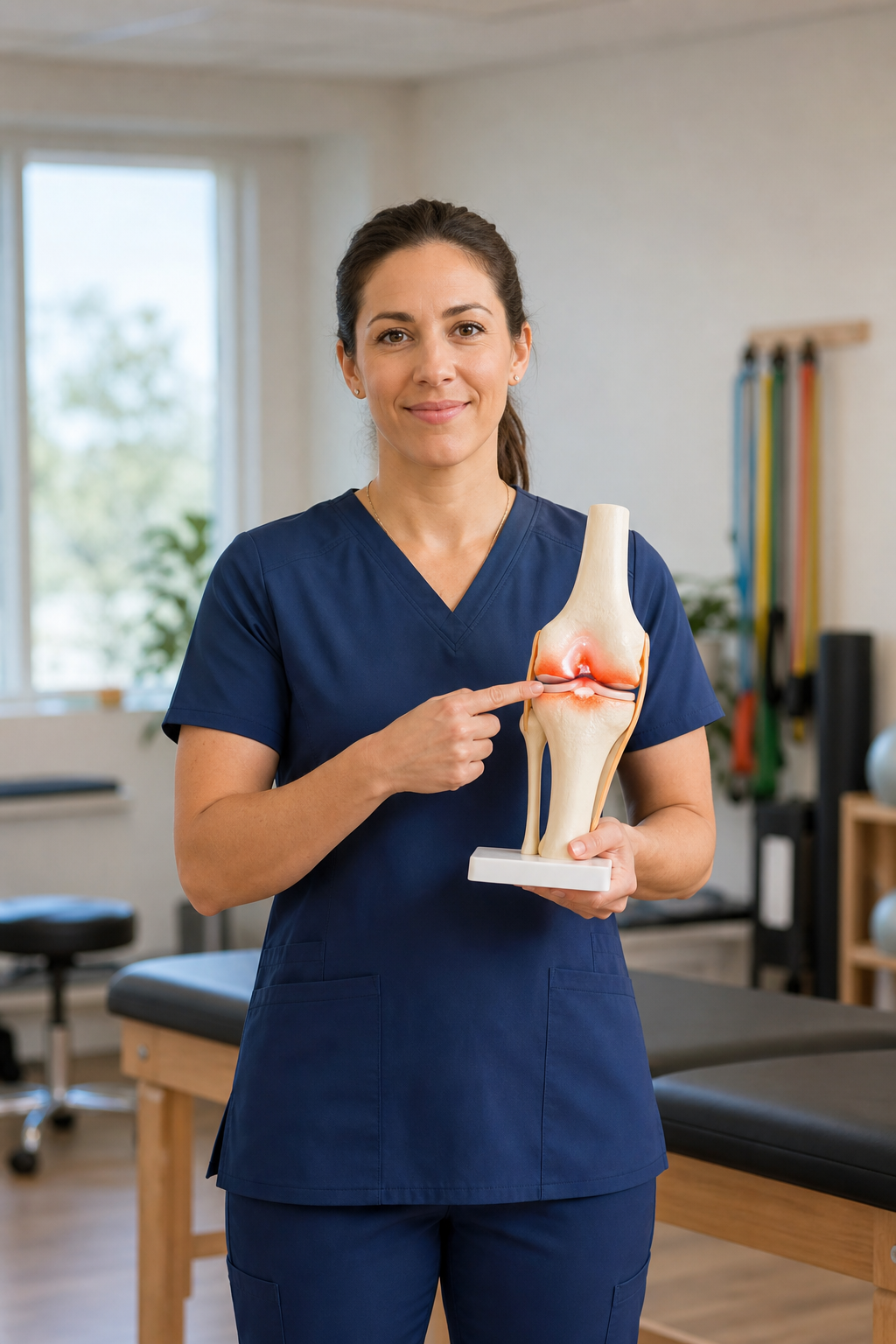
So what’s behind that ache or pop? Here’s the science in plain English: Osteoarthritis is the slow breakdown of the cushioning cartilage that covers the ends of your thigh and shin bones inside the knee. As the cartilage thins, bones begin to rub more directly, triggering inflammation and pain. But — and this is key — the body can compensate for a long time before you see dramatic changes on an x-ray.
I had a patient last year, Mark, who swore his MRI would show “bone-on-bone” arthritis. (His dad had needed a knee replacement at 62.) Turns out, his cartilage was only moderately thinned — but his symptoms were classic early OA. The lesson? Symptoms often show up before the damage is visible on scans. That’s why you have to trust your body, not just your x-rays.
Another thing most people (and some doctors) miss: early OA is as much about inflammation as it is about “wear and tear.” Tiny injuries in the cartilage kickstart an immune response. The result: swelling, warmth (sometimes imperceptible), and a cascade of enzymes that can speed up joint damage if left unchecked.
Why Early Diagnosis Matters (Yes, Even If You’re Under 50)
I know what you’re thinking: “But I’m not old enough for arthritis.” Here’s the controversial bit — knee OA can start in your 30s or 40s, especially if you’ve played sports, had a knee injury, or have a family history. The 2022 Framingham Osteoarthritis Study found radiographic evidence of OA in nearly 12% of adults ages 35-44. And that number jumps if you’ve ever injured your meniscus or ACL (even 10+ years ago).
Why does speed matter? Because the treatments that work best — building muscle strength, managing weight, improving mobility — have the biggest impact before severe cartilage loss. And here’s where I get on my soapbox: Waiting until “bone-on-bone” is like waiting until your car engine seizes before changing the oil.
One of the worst myths is that you have to just “live with it” until it gets bad enough for surgery. Not true. In fact, research in BMJ (2020) found that early, targeted intervention cut the need for joint replacement by 35%. That’s a game-changer — but only if you spot the signs and act on them.
What You Can Do Right Now (No Doctor's Referral Needed)
Okay, so you’re worried you might have early knee osteoarthritis. What’s next? First, don’t panic. The vast majority of my patients find relief and regain confidence with consistent, simple steps. (And spoiler alert — it’s almost never too late to see improvement.)
- Get Moving (But Move Smart): Resting too much actually weakens the muscles supporting your joint. Daily low-impact activity — brisk walking, swimming, cycling — helps lubricate your knee and reduces inflammation. But avoid high-impact jumping or deep squats if you’re already sore.
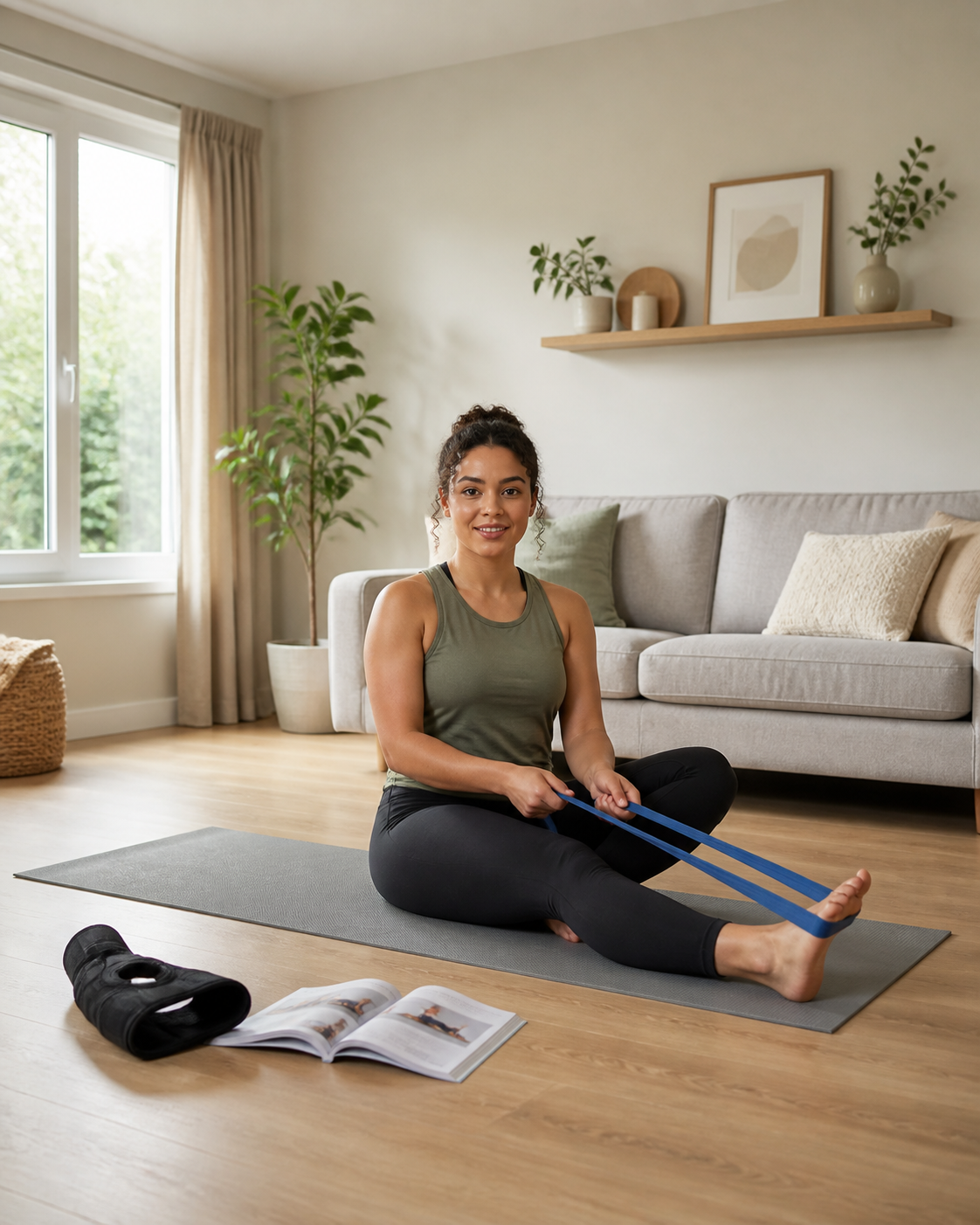
- Try Targeted Exercises: Here’s where my clinic nerd side comes out. Building quad, hamstring, and glute strength is the single best thing you can do. I often recommend Treat Your Own Knees by Jim Johnson — it’s less than $12, research-backed, and the exercises are exactly what we teach in physical therapy. My mother-in-law followed this after her first twinge, and swears by it.
- Use a Supportive Knee Brace (Especially for Activity): If you find yourself hesitating on stairs or walks, a medical-grade knee brace can be a real confidence booster. The NEENCA Professional Knee Brace is my current favorite for early OA: it’s adjustable, uses side stabilizers to prevent wobbles, and the gel pad feels genuinely comfortable — I’ve worn one for long clinic days with surprisingly little sweating.
- Ice (or Heat) for Flare-Ups: Ice calms swelling, heat loosens stiff tissue. For most early OA, I recommend heat before activity (to warm up) and ice after if you feel puffy or sore. The key is listening to your body.
- Track Symptoms: I ask patients to jot down when they notice pain, swelling, or stiffness, and what they were doing. Patterns often emerge — and you can bring this log to your doctor (or PT) for a more targeted plan.
Of course, always check with your healthcare provider before starting a new exercise program or if you have a sudden increase in pain or swelling. Especially if you have other health conditions (like diabetes or heart issues) — you want a tailored plan, not a one-size-fits-all approach.
The Products That (Actually) Make a Difference
Here’s where the rubber meets the road. I’m picky about recommending products — I’ve tested dozens over the years, and most are either overpriced or underwhelming. But a few stand out, both for effectiveness and value:
- Treat Your Own Knees (Jim Johnson): Honestly, the best $12 you’ll spend if you want to understand and manage your knee pain at home. Clear drawings, a master plan, and exercises I’ve used myself after a ski injury.
- NEENCA Professional Knee Brace: The side stabilizers add real-world support, and it fits under jeans (a reader asked me this last week, so yes, you can still look normal at the grocery store). Medical-grade, adjustable, and under $30.
I have nothing against basic compression sleeves, but if you’re on your feet a lot, don’t underestimate the value of true stabilization. That said, no product replaces the fundamentals: daily movement, smart exercise, and a little patience.
What the Latest Research Really Says
Let me give you the straight story, because the headlines can get confusing. Recent studies (see 2022’s Journal of Orthopaedic Research) are clear: early OA is not inevitable. Genetics play a role — if your parents had it, odds are higher — but lifestyle, injury history, and even sleep quality all influence onset and severity.
And here’s a big myth-buster: Glucosamine and chondroitin supplements, often marketed for “joint health”, show mixed results. Some patients swear by 1500mg glucosamine sulfate daily, while large reviews (BMJ, 2018) found only minor benefits. I say: try it for 2-3 months, but don’t expect miracles — and don’t skip exercise thinking a pill will do the trick.
Physical therapy is king. Multiple RCTs (randomized controlled trials) show that a targeted strengthening plan reduces pain, improves mobility, and can delay — or avoid — surgery altogether for early OA. That’s why I get so animated about simple home exercise guides (see above) and why insurance often covers PT even in early cases.
But what about injections or surgery? For early OA, steroid or gel injections rarely change long-term outcomes, and surgery is almost never recommended unless you have a locking joint or major mechanical symptoms. In other words: there’s hope, and it’s mostly in your own hands.
Spot the Signs, Change Your Future
If you’ve recognized yourself (or a loved one) in these early signs, don’t bury your head in the sand. The earlier you act, the more likely you are to rewind the damage — or at least hit “pause” for years. I’ve seen 45-year-olds reclaim running, grandparents kneeling to play with grandkids, and office workers toss the elevator card and take the stairs again.
It all starts with noticing those whispers: the ache, the morning stiffness, the missed step on the stairs. And then, instead of pushing through or panicking, building a toolkit that puts you back in control. Sometimes that’s as simple as a daily walk, a $12 exercise guide, or a couple weeks of brace-assisted confidence. Sometimes, it’s a conversation with your doctor about a referral to PT or diagnostics if things aren’t improving.
Practical Takeaways (You Won’t Hear Everywhere Else)
- Early OA pain is dull, deep, and often worse with activity — not sharp or constant.
- Swelling can be subtle: check for minor puffiness or stiffness after use, not just dramatic swelling.
- Strengthening quads, hamstrings, and glutes is more powerful than any supplement or injection at this stage.
- Products like Treat Your Own Knees and the NEENCA Professional Knee Brace can jumpstart progress, but keep the focus on consistent movement.
- If you’re not seeing improvement after a month of smart self-care, talk to your doctor or a physical therapist — you might need extra help or a workup for other causes.
Look, I won’t promise you a “cure” — but the right steps, started early, can keep you moving, working, and living well for years to come. If you’re skeptical, I get it. I was too, years ago, before I watched my own patients and family members change their futures with a handful of new habits. You have more power than you think.
Keep listening to your body, stay curious, and don’t be afraid to ask for help. The earlier you start, the more you can do.
— Dr. Sarah Mitchell, DPT
Senior Health Editor, JointReliefReviews