Spotting the Early Signs of Knee Osteoarthritis: What to Watch For (and What Actually Helps)
I remember the first time a patient came to me with what she described as “just a bit of morning creakiness” in her knees. She was only 49, a tennis lover, and—like so many—she shrugged it off as getting older. Fast forward six months, and she was skipping doubles because her knees ached too much to even consider it. That’s how knee osteoarthritis sneaks up on people. It’s stealthy, subtle, and often dismissed as “just aging.” But here’s the thing: catching those early signs can make a world of difference in how you live (and move) for years to come.
The Truth About Knee OA: It Isn’t Just an ‘Old Person’ Problem
Let me get this out of the way: knee osteoarthritis (OA) is not just for the over-65 crowd. In fact, according to the Arthritis Care & Research journal in 2017, about 1 in 10 adults under 60 already has radiographic signs of knee OA—even if pain is mild or intermittent. If you’re in your 40s or 50s, active, or had a past knee injury, you’re actually at higher risk than most realize.
And the numbers are only climbing. The CDC reports that nearly 32.5 million Americans have osteoarthritis, and knees are the joints hit hardest. But the real kicker? Many people walk around for years with low-level symptoms, chalking it up to “just being stiff.”
How Does Early Knee Osteoarthritis Actually Feel?
Most articles will list the textbook symptoms—pain, stiffness, maybe some swelling. But in my clinic, the early warning signs are usually much sneakier. Here’s what I hear from real folks long before their X-rays show anything dramatic:
- Mild morning stiffness that eases after you move around for 10-15 minutes. Not enough to stop you, but just enough that you notice it.
- Aching after long walks or stairs—the kind that feels deep, almost like your knees “need oiling.” Often worse in damp weather (yes, that’s real—see BMJ, 2016).
- Popping or crackling sounds (the fancy term is crepitus) when you bend or straighten the knee—especially after sitting awhile.
- Slight swelling or puffiness around the kneecap, but rarely dramatic.
- Intermittent pain that comes and goes—but returns often enough that you start to anticipate it.
- Feeling “weak” or unstable, especially on uneven ground.
If you’re nodding along, you’re not alone. These are the signals I wish more people paid attention to, rather than waiting for pain to become constant—or for an MRI to “prove” something is wrong. Because, honestly, by the time OA is obvious on imaging, the joint has already gone through a lot of change.
What’s Actually Happening in Your Knee?
Here’s where it gets interesting. Most folks think OA is just “wear and tear.” But our knees are living tissue. Cartilage (the cushion between bones) gradually thins, yes, but early OA is about more than cartilage loss—it’s inflammation, subtle breakdown in joint mechanics, and even changes in the bone underneath. Research in Arthritis & Rheumatology (2021) shows that these processes can start years before pain is significant.
The real driver? Loss of movement. Even mild discomfort leads people to avoid activity, which causes muscles (especially the quads) to weaken, which in turn leads to more stress on the joint. It’s a vicious cycle. I see it all the time: the less you move, the more your knee “ages.”
But—this is the hopeful part—you can absolutely slow that cycle, sometimes even reverse it in the early stages. I’ve watched patients go from struggling with stairs to hiking again, simply by tackling those early signs head-on.
Science-Backed Ways to Manage Early Knee OA (Without Just Waiting for It to Get Worse)
There’s a myth that “nothing really works” for osteoarthritis until you need shots or surgery. I can’t count how many times I’ve heard that—usually after someone’s been told to just “lose weight and take ibuprofen.” Frankly, that advice is outdated. Here’s what actually moves the needle, based on real data and what I see in my office week after week.
1. Targeted Exercise Trumps Rest—Every Time
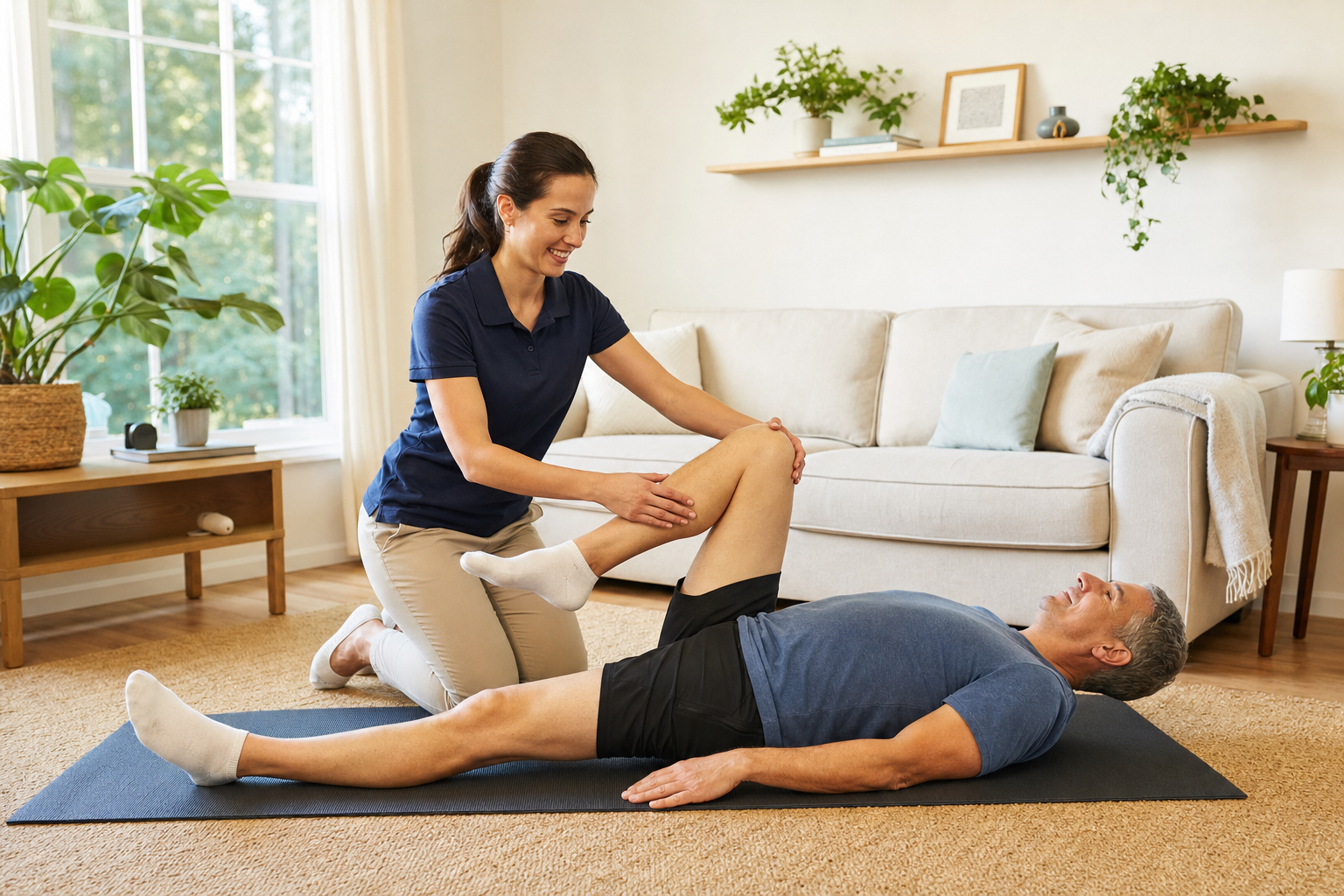
Look, I get it—when your knee aches, exercise is the last thing you feel like doing. But 20+ randomized trials (see Journal of Rheumatology, 2020) confirm that strengthening the muscles around your knee dramatically improves pain, function, and even slows progression. The Treat Your Own Knees book by Jim Johnson is one of the most practical, research-backed guides I’ve reviewed—and I’ve read a lot. The home exercises are simple, require no fancy equipment, and really do help keep knees moving better for longer.
If you’re new to this, start with mini-squats at a countertop, gentle straight-leg raises, and some balance work. I tell my own mother-in-law: “If you can stand up from a chair comfortably, you’re already halfway there.”
2. Support, Not Squeeze: Why the Right Knee Brace Matters
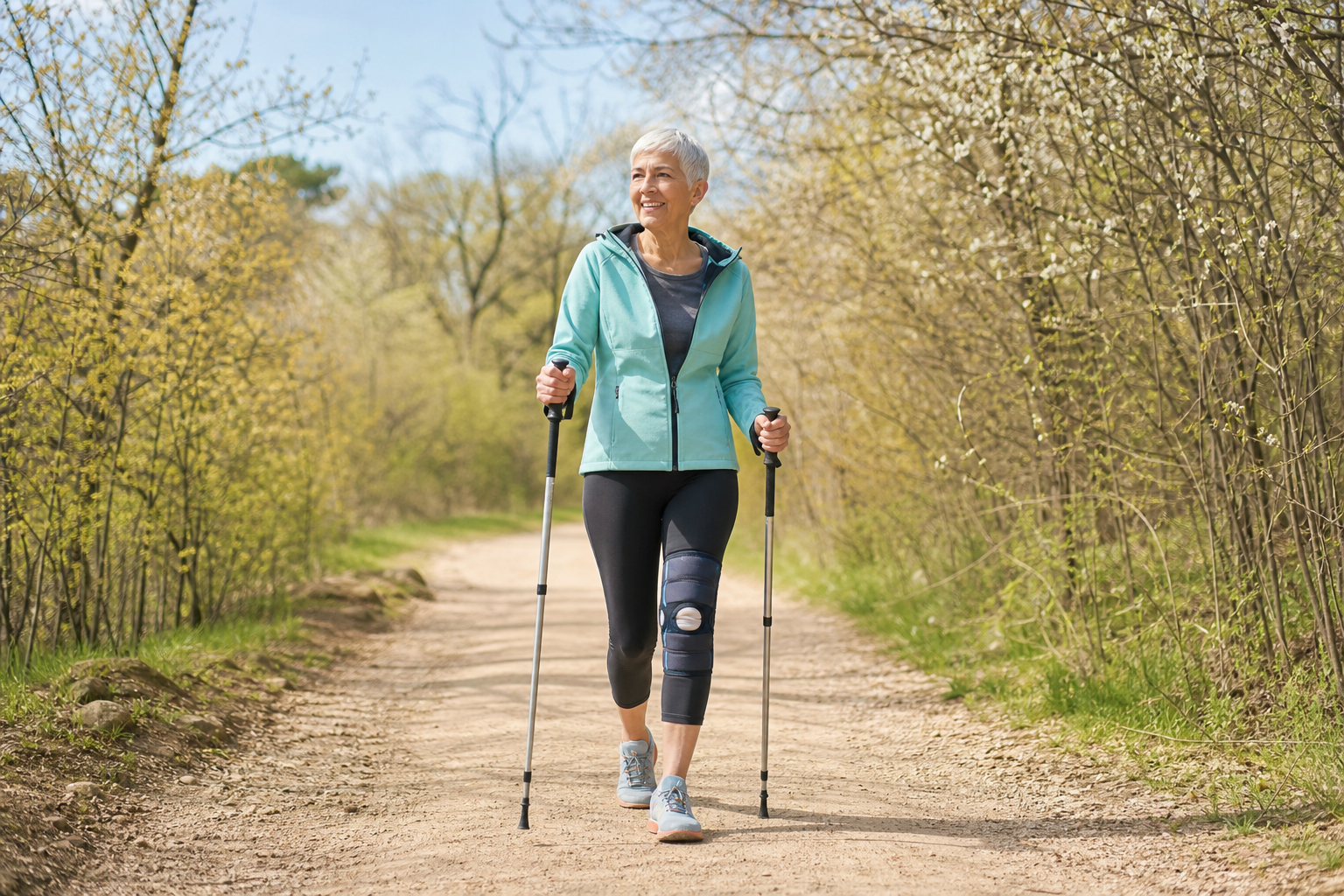
Here’s a little controversy: not all knee braces are created equal, and—unpopular opinion—most drugstore sleeves are too flimsy to help. If you’re dealing with instability (even mild), a brace with side stabilizers and patella support can make a huge difference, especially during activity. The NEENCA Professional Knee Brace is one I recommend often. It’s medical-grade, has legit side stabilizers, and the gel pad cradles the kneecap—making it comfortable enough to wear for a hike or a long day on your feet. (But, as always, talk to your doctor or PT before using any brace if you have circulation issues or unusual pain.)
3. Don’t Ignore Swelling or “Puffiness”
Barely-there swelling may seem trivial, but it’s your body’s way of flagging low-grade inflammation. Ice can help, but so can gentle compression. If you’re sensitive to snug sleeves, even elevating the leg for 20 minutes after activity can make a difference.
4. Menthol Pain Relief: Quick, Portable, and Underappreciated
I’ll admit, I used to roll my eyes at “magic creams.” But menthol roll-ons—specifically Biofreeze Roll On—have genuinely impressed me. When pain flares, a quick application cools the area, distracts pain signals, and lets people get moving again (see Journal of Back and Musculoskeletal Rehabilitation, 2018). It’s not a cure, but it can be a game-changer for keeping up with your daily walk or chasing after grandkids.
5. The Weight Question—But Not How You Think
We all know excess weight stresses the knees, but the actual numbers are shocking: every extra pound on your frame adds about four pounds of pressure to your knee joint (Framingham Study, 2007). But—and this is key—even modest weight loss (just 5-10%) can reduce knee OA risk by a whopping 50%, according to a 2018 Osteoarthritis & Cartilage review. You don’t have to become a marathoner—often, just swapping out a few habits is enough.
Some Real Talk: Early OA Isn’t the End of the Road
I get emails all the time from people who feel like their diagnosis is a life sentence. The reality couldn’t be further from the truth. The earlier you take action, the better your odds of slowing (or sometimes even stalling) OA progression. Here’s what the latest research—and my own 12 years in clinic—have shown me about the difference proactive care can make:
- Staying Active = Less Pain, Fewer Medications. The folks who keep moving, even just walking, almost always need fewer pain meds. A 2022 Annals of Internal Medicine study tracked 1,200 adults with early knee OA—regular walkers had half the risk of progressing to frequent pain compared to their sedentary peers.
- Small Changes Add Up. Even 10 minutes of stretching or light strength work most days can preserve joint function. It’s not about perfection—it’s about momentum.
- Supplements? Occasionally Helpful—but Not Magic. I get asked about glucosamine, chondroitin, turmeric… the list goes on. Some people swear by them; the best evidence suggests they may help mild pain in some cases, but effects are modest at best. Always check with your doctor first, especially if you take other medications.
Your Real-World Action Plan for Early Knee Arthritis
I promised specifics, so here’s my “starter kit” of actions for those first whispers of knee OA:
- Log your symptoms: Note when and where you feel stiffness, pain, or swelling. Is it always after sitting? Only after busy days?
- Commit to daily movement: Even gentle walking counts. Resting “until it gets better” usually backfires.
- Try a simple, research-backed exercise routine: A resource like Treat Your Own Knees makes it easy to start at home—no gym, no guesswork.
- Consider bracing during higher-impact activities: If stairs or hiking trigger pain, something like the NEENCA Professional Knee Brace might make a surprising difference. But again—don’t brace all day, every day; muscles still need to work!
- Stay alert for red flags: Sudden severe swelling, locking, or inability to bear weight needs a doctor’s attention, stat.
What About Joint Injections or Surgery?
Here’s where the honest limitations come in. In the early phases, injections (like corticosteroids or hyaluronic acid) usually aren’t recommended unless pain is severe and nothing else helps. Their effects are often short-lived and can have downsides. Surgery is almost never for early OA—it’s a last resort after conservative care (and, ideally, for those with significant structural damage).
Your best defense? Build habits now that keep your knees moving and muscles strong. I’d much rather help someone avoid surgery than see them after it.
Final Thoughts: Listen to Your Knees—Even When It Feels “Minor”
If there’s one thing I wish everyone understood about early knee osteoarthritis, it’s this: those “minor” aches and hints of stiffness are your best shot at intervention. You’re not being dramatic. You’re being smart. Most knee OA starts small, but with the right steps, it doesn’t have to get big.
If you’re reading this and thinking, “That’s me,” congratulations—you’ve already done more for your future mobility than most. Take it from someone who’s helped a lot of knees over the past decade: your knees will thank you for every walk, every stretch, every smart tool or resource you use to keep them moving.
And if you ever want to swap stories or have questions, my inbox is always open. Stay active, stay curious, and—above all—give your knees the attention they deserve. They’ve got a lot of life (and steps!) left in them.
Dr. Sarah Mitchell, DPT
Senior Health Editor, JointReliefReviews.com