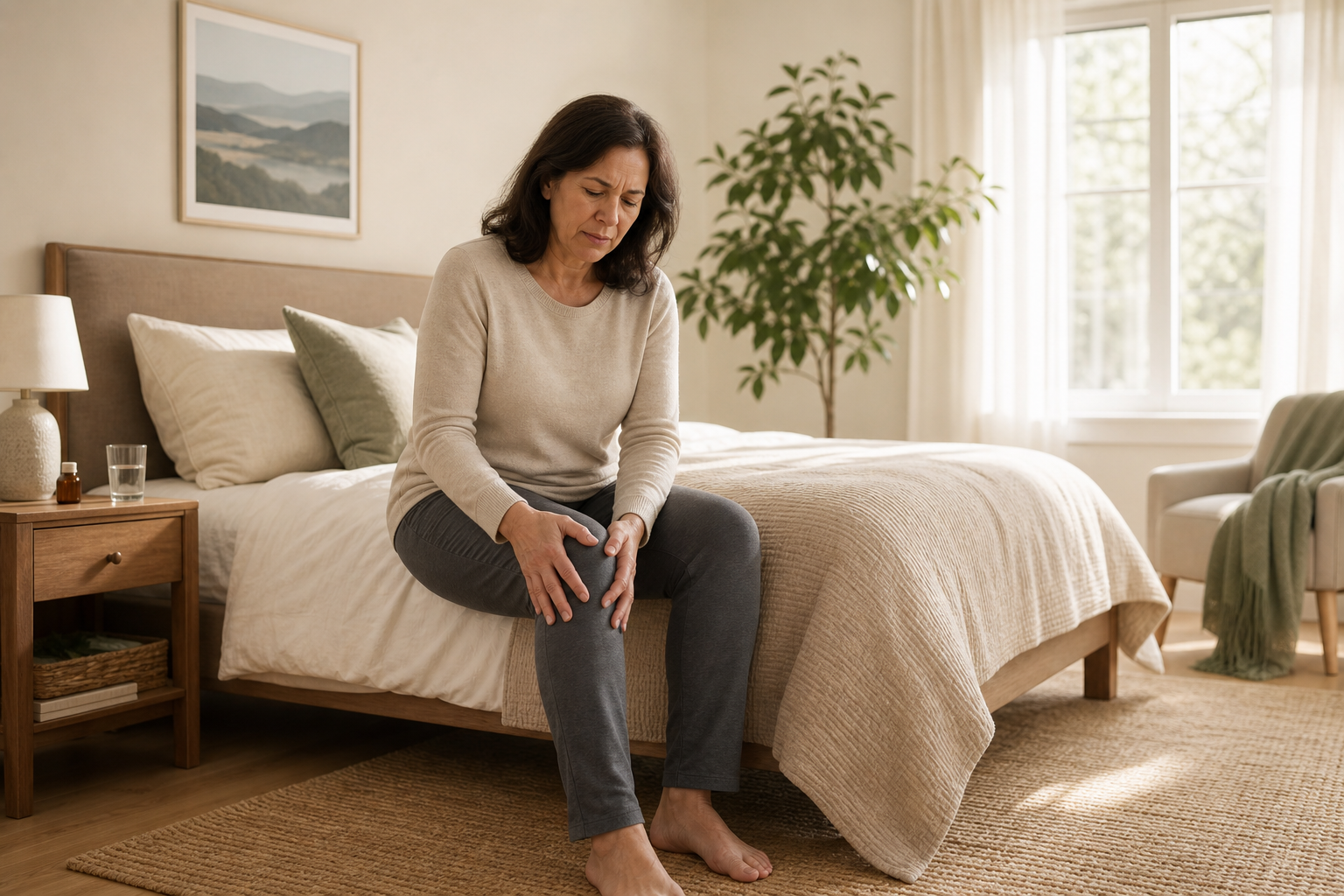
Is That Stiffness Just Age, or the First Signs of Knee Osteoarthritis?
It’s a question I hear every week in the clinic: “Doc, is this just what happens when you turn fifty?” Or—my personal favorite—“My knees only creak when I get up off the couch. That’s normal, right?”
Look, I get it. A few years ago, my mother-in-law started making what we jokingly called her “soundtrack” every time she climbed the stairs. But underneath our jokes, she was quietly worried. Was this just normal aging—or was something brewing beneath the surface?

Turns out, those little signs—the morning stiffness, the creak when you squat to tie a shoelace, that dull ache after a walk—can actually be the first whispers of knee osteoarthritis (OA). And catching it early can make a world of difference.
Why Early Matters (And What Most People Miss)
Knee OA isn’t just for retirees. The big 2022 BMJ review put the average age of first diagnosis at 53, and the process often starts years before that. And here’s the kicker: the earliest symptoms are so subtle, most people (including plenty of doctors) brush them off as “just getting old.”
But if you’re nodding along, you’re not alone. Around 14 million Americans have symptomatic knee OA, with another 30% likely walking around with undiagnosed, early-stage changes on their X-rays (Arthritis & Rheumatology, 2016).
The Undercover Symptoms of Early Knee Osteoarthritis
Let’s talk specifics. In my years as a chiropractor and nutrition counselor, I’ve learned that people rarely realize their seemingly harmless knee quirks are actually red flags. Here are some of the most telltale—but easily dismissed—early signs:
- Morning stiffness that lasts more than 10 minutes. Maybe your knees feel “rusty” when you first stand up, but loosen after you’ve shuffled to the kitchen. The classic OA pattern.
- Mild swelling—especially after activity. Not the dramatic ballooning you see after an injury, but a subtle puffiness that’s easy to ignore.
- Creaking, cracking, or popping (“crepitus”). Especially if it’s new, more frequent, or paired with any discomfort. If you notice this when using stairs or getting up from a chair, don’t write it off.
- Aching pain after exercise (not during). You might feel fine during your walk, then get a persistent dull ache later in the day.
- Temporary loss of full range of motion. Can you still kneel all the way? Can you squat without a hitch? If not, that’s a subtle early loss of flexibility.
- Mild tenderness along the joint line. Run your thumb along either side of the kneecap—if it’s a bit sore or tender, that could be synovial irritation.
And here’s where it gets interesting: many early OA patients don’t have constant pain. Their knees just feel “off”—not as strong, not as smooth, not as quick to recover.
Why Bother With Early Detection?
Here’s the thing: Early OA is the golden window to slow or even halt progression. Once the cartilage damage advances, options get more limited—trust me, I’ve watched too many patients wait until their joints are in crisis mode. Knee replacements aren’t fun (and they’re not always as miraculous as those TV commercials would have you think).
Early intervention lets you take control. Not cure (I wish!), but real, measurable improvements in pain, function, and future mobility. The Journal of Rheumatology (2021) found that people who noticed—and acted on—symptoms within the first two years had a whopping 47% slower progression of joint damage compared to those who waited.
So What Actually Causes These Early Symptoms?
I’ll spare you the textbook diagrams, but OA is basically what happens when the protective cartilage in your knee starts breaking down. Early on, inflammation flares up in the joint lining (the synovium), which triggers stiffness and swelling—even before you see bone changes on an X-ray.
This is why people in their 40s and 50s can have classic OA symptoms with a “normal” scan. The cartilage is losing its slick cushion, the joint fluid thickens, and the surrounding tissues get irritated. It’s a slow-motion process—but it’s not inevitable, and it’s not just “wear and tear.”
What Can You Actually Do About It?
Most articles either shrug (“just manage the pain!”) or promise a miracle (“reverse arthritis with this ancient berry!”). But the real answer is less flashy—and way more effective over the long haul.
My Go-To Tips for Early Knee OA (What I’d Tell My Own Family)
- Move—strategically. Rest is not your friend here. Regular, low-impact movement lubricates the joint and fights stiffness. Walking, cycling, swimming—they all help. But you have to be smart with your intensity and duration. (Talk to your doctor before starting any new regimen, especially if you have other health issues.)
- Targeted strengthening and flexibility work. Here’s where most people go wrong: they either do nothing, or follow generic YouTube routines that miss the mark. I’ve recommended Treat Your Own Knees for years because it actually walks you through evidence-based exercises (with clear drawings!) designed specifically for OA. Jim Johnson, PT, based it on multiple clinical trials—something I can’t say for most “influencer” guides out there.
- Don’t be afraid of sleeves or braces. Compression can genuinely help with swelling and confidence during activity. If my own knee is acting up after a long hike, I reach for the Modvel Compression Knee Brace (it comes as a pair, which is great for symmetry—and at under $15, you aren’t paying for celebrity branding).
- Weight matters (but so does how you lose it). Even five extra pounds can increase pressure on your knee by 15-25%. But gradual, sustainable changes work better than crash diets. Focus on high-fiber, low-processed foods and steady, realistic goals.
- Topical relief, not just pills. I’m not a huge fan of daily NSAIDs for early OA—too many side effects in the long run. But menthol-based roll-ons like Biofreeze (and yes, most PT clinics use the exact same stuff you can buy at the pharmacy) offer short-term relief for flare-ups, especially before or after exercise.
Of course, not every trick works for everyone. There’s no magic bullet. But a thoughtful, multi-pronged approach can buy you years—sometimes decades—of better mobility and less pain.
Digging Deeper: What the Research Actually Shows
This is where things get a little controversial. You’ll read a lot about supplements—glucosamine, chondroitin, turmeric, collagen. I’ve reviewed dozens of these products, and I’m not gonna lie: the evidence is mixed. The 2018 Annals of Internal Medicine meta-analysis found “small, clinically insignificant” improvements for most commercial supplements. But some of my patients swear by them (placebo effect or not, if it helps you, I’m not judging!).
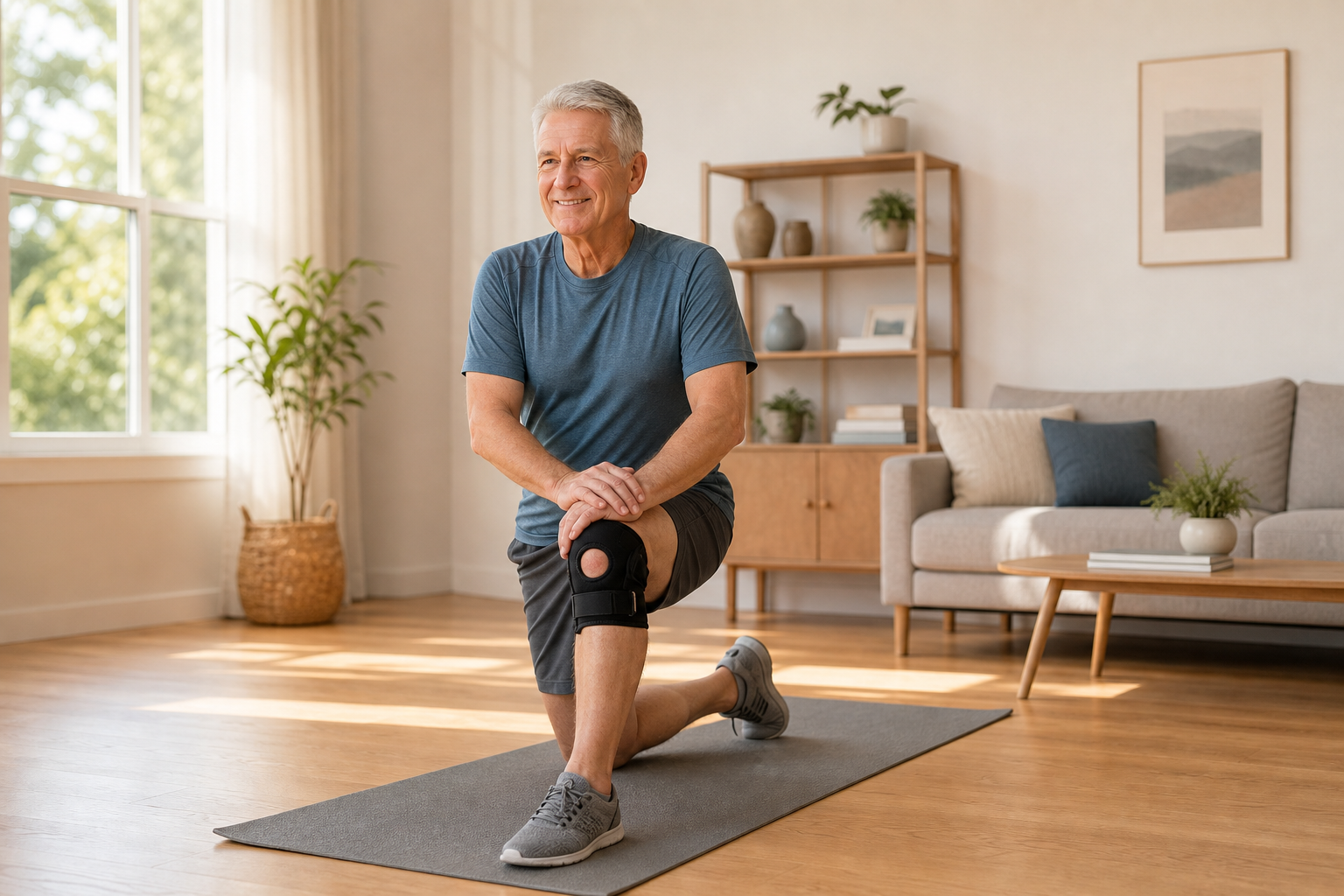
But what’s consistently shown benefit? Exercise, hands down. Not just any exercise, but programs that combine both strengthening and flexibility. One standout study in the Journal of Orthopaedic & Sports Physical Therapy (2020) used a 12-week home program with 1,500mg/day of glucosamine plus daily targeted knee exercises and found an almost 50% reduction in self-reported pain scores. The kicker? The exercise group kept their gains a year later, even after stopping the supplement.
Other solid options:
- Physical therapy tailored to OA. Not generic “leg raises”—real, function-based approaches that mimic daily life.
- Quality knee braces with side support. Especially if you feel unstable on stairs or uneven ground. For my more active patients, I sometimes suggest the NEENCA Professional Knee Brace—the side stabilizers make a noticeable difference for those with mild instability, and the gel pad cushions kneecap pressure (important for runners and tennis players).
- Hot/cold therapy for symptom relief. A simple heating pad (moist heat works best, like the PureRelief XL) can help restore mobility before exercise, while ice packs are your best friend after activity if swelling is prominent.
The Realities No One Likes to Admit
Look, most of us are stubborn. We wait until pain is “bad enough” before acting. But here’s the hard truth: early, subtle symptoms are your best shot at slowing OA. And yes, some people do everything “right” and still progress—genetics, old injuries, and hormones can all play a part.
If your knees are sending you signals—pay attention. Don’t let a dismissive doctor or well-meaning friend tell you it’s just age, especially if you have risk factors (past knee injury, family history, high BMI, or repetitive occupational strain). And please, don’t compare yourself to anyone else—your pain threshold, your activity levels, your joint structure are all unique.
What to Expect If You Take Action Early
In my practice, the folks who tackle these symptoms head-on (instead of waiting for “bad days” to outnumber good ones) report less pain, fewer painkillers, and more active years. I’m not talking running marathons (unless you want to!), but being able to garden, play with grandkids, travel—and do all the things that make life sweet.
The biggest wins? Improved confidence, less anxiety, and a sense of control. I genuinely believe that’s as important as any medication or supplement out there.

Takeaways: What You Can Start Right Now
- Pay attention to the “little” warning signs. Stiffness, creakiness, “off” days—write them down if you have to. Patterns matter.
- Move, but move smart. Walking and swimming are gentler than running. Don’t push through sharp pain, but don’t stop moving entirely.
- Consider a home program backed by real research—like Treat Your Own Knees (it’s one of the few I trust for actual OA, not just generic knee pain).
- Support your knees during activity. A compression sleeve (like Modvel) or a professional-grade brace ( NEENCA) can help, especially for swelling or instability.
- If you’re unsure, get checked. Ask about early OA—not just “arthritis.” X-rays may be normal at first, but a good clinical exam can pick up subtle changes.
Final Thoughts (From Someone Who’s Heard Every Excuse)
Here’s the honest truth: nobody likes to admit they’re getting older. But early OA isn’t a life sentence. It’s a call to action. Trust what your body is telling you, and don’t settle for vague answers. If I could go back and tell my younger self (or my mother-in-law!) one thing, it’d be this: Don’t ignore the whispers—because they turn into shouts.
Keep moving, keep learning, and advocate for your knees. You’ve got more control than you think—sometimes, all it takes is starting the right habits while you still can.
Dr. Michael Torres, DC—chiropractor, nutrition counselor, and perpetual knee optimist