
CBD Oil for Joint Pain and Inflammation: Honest Insights, Real Results
I’ll never forget the first time a patient brought up CBD oil in my office. This was back in 2017, well before every gas station and wellness shop kept it behind the counter. “Doc, what do you think about this stuff for my knees?” she asked, holding up a tiny bottle like it was liquid gold. She’d tried heat, ice, turmeric capsules, and even prescription NSAIDs, but the daily ache kept coming back. “I just want to garden again,” she said. I hear that kind of thing every week.

Why So Many People Are Reaching for CBD
Look, if you’re reading this, you’re probably not just curious. You’re tired. Stiff. Maybe you groan every time you get up from a chair, and you’re sick of that low-level throbbing in your hips, hands, or knees. The worst is when the weather turns damp, right? It’s like your joints have their own built-in radar.
Here’s the thing: joint pain and inflammation aren’t just “getting older.” Arthritis, tendonitis, old sports injuries—they can throw a wrench in your daily life. According to the Journal of Rheumatology, nearly 25% of adults over 45 deal with persistent joint pain. That’s millions of folks searching for answers beyond the standard ibuprofen bottle.
CBD: Fad or Real Relief?
I’ll be blunt—I was skeptical about CBD oil at first. The hype got out of control. But the more patients asked, the more I dug into the research. (If you know me, you know I geek out over journal articles and double-blind studies.) And slowly, a clearer picture started to emerge.
CBD, or cannabidiol, is one of over a hundred compounds called cannabinoids found in the cannabis plant. Unlike THC, CBD won’t get you high. Legally, hemp-based CBD oil must contain less than 0.3% THC in the U.S., so you can use it without worrying about psychoactive effects.
The real kicker? Your body actually makes its own cannabinoids—part of a system called the endocannabinoid system (ECS). This network helps regulate pain, inflammation, immune response, and more. The theory is that CBD supports this system and helps turn down the volume on pain and swelling.
What the Research Actually Says (and Where It Falls Short)
Let’s get nerdy for a second. A 2017 review in Pain looked at animal studies and found that CBD reduced joint inflammation and protected nerves in rodent models of arthritis. Pretty promising—but animal studies aren’t people. So, what about human trials?
In 2020, a small study published in Arthritis Care & Research tested topical CBD on people with osteoarthritis of the hand. After four weeks, those using CBD reported a moderate reduction in pain compared to placebo. Not dramatic, but real. The catch? Doses and formulations vary a ton between studies. Another 2018 review in Frontiers in Pharmacology flagged this as a big problem: Too few large, rigorous studies in actual arthritis patients.
But here’s where it gets interesting. Anecdotally, patients (and a few family members—I’m looking at you, Uncle Joe) report that high-quality CBD oil helps them cut back on pain meds and enjoy more active days. Is it a miracle? No. But for some, it’s another tool in the toolbox.
How Does CBD Actually Work for Joints?
This is what most articles skip, but as a chiropractor, details matter to me. Here’s a quick breakdown:
- Pain signaling: CBD interacts with CB1 and CB2 receptors, which play a role in how you perceive pain. Some studies suggest it dampens pain signals in the brain and spinal cord.
- Inflammation: CBD appears to block inflammatory cytokines (think of these as "chemical messengers") that drive joint swelling. Lab models show fewer inflammatory cells in joints after CBD use.
- Blood flow and stiffness: There’s early evidence that CBD may relax blood vessels and reduce muscle tightness, which can help if you wake up stiff as a board every morning.
Bottom line: There’s enough science to suggest CBD can help some people with joint pain—especially when paired with other smart strategies. But it’s not a cure-all, and more research is desperately needed.
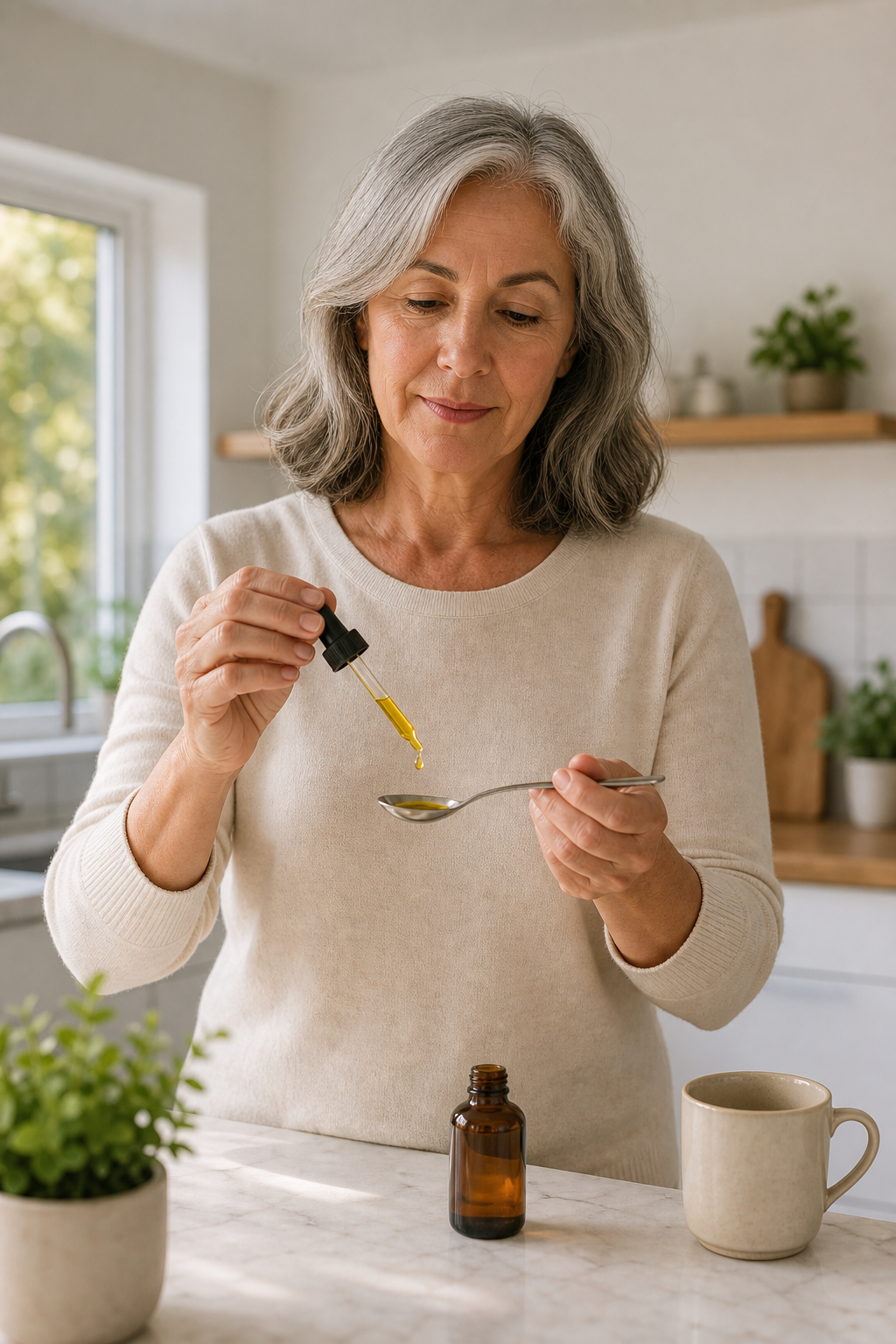
Choosing a CBD Product for Joint Pain: My Honest Advice
I get emails weekly with the same question: “Which CBD should I buy, and how do I use it?” There’s a dizzying number of options—oils, gummies, creams, capsules. Here’s my straight-shooting advice after reviewing dozens:
- Topical vs. Oral: For joint pain, many folks swear by topical CBD creams or balms applied right where it hurts. Oils and tinctures (taken under the tongue) may help more with widespread pain or sleep issues. Some do both.
- Dosage matters: Most studies use doses ranging from 20mg to 50mg CBD per day. Start low—maybe 10mg twice daily—and work up if needed. With topicals, a pea-sized amount is plenty for a single joint.
- Quality counts: Always choose products with third-party lab testing, clear labeling (CBD content per serving), and preferably full-spectrum hemp extract for the “entourage effect.”
And don’t buy the cheapest bottle at the gas station. Some products have almost no actual CBD. I’ve tested a few myself with disappointing results. Look for clear COAs (Certificates of Analysis) and steer clear of wild health claims.
Mixing CBD With Other Joint Pain Strategies
Here’s an unpopular opinion: CBD works best when it’s not doing all the heavy lifting. Think of it as the relief pitcher—not the whole ballgame.
I usually recommend pairing CBD with other proven approaches. For example, gentle knee exercises from the excellent book Treat Your Own Knees (I give this to half my osteoarthritis patients), heat therapy, and, for many, a straightforward supplement with glucosamine, chondroitin, and turmeric like the Vimerson Health Joint Support formula. These can all work together.
For flare-ups, a reliable topical anti-inflammatory like Voltaren Arthritis Pain Gel can be a game-changer (FDA-approved, unlike most over-the-counter creams). I know, not as trendy as CBD, but I want you to have tools that actually work. Some folks even alternate between CBD and Voltaren, especially if they want to limit NSAID pills.
Always talk to your doctor before starting CBD—especially if you’re on blood thinners, immunosuppressants, or have liver issues. I can’t say that enough. Drug interactions are rare but real.
What Does Relief Look Like? (Real Stories, Not Hype)
I’ll share two real cases (names changed for privacy):
Susan, 64: Two years post-knee replacement, still had aching and swelling after gardening. Started using a topical CBD balm (25mg per application) twice daily. Within three weeks, she cut her naproxen dose in half and felt “more normal” bending and kneeling. Didn’t notice much difference for sleep or anxiety, but for the knee itself, it was “a nice surprise.”
Martin, 49: Desk job, early-stage rheumatoid arthritis. Tried oral CBD oil (15mg twice daily), plus heat and stretching. Marked decrease in morning hand stiffness, but no change in finger swelling. Ultimately found Voltaren gel more effective for those bad flare days—but says the CBD “took the edge off” baseline pain without side effects.
I’ve also seen people try CBD, get nothing but a lighter wallet, and move on. It’s not a universal fix. But—when it does help, it can make life a little less about pain and a little more about living.

How to Start Safely: My Step-by-Step Game Plan
- 1. Talk to your doc—especially if you’re on regular medications or have health conditions.
- 2. Choose one joint or symptom to target first. Don’t try to “fix” everything at once.
- 3. Start with a low dose. For oil, try 10mg 1-2x per day. For topicals, apply a small amount and wait at least a week before adjusting.
- 4. Keep a pain/symptom diary. Jot down your pain ratings each day. You’ll want actual data, not just a vague sense of “maybe it’s working.”
- 5. Watch for side effects. Most people tolerate CBD well, but dry mouth, sleepiness, or mild stomach upset do happen.
If you’re nodding along, you’re not alone. Half my email inbox is people seeking alternatives to chronic joint misery. I’m rooting for you to find what works—whether that’s CBD oil, physical therapy, an evidence-backed supplement, or something else entirely.
Takeaways: What I Tell My Own Family
So, should you try CBD oil for joint pain and inflammation?
- It’s not a miracle, but it’s promising for some. Especially when paired with movement, heat, and an anti-inflammatory diet.
- Quality and consistency matter. Don’t skimp on lab testing or dosing. The wild west of CBD is still out there.
- Topical CBD seems best for localized joint pain. Oral oils may help with more widespread aches or sleep issues tied to pain.
- Monitor how you feel—but be patient. Sustainable results take a few weeks, not a single dose.
- Layer your strategies. I love stacking simple home exercises (Treat Your Own Knees), proven supplements (Vimerson Health Joint Support), and the occasional Voltaren gel for a better shot at relief.
And if you give CBD a shot? Send me an email with your experience. I read every one—sometimes it’s the stories, not the studies, that move the needle.
Stay curious, stay hopeful, and keep moving—however you can. That’s what I tell my own family, and it’s what I’ll tell you.
Wishing you less pain and more good days,
Dr. Michael Torres, DC
JointReliefReviews.com
Dr. Michael Torres is a licensed chiropractor and certified nutrition counselor. He specializes in musculoskeletal health, natural pain management, and evidence-based wellness solutions.