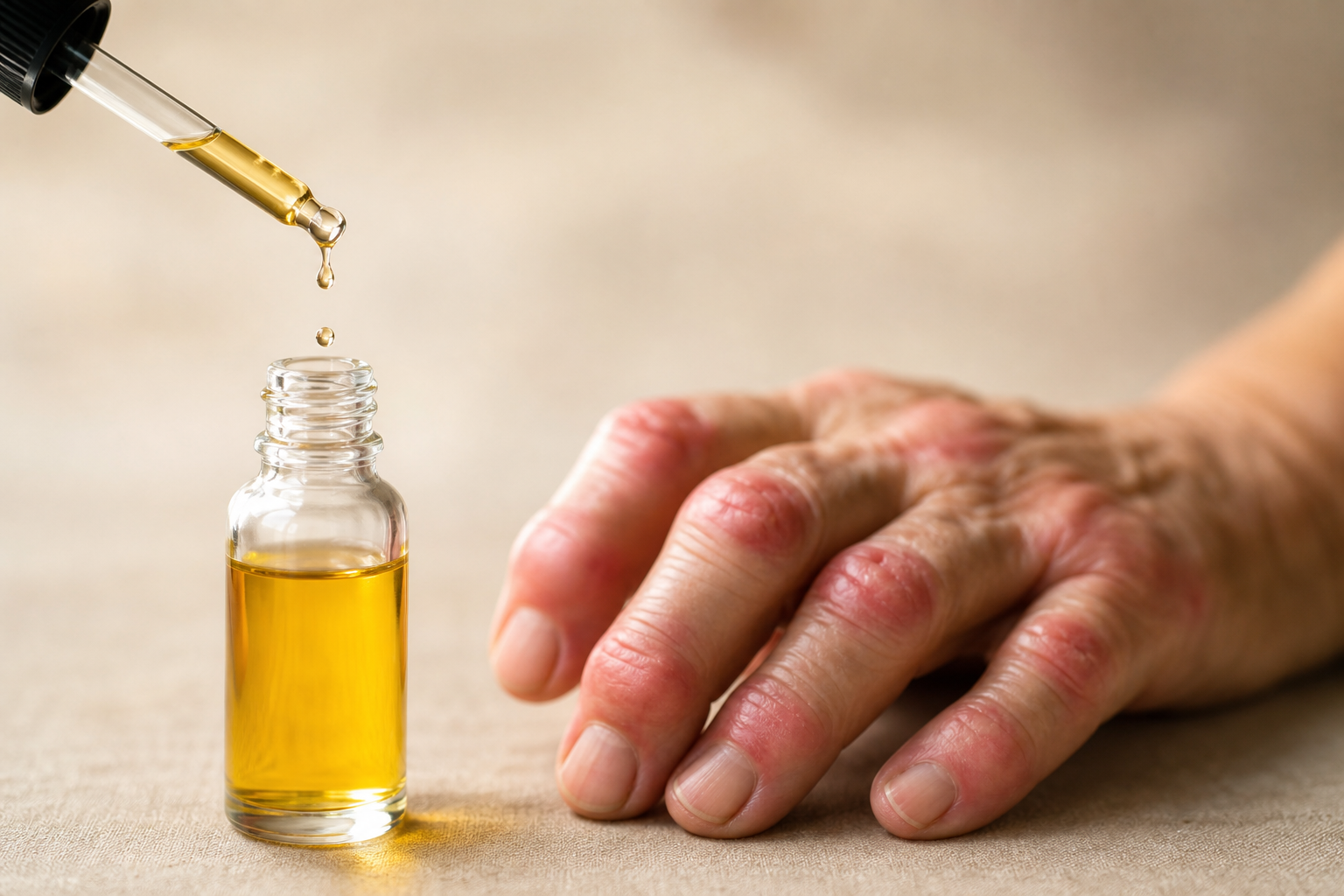
CBD Oil for Joint Pain and Inflammation: What Really Works (And What Doesn’t)
I’ll never forget the first time a patient looked me in the eye and asked, "Doc, is CBD oil legit for my knee pain, or am I just buying expensive snake oil?" Honestly, that question stuck with me. I get it weekly now—sometimes daily. Arthritis sufferers, weekend warriors, folks with old sports injuries, and even my own mother-in-law (she swears by her little green bottle). Everyone wants to know: does CBD oil really do anything for stubborn joint pain and inflammation, or is it just the latest health fad?

Why Joint Pain Feels Like Such an Uphill Battle
If you’re reading this, odds are you know the drill: you wake up, and your knees or fingers feel like rusty hinges. Maybe you dread getting off the couch because your hips bark at every movement. Maybe it’s your wrists after typing or gardening. The ache isn’t just physical—it chips away at your mood, your motivation, your sense of independence. And when traditional solutions (think NSAIDs, hot packs, or even physical therapy) don’t quite cut it, it’s natural to look for something new. Something that might finally take the edge off.
I see this struggle every week in my practice. The frustration, the side-effect fatigue, and the desire for relief that isn’t just a temporary band-aid. If you’re nodding along, you’re definitely not alone.
Here’s Where CBD Oil Comes Into the Picture
CBD—or cannabidiol, for those who like the fancy term—is a non-intoxicating compound found in hemp (cousin to marijuana, but no, it won’t get you high). It’s exploded in popularity over the last five years. According to a 2022 Arthritis Foundation survey of over 2,600 arthritis patients, nearly 29% had tried CBD for their symptoms. That’s not fringe territory anymore—that’s mainstream curiosity driven by real, persistent pain.
But does the science actually back up these claims, or is it just slick marketing? Let’s get honest about what we actually know.
CBD’s Mechanism: How Could It Help Joint Pain?
I’m a research junkie, so I always dig into the mechanisms. Here’s the boiled-down version. Your body has something called the endocannabinoid system—basically, a network of receptors (CB1 and CB2) that regulate pain, mood, inflammation, and even immune function. CBD interacts with these receptors, but not in the way THC (the one that gets you high) does. Instead, CBD subtly influences them to reduce inflammatory signals, quiet overactive pain nerves, and possibly support cartilage health. (If you’re a science nerd, check out the 2018 Frontiers in Pharmacology review. It’s dense but fascinating.)
Here’s what gets interesting: In animal models, CBD has been shown to reduce both inflammatory markers and pain responses. A 2017 study in European Journal of Pain used topical CBD in arthritic rats and found significant improvements in joint swelling and movement. Now, rats aren’t people (I know, I know), but it’s a promising start for understanding the "why." Human research? That’s more complicated. But let’s break that down.
Does CBD Oil Actually Work for Joint Pain? The Real Evidence
I’ll be straight: The gold-standard, large-scale trials on CBD for joint pain and arthritis are still in early days. But there are a few human studies worth mentioning:
- 2016 (Journal of Pain): Small study on Sativex (a 1:1 THC:CBD oral spray) in rheumatoid arthritis. Patients had significantly reduced pain scores and better sleep, but the presence of THC muddies the "CBD-only" question.
- 2020 (Current Pain and Headache Reports): Reviewed all available human data. Conclusion? "Preliminary but promising"—CBD likely reduces inflammatory pain in some patients, but dosing and delivery methods aren’t standardized.
- 2022 (Arthritis & Rheumatology): Survey of arthritis patients showed 79% reported improvement in pain, and 67% reported better sleep with CBD. Caveat: self-reported, not placebo-controlled.
And then there’s the mountain of anecdotal evidence. I have patients who swear that a few drops of CBD under the tongue lets them sleep through the night for the first time in years. Others, honestly, feel nothing. This variation isn’t surprising—CBD’s metabolism, absorption, and actual anti-inflammatory impact can differ wildly from person to person.
So, Is CBD Oil Safe?
Generally? Yes, with some caveats. The World Health Organization declared in 2018 that CBD is "well-tolerated with a good safety profile." Side effects are usually mild—think dry mouth, drowsiness, or mild digestive upset. But (and it’s a big but), CBD can interact with medications—especially blood thinners, immunosuppressants, and even some common painkillers. Always talk to your doctor or pharmacist before adding CBD, especially if you’re on prescription meds or have underlying health issues.
How to Actually Use CBD Oil for Joint Pain
Here’s the million-dollar question: what’s the right way to use it? Under the tongue (sublingual drops)? Gummies? Topical creams? Let me break down the real-world options, based on what’s shown promise and what my patients actually stick with.
- Sublingual Oils: The classic. Place drops under the tongue, hold for 30-60 seconds, then swallow. This leads to faster absorption, usually within 20-40 minutes. Typical starting dose? About 10-25mg CBD per use. (I always recommend starting low and going slow.)
- Topicals (Creams/Balms): For targeted joint pain, many people love rubbing a CBD cream or balm directly where it hurts. The 2017 rat study I mentioned earlier used a topical gel with great results. If you have sensitive skin, test first.
- Gummies/Capsules: These are convenient but act slower, as they have to pass through the digestive tract. Good for all-day, low-level pain support, but don’t expect instant relief.
Look, don’t expect miracles overnight. Most folks need to experiment with dose, timing, and delivery before they find the sweet spot. Consistency is key—give it a few weeks at a steady dose before calling it quits.
What to Look For on the CBD Label (This Part Matters!)
I’ve reviewed dozens of CBD brands over the years, and I’ll be honest—some are sketchy. Since the FDA doesn’t strictly regulate CBD supplements, labels can be misleading. Always look for:
- Third-party testing: Reputable brands have batch lab tests you can review—these confirm CBD content and screen for contaminants.
- Clear dosing: You should know exactly how many mg of CBD per serving. Beware vague "hemp extract" claims.
- Full-spectrum, broad-spectrum, or isolate: Full-spectrum may include trace THC (under 0.3%). Isolate is pure CBD.
- Origin: Look for USA-grown hemp for quality and transparency.
If a brand can’t answer these basics, move on. And yes, buyer beware: Amazon officially bans CBD sales, so anything labeled "CBD oil" there is really just hemp seed (which contains no CBD). For true CBD, stick to specialized retailers until regulations loosen up.
Realistic Expectations: What CBD Oil Can (and Can’t) Do for Joint Pain
Truth time: CBD is not a magic bullet. It’s not going to rebuild your cartilage or instantly erase decades of arthritis damage. But—here’s where it earns its keep—it may help:
- Tame low-grade inflammation (especially early-stage arthritis or post-exercise flare-ups)
- Take the edge off persistent pain, especially at night
- Improve sleep (which indirectly reduces pain sensitivity—sleep and pain are tightly linked!)
- Support a multi-faceted approach that also includes exercise, weight management, and smart devices (don’t overlook a good heating pad or supportive knee brace—seriously, sometimes the basics work wonders)
I know some of my colleagues roll their eyes at CBD. "Needs more evidence," they say. And they’re right—if you expect miracles, you’ll be disappointed. But for pain that’s stubborn, not severe enough for prescription options, and not well-controlled with ice packs or OTC meds, CBD can be a game-changer for some people.
What About Combining CBD With Other Pain Relief Tools?
I’m a big believer in what I call the "toolbox" approach. No one solution fits all. Many of my patients get the best results when they layer CBD with proven pain relief habits. For example, warming the joint with a quality heating pad can help bring blood flow and soothe stiffness. (I’ve heard rave reviews about the Pure Enrichment PureRelief XL Heating Pad—it’s extra-large, has moist heat, and a safe auto shutoff.) If you prefer topical solutions, keep Voltaren Gel or a natural arnica cream on hand for acute flare-ups.
And don’t forget the power of movement. Gentle exercise remains the single most effective thing you can do for joint pain long-term. Check out a simple, research-backed program like Treat Your Own Knees for step-by-step routines anyone can follow, no gym required.

The Elephant in the Room: Legal and Quality Issues
This wouldn’t be a real-world guide if I didn’t mention the legal landscape. CBD is federally legal (thanks to the 2018 Farm Bill) if it contains less than 0.3% THC. But laws still vary by state, and not all employers are CBD-friendly—trace THC could cause a positive drug test in rare cases. If you’re in a regulated profession or get drug-tested for work, talk to HR before using any CBD oil, even "THC-free" types.
Quality is another issue. A 2020 JAMA study found that 26% of CBD products tested had less CBD than the label claimed—and 21% had more. Stick with transparent companies, and don’t fall for "miracle cure" marketing. If it sounds too good to be true, it probably is.
Common Questions I Hear in the Office (And Straightforward Answers)
- How long until I feel relief? Sometimes within 30-60 minutes, but more often it takes several days of regular use for subtle effects to build.
- Can I take CBD with my current meds? Maybe—but always check with your doctor first, especially if you’re on blood thinners, immunosuppressants, or liver-metabolized drugs.
- Will I get high or fail a drug test? Pure CBD won’t get you high. Drug test risk is very low with genuine THC-free products, but not zero. Know your workplace policy.
- How much should I take? Start with 10-20mg, twice daily. Titrate up as needed, up to around 50mg per use, unless directed otherwise by a clinician.
Takeaways That Might Actually Surprise You
Here’s what I tell friends and patients: CBD oil isn’t a miracle, but it’s no joke either. For many, it’s the missing piece—a “gentler” option to nudge pain and inflammation down, especially paired with smart movement, heat, or OTC options. For others, it’s a dud. My best advice? Treat CBD like you would a new supplement: research, start low, and give it a fair shot. And—cannot stress this enough—layer your strategies rather than hoping for one silver bullet.
If you’ve tried CBD and didn’t feel any change, don’t write off the whole category. Consider experimenting with a different delivery method, brand, or combining it with another safe pain relief tool. If you’re not sure where to start, see if your doctor or pain specialist has recommendations—they’re hearing about these options more and more.
The Bottom Line
Living with joint pain means being your own advocate. Whether you land on CBD, a reliable heating pad, proven exercise routines, or all the above—keep learning, keep asking questions, and don’t settle for the status quo. Your joints—and your sanity—are worth fighting for.
Stay curious, take care of those joints, and drop me a line if you find a combo that works wonders for you. I love hearing real stories.
Dr. Michael Torres, DC
Chiropractor & Nutrition Counselor — JointReliefReviews.com