CBD Oil for Joint Pain and Inflammation: What Science (and Real People) Are Saying
I remember a few years back, I walked into my physical therapy clinic and was met with a barrage of questions about CBD. "Does it actually work for joint pain?" "Is it just hype?" "Will it get me high?" That was 2019, and the CBD craze had just started to ramp up. Fast forward, and here we are — the shelves at Walgreens are stocked, Facebook is flooded with testimonials, and my email inbox still fills up with variations of the same question: Can CBD oil really help with joint pain and inflammation?

Why Joint Pain Feels So Personal (and Frustrating)
Look, if you’re reading this, I’m guessing you’ve probably spent more time than you’d care to admit researching knee pain, arthritis, or that mysterious ache that won’t quit. Maybe you’ve tried the usual suspects: ibuprofen, ice packs, a dozen fancy braces. For a lot of my clients over 50 (and plenty of folks younger), the reality is — chronic joint pain doesn’t just slow you down. It messes with your sleep, your mood, your ability to do the basic stuff, like walking your dog or kneeling in the garden.
And here’s the thing: Most people want something that works without the side effects. I get it. I’ve written about NSAIDs and their impact on gut health more times than I can count. So, when CBD oil popped onto the scene, it was only a matter of time before everyone started wondering if this plant-based option was the real deal.
So…What Actually Is CBD Oil?
Short answer: It’s cannabidiol, a non-intoxicating compound found in the hemp plant. No, it won’t get you stoned — that’s THC’s job, and properly-made CBD oil has only trace (0.3% or less) amounts. What makes CBD intriguing for joint pain and inflammation is its action in the body’s endocannabinoid system. Yep, we actually have a built-in system designed to interact with cannabinoids like CBD. (I know, it sounds like science fiction, but go read the Journal of Experimental Medicine, 2012 — it’s legit).
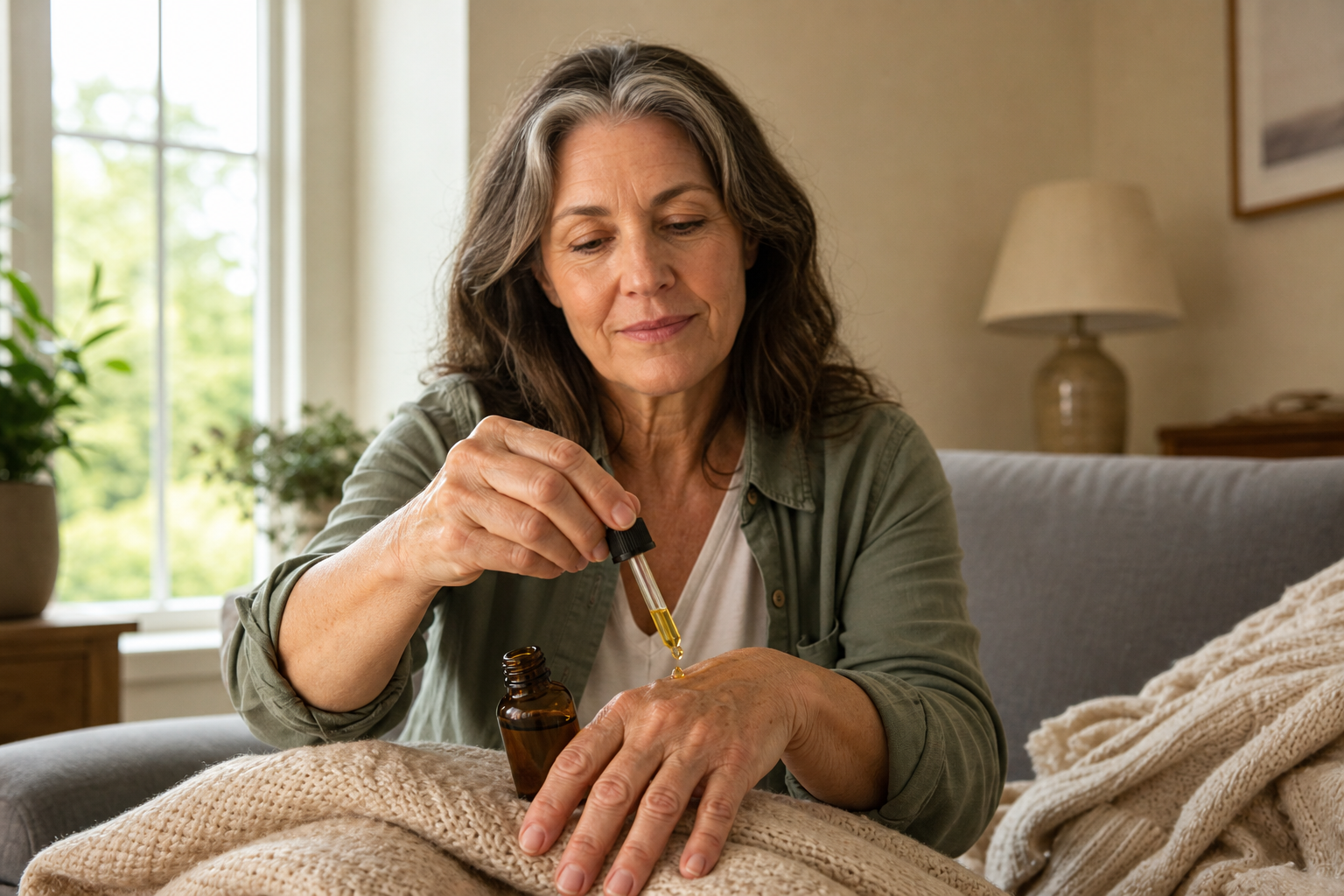
When you hear about CBD for pain, it’s usually available as an oil (you drop it under your tongue), softgel capsules, or even topical creams and ointments. The oil is the classic choice because it’s absorbed quickly and dosing can be adjusted easily. But, not all CBD oil is created equal — more on that below.
Does the Science Actually Back It Up?
Here’s where things get interesting. While you’ll see plenty of glowing customer reviews on Amazon or Facebook groups, what about the hard data? Let’s walk through what we know (and don’t know) so far.
- Animal studies: Researchers have known since the early 2000s that CBD reduces inflammation and pain in rats with arthritis. A 2017 study in European Journal of Pain found topical CBD significantly reduced joint swelling and pain-related behavior in arthritic rats. That’s promising — but humans aren’t rats (my wife would say some are, but that’s another story).
- Early human trials: The big challenge is that we don’t have massive, multi-year clinical trials (yet). That said, a 2020 study in Current Pharmaceutical Biotechnology found CBD gel (250mg daily) improved knee pain and physical function in osteoarthritis patients after 12 weeks. Pain scores dropped by up to 30%. That’s significant — but it’s still early days.
- Anecdotal reports & surveys: A 2019 cross-sectional study in Arthritis Care & Research surveyed over 2,600 arthritis patients — 79% had tried CBD, and the majority reported improvement in pain. Take it with a grain of salt (placebo effect is real), but when thousands of people say it helps, I pay attention.
Most experts (including yours truly) agree: The research is promising, but we need bigger, longer studies. Still, for many, the risk profile of CBD is much lower than popping NSAIDs daily, and plenty of users just want to know if it “works for real people.”
How Does CBD Actually Help Joint Pain?
Let’s decode some science, minus the jargon. CBD interacts with receptors called CB1 and CB2 — think of these as little locks throughout your immune and nervous systems. Early research suggests CBD tells your immune system to “chill out” when it’s getting too aggressive (i.e., attacking your joints in arthritis). It also seems to lower pro-inflammatory cytokines — those proteins responsible for swelling and pain.
Another interesting angle: CBD may also help by changing the way your brain perceives pain. This is why some people who use it for arthritis say it “turns down the volume” on their pain, even if the underlying joint is still cranky. And anyone who’s spent a night awake with throbbing knees knows — sometimes, a little bit of relief is a game-changer.
Does CBD Oil Work for All Kinds of Joint Pain?
I get this question a lot. Short answer: Maybe, but it depends. Osteoarthritis? That’s the type I see most often in my practice, and there’s the most early data there. Rheumatoid arthritis? Some folks report benefits, but if you’re on immunosuppressive meds, always talk to your doctor first — interactions are possible, even if rare.
For “mystery pain” (think: old sports injuries, general aches), CBD might help dial back the inflammation. But it’s not a magic bullet. If your pain is due to a torn ligament or severe structural damage, don’t expect miracles. I tell my clients: CBD can be a helpful tool, but it’s rarely the whole toolbox.
What Dosage Actually Works?
Here’s where most articles gloss over the details. In clinical settings, dosages have ranged from 20mg all the way to 100mg per day. Most over-the-counter tinctures recommend starting with 10-25mg daily, and increasing slowly. Some arthritis trial participants reported best results in the 40-60mg range, but side effects (mainly drowsiness and mild stomach upset) can pop up over 50mg.
I usually suggest starting low — 10mg twice daily, under the tongue, for a week. If you don’t notice a change, bump up by 5-10mg every few days. The effects are subtle at first, so keep a simple diary: jot down your pain score, morning stiffness, and how well you’re moving each day.
And pay attention to the type of CBD: full-spectrum (contains other hemp compounds) vs. isolate (just CBD). Early evidence suggests full-spectrum might enhance the anti-inflammatory effect — the so-called “entourage effect” — but it’s also more likely to have that earthy, grassy taste. (Not gonna lie, my first try was like gulping a field…)

Okay, But What’s the Catch? Potential Side Effects
If you’ve made it this far, you know I’m a stickler for real talk. CBD is generally safe for most adults, but it’s not risk-free. Drowsiness, diarrhea, and changes in appetite are the most common side effects (according to a 2018 review in Frontiers in Neurology), and if you’re on blood thinners (like warfarin), check with your doctor before starting. CBD can affect how your liver processes certain meds. I’ve had a handful of older clients report that their sleep improved too — an unexpected bonus, but something to watch if you’re sensitive to sedation.
Also: Not all CBD oils are created equal. I’ve reviewed dozens for this site. Look for brands that post third-party lab results, use organic hemp, and clearly state THC levels. The biggest red flag? Vague “proprietary” blends or no lab reports. If it’s not clear what you’re getting, move on.
Combining CBD With Proven Joint Relief Strategies
I know this is unpopular, but the best results come when you stack CBD with other proven strategies. A reader emailed me last week: “Should I ditch my knee brace if I start CBD?” Not at all — in fact, I usually recommend trying CBD alongside physical therapy, low-impact exercise, and compression support for a multi-pronged plan.
For example, I’ve seen real-world success when folks pair daily CBD oil with targeted knee supports. The Modvel Compression Knee Brace is my go-to for affordable, reliable support when you’re on your feet. (It’s got over 75,000 reviews for a reason.) And yes, you can absolutely use topical CBD and a brace at the same time — just let the oil absorb for a few minutes first.
Some readers have asked about layering CBD with classic supplements like glucosamine or turmeric. Honestly? There’s no research showing dangerous interactions, but do let your primary care provider know everything you’re taking. I’ve had clients try Vimerson Health’s Glucosamine Chondroitin Turmeric MSM & Boswellia supplement alongside a CBD regimen — they often report better outcomes for stubborn, multi-joint arthritis. (Plus, it covers your bases if you want a plant-centric approach.)
What About Topical CBD Creams?
This is a fun one. Not everyone loves swallowing oils or capsules, and for some, a CBD cream or salve feels more targeted. 2016 research in European Journal of Pain showed that topical CBD reduced localized pain and swelling in animal models. I’ve had clients use creams for hand arthritis, tennis elbow, or that one cranky knuckle — some see noticeable relief within 30 minutes. Others...not so much.
If you want to experiment, look for creams with at least 250mg CBD per ounce, and apply it directly to the sore spot. Just don’t expect a miracle on severe joint degeneration — creams are best for mild-to-moderate aches and as an add-on to oral CBD.
CBD Quality: How to Avoid Getting Scammed
Here’s the real kicker: The CBD industry is still a bit of a Wild West. In 2017, the Journal of the American Medical Association found that over 60% of online CBD products were mislabeled — some had zero CBD, others contained more THC than advertised. This is why I only recommend brands that publish independent lab results, list their CBD and THC content, and use U.S.-grown hemp.
Personal story — my mother-in-law bought a random CBD oil at the flea market. Not only did it taste like motor oil, but it also gave her a splitting headache. Now, I steer her (and you) clear of anything untested. CBD may be natural, but that doesn’t mean every bottle is safe or effective.
If you want specific brand suggestions, feel free to email me. I keep a running list of reputable CBD oils and price points for my clients. (No, not all of them are expensive. Some very solid options are surprisingly affordable.)
What Does Real-World Relief Look Like? (Anecdotes, Not Hype)
I’ve worked with dozens of clients who have added CBD to their joint pain routine. Here’s what I’ve actually seen:
- For some, pain drops from a 7/10 to a 4/10 in the first week. It’s rarely a cure, but often enough to make walks around the block possible again.
- Sleep often improves, especially in those whose pain keeps them up at night. (One client told me he slept through the night for the first time in years.)
- Most stop using heavy-duty NSAIDs daily. They still reach for ibuprofen during flare-ups, but fewer pills = happier stomach.
- Side effects? Mild drowsiness for a few, and one reported dry mouth. No major complications — but again, CBD isn’t for everyone. Always check for potential drug interactions.
A little perspective: If you’re expecting to feel transformed overnight, you’ll probably be disappointed. But if you’re looking for incremental relief — the kind that adds up so you can get off the couch, play with your grandkids, or garden without fear — CBD oil becomes a part of a larger toolkit.
Practical Takeaways: Is CBD Oil Right for You?
Here’s my two cents, after reviewing the science, answering countless patient questions, and trying CBD myself:
- CBD oil appears safe for most adults, with a low side effect risk compared to prescription painkillers.
- Relief is usually modest, not miraculous — especially if joint damage is severe.
- The best results come when CBD is combined with lifestyle upgrades: exercise, healthy weight, compression sleeves, and proven supplements (like glucosamine-turmeric blends).
- Quality matters. Only buy from reputable brands that post lab tests. If the price is too good to be true, it probably is.
- If you’re on medications or have liver/kidney issues, talk to your doctor first.
And look, if you’re nodding along because you’ve tried “everything,” I hear you. Sometimes it takes a little tinkering — dosage, brand, timing — to find your sweet spot. Start slow, track your progress, and be honest about your expectations.
Final Thoughts: Where Does CBD Fit in the Joint Pain Puzzle?
I’ll be honest: I used to be a skeptic. But seeing real-world results — and reading the emerging data — makes me cautiously optimistic. CBD oil probably won’t replace your knee brace, your daily walks, or your favorite heating pad (Pure Enrichment’s XL Heating Pad is still on heavy rotation in my house). But for many, it’s a gentle, plant-based nudge that can make a meaningful difference.
Need a place to start? Research reputable brands, double-check the dosage, and don’t be shy about asking your healthcare provider. If you decide to give CBD a try, I’d love to hear your results — email me anytime, and let’s keep the conversation real.
— James Chen, MS, CSCS
Exercise Scientist & Joint Health Columnist, JointReliefReviews.com