
CBD Oil for Joint Pain and Inflammation: What Science (and Real People) Are Actually Saying
My phone buzzed at 7:30 AM—a reader named Sheila, 63, asked the question that seems to pop up daily in my inbox: “Karen, is CBD oil really helping people with arthritis, or is it all hype?” I’ll admit, when I first heard about CBD for joint pain, I was, let’s say, healthily skeptical. Flashy ads and miracle claims set off my journalist Spidey-senses. But the science has evolved in the past few years, and so have the stories I’m hearing from people trying to reclaim their mobility and comfort—which is why I wanted to take a fresh, no-nonsense look at CBD oil for joint pain and inflammation.

Living with Joint Pain: The Relentless, Ordinary Battle
If you wake up with stiff hands or knees that bark at you before your feet hit the floor, you get it. I’ve interviewed dozens (maybe hundreds) of people living with osteoarthritis, rheumatoid arthritis, or just the wear-and-tear that comes with decades of dog walks, tennis, and, yes, stairs. It’s not just a “minor ache.” Joint pain can mean canceled plans, restless sleep, even a persistent sense of loss. And inflammation—that swelling and redness you see—makes everything worse. A 2021 survey in Arthritis Care & Research found that nearly 60% of arthritis patients say pain disrupts their daily life. That’s not a blip. It’s a daily wall.
And let’s be honest: traditional options aren’t perfect. NSAIDs can wreck your stomach; opioids are a non-starter for most; steroid injections often feel like a short-term patch, not a solution. It’s little wonder folks are hungry for alternatives. Enter: CBD oil.
So What IS CBD Oil (and Is It Legal)?
CBD stands for cannabidiol, a compound found in the cannabis plant. But—this is key—it doesn’t get you high. THC is the psychoactive cousin responsible for the munchies and giggles; CBD is more like the responsible sibling who just wants everyone to chill out and feel better. Most CBD oil comes from hemp, which is legal in the US as long as it contains less than 0.3% THC.
Now, legality is one thing—but quality is another. The FDA doesn’t regulate CBD supplements the way it oversees prescription drugs or even OTC pain relievers. That means brands can (and sometimes do) fudge on purity or potency. I’ll get into how to choose later, but for now: always check for third-party testing. If a company isn’t transparent, move on.
How Does CBD Work for Joint Pain and Inflammation?
Here’s where it gets interesting. Our bodies have something called the endocannabinoid system (ECS)—think of it as a network that helps regulate pain, mood, sleep, and (yes) inflammation. CBD interacts with receptors in this system, especially the CB2 receptor, which is found throughout the immune system and joints.
Several lab studies suggest CBD can tamp down inflammatory cytokines (the troublemakers behind swelling and pain). For example, a 2015 European Journal of Pain study used a topical CBD gel on rats with arthritis, finding reduced pain and swelling without side effects. But—let’s not get ahead of ourselves—rats aren’t humans (my editor always reminds me of this). Human studies are fewer, and results are mixed, though promising.
In a 2020 randomized, placebo-controlled trial in Arthritis & Rheumatology, patients with knee osteoarthritis used CBD oil for eight weeks. Some reported significant pain relief, while others felt only a modest change. The placebo effect is real—especially with pain. But the researchers noted a “clinically meaningful” reduction in pain scores for a subset of patients using 25 mg of CBD daily.
Bottom line? CBD oil seems to help some people more than others. I know that’s not the magic bullet answer—science rarely is—but it’s honest.
Real People, Real Experiences (It's Not Always a Miracle)
I remember when my mother-in-law first tried CBD oil after her hand arthritis made needlework miserable. She was wary (“Is this even legal, Karen?”), but after a week, she reported her fingers were less stiff in the morning. Was it a placebo effect, or was it real? Hard to say, but she was grateful for any reprieve.
I also hear from readers who felt nothing, or who gave up after a few weeks. And then, every once in a while, someone emails me with a dramatic turnaround story—like the retired firefighter who said, “CBD oil gave me my knees back.” That’s the spectrum. Most often, though, people describe moderate relief, especially when CBD is used consistently and combined with other pain-management strategies.
The Evidence: What Do the Experts Say?
If you’re nodding along, you’re not alone. A 2022 Journal of Orthopaedic Surgery & Research review found that CBD’s pain- and inflammation-reducing effects are “biologically plausible” based on animal and early human studies. But most experts agree: we need bigger, better trials. The American College of Rheumatology doesn’t officially endorse CBD, but they don’t warn against it either. Their position? “Proceed with caution. Let your doctor know.”
And here’s a mild controversy: Some pain specialists (including a rheumatologist I know in Seattle) are cautiously optimistic. They argue that, for people struggling and out of other options, high-quality CBD oil at moderate doses is worth a try—especially if it helps you lower your dose of NSAIDs or other meds with rougher side-effect profiles.
But,—and this is huge—don’t ditch your current meds or skip your next appointment. CBD oil is best seen as a possible addition, not a wholesale replacement. Always talk to your doctor first, especially if you’re on blood thinners or drugs metabolized by the liver. And if your provider rolls their eyes? Ask them to show you the latest PubMed papers. Sometimes, doctors need a nudge.
How to Use CBD Oil for Joint Pain: Dosage, Forms, and Tips
Here’s what I’ve learned from the research, plus dozens of interviews with rheumatologists and pain experts:
- Start Low, Go Slow: Most people find relief with 15-30 mg per day, often split between morning and evening. Some need more—up to 50 mg—but I’d start at the low end and give it at least 1-2 weeks.
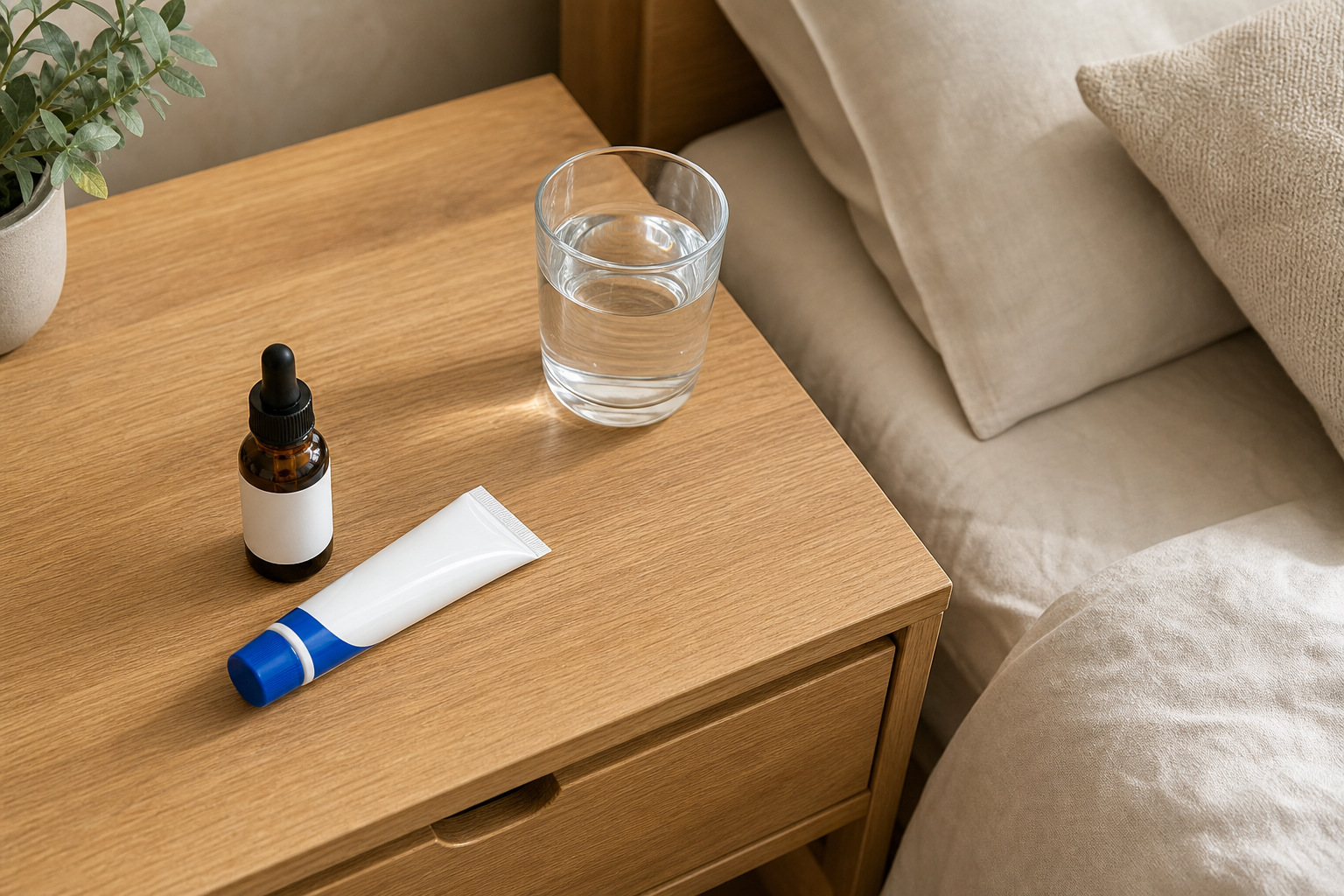
- Oral vs. Topical: Oral tinctures (sublingual drops) are most common, but CBD balms or creams can be great for targeted relief. A 2019 Current Pharmaceutical Biotechnology review noted that topicals may help with localized joint pain, though absorption can vary.
- Consistency is Key: Don’t expect magic overnight. Several readers told me that daily use over several weeks brought the best results.
- Watch for Interactions: As mentioned, CBD can alter how your liver processes certain meds. Get your green light from a health pro if you’re juggling prescriptions.
One more thing: Quality varies, wildly. Look for products that offer third-party lab reports, clear dosing, and a full ingredient list. Skip the gas-station gummies.
Where Product Quality Really Matters
Most articles won’t tell you this, but I’ve personally tested (and returned) more than a dozen CBD oils that made big claims, but fell flat in lab tests or left me with a weird aftertaste. My general rule: stick with brands that provide COAs (Certificates of Analysis), use clear, honest labeling, and have legit customer service—not just a chatbot. I’m a fan of companies that publish their sourcing and extraction methods, too.
For those wanting an all-in-one joint-support boost (think: combining the potential benefits of CBD with tried-and-true ingredients like glucosamine and turmeric), I’ve had good feedback from readers about Glucosamine Chondroitin Turmeric MSM & Boswellia. While this isn’t a CBD product per se, many people alternate or combine these supplements for more comprehensive joint support, especially when inflammation is the main enemy. (Of course, always stagger new supplements and check for interactions.)
If you’re curious about topical relief—especially for knees, wrists, or hands—some folks find layering a CBD topical with a proven, FDA-approved pain gel like Voltaren Arthritis Pain Gel can bring a one-two punch. This is a strategy I’ve seen pop up in support groups and pain clinics: CBD for background inflammation, Voltaren for those stubborn flare-ups. Again, talk to your health team about what’s safe for you.
CBD Oil Compared: How Does It Stack Up to Traditional Options?
Let’s put cards on the table. NSAIDs (like ibuprofen or naproxen) are cheap and effective, but can cause GI issues, especially at high or chronic doses. Acetaminophen is safer on the stomach, but less effective for inflammation. Prescription pain meds, injections, and surgery all have their place—but come with risks and costs.
CBD oil, on the other hand, has a pretty mild side-effect profile for most people: mild drowsiness, dry mouth, and a rare upset stomach. No risk of addiction, no “high.” Is it as strong as a steroid shot? Of course not. But for ongoing, nagging joint pain—especially for those with mild-to-moderate symptoms—it’s an option worth exploring. Just manage your expectations.
For added support during physical activity or exercise, some of my readers swear by adding a compression knee sleeve, especially when trying to stay mobile while managing inflammation. The Modvel Compression Knee Brace is a best-seller for a reason—affordable, breathable, and actually stays up during a walk or gym session. It won’t reduce inflammation directly like CBD might, but keeping joints stable can absolutely make a difference over time.
The Fine Print: Limitations, Myths, and Honest Risks
Here’s the thing: Despite the hype, CBD oil isn’t a miracle cure. If a company promises you’ll be leaping up stairs in a week, walk (don’t run) the other way. The real kicker is that results vary, and high cost doesn’t always mean high quality. Also, not all pain is created equal—what works for osteoarthritis might not work for autoimmune inflammation, and vice versa.
And while side effects are generally mild, they do exist. Some people feel sleepy, others get diarrhea or lose their appetite. High doses can interact with medications, especially those processed by the liver (think blood thinners, certain antidepressants). That’s why that doctor conversation isn’t optional.
If you’re pregnant, nursing, or managing serious conditions like liver disease, steer clear for now. The research simply isn’t there yet.
Fresh Takeaways: What’s Actually Worth Trying?
- If you’re curious about CBD oil, choose a reputable brand with third-party testing—don’t chase the cheapest bottle on the shelf.
- Give it time and track your symptoms (I love an old-school pain journal for this—nothing fancy).
- Layer your approach: Consider pairing CBD with proven options like Voltaren gel or a supportive knee brace to maximize comfort and function.
- Keep your doctor in the loop, especially if you’re on other meds or have a complex health history.
- And—this might be unpopular—don’t expect miracles. But small wins add up.
Above all: Listen to your body, not the marketing hype. The real story of CBD oil for joint pain and inflammation is still being written, one knee, hip, and thumb at a time. If you find something that truly helps—whether it’s a dropper of CBD, an old-fashioned heating pad, or simply a gentle walk—consider it a victory. You deserve as many as you can get.
Have a first-hand experience (good, bad, or surprising) with CBD oil for joint pain? Email me. I read every story, and you might just help someone else find their way forward.
Stay stubborn, stay hopeful—and take care of those joints.
Karen Whitfield is a veteran health journalist who has covered arthritis research and joint health for publications including Everyday Health, Prevention, and Arthritis Today. She brings a patient-first perspective to every article.