
CBD Oil for Joint Pain and Inflammation: The Hype, the Science, and the Honest Truth
I’ll never forget the first time a patient asked me, after a knee replacement, about “those CBD drops doctors keep talking about on the news.” She’d tried everything—ice, heat, physical therapy, even prescription anti-inflammatories. Still, the pain kept her up at night. If you’re reading this with an aching knee, stiff shoulder, or throbbing finger, I bet you know that relentless, gnawing kind of pain.
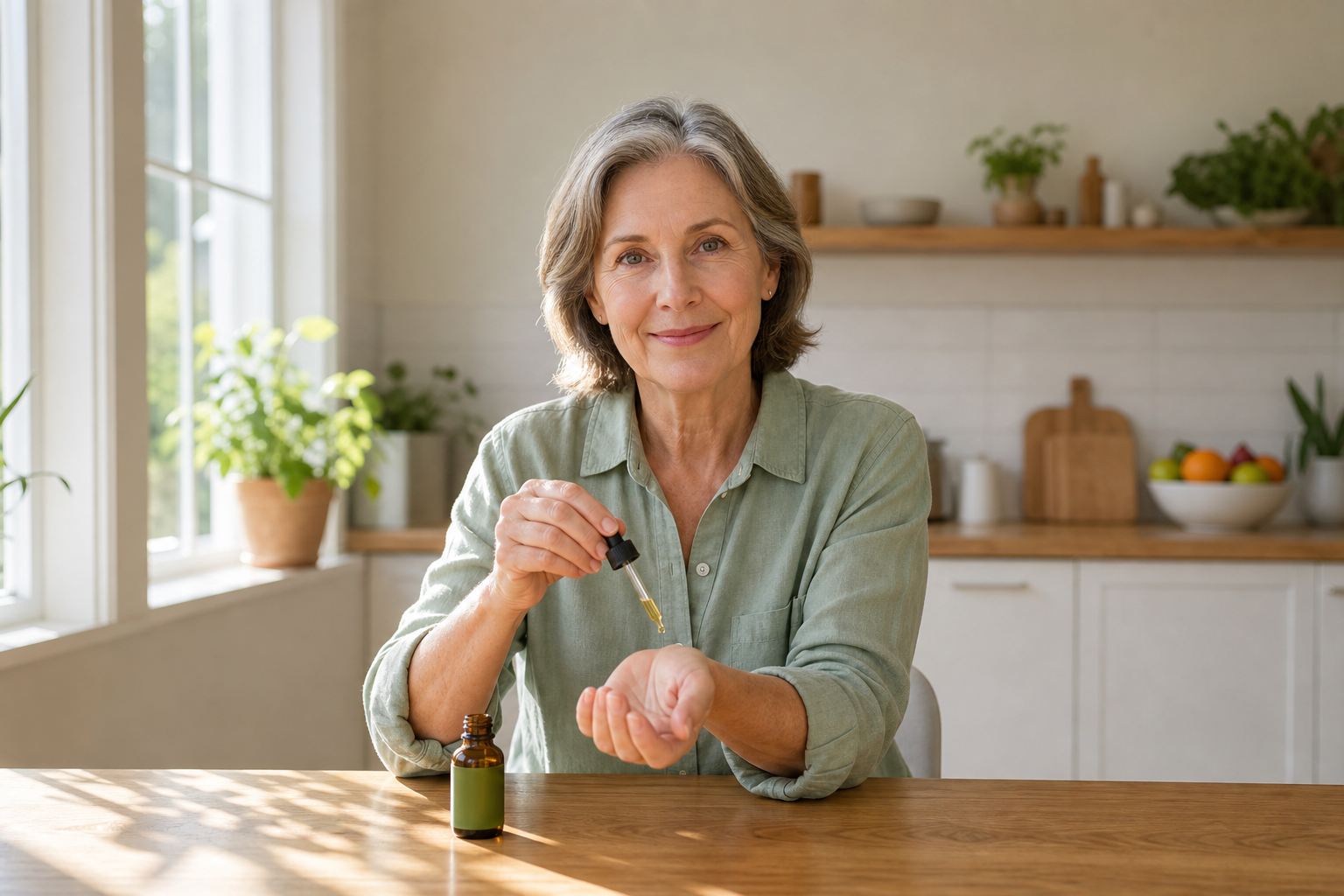
Here’s the thing: Joint pain is more than a medical issue. It’s missing out on the garden, cringing at stairs, dreading cold mornings when everything feels like it’s rusted shut. And while I’ve seen miraculous results from conventional treatments, they don’t work for everyone. Plus, the side effects—stomach upset from NSAIDs, drowsiness from muscle relaxants, that nagging worry about long-term use—are real.
Why Is Everyone Talking About CBD Oil for Joint Pain?
CBD oil is everywhere now. Dropped in coffee, rubbed on knees, even baked into dog treats. If you’ve wondered whether it can actually help with joint pain and inflammation, you’re not alone. The 2022 National Poll on Healthy Aging found that 12% of adults over 50 have tried CBD specifically for pain, and joint pain was the #1 reason.
Not gonna lie, I was skeptical. For decades as an orthopedic nurse, I relied on tried-and-true options: ice packs, heat pads, gentle exercise, the occasional dose of ibuprofen. But over the past five years, a steady trickle of research—and dozens of reader emails—nudged me to take a closer look at CBD.
What Is CBD, Exactly?
If you’re new to this, CBD (cannabidiol) is a compound found in the cannabis plant. But—and this is important—it won’t get you high. The psychoactive part, THC, is mostly filtered out of legal, over-the-counter CBD products.
CBD works by interacting with your body’s “endocannabinoid system,” a regulatory network affecting pain perception, mood, inflammation, and more. Scientists only discovered this system in the 1990s, which partly explains why the science is still catching up.
How Does CBD Oil Affect Joint Pain and Inflammation?
This is the million-dollar question (and why you’re here). Most joint pain—think osteoarthritis, rheumatoid arthritis, or plain old wear-and-tear—has inflammation at its core. Inflammation is what makes knuckles swollen, knees red, and backs feel hot and stiff after too much yard work.
CBD appears to reduce inflammation by signaling the body to lower its production of pro-inflammatory cytokines—those chemical messengers that dial up pain and swelling. In several animal studies (like one published in Pain, 2017), rodents with joint injuries treated with topical CBD had less swelling and moved more freely than untreated ones. Does this automatically mean it works in humans? Not quite—but it’s a decent start.
Now, here’s where it gets interesting: Preliminary human research is less conclusive, but it’s steadily growing. The Journal of Arthritis Care & Research published a 2021 patient survey showing about 55% of people with arthritis who tried CBD reported meaningful improvement in pain, sleep, or physical function. Not a home run, but not snake oil either.
And if you’re nodding along, you’re probably wondering: Capsules, drops, or creams? Oral or topical? I’ll break it down.
CBD Oil: Drops, Gels, and Creams—What Works Best?
There are two main ways people use CBD for joint pain: swallowing it (tinctures, capsules, gummies) or rubbing it on (creams, lotions, balms). Both have pros and cons.
- Tinctures & Capsules: These are most likely to affect your whole body. Some people swear by a daily dropper under the tongue (often 25-50mg per dose), reporting less morning stiffness and more comfortable sleep. Downside? Effects can take longer—sometimes days or weeks of regular use. And doses aren’t always straightforward—it’s not like Tylenol, where 500mg = one tablet.
- Creams & Balms: If your pain is local—one knee, a thumb joint—topical CBD is popular. A 2020 pilot study in Current Pharmaceutical Biotechnology found that a CBD gel applied to arthritic knees twice daily led to more pain-free movement after just two weeks. Bonus: Little risk of systemic side effects (upset stomach, drowsiness), since the CBD doesn’t travel far from the skin.
One caveat: Don’t expect magic. Consistent, daily use is usually needed to see results. And talk to your doctor before mixing CBD with other meds, especially blood thinners or sedatives.
CBD Oil vs. Traditional Pain Relief
Here’s an unpopular opinion (but someone has to say it): CBD isn’t a miracle cure, and for some folks, tried-and-true options are still king. As much as I love new science, I’d be doing you a disservice if I pretended otherwise.
For example, topical Voltaren Arthritis Pain Gel (diclofenac sodium) is still the #1 doctor-recommended topical for arthritis pain. It’s FDA-approved, has decades of clinical data, and most insurance plans cover it. I keep a tube in my own medicine cabinet for the odd sore wrist. But—some can’t tolerate it, and it’s not as “clean label” as CBD. Horses for courses.
What Does the Research Actually Say?
Let’s get granular (because you deserve better than marketing hype):
- Osteoarthritis: A 2022 randomized controlled trial in Arthritis & Rheumatology found that oral CBD (50mg twice daily) showed mild improvement in knee pain versus placebo, but the difference was modest. More telling? About 70% of users said they would “continue using” it after the study.
- Rheumatoid Arthritis: A 2023 review in BMJ Open concluded that while most trials are small, CBD appears safe and may reduce morning stiffness, swelling, and pain scores in some patients—but results are “mixed” and not everyone benefits.
- Safety: At usual doses (under 200mg/day), CBD is generally well-tolerated. The main risks? Dry mouth, drowsiness, possible drug interactions. Also, quality matters—some over-the-counter products contain less CBD than the label claims. I always tell folks to look for third-party lab testing.
One more thing most articles won’t tell you: The placebo effect for joint pain is massive—up to 40% of people report improvement just by expecting relief, no matter the treatment. So, if CBD seems to help? That’s valid, too.

Practical Tips: Making CBD Work for You
Based on my (sometimes skeptical) deep dives, here’s how I advise friends and readers who want to give CBD a fair shot:
- Start Slow: Try 10-25mg per day for tinctures or capsules. For creams, a pea-sized amount to start, twice daily. Ramp up slowly if needed.
- Track Your Symptoms: Use a pain diary. Mark pain, stiffness, and sleep quality before and after starting CBD. Wasn’t until I wrote down my own post-yoga aches that I realized how subtle changes can sneak up on you.
- Prioritize Quality: Only buy from brands with clear dosing, third-party lab results, and U.S. or EU-grown hemp. If a bottle makes wild claims, skip it.
- Don’t Ditch Proven Therapies: CBD can be a helpful add-on, but don’t stop prescribed meds or physical therapy without talking to your doctor. I’ve seen patients set back months by stopping their arthritis meds prematurely.
- Combine with Lifestyle Moves: Gentle stretching, simple home exercises, and heat therapy with the PureRelief XL Heating Pad can boost relief. Multimodal care really is the gold standard.
And here’s a little wisdom from the trenches: The most dramatic improvements I’ve seen are usually from folks who combine a handful of strategies—gentle movement, topical relief, daily stretching, and yes, sometimes CBD.
What About CBD Dosage and Forms?
This is where things get fuzzy. There’s no universal “CBD dose for joint pain.” Studies use a wide range: 20mg to 300mg per day. Most over-the-counter oils suggest starting at 10-25mg and titrating up.
I’ve found that most people get the best results with 25-50mg daily, divided into morning and evening doses. For creams, apply to the affected area twice daily. Higher isn’t always better—a 2020 trial in Journal of Rheumatology found no added benefit above 100mg per day for osteoarthritis. And always, always talk to your doctor if you’re already on other medications. CBD can interact with blood thinners, seizure meds, and some antidepressants.
Are All CBD Oils the Same?
Short answer: No. Quality varies wildly, and this is where a lot of folks get frustrated. The FDA has flagged dozens of brands for overstating CBD content—or worse, containing hidden THC.
What do I look for? U.S.-grown, organic hemp. CO2 extraction (it leaves fewer residues). Clear labeling with milligrams per dose. And, most important of all, third-party certificates of analysis—so you know what you’re getting is what’s on the label.
If you want a supplement that combines several joint-friendly ingredients (though not CBD), the Vimerson Health Glucosamine Chondroitin Turmeric MSM & Boswellia is a reader favorite. But if you’re looking at CBD, stick with brands that publish their lab tests. Don’t be afraid to email a company for results—I do it all the time.
Real People, Real Results (And Setbacks)
Let’s be honest: For every glowing testimonial, there’s someone who was disappointed. My mother-in-law tried CBD drops after her second knee replacement. First week? No change. After three weeks, she noticed her morning stiffness was a bit better, but the pain wasn’t “gone.” She still needed her heating pad and short walks, but she slept better and had fewer “bad days.”
And a reader, Tom from Michigan, emailed last month: “CBD cream helped my thumb arthritis for a few weeks, but the pain came back once I stopped. Works best as a daily part of my routine, not a cure.” That’s the honest, messy truth.

Is CBD Oil Legal—and Safe to Use?
Short version: In most U.S. states, yes—as long as it contains less than 0.3% THC. But laws change, so check your local rules. And if you’re drug-tested for work, know that trace amounts of THC can sometimes show up (rare, but possible with some full-spectrum oils).
Pregnant or breastfeeding? Skip CBD for now—the safety data just isn’t there yet.
The Bottom Line: Should You Try CBD Oil for Joint Pain and Inflammation?
If you’ve tried the classics—heat, cold, gentle exercise, NSAIDs—and you’re still struggling, CBD oil is a reasonable, generally safe option to try as part of a broader strategy. It won’t work for everyone. For some, it’s a game-changer. For others, it’s just another bottle on the shelf. The biggest wins seem to come when people combine CBD with physical therapy, consistent stretching, and other proven pain-relief approaches.
Above all, go slow, start with reputable brands, and keep your doctor in the loop. If something’s working, celebrate it—even small improvements make a big difference when you live with chronic pain.
Here’s to finding the relief you deserve—whatever path gets you there.
Linda Hargrove, RN
20-year Orthopedic Nurse & Health Writer