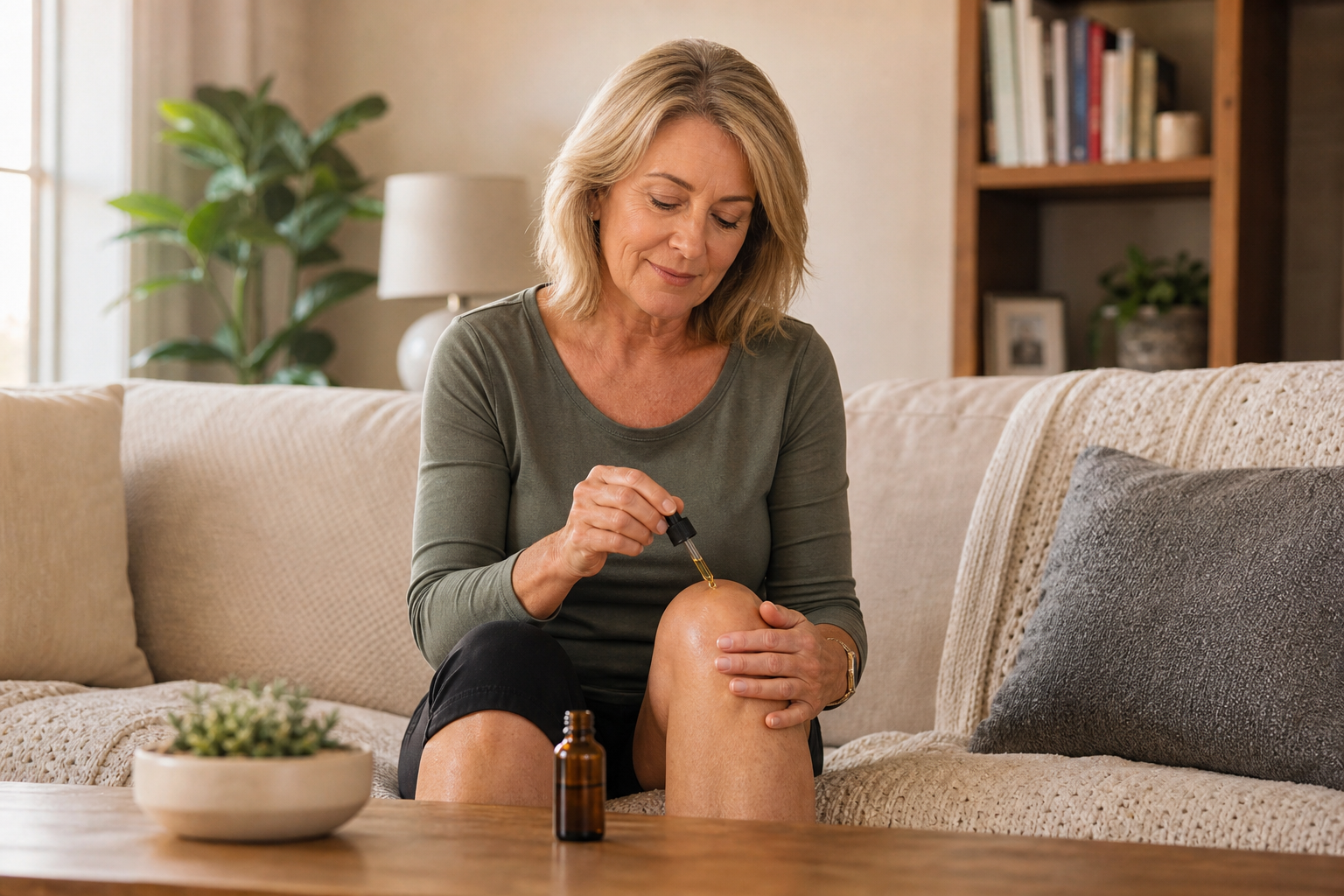
CBD Oil for Joint Pain and Inflammation: Does It Actually Work? A PT's Candid Review
I’ll never forget the first time a patient hobbled into my clinic clutching a little bottle of CBD oil. This was back in 2017 — before every gas station and Instagram influencer was hawking it — and she had that hopeful look I see so often in folks desperate for real relief. “Sarah, does this stuff actually help knee pain?” she asked. I gave her the only honest answer then: “Maybe.”

But here’s the thing: In the years since, I’ve fielded this question hundreds of times. Joint pain — whether from arthritis, old injuries, or mysterious aches that show up with birthdays — can be stubborn, relentless, and sometimes humiliating. If you’re reading this, you probably know the drill: Sleep gets disrupted, stairs become an adversary, and even simple gardening feels like an Olympic event. I wish I could wave a magic wand for my patients (and frankly, for my own cranky left hip some days), but the science behind new “miracle” solutions always deserves a closer look.
Pain That Won't Quit: Why Joint Inflammation Is So Hard to Treat
Before we dig into the CBD question, let’s talk about the real villain here — chronic joint inflammation. Whether you’re dealing with garden-variety osteoarthritis (hello to my fellow 40-somethings) or an autoimmune storm like rheumatoid arthritis, the pattern is the same: Your immune system triggers a cascade of chemicals (cytokines, prostaglandins, if you want to get nerdy) that make joints hot, swollen, stiff, and sore. Over time, this inflammation erodes cartilage, weakens supporting muscles, and even affects your mood. I see so many people who feel like their pain is “invisible” to others, but let me say — you’re not imagining it.
Now, standard treatments don’t always cut it. NSAIDs (ibuprofen, naproxen), acetaminophen, and prescription drugs can help, but long-term side effects are a real concern. Steroid shots? Temporary fix, at best. And most “pain creams” barely make a dent (though I have seen Voltaren Arthritis Pain Gel help some folks with hand or knee arthritis — especially for mild flares). Diet, exercise, and physical therapy are crucial, but sometimes you still need more firepower.
Cue the CBD Craze: Hope or Hype?
If you’ve Googled “CBD for joint pain,” you know the promises are everywhere — inflammation reduced, sleep restored, pain banished. But here’s where it gets interesting: Cannabidiol (CBD), a non-psychoactive compound from the hemp plant, actually does have some real science behind it. The catch? Much of it is early, and most studies aren’t exactly massive.
Let’s break down what we actually know so far.
- Animal studies first opened the door: Researchers have shown that CBD reduces joint inflammation and pain behaviors in rats with induced arthritis (see: European Journal of Pain, 2016). The mechanism seems to involve calming down those pro-inflammatory “cytokine storms.”
- Small human studies show promise (but not miracles): A 2020 Arthritis & Rheumatology clinical trial on topical CBD for hand osteoarthritis found “modest but significant” reductions in pain after two weeks compared to placebo — but not everyone responded.
- Patient-reported relief is all over the map: I’ve had patients swear CBD oil made their joint pain “manageable for the first time in years” — and others who noticed zero difference. And not gonna lie, the placebo effect in pain research is powerful. Sometimes hope itself is medicine.
But — and this is crucial — major rheumatology organizations (like the American College of Rheumatology in their 2023 guidelines) still say “insufficient evidence to recommend” CBD for arthritis. Why? Most studies are short-term, small, and use variable doses and products. If you’re nodding along, you know the frustration.
How (Might) CBD Oil Actually Work for Joint Pain?
Let’s talk real science for a moment. CBD interacts with your body’s endocannabinoid system — you can think of this as a network of receptors (CB1 and CB2, mainly) sprinkled throughout your joints, nerves, and immune cells. When inflammation rages, these receptors help modulate pain signals and immune activity. CBD seems to “nudge” this system toward relaxation, reducing the chemical signals that spell pain and swelling. It’s not a narcotic, and it won’t get you high (THC, its chemical cousin, is the psychoactive one).
Here’s what I find fascinating: Some laboratory studies (see Journal of Experimental Medicine, 2012) suggest CBD may also calm muscle spasms, support sleep, and even influence mood — all things that go haywire with chronic pain. But human biology is messy, and what happens in a petri dish doesn’t always translate to our creaky knees or swollen hands.
Forms, Dosages, and Real-Life Use: What Actually Helps?
Here’s where I see people get tripped up. Not all CBD is created equal, and types, purity, and doses matter. Oils, capsules, gummies, topical creams, you name it — I’ve seen patients try them all. The research is clearest on two formats:
- CBD Oil/Tinctures: These are liquid extracts placed under the tongue (sublingual absorption is faster than just swallowing). Doses in studies typically range from 20mg to 50mg per day — though some people go higher (always start low and go slow!).
- Topical CBD Creams: These target the sore joint directly. They seem most effective for small joints (think hands, knees, wrists). Some folks layer them over prescription meds like Voltaren Gel — talk to your doctor before mixing, as absorption and side effects aren’t fully understood.
Capsules and edibles are fine, but absorption is slower and less predictable. And, heads up: CBD is not a quick fix. It can take days or weeks to notice changes. In my clinic, I tell folks to stick with it for at least two weeks before judging.
Risks, Side Effects, and What Most Articles Won’t Tell You
I know this is unpopular, but CBD isn’t magic. Some folks get dry mouth, mild dizziness, or GI upset (think loose stools). Rarely, it can interact with medications (like blood thinners or certain seizure meds), so — and I can’t say this enough — talk to your doctor before adding CBD to your regimen. Especially if you’re on prescription drugs or have liver issues.
Another practical gripe: The CBD market is unregulated. That means potency, purity, and even basic labeling can vary like crazy between brands. I’ve seen third-party lab tests show everything from extra THC (which is technically illegal above 0.3% in most states) to zero CBD in some bottles. If it sounds too cheap or too miraculous, be skeptical. Look for products with a QR code or published lab report online.
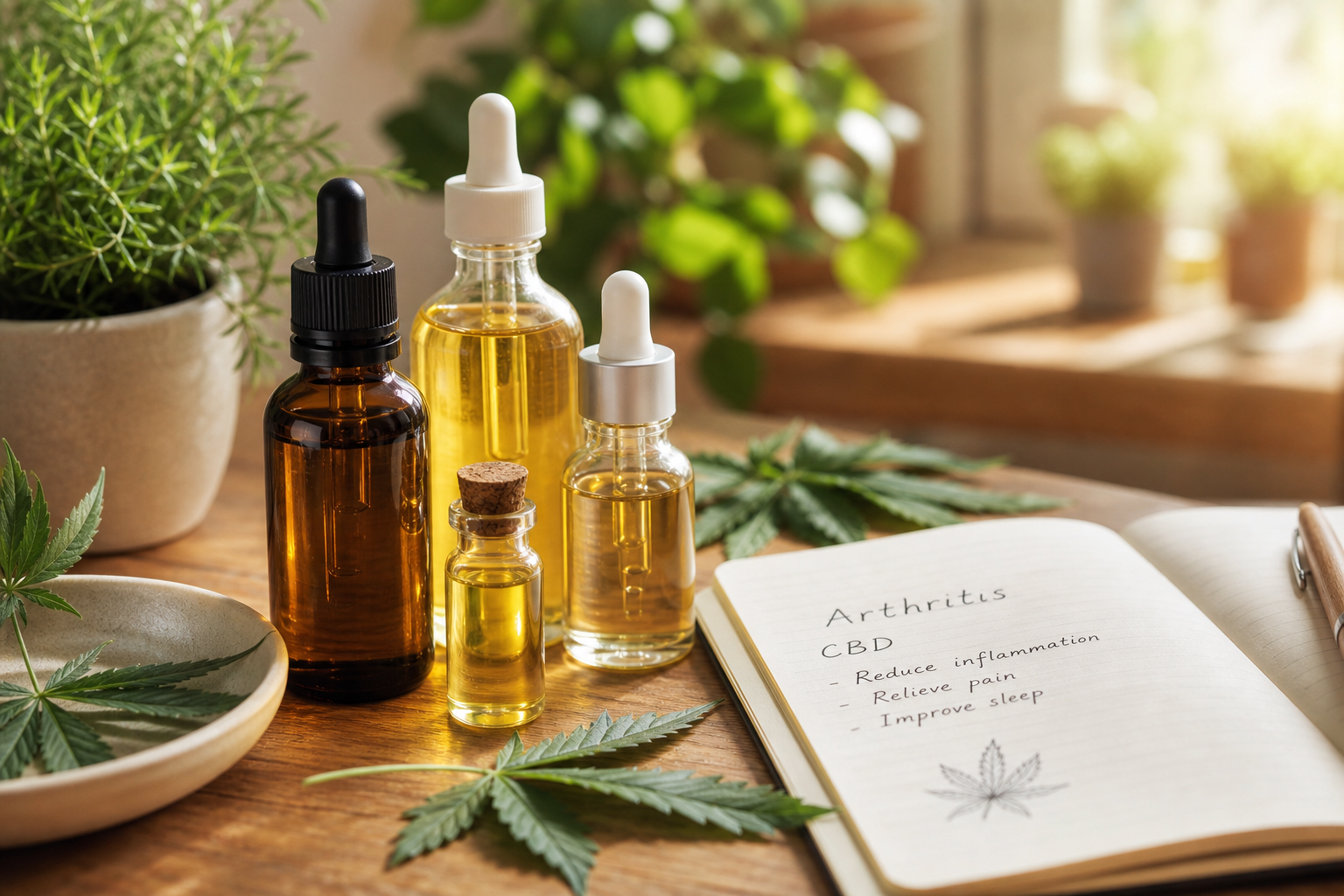
And one more thing: If you’re subject to drug testing (for work or sports), be aware that even trace THC in some CBD products could trigger a positive result. Not common, but it happens.
How Does CBD Compare to Other Joint Pain Solutions?
Let’s zoom out. I’ve reviewed dozens of joint pain products and approaches — from hardcore prescription injections to gentle home remedies. Here’s how CBD stacks up, in my honest opinion:
- Versus NSAIDs: CBD is gentler on the gut and kidneys, but generally less potent for acute pain flares.
- Versus Voltaren Gel: Topical NSAIDs like Voltaren often work faster for hand and knee arthritis, but CBD has fewer systemic effects and can be used long-term.
- Versus supplements (glucosamine, turmeric): The evidence base is similar — modest improvements for some, little for others. I’ve seen combination supplements like Vimerson Health Glucosamine Chondroitin Turmeric MSM & Boswellia help some patients, especially with morning stiffness.
- Versus physical therapy/exercise: Here’s where I always plant my flag. The bulk of high-quality research (see BMJ, 2022) still shows movement, strength training, and gentle stretching are the gold standard for joint function and pain. CBD can be “the icing, not the cake.”
One reader emailed me last week about combining CBD oil with a daily walk and simple strengthening moves from Treat Your Own Knees by Jim Johnson. After a month, she was back in her garden — not pain-free, but moving and sleeping better than she had in years. That’s a win in my book.
What to Look for (and What to Skip) in a CBD Oil
This part makes all the difference. If you want to give CBD oil a shot, keep these tips in mind:
- Full-spectrum or broad-spectrum? Full-spectrum CBD contains trace THC (under 0.3%), potentially offering more “entourage effect” benefits. Broad-spectrum has zero THC. If you’re sensitive or subject to drug testing, pick broad-spectrum.
- Third-party testing is non-negotiable. Look for brands that publish batch lab reports (check for contaminants, THC, and actual CBD content).
- Start low, go slow. Begin with 10-20mg per day and gradually increase. Watch effects on pain, sleep, and mood for at least two weeks before adjusting.
- Watch the price tag. Real, lab-tested CBD isn’t dirt cheap. Be wary of deep discounts or “miracle” claims.
And please — don’t stop any prescribed medication without talking to your provider. CBD is an adjunct, not a replacement for well-studied treatments.
The Bottom Line: Who Actually Benefits? (And Who Might Not)
I’ll be honest: About half the patients I see who try CBD oil for joint pain report some improvement — usually mild to moderate relief. Sleep and general “well-being” seem to improve most consistently. The best responders tend to be those with mild to moderate osteoarthritis, or folks with trouble tolerating NSAIDs.
But for severe inflammatory arthritis (RA, lupus) or sharp, acute pain, it’s rarely enough on its own. And if you’re looking for a miracle? You’re likely to be disappointed. (I know — I want miracles too!)
One little-known tip: Combining CBD with heat therapy (think an extra-large heating pad like the Pure Enrichment PureRelief XL Heating Pad) may help dial down joint stiffness in the evenings, at least anecdotally. Several patients in my clinic swear by this combo for those “can’t get comfy” nights.

Takeaways: My Candid Thoughts on CBD Oil for Joint Pain and Inflammation
If you’ve made it this far, you know I’m not here to sell snake oil. The bottom line from my years in the clinic, pouring over research, and (yes) trying a few drops myself on my grumpy hip?
- CBD oil can help some people with joint pain, but it’s rarely dramatic or immediate.
- It’s safest and most effective when paired with movement, heat therapy, and other proven strategies.
- Use only trusted, lab-tested products, and start low on dosing.
- Don’t expect miracles — but do give it a fair shot if your doctor gives the green light.
If you’re curious, I always recommend chatting with your primary care doc or a pharmacist who knows your meds before you start. Pain is personal, and sometimes even a little progress is worth celebrating.
If you’ve had success (or frustration) with CBD oil for joint pain, shoot me an email — your stories genuinely help me help others.
Stay hopeful, stay moving, and don’t believe the hype — but don’t give up on relief, either. You deserve to feel better.
Dr. Sarah Mitchell, DPT — Senior Health Editor, JointReliefReviews