
CBD Oil for Joint Pain and Inflammation: Hope or Hype?
I still remember the first time a patient’s daughter brought up CBD oil in my clinic—this was maybe five years ago, before it was in every gas station and grocery store. She asked, point blank, “Linda, does this stuff really help with my dad’s arthritis pain, or is it just snake oil?” I’ll be honest: At that time, I didn’t have a good answer. The research was thin, and the medical world was split. Fast-forward to today, and the shelves are groaning with CBD lotions, drops, and gummies all promising joint pain relief. So the question remains: Is CBD oil genuinely helpful for joint pain and inflammation, or are we all just caught up in the latest health craze?

Living with Joint Pain: The Daily Reality
If you’re reading this, chances are you know all too well what joint pain can do to a person’s life. Some mornings, it feels like the Tin Man from The Wizard of Oz—I’d have to “grease” my knees before I could even think about climbing the stairs. And I’ve watched my patients grapple with everything from stiff knuckles that make opening jars a Herculean task to swollen knees that ache just sitting still. The statistics are downright sobering: According to the CDC, more than 54 million Americans suffer from arthritis alone. That doesn’t even count bursitis, tendonitis, or the odd sports injury that never quite healed right.
But here’s the real kicker: Most folks don’t want to live on ibuprofen or prescription pills forever. They want natural options. Something they can trust won’t fry their stomach, torch their liver, or leave them in a daze for half the day. Enter CBD oil—practically overnight, it’s become the “maybe this will help” option for millions. But does it deliver?
How Does CBD Actually Work for Joint Pain?
Let’s dig into the basics. CBD (short for cannabidiol) is a naturally occurring compound in the cannabis plant. No, it won’t get you high—that’s THC’s job, and most CBD is derived from hemp, which contains less than 0.3% THC by law. Instead, CBD interacts with something called the endocannabinoid system (ECS), a sort of “body-wide switchboard” that helps regulate pain, inflammation, sleep, and mood.
Here’s where it gets interesting: The ECS is involved in controlling inflammation in your joints and nerves. Several studies—like one from European Journal of Pain in 2016—found that topical CBD gel significantly reduced pain and inflammation in rats with arthritis. The human data is a bit less clear, but there are some small, promising trials. For example, a 2020 pilot study in Arthritis Care & Research looked at CBD use in people with knee osteoarthritis and found it was “well-tolerated” and seemed to reduce pain for several participants, though more robust research is still needed.
But—and here’s where a lot of folks get tripped up—CBD isn’t a magic bullet. The way it helps with joint pain likely comes down to two things: reducing inflammation and modifying pain signaling. CBD seems to prevent the body from making certain inflammatory molecules (cytokines like TNF-alpha, for those who love specifics) and may also dampen the transmission of pain signals in your nerves. Think of it as a gentle volume dial, not an “off switch.”
What the Research Really Says (And Where It Falls Short)
I’ve reviewed dozens of CBD studies over the years, and the most honest thing I can tell you is this: We have a lot of early animal data, some promising but small human studies, and a whole lot of anecdotal success stories. For example, a 2018 review in Frontiers in Pharmacology described CBD as “a promising anti-inflammatory agent” but kept circling back to the need for large-scale, high-quality clinical trials. Translation: We’re not there yet, but the early signals are hopeful.
Most doctors I trust (and my own experience as a nurse) suggest that CBD oil may be worth a trial for certain types of joint pain—especially if other options haven’t worked, or if you’re hoping to avoid daily NSAIDs. Several of my readers with mild to moderate osteoarthritis or even stubborn tendonitis have emailed me about positive experiences. One woman told me that after two weeks of daily CBD oil drops, her morning finger stiffness was “actually bearable” for the first time in years. I believe her—but I also know that for every success story, there’s someone who felt nothing at all.
CBD Oil vs. Traditional Joint Pain Relief
Let’s compare apples to apples for a minute. The gold standards for joint pain relief are still acetaminophen, NSAIDs like ibuprofen and naproxen, and sometimes prescription meds (think: celecoxib, or even opioids for short bursts). Each has its risks—NSAIDs can cause ulcers or raise blood pressure, acetaminophen can harm the liver in high doses, and prescription opioids… well, you know that story.
CBD oil’s appeal is pretty simple: It offers a “gentler” option without the classic side effects of traditional meds. It’s also available over-the-counter in most states. But—there’s always a but—the lack of standardization, inconsistent dosing, and wild market claims are real problems. There’s no “CBD Tylenol” with FDA-backed dosing on every bottle.
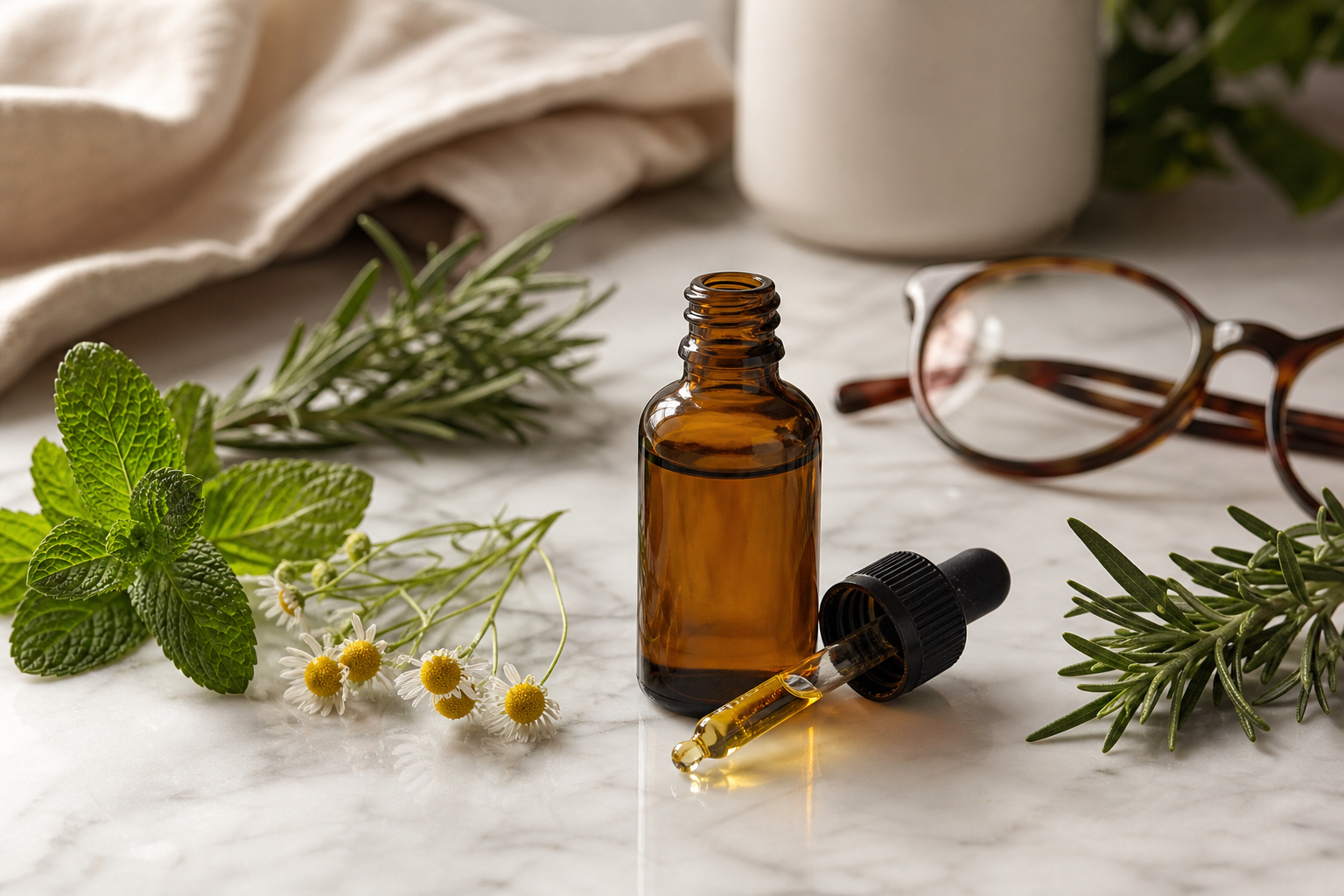
How to Use CBD Oil for Joint Pain & Inflammation: Real-World Advice
If you’re nodding along, you might be wondering—should I try it? And what’s the safest way?
- Start low and go slow: Most people start with 10-25mg of CBD oil per day, then gradually increase as needed. Some studies use up to 50mg or even 100mg daily, but side effects (like drowsiness or GI upset) get more common at higher doses.
- Choose reputable brands: You want third-party lab testing, clear labeling, and transparency. My go-to tip? Look for a QR code or lab report right on the packaging.
- Topical vs. oral: For localized joint pain (like a sore knee), a topical CBD cream may deliver relief right where you need it. Systemic issues (like widespread RA) might benefit more from oral oils or capsules.
- Be patient: Some folks feel a difference in days, others need several weeks. Stick with it for 2-4 weeks before passing judgment.
- Talk to your doctor: Especially if you take other meds—CBD can interact with blood thinners, seizure meds, and even some antidepressants. I can’t stress this enough.
One last thing: If you’re drug tested for work, be careful. Even “THC-free” CBD products can sometimes contain trace amounts of THC. It’s rare, but not impossible.
What About Product Quality? (The Part Most Articles Skip)
Here’s the thing: The CBD industry is still a bit of the Wild West. The FDA has sent warning letters to dozens of companies for false claims or contaminated products. I’ve seen everything from mislabeled milligrams to oils that tested positive for heavy metals—yikes. If you decide to try it, you need the real deal.
One product I’ve vetted (and yes, actually tried myself after an old hiking injury flared up) is CBDPure Hemp Oil. It’s consistently third-party tested, uses organic hemp, and the company publishes lab results online. I can’t promise it’ll work for everyone, but it’s a good place to start if you want to avoid the duds (and, full disclosure, that’s an affiliate link—but I’d recommend it to my own mother-in-law).
CBD Oil vs. Other Natural Remedies
CBD oil isn’t the only supplement that gets attention for joint pain. Glucosamine and chondroitin, turmeric, MSM, and boswellia all have their fans. The main difference? Most of those focus more on cartilage support and long-term inflammation control, whereas CBD seems to tackle nerve pain and immune system signaling more directly.
If you’re curious about the full “natural stack,” I often recommend pairing CBD oil with a proven joint supplement—something like Glucosamine Chondroitin Turmeric MSM & Boswellia from Vimerson Health (again, a product I’ve seen good results with in my family and among readers). Just don’t start everything at once; introduce one new supplement every couple weeks so you can track what actually helps.
CBD Oil Safety: What Are the Side Effects?
I know some folks worry about CBD’s safety profile. Based on the current research and my own experience, most people tolerate CBD oil very well. The most common side effects: fatigue (especially at higher doses), changes in appetite, and sometimes mild diarrhea or nausea. Rarely, it can interact with other medications. If you’re on prescription blood thinners like warfarin, anti-seizure drugs, or certain statins, check with your pharmacist before diving in.
And let’s address the elephant in the room—CBD is not addictive, and it won’t show up like marijuana on a standard drug test unless it contains significant THC (which legal hemp-derived oils should not).
What Real People Say: Reader Notes and Anecdotes
Every week, I hear from readers trying CBD for their joint pain. Some are ecstatic (“I can garden again!”), some say it takes the edge off but isn’t a miracle, and a few felt nothing. One reader, a retired teacher with rheumatoid arthritis, told me she sleeps better and moves more easily on 30mg of CBD oil nightly. Another, a middle-aged runner, swapped ibuprofen for topical CBD cream after a particularly stubborn ankle sprain—he swears by it for post-run flareups.
The pattern I see is this: If your pain is driven mostly by inflammation and nerve irritation (think arthritis, tendonitis), you’ve got a decent shot at some relief. If your issues are purely mechanical (bone spurs, severe cartilage loss), CBD likely won’t do much on its own.

Integrating CBD Oil into a Broader Pain Management Plan
Here’s my honest, nurse-to-patient advice: Don’t stake everything on CBD oil. The best results come when it’s used as part of an overall plan—gentle exercise (even just walking or stretching), anti-inflammatory foods (think salmon, berries, olive oil), and other tried-and-true remedies. For practical strategies, Treat Your Own Knees by Jim Johnson is still my favorite guide for home-based pain relief—especially if joint pain is stealing your joy.
Key Takeaways: Does CBD Oil Really Help Joint Pain?
- CBD oil shows promise for reducing joint pain and inflammation, especially in mild to moderate cases—though research is ongoing.
- Look for high-quality, third-party tested brands, and go low-and-slow with dosing.
- Pairing CBD oil with exercise, joint supplements, and smart lifestyle changes usually brings the best results.
- If you’re on other medications, talk to your doctor or pharmacist before trying CBD.
- Real results vary—a few people feel nothing, but many report less pain, improved movement, and better sleep.
If you’re tired of waking up sore, I get it—truly. Trying CBD oil isn’t a guarantee, but for many, it’s another tool in the pain management toolbox. If you have questions, drop me a comment or email—I read every one. Wishing you a little more comfort and a lot less stiffness this month.
Linda Hargrove, RN—20 years in orthopedic care, now stubbornly passionate about practical, research-backed joint relief. Find more honest reviews and tips at JointReliefReviews.com.