CBD Oil for Joint Pain and Inflammation: The Real Story (from a Skeptic Who’s Now a Fan)
I was at my nephew’s soccer game last fall — lots of folding chairs, lots of hot coffee, and a huddle of parents grumbling about knees and backs. Out came a little brown bottle. "You tried this stuff yet?" a dad asked, waving a dropper of CBD oil like it was some kind of magic potion. There was a time I would’ve rolled my eyes. But I’d just spent the better part of a month reviewing the clinical data on CBD for joint pain and inflammation. And I'll admit — it’s not all smoke and mirrors.

The Daily Grind of Joint Pain: Why CBD Oil Even Enters the Chat
If you’re wrestling with joint pain, you don’t need a lecture. Maybe you’ve got that morning stiffness that takes two cups of coffee and ten minutes to shake off. Maybe it’s your hands locking up when you try to open a stubborn jar (my mother-in-law’s nemesis). Or maybe, like a reader emailed me last week, you can’t get down on the floor to play with your grandkids without planning an exit strategy. It’s not just discomfort — it’s a daily loss of freedom.
Here’s the thing: joint pain and inflammation aren’t just about aging. Yes, osteoarthritis and rheumatoid arthritis are big players, but so is the low-level, smoldering inflammation that sneaks up after an old sports injury or years at a desk job. Modern medicine has NSAIDs and prescription options, but the side effects (hello, stomach issues and brain fog) get old fast. So where does CBD oil fit in?
What Is CBD Oil? (And Does It Really Work for Joint Pain?)
CBD — short for cannabidiol — is a non-psychoactive compound found in hemp and cannabis. Unlike THC, it won’t get you high. Instead, it interacts with your endocannabinoid system — a network of receptors that helps regulate pain, mood, and inflammation. Think of it as a system that helps keep your body in balance (I explain it to my clients as the body’s own “dimmer switch” for signals like pain and swelling).
Now, the million-dollar question: Does any of this matter for your aching knees or swollen fingers? The science is... complicated. But in some ways, that’s good news. It means researchers are actually paying attention, and the snake oil is slowly getting weeded out.
Citing the Science: The Studies That Changed My Mind
Let’s get specific. The European Journal of Pain (2016) published an animal study using a topical CBD formulation for arthritis. The results? Reduced joint swelling and pain in rats — with no notable side effects. Now, rats aren’t people, but animal studies are often the first domino to fall before bigger human trials. And in 2020, a small but intriguing study in Arthritis Care & Research followed patients using CBD for hand osteoarthritis. Nearly 60% reported improved pain scores after daily use — though, to be fair, there was a strong placebo effect too.
I know, I know — you want the gold-standard, double-blind human trials. We’re getting there. A 2022 review in BMJ Open looked at several randomized controlled trials of CBD for chronic pain (including osteoarthritis and rheumatoid arthritis). The result? CBD showed a modest reduction in pain for some patients, with an excellent safety profile. Not a miracle, but a potential tool in the toolbox — especially alongside exercise and lifestyle changes.
And I have to say, the stories I hear from readers and patients don’t sound like placebos. A client in her 60s with persistent knee pain told me, after a month on a quality CBD oil (25mg twice a day), she was able to walk her dog again without limping home. Is that proof? No — but it’s real life.
How Does CBD Actually Help with Joint Pain?
Let’s break down the science in plain English. CBD interacts with two main types of receptors (CB1 and CB2) in your body. CB2 receptors, abundant in the immune system and joints, can help tamp down inflammation when activated. Beyond that, CBD seems to slow the signaling of inflammatory cytokines — the stuff that causes swelling and that nagging ache.
There’s another angle, too: CBD has been shown to reduce anxiety and improve sleep in some studies. And if you’ve lived with chronic pain, you know that a bad night’s sleep or a stressful day can dial up your symptoms. So, while CBD isn’t a direct painkiller like ibuprofen, it seems to blunt the overall experience of pain by calming the whole system down. That’s why some folks get real relief — and others, not so much.

The Tricky Part: Dosage, Quality, and What to Watch For
Here’s where it gets interesting. The world of CBD supplements is still the Wild West. I’ve seen everything from shady gas station brands to medical-grade oils prescribed by physicians. And the dosage? All over the map. Most positive clinical studies used 20-50mg of CBD daily, though topical formulations (creams, gels, balms) are often used right at the source of pain.
- Go for reputable brands: Look for third-party lab-tested products. If a company doesn’t share certificates of analysis, walk away.
- Start low, go slow: I usually advise folks to begin with 10-15mg per day and step up gradually (every 3-5 days) until they notice a difference or reach 40-50mg. No need to mega-dose.
- Full-spectrum vs. isolate? Full-spectrum CBD includes other plant compounds (like terpenes and minor cannabinoids) that may boost its effect. If you’re drug tested for work, stick to broad-spectrum or isolate (no THC).
- Watch the carrier oil: MCT oil is common and absorbs well, but avoid products with lots of additives or artificial flavors.
And a word to the wise: talk to your doctor before starting CBD, especially if you’re on blood thinners or other meds. CBD can interact with certain prescriptions — not everyone tells you that, but you should know.
How to Use CBD Oil for Joint Pain: Methods That Make Sense
So, what’s the best way to actually use CBD oil for joint pain and inflammation? Here’s what I’ve seen work in practice:
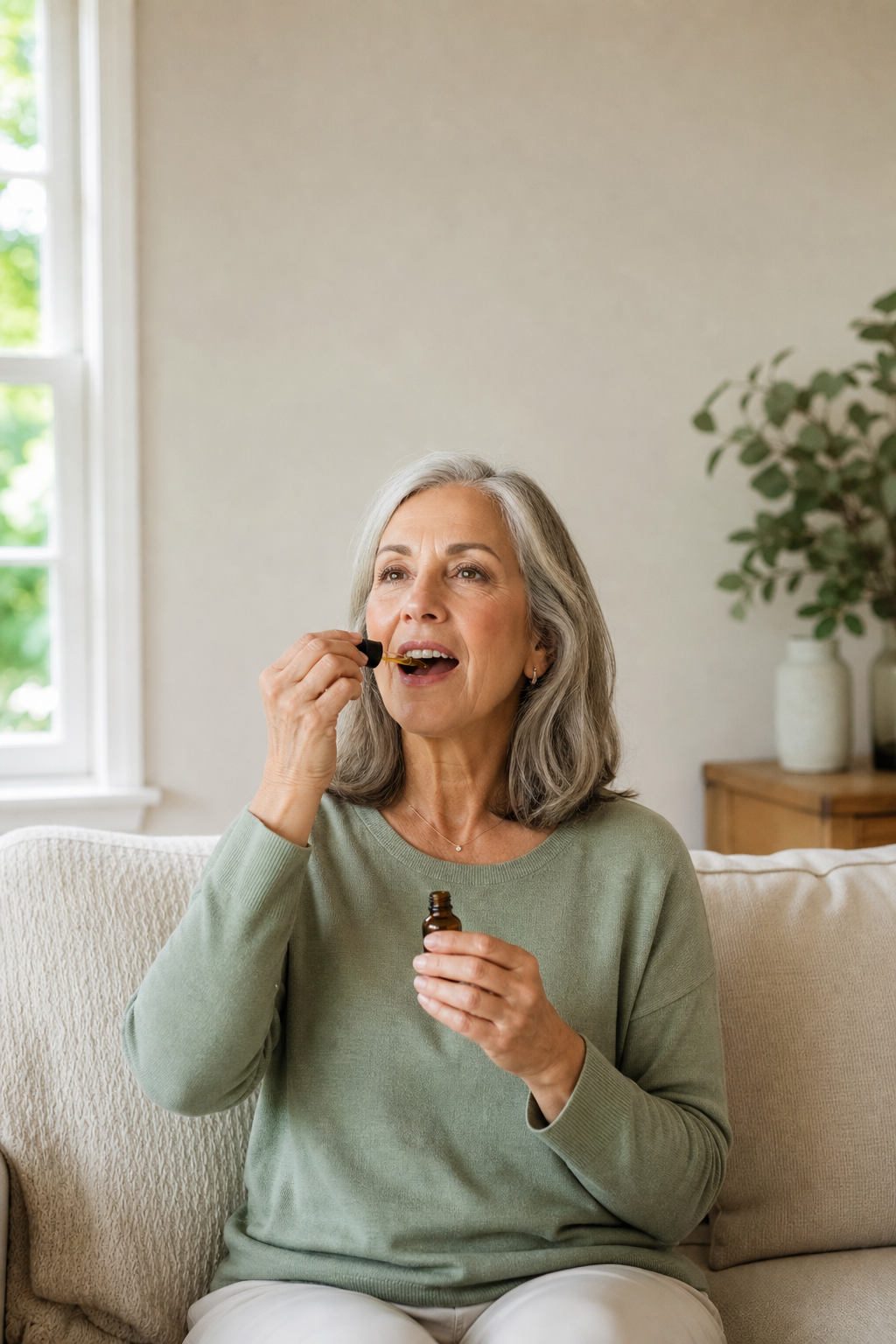
- Sublingual drops (under the tongue): Fast absorption, easy to adjust dose. I recommend holding the oil for 60 seconds before swallowing. Most of the clinical data is on this method.
- Topical balms, creams, and gels: Great for hands, knees, elbows — anywhere you can massage it directly on the skin. Useful for folks who don’t want systemic effects or are concerned about drug interactions. You won’t taste a thing.
- Capsules and edibles: Easier for consistent daily dosing but can take longer to work (up to 1-2 hours). Sometimes combined with curcumin or turmeric for added anti-inflammatory punch.
I know several physical therapists who recommend a mix: sublingual oil for ongoing, background relief, and a topical for flares or targeted pain. Play with timing too — some get best results using CBD after activity, others before bed.
A Balanced Perspective: Who Gets the Most Out of CBD?
Look, I’m not here to sell you fairy tales. CBD won’t rebuild cartilage or reverse severe arthritis, no matter what flashy ad you saw on late-night TV. In my experience, the folks who do best are those with mild to moderate chronic inflammation — think osteoarthritis, old sports injuries, or general stiffness from overuse. For severe, bone-on-bone arthritis, you’ll probably need a multi-pronged plan (strengthening, weight loss, medical management).
Some groups respond better. Anecdotally, women in their 50s and 60s often report more pronounced relief than men. Why? Might be hormonal factors, or simply that women tend to try new approaches sooner. And a quick reality check — about 25% of people feel little or nothing from CBD. That’s not failure, just individual biology.
Oh, and side effects? Pretty rare, but not impossible. Occasionally, I’ll hear about mild digestive upset or drowsiness. If you ramp up too fast, you might get woozy or feel off. That’s why I keep harping on starting slow.
CBD Oil vs. Other Joint Relief Options: How Does It Stack Up?
This is the question I get at least twice a week: "Should I try CBD instead of my usual joint supplement or pain gel?" Here’s my honest answer — for most people, CBD is a complement, not a replacement. I love evidence-based classics like Glucosamine Chondroitin Turmeric MSM & Boswellia (usually 1500mg glucosamine sulfate daily, based on actual clinical trials). It’s a slow burn, but some folks swear by it for maintaining cartilage and reducing long-term inflammation — especially when paired with regular movement. (Always give these supplements at least 2-3 months; there’s no overnight fix.)
For quick hits, I still recommend topicals with proven actives — Voltaren Arthritis Pain Gel is my go-to. It contains diclofenac sodium (a real, FDA-approved NSAID), and I’ve seen it help stubborn knees and fingers when nothing else budges the swelling.
CBD, on the other hand, is more subtle — think of it as a way to dull the overall "volume knob" on pain and inflammation, rather than mute a specific joint in crisis.

Practical Tips: Getting the Most from CBD Oil (and Avoiding the Duds)
- Journal your symptoms: One of the best things you can do is track pain, swelling, and stiffness before and after starting CBD. Some products include a chart or app — use it! You’ll know if it’s worth the money after a month.
- Pair it with movement: Research is crystal clear — regular, gentle activity (walking, tai chi, water aerobics) helps keep joints lubricated and calms inflammation. CBD may make it easier to get moving, but movement is still king.
- Adjust expectations: Aim for a 10-30% improvement, not a miracle. Many people find CBD most useful as a steady background helper, not a "painkiller" in the traditional sense.
- Budget wisely: High-quality CBD isn’t cheap. If a bottle promises 5000mg for $10, it’s probably a dud. Most reputable oils will be $40-80 for a 30-day supply.
And (not gonna lie), if you haven’t seen a difference after a month at a reasonable dose (20-40mg/day), it might not be your match. That’s okay — there are other options.
Final Thoughts and Takeaways: What I Tell My Own Family
I’ve learned to be a cautious optimist about CBD oil for joint pain and inflammation. For the right person, at the right dose, with the right quality product — it can be a real game-changer. But it’s not a cure-all, and it shouldn’t replace the basics: strength work, smart supplements, a little patience, and regular check-ins with your physician.
Want my short list?
- Try a quality, lab-tested CBD oil or balm for moderate, persistent joint pain or stiffness — start low, track your symptoms, and give it at least 3-4 weeks.
- Glucosamine Chondroitin Turmeric MSM & Boswellia for long-term joint support (especially if you want to combine plant-based and traditional ingredients).
- Voltaren Arthritis Pain Gel for targeted, FDA-backed relief during flare-ups.
If you’re nodding along or have questions, shoot me an email — I do my best to answer. And if you’re still on the fence about CBD, there’s no harm in waiting for the science to catch up. Your joints, your call.
James Chen, MS, CSCS
Exercise Science • Strength & Mobility Specialist
Columnist, JointReliefReviews.com