
CBD Oil for Joint Pain and Inflammation: Hope or Hype?
I still remember the first time a client asked me about CBD oil for joint pain. This was back in 2017—before every gas station and corner pharmacy had a dozen brands on the shelf. She’d tried everything: glucosamine, turmeric, physical therapy, even those copper-infused sleeves you see on late-night TV. “James, does this stuff actually work?”

And to be honest, I wasn’t sure at first. I’d spent years in the trenches as a strength coach and exercise scientist, but CBD? It was experimental territory.
Living With Joint Pain: The Unspoken Toll
If you’re reading this, you probably don’t need another lecture about “the importance of joint health.” You know what chronic pain feels like. The ache that settles in your knees after a grocery run, or the way your hands freeze up on a cool morning. For many of my clients over 50, it isn’t just discomfort—it’s the slow erosion of independence, spontaneity, and, frankly, joy.
You’ve likely tried the usual suspects: ice, heat, NSAIDs, stretches. Maybe you even know the recommended dose of ibuprofen by heart. But here’s the thing: The search for relief rarely stops there. So when CBD oil hit the mainstream, it was only a matter of time before half my inbox was filled with questions from readers and patients: “Is it a gimmick or a game-changer?”
What Exactly *Is* CBD Oil?
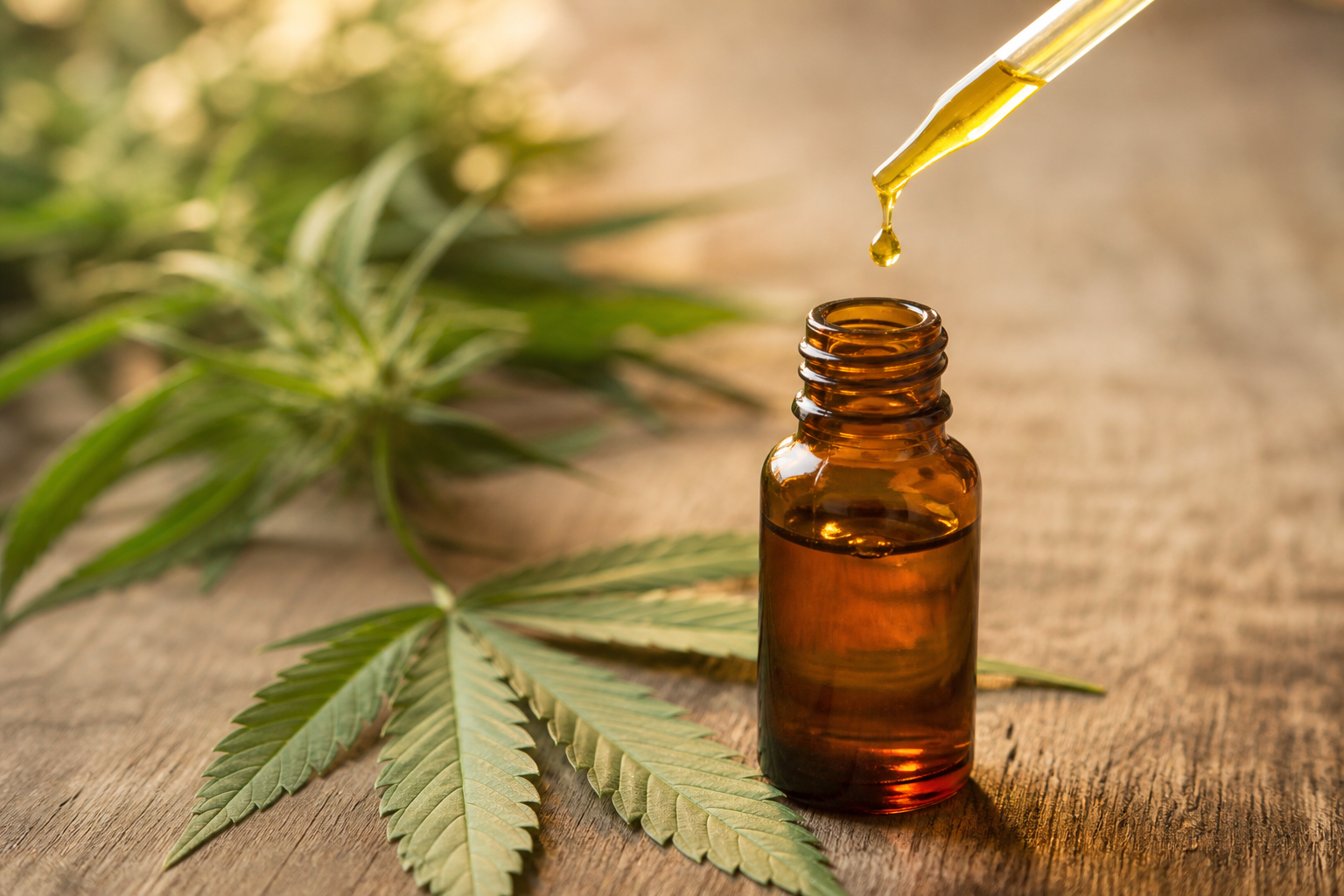
Let’s clear up a common misconception: CBD (cannabidiol) is not marijuana. It doesn’t get you high. The CBD that fills pharmacy shelves is extracted from industrial hemp, stripped of THC (the compound that actually gets you stoned), then suspended in a carrier oil like MCT or hemp seed oil.
Here’s where it gets interesting: The human body has something called the endocannabinoid system (ECS)—a network of receptors involved in pain, inflammation, and mood. CBD oil interacts with this network, which is why so many early studies focus on pain and inflammation relief. But I’ll be honest—just because something is “natural” doesn’t mean it works (or is right for everyone).
What the Science Really Says About CBD Oil for Joint Pain
Here’s what I tell every patient and reader: Ignore the hype, but don’t dismiss new options out of hand. Research, especially since 2018, is finally catching up. A 2020 review in Current Opinion in Rheumatology summed it up: animal studies consistently show that CBD reduces inflammation and pain behavior. In rat models of osteoarthritis, for example, topical CBD reduced joint swelling and spontaneous pain by up to 50% (Philpott et al., 2017).
But what about people—not just rats? The clinical research is still early. One well-cited 2022 study in Arthritis Care & Research followed over 400 adults with osteoarthritis who used CBD oil or topical CBD. About 37% reported “significant” improvement in pain scores, and 31% noted better mobility. Not a miracle cure, but not snake oil either.
I know this is unpopular with some supplement folks, but there’s no magic bullet. CBD isn’t going to undo years of cartilage loss overnight. What it can do—at least according to the latest trials—is take the edge off, and maybe help you move a little easier. That’s the quiet win most people are after.
How Does CBD Oil Actually Work on Joints?
Let’s get nerdy for a second (I can’t help it—old habits die hard). When you use CBD oil—whether you swallow it, drop it under your tongue, or rub it on your knees—it’s believed to:
- Inhibit inflammatory signals: CBD blocks certain cytokines (chemical messengers) that cause swelling and pain in the joints. Lab studies show it calms the overactive immune response behind arthritis.
- Modulate pain perception: CBD interacts with TRPV1 and CB2 receptors, both crucial for regulating pain signals in nerves and joint tissues.
- Reduce sensitivity: There’s emerging evidence (see European Journal of Pain, 2016) that topical CBD can decrease hypersensitivity in arthritic areas—meaning less pain with movement.
If you’re nodding along, you’re not alone. The real kicker is that some people seem to respond more dramatically than others. Genetics, joint condition, even the brand and potency of CBD oil make a difference. (A reader emailed me recently about switching brands three times before finding one that didn’t just “smell nice” but actually eased her hands after gardening. Her words, not mine.)
CBD Oil vs. Traditional Joint Pain Relief: What’s Different?
Here’s where the debate heats up. Prescription NSAIDs and even over-the-counter pain gels like Voltaren Arthritis Pain Gel (diclofenac) are clinically proven for arthritis—but the long-term risks are real: stomach bleeds, kidney stress, and elevated blood pressure, especially for folks over 60.
CBD is generally well-tolerated for most people. No, it doesn’t solve *every* problem (and I’ll get to side effects in a minute), but it doesn’t carry the GI or cardiovascular risks of daily NSAID use. That’s why so many older adults are curious about it.
Relief You Can Feel: Real-World Stories vs. Lab Data
I’m a science guy, but let’s be honest—data only goes so far. Anecdotes shouldn’t drive your health choices, but when you hear dozens of stories echoing the same themes, it’s worth listening. My mother-in-law, who has struggled with persistent knee pain since her late fifties, swears by a sublingual CBD oil—just 15mg twice a day. She tells me it helps her “wake up without that rusty hinge feeling.”
An older client with rheumatoid arthritis tried a CBD topical on her hands and reported less stiffness within a week. Did it replace her medication? No. But did it help her grip her coffee mug—and her grandkids—without wincing? Absolutely.
What to Look for in a CBD Oil Product
The market is a circus. Go to Amazon and you’ll see 10,000 options, many of them with questionable sourcing. Here are the filters I use (and what I tell friends and readers):
- Third-party lab testing: Only buy CBD oil that shares recent third-party certificates of analysis (COAs) verifying potency and purity. No COA? Hard pass.
- Full spectrum vs. isolate: For joint pain, full spectrum (which contains additional cannabinoids and terpenes) often performs better, according to several 2021 reviews in Journal of Cannabis Research.
- Dosing clarity: A bottle should clearly state how many mg of CBD per serving. Most research uses 15–50mg per day for pain—higher isn’t always better.
- THC levels: Legal CBD products must contain less than 0.3% THC (in the U.S.). If you’re drug-tested at work, look for “broad-spectrum” or pure isolate options.
I’ve reviewed dozens of brands, and frankly, only a handful are both reliable and affordable. Look for products with transparent sourcing and lots of genuine user reviews.
How to Use CBD Oil for Joint Pain and Inflammation
This is one of the most common questions I get—how do you actually use it? Sublingual (under-the-tongue) drops are popular because they work quickly (usually within 30–45 minutes) and offer precise dosing. Start low: 10–15mg once or twice daily. Give it a week to see effects before adjusting up. Some people prefer topicals—creams or gels—especially for localized pain (think knees, fingers, or elbows).
Combining both (a few drops morning and night, plus a targeted cream) is safe for most adults, but always check with your doctor—especially if you’re on blood thinners or have liver conditions. That part isn’t negotiable.
Side Effects: Honest Truths
Most CBD users report mild side effects—dry mouth, a bit of sleepiness, or an upset stomach if you overdo it. Clinical trials suggest that for adults over 50, CBD is generally safe in moderate doses—at least up to 100mg/day. But here’s my unpopular opinion: If you have a sensitive liver, are on complex meds, or have autoimmune disease, talk to your doctor first. There’s still a lot we don’t know.
Can CBD Oil Replace Other Treatments?
I wouldn’t suggest tossing out your Voltaren just yet. For most folks, CBD is best thought of as an adjunct—something that can lower pain enough to help you stay active, sleep better, or move through your stretches with less resistance. In my practice, I’ve seen the best results when CBD is combined with:
- Gentle, joint-friendly exercises (water aerobics, resistance bands, tai chi)
- Physical therapy (sometimes home programs like Treat Your Own Knees can be game-changers)
- Anti-inflammatory diet (extra veggies, less processed junk)
- Standard pain relievers as needed, under your doctor’s guidance
The people who see the biggest change aren’t just relying on a single dropper. They’re tweaking multiple levers—and CBD can be one of them.
Comparing CBD: Oil, Gummies, Creams—What’s Best?
I get this a lot. Here’s my two cents: For joint pain, topicals (creams, balms) and sublingual oils have the best science behind them. Gummies and edibles are OK for general relaxation, but they have to go through your digestive tract, so they act slower and the effective dose can be less predictable.
Topicals shine if you have pain in just one or two spots. Oils work better for more widespread or systemic discomfort. Most of my older clients start with a topical—if they like it, they’ll sometimes add oil for a more global effect.
CBD Oil vs. Other Natural Joint Supplements
How does CBD stack up against old standbys like turmeric, glucosamine, or MSM? Here’s what the literature says:
- Glucosamine/Chondroitin: Some evidence for slowing cartilage loss in osteoarthritis, but takes months. Typical dose: 1500mg glucosamine sulfate daily. About 50% of people get noticeable benefit (BMJ, 2018 review).
- Turmeric/Curcumin: Mild anti-inflammatory effect—can help with low-level pain but not usually dramatic. Dosages of 500–1000mg/day are common in studies.
- CBD Oil: Faster-acting (often within days), but more variable response. Works by a different mechanism (ECS vs. general anti-inflammation).
Honestly? If you’re willing, you can combine these. Some comprehensive joint supplements (like the popular Glucosamine Chondroitin Turmeric MSM & Boswellia) pack several together, but CBD stands alone for folks who want targeted inflammation and pain relief without the stomach upset that sometimes comes with turmeric or NSAIDs.

What Articles—and Brands—Won’t Tell You
Okay, real talk: Most brands gloss over the fact that not everyone gets dramatic results with CBD oil. About one in three people will notice strong relief; another third get mild benefits, and the rest? They might feel nothing at all. That doesn’t mean it’s a scam—it’s just how biology (and chronic inflammation) works.
The other thing? Price varies wildly. Some brands charge $120 for a bottle that lasts a month. That’s why transparency is so key—look for real third-party testing, and ignore celebrity endorsements. And please, don’t buy “CBD gummies” from a gas station. (Trust me, I’ve seen the lab results. Some are pure sugar with no CBD at all.)
Dosage: What Actually Works?
Most research on joints uses 15–50mg CBD per day. Start with 10–20mg, note any changes, and titrate up slowly. More isn’t always better. If you haven’t noticed a difference after two weeks, it may not be for you—or you may need to try another delivery method.
And always check with your primary care provider before trying CBD—especially if you’re over 65, have multiple chronic illnesses, or take blood thinners (like warfarin).
Bottom Line: Is CBD Oil Worth Trying for Joint Pain?
Here’s my honest take: CBD oil is not a miracle, but for a meaningful chunk of adults over 50, it’s a safe, potentially effective way to dial down joint pain and inflammation. It probably won’t replace your Voltaren or your exercise routine, but it might help you walk farther, sleep better, or just get through a Sunday with your grandkids without wincing.
If you try it, go slow, choose brands with real transparency, and keep your expectations grounded. Combine it with proven lifestyle changes—resistance exercises, physical therapy, sensible nutrition—and you might find that the sum is greater than the parts.
I’d love to hear your story if you give it a shot. Joint pain is lonely, but you’re not in this alone.
James Chen, MS, CSCS
Certified Strength & Conditioning Specialist, Exercise Science Writer
Contributing Editor, JointReliefReviews.com