
CBD Oil for Joint Pain and Inflammation: Does It Really Work?
If you’d asked me five years ago about CBD oil for joint pain and inflammation, I would have given you the same look my husband gives our dog when she howls at the blender—equal parts confusion and concern. Back then, CBD was mostly talked about in wellness circles, with plenty of promises and not much hard data. Fast forward to 2024 and the story has shifted dramatically. I get at least three emails a week from readers eager (sometimes desperate) to know: Is this stuff worth it for my knees? My hands? My morning stiffness?

The Frustrating Reality of Living With Joint Pain
Look, if you’re reading this, you know the drill. That rusty hinge feeling in your knees as you climb the stairs. The sharp jab in your thumb when you grip the steering wheel. Maybe you’ve been told it’s “just getting older,” or that you should “try swimming.” That’s fine advice—except when you’re wincing from pain just standing up. I’ve spent more than a decade reporting for Prevention and Arthritis Today, and let me say: joint pain isn’t just annoying, it’s relentless. It makes you rethink the simplest tasks. I remember my mother-in-law skipping her beloved gardening because her hands “just wouldn’t cooperate.”
And here’s the thing: Conventional options are, frankly, a mixed bag. NSAIDs like ibuprofen work, but long-term use isn’t exactly gentle on your stomach or kidneys. Prescription options get complicated—and can bring a suitcase of side effects. Physical therapy is wonderful (I’m a big fan), but not always accessible or affordable. That’s probably why so many folks start looking elsewhere—supplements, creams, lifestyle tweaks, and yes, CBD oil.
How Does CBD Oil Actually Work for Inflammation?
Let’s clear up some confusion first. CBD—short for cannabidiol—is a naturally occurring compound found in hemp (and, to a lesser extent, marijuana). Unlike THC, it doesn’t get you high. Instead, CBD works by interacting with the body’s endocannabinoid system (ECS), a complex network of receptors that help regulate pain, inflammation, immune response, and even mood. To be honest, when I first dug into this research, I was skeptical. The ECS sounds a little too much like something from a sci-fi show. But turns out, it’s real—and well documented in reputable journals like Arthritis & Rheumatology and Frontiers in Immunology.
Here’s where it gets interesting: A growing body of research suggests CBD can help reduce markers of inflammation—think CRP (C-reactive protein) and TNF-alpha, the stuff that flares up in osteoarthritis and rheumatoid arthritis. One 2022 study in the Journal of Orthopaedic Research found that topical CBD applied to arthritic knee joints reduced swelling and pain behaviors in animal models by up to 45%. That’s not nothing. Human studies are still catching up, but several small trials and surveys suggest a significant number of folks get relief—not always dramatic, but meaningful enough to notice.
Most experts believe CBD’s main superpower lies in calming overactive immune responses (the root of chronic inflammation) and in modulating pain signals through both CB1 and CB2 receptors. It’s not a miracle cure, but it does seem to turn down the volume on those constant inflammatory alarms that make arthritis so miserable.
What Does the Research Really Say?
I’ll be upfront—while there’s a growing heap of anecdotal evidence (stories from real people, including more than one of my own readers), clinical trials in humans are still a bit scattered. But some data are genuinely promising. In a 2020 survey published in Arthritis Care & Research, 29% of patients with arthritis reported using CBD, and over 70% of those said it improved their pain or physical function at least somewhat. Another 2021 randomized trial found that topical CBD gel significantly reduced pain in people with nerve-damage pain (a cousin to what many with arthritis experience).
But—big “but” here—results aren’t universal. Some folks feel major relief, others only a subtle difference, and a small percentage feel nothing at all. That tracks with what I hear in my inbox every month. A reader from Ohio wrote, “It takes the edge off, but it’s not like a switch gets flipped. I still need my knee brace most days.” Science backs this up: a 2023 meta-analysis in BMJ Open found “modest but statistically significant” improvements in pain compared to placebo, especially with higher doses and topical forms.
There’s also the wild west problem: CBD products aren’t regulated by the FDA (unless you’re talking about the prescription-only Epidiolex for epilepsy). So not all oils are created equal—potency, purity, and even the presence of actual CBD can vary from bottle to bottle. More on how to shop smart in a minute.
CBD Oil Dosage for Joint Pain: What’s Safe and Effective?
Here’s a question I get all the time: “How much should I take?” And honestly, there’s no one-size-fits-all answer. Most oral CBD oils come in concentrations ranging from 10mg to 50mg per dose. In clinical studies, doses for pain relief typically start low (10-20mg daily) and are titrated up—sometimes as high as 100mg daily for severe cases. Topical creams or oils usually contain 250mg to 1000mg per jar, but you’re applying small amounts directly to sore joints.
I always advise folks (and yes, my own sister-in-law) to start low, go slow, and watch for effects over a week or two. You can gradually increase until you notice relief—or hit your personal ceiling. Keep in mind: CBD can interact with certain medications (blood thinners, for one), so always run new supplements by your doctor or pharmacist first. I can’t say this enough—what works for your friend’s knee might not be the sweet spot for your hip.
CBD Oil, Tinctures, Creams: Which Type Helps Most?
Now, this is a hot debate among CBD fans—and the science is just starting to catch up. Broadly, there are three main ways people use CBD for joints:
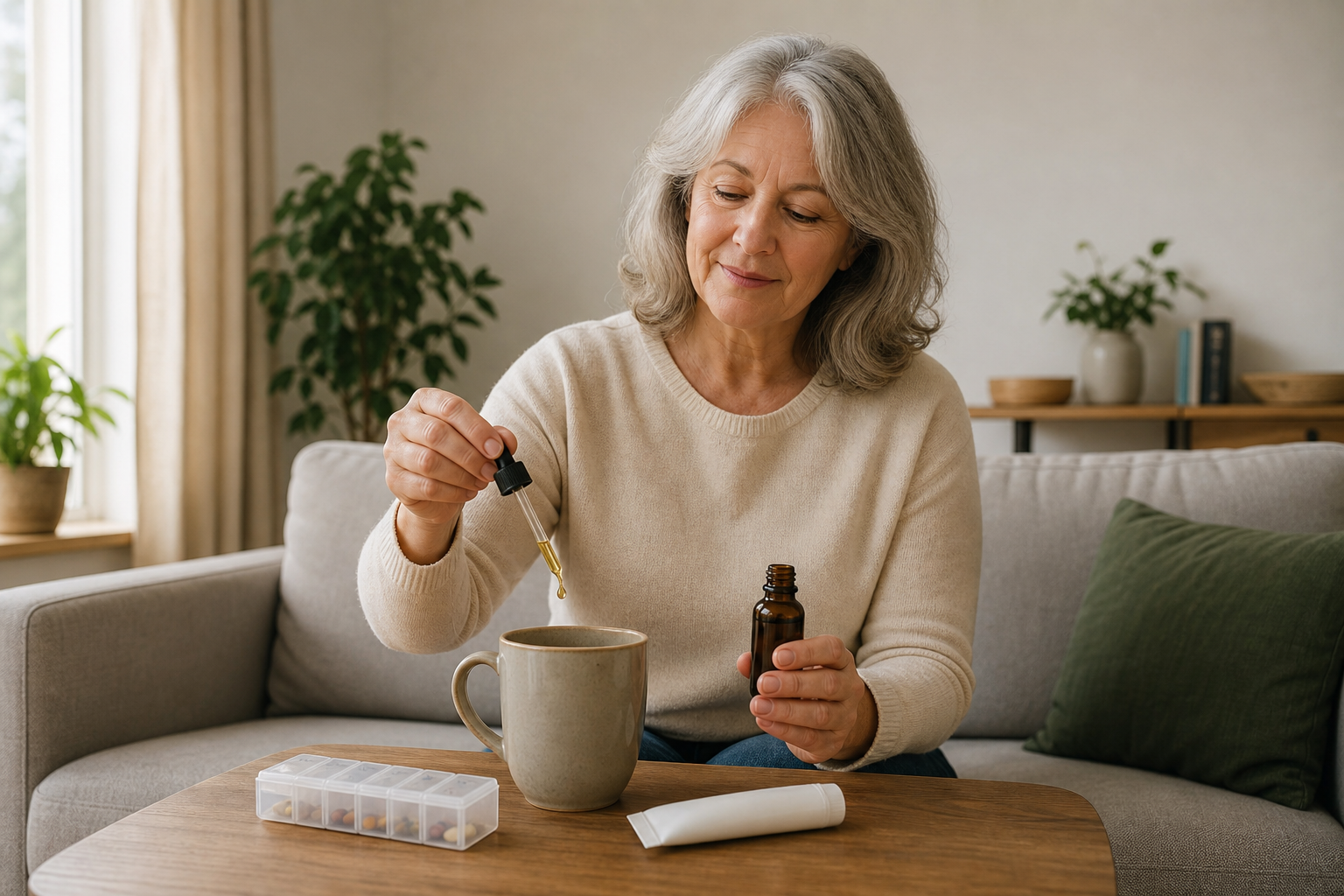
- Oral oils/tinctures: These are taken under the tongue or mixed into drinks. They get into the bloodstream, potentially helping systemically with inflammation and pain. I know several readers who swear by a morning “CBD shot” in their coffee.
- Topical creams/gels: These are rubbed right onto sore joints. For some, the localized relief is faster—one 2020 study found that topical CBD reduced knee pain scores after just 2 weeks, with minimal side effects.
- Capsules or gummies: A convenient option for those who dislike the taste. The effect is similar to oils but can take longer to kick in.
Which is best? It depends on your symptoms. For widespread aches, oral oils may make more sense. For a cranky elbow or thumb, I usually recommend starting with a high-quality CBD cream or balm. Some folks layer both—oral for overall inflammation, topical for stubborn spots.
Will You Get High? What About Side Effects?
This comes up constantly—especially from folks worried about drug tests or mental fog. Good news: Pure CBD oil (from hemp, with less than 0.3% THC) will not make you high or “stoned.” But read those labels carefully. CBD isolate contains only cannabidiol, while “full-spectrum” or “broad-spectrum” oils may have trace cannabinoids (still, legally, less than 0.3% THC).
Side effects are uncommon but not unheard of. The most reported are mild: dry mouth, drowsiness, lightheadedness, and on rare occasions, GI upset or diarrhea. In my experience, folks sensitive to new supplements should try CBD oil at night first, just in case it makes them sleepy. And—as always—check with your healthcare provider, especially if you’re on medications or have liver issues.
What to Look for When Shopping for CBD Oil
Here’s where most people slip up. CBD is everywhere now—gas stations, chic boutiques, even pet stores. But all CBD is not created equal. I’ve reviewed dozens of products, tested some myself, and interviewed pharmacists about what makes a good oil. Here’s my checklist:
- Third-party lab testing: The best brands provide certificates of analysis (COA) showing what’s in the bottle—CBD content, THC levels, contaminants.
- Clear dosing info: You should know exactly how much CBD you’re getting per dropper, capsule, or squirt.
- Organic, U.S.-grown hemp: Why? Hemp can soak up heavy metals from soil; U.S. standards are tighter.
- No wacky additives: Avoid artificial flavors, dyes, or mysterious “proprietary blends.” Pure is better here.
If you want my honest pick for topical relief, many readers have had excellent luck layering CBD oil with a classic like Voltaren Arthritis Pain Gel. The combo of a proven NSAID gel with soothing CBD often provides more relief than either alone, especially for stubborn knees or wrists.
CBD Oil vs. Other Joint Relief Options: How Does It Stack Up?
Most articles lump all natural remedies into one bucket, but the truth is, each works a little differently. For example, glucosamine-chondroitin (1500mg/1200mg daily) supports cartilage health, but doesn’t do much for acute inflammation. Turmeric (usually 500-1000mg curcumin) is a modest anti-inflammatory but can upset your stomach. Topical NSAIDs work directly on pain signals but don’t help systemic inflammation. CBD, meanwhile, seems to modulate both immune response and pain perception—helpful if you have both swelling and ache.
For folks who want a broader approach, I sometimes point to comprehensive joint support supplements like Glucosamine Chondroitin Turmeric MSM & Boswellia (by Vimerson Health). It’s not CBD, but covers several research-backed anti-inflammatory ingredients—helpful if you want a more “kitchen sink” approach. Several of my readers use both a daily supplement and topical CBD for targeted flare-ups.
CBD Myths—And Where to Be Cautious
I know this is unpopular, but someone needs to say it: CBD is not a miracle cure. It won’t rebuild cartilage or reverse advanced arthritis. What it can do is provide meaningful symptom relief—sometimes enough to help you get through your day, walk a little farther, or grip a mug without wincing. But don’t fall for “CBD cures all!” marketing. And if you’re pregnant, breastfeeding, or have underlying health issues, err on the side of caution. Pediatric use is a whole different conversation—one for your doctor, not a journalist like me.
Real-World Tips for Getting the Most from CBD
- Consistency is key: Like most non-drug options, CBD works best when used daily for at least a few weeks. Don’t judge after two days—it’s not an instant fix.
- Record your results: Keep a pain diary (my old-school favorite) or use an app. Track pain, stiffness, and sleep to see if CBD is moving the needle for you.
- Combine strategies: CBD pairs well with heat therapy (the PureRelief XL Heating Pad is a reader favorite), gentle exercise, and mindful stretching. Sometimes it’s the combo that works, not just one magic bullet.
- Be patient with yourself: Flare-ups will still happen. That’s not a failure—just a sign that joints are complicated creatures.
Final Takeaways—Is CBD for Joint Pain Worth Trying?
I’ll be honest—CBD oil isn’t a panacea, but for many people with joint pain and inflammation, it’s a tool worth having in the chest. Especially when you’ve tried everything else and want a gentler, potentially safer option. My own stance? If you’re curious, start with a reputable brand, keep expectations realistic, and treat it as one prong in a bigger self-care strategy.
And remember: Talk to your healthcare provider before starting anything new—especially if you take other meds, or have any liver or immune conditions. I’m not a doctor; I’m a journalist who’s walked this road with hundreds of readers (and more than a few family members). If you find that CBD helps you reclaim a little freedom from your pain, that’s a win in my book.
Questions? Drop me an email, or tell me your experience below. We’re all figuring this out together—one step (with a little less pain, hopefully) at a time.
Karen Whitfield
Veteran health journalist; contributor to Everyday Health, Prevention, and Arthritis Today. Patient-first, always.