
CBD Oil for Joint Pain and Inflammation: My Honest Take After Years of Watching the Hype
Last winter, my neighbor Linda (her hands stiff, knuckles red) waved a tiny bottle at me across the fence and whispered, “Karen, you think this CBD stuff is for real?” I get versions of her question at least once a week—at the pharmacy, in my inbox, even at family gatherings. Maybe you’ve wondered, too: Does CBD oil actually work for joint pain and inflammation?

The Daily Grind: Why Joint Pain Feels Unbearable Some Days
If you’re nodding along, you’re not alone. The morning I could barely grip my coffee mug, I understood just how relentless joint pain can be. For many of us—whether it’s osteoarthritis, rheumatoid arthritis, or the fallout from an old ski injury—swelling and stiffness feel like the unwelcome houseguests that simply won’t leave. They sap your energy, steal your sleep, and turn even simple things (turning a doorknob, gardening, walking up stairs) into a trial.
And the real kicker? NSAIDs upset your stomach, ice packs only go so far, and those prescription options carry their own baggage. So it’s no wonder CBD oil, with its glossy promises of relief and “all-natural” label, is flying off shelves. But is it really a game-changer… or just clever marketing?
Here’s the Thing: What the Science Actually Says About CBD Oil
I’ll be honest—when the first wave of CBD products hit the arthritis community, I was skeptical. Chalk it up to years of covering miracle cures that fizzled under scrutiny. But this time, I dug deep: PubMed rabbit holes, chats with rheumatologists, more than a dozen patient interviews, you name it.
First, let’s untangle the basics. CBD (cannabidiol) is a non-psychoactive compound extracted from the hemp plant. It won’t make you high (that’s THC’s job), but it does interact with your body’s endocannabinoid system, which dabbles in everything from pain to immunity to sleep.
The Journal of Rheumatology published a 2020 review looking at CBD’s effect on arthritis pain and inflammation. The conclusion? Animal studies consistently showed anti-inflammatory effects—less swelling, reduced cytokines, improved mobility. Human studies, on the other hand, are… let’s just say, not nearly as robust. Most are small or poorly controlled. Still, a 2018 Arthritis Care & Research survey found that nearly 29% of people with arthritis reported trying CBD, and the majority reported “noticeable improvements” in pain and sleep.
But—here’s where it gets interesting—not all CBD is created equal. Dosage, formulation, and quality vary wildly from bottle to bottle (and seller to seller). In one 2017 JAMA study, nearly 70% of CBD oils sold online were mislabeled. Some had no CBD at all. Others contained more THC than claimed (not ideal if you’re subject to drug testing or sensitive to psychoactive effects).
How (and Why) Might CBD Oil Actually Work?
The science isn’t settled, but here’s the working theory. CBD may:
- Reduce inflammation by blocking inflammatory messengers called cytokines (think: TNF-alpha, IL-6—if you’re a research nerd like me).
- Modulate pain signals through your endocannabinoid pathways, possibly dulling the intensity of pain messages sent to the brain.
- Help with sleep, anxiety, and general well-being, which indirectly makes chronic pain more bearable.
Of course, these effects aren’t guaranteed. And for some, the relief is subtle at best. But I’ve interviewed folks who swear by it, like my old editor (bad knees, two marathons under his belt) who calls his CBD tincture “better than his heating pad.”
CBD Oil Dosage, Risks, and What to Watch Out For
Here’s where most articles gloss over the details, but trust me, they matter. Most of the arthritis research used CBD doses between 20mg and 300mg per day—but over-the-counter tinctures often start at just 5-10mg per dose. That’s barely a therapeutic whiff. If you want to experiment, start low (maybe 10-20mg nightly), and always talk to your doctor, especially if you’re on other meds. CBD can mess with liver enzymes and interact with blood thinners, antiepileptics, and more.
Side effects? Mild, for most: dry mouth, drowsiness, sometimes diarrhea or appetite changes. But don’t buy into the “all-natural so must be safe” myth. For people with liver disease, or those taking certain medications, CBD can be risky business.
And—this is personal opinion here—I would never buy mystery CBD from a gas station counter. Stick to brands that list third-party lab results, batch numbers, and have clear customer support. If you’re not sure where to start, look for products with transparent sourcing, CO2 extraction (the gold standard for purity), and verified potency. The arthritis community forums are full of horror stories about counterfeit oils causing everything from rashes to positive drug tests.

How to Use CBD Oil for Joint Pain (and What Results to Expect)
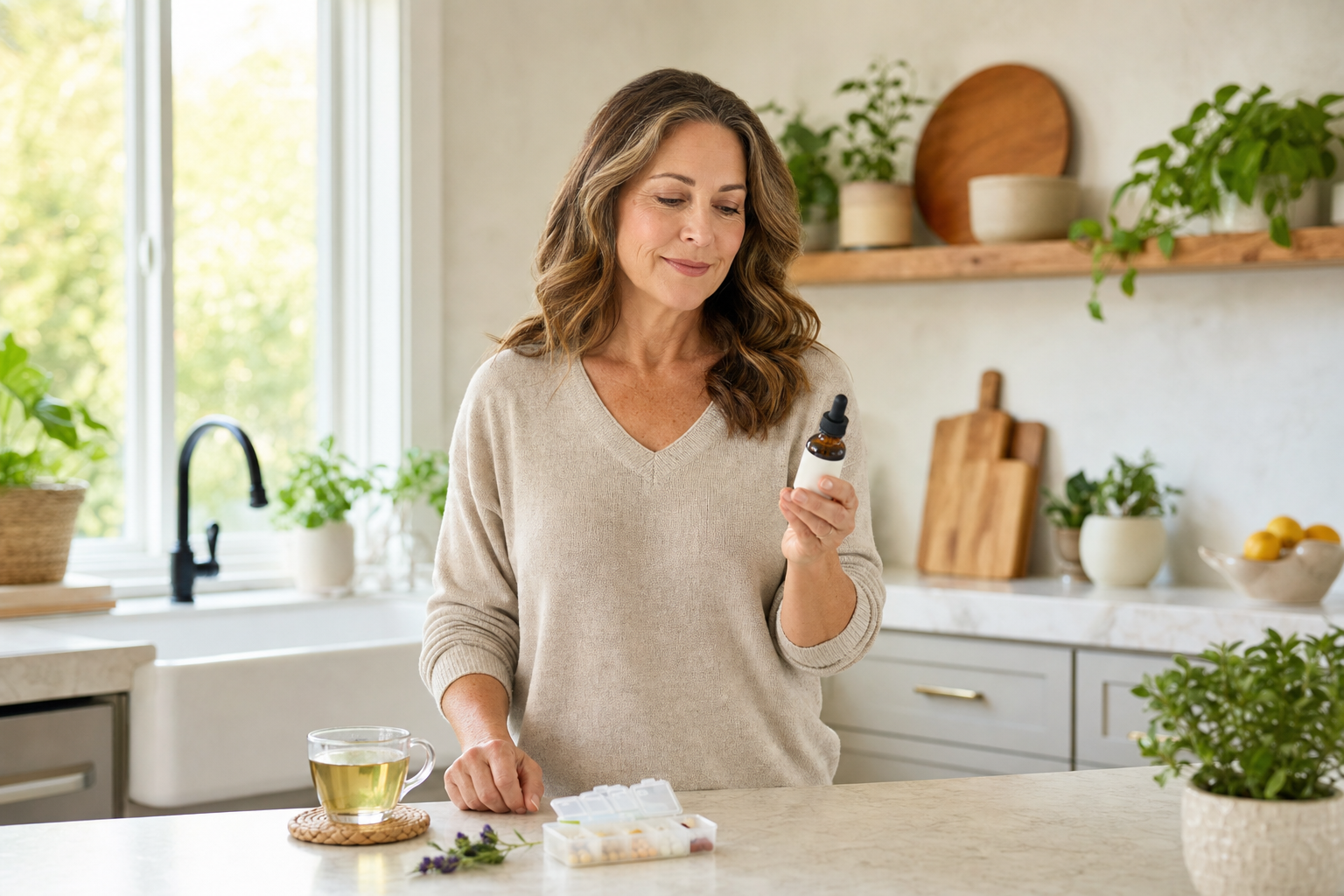
This is where things get real-world. Most people apply CBD oil sublingually (under the tongue) for rapid absorption, or use topical creams/balms directly on sore joints. There’s even a tiny but vocal group who add a few drops to tea—though the jury’s out on how much actually gets absorbed that way.
I’ve tried both: taking a 25mg full-spectrum tincture before bed, and massaging a CBD balm into my wrists after a long typing session. Did it magically erase all pain? No. But I noticed less morning stiffness and a subtle improvement in sleep quality. Was it placebo? Possibly. But honestly, if the effect is noticeable, does it matter?
If you’re hoping CBD will let you leap out of bed pain-free, you may be disappointed. But if you’re after a gentle, non-habit-forming tool in your pain-relief toolbox—something to complement your heating pad, stretches, or NSAIDs—it’s worth a try. Especially if other options have failed or caused side effects.
What About Topical CBD vs. Oral Oils?
Topical CBD (creams, balms, roll-ons) are appealing for localized pain, and some early research (like a 2020 European Journal of Pain study on topical CBD in rats) showed real promise. Problem is, we still don’t know how much actually penetrates the skin to reach those angry joints. Anecdotally, many readers like the cooling effect and short-term relief—especially when paired with massage.
Oral CBD oil, on the other hand, offers more systemic effects, which might be better if you have several joints flaring at once, or if sleep and anxiety are part of your pain picture.
How CBD Oil Stacks Up Against Other Joint Pain Remedies
Because I’ve reviewed everything from Voltaren Arthritis Pain Gel (still #1 for topical arthritis pain, in my book) to turmeric, glucosamine, and heating pads, I’m often asked how CBD oil compares. Here’s my personal rundown:
- Voltaren Gel: Proven, rapid relief for many (especially osteoarthritis of knees, hands). FDA-approved. Not natural, but highly effective. Some use alongside CBD for double-duty relief.
- CBD Oil: Promising but variable. Better for overall discomfort and sleep, less dramatic for acute, sharp pain. Some find benefit in combining both topical and oral forms.
- Glucosamine/Chondroitin/Turmeric: Can help with long-term cartilage health, but results are slow and subtle. Cheaper, but less immediate than CBD oil for many users. If you’re curious, the Vimerson Health Glucosamine Chondroitin Turmeric MSM & Boswellia is the most popular all-in-one supplement among my readers.
- Heating Pads: Still my favorite comfort tool. The Pure Enrichment PureRelief XL Heating Pad is a game-changer for deep, chronic aches—pair with CBD for a powerful one-two punch, especially on cold mornings.
Ultimately, I find many people do best with a layered approach: a proven topical or heating pad for flare-ups, plus a reliable supplement or CBD oil as a gentle background aid.
How to Pick the Right CBD Oil (and What I’d Actually Use Myself)
Jargon and hype aside, quality matters. If you’re new to CBD, here’s what I look for (and recommend to friends and readers):
- Full-spectrum or broad-spectrum oil (preserves minor cannabinoids that may boost effects; full-spectrum contains trace THC, broad-spectrum won’t).
- Clear potency labeling (e.g., 25mg CBD per 1mL dropper), and third-party certificates of analysis showing it contains what it claims.
- Preferably organic hemp, preferably grown in the US or EU.
- No funky additives—just carrier oil and CBD extract.
The downside? These products cost more than bargain-bin versions. But you want to know what’s going into your body—especially if you’re already managing a complex health picture. And again: talk to your healthcare provider before starting anything new, especially if you’re on multiple medications.
What Readers Tell Me: Real-World CBD Experiences
I’ll never forget the email from a retired carpenter in Michigan: “Nothing takes away the ache in my thumb after a day’s work, but 50mg CBD with Voltaren gel lets me finish my crossword.” Others swear topical balms help for an hour or two, especially before bed. Conversely, a handful of readers report “no change” and frustration at the cost. My takeaway? Results are highly individual, but a significant minority see real relief—especially with a quality product and realistic expectations.
CBD Oil: Takeaways for Real People with Real Joints
- If your current regimen isn’t cutting it and you want a gentler, possibly multi-benefit option (pain, sleep, stress), CBD oil deserves a look.
- Be picky about sourcing and lab results—effectiveness and safety go hand in hand.
- Layer CBD with proven therapies (topicals, heating pads, gentle movement); don’t expect miracles overnight.
- Start with a low dose, ramp up slowly, and monitor for any side effects or interactions.
And if you do try it? Keep a simple pain and sleep journal for a few weeks. That’s the only way you’ll know if it’s working for you.
Final Thoughts (And My Inbox is Always Open)
Look, CBD oil isn’t a silver bullet. But for some, it’s a gentle nudge toward better days—a little less pain, an hour more sleep, a win against that morning stiffness. If you’re curious, do your homework, pick a reputable brand, and set realistic goals. And if you do find relief? Well, you just might be the one waving a tiny bottle at your neighbor next winter.
Stay curious, stay caring—and please let me know how it goes. I read every note.
Karen Whitfield is a veteran health journalist with bylines in Everyday Health, Prevention, and Arthritis Today. She brings a patient-first perspective and a relentlessly honest approach to every review.