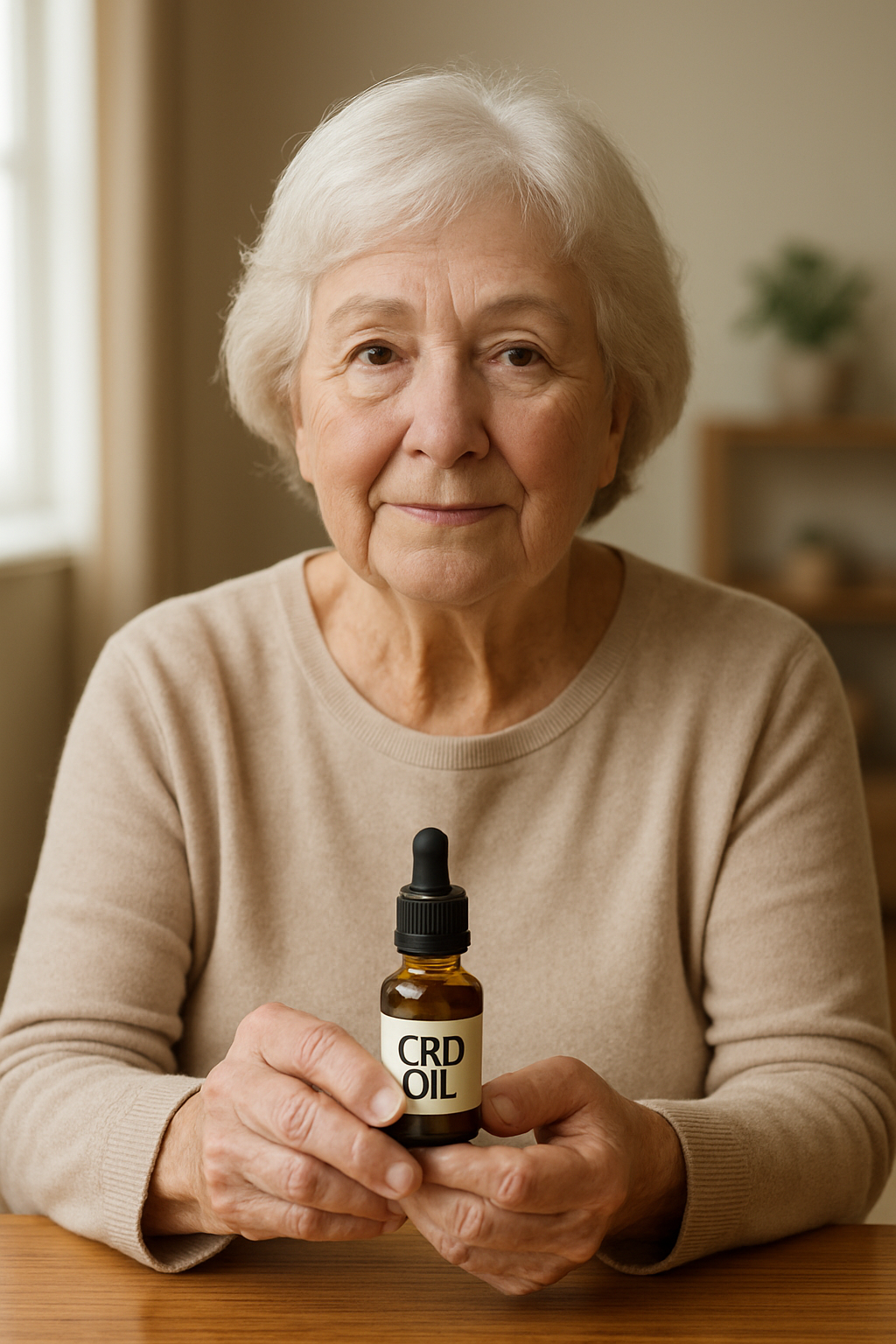
CBD Oil for Joint Pain and Inflammation: Does It Really Work? A Chiropractor’s Honest Take
If you’d told me ten years ago that I’d be writing about cannabis-derived oil as a tool for joint pain, I probably would’ve laughed. But here we are. Just last month, one of my longest-standing patients—Deb, mid-60s, chronic knee pain—asked me straight out: “Mike, is this CBD stuff actually worth my money?”

And look, Deb’s not alone. Every week, I see people desperate for something—anything—that will let them garden or play with grandkids without wincing. I’ve reviewed dozens of joint health supplements and topical creams over the past decade, but few have sparked quite as much curiosity (or confusion) as CBD oil. So, is it all hype, or could it actually make a dent in those deep-aching knees or swollen knuckles?
The Real-World Struggle of Joint Pain (And Why People Turn to CBD)
Joint pain isn’t just an “old folks” problem. I treat marathoners with cranky ankles, teachers with aching wrists, and plenty of 40-somethings who wake up stiff and sore for no clear reason. According to the Arthritis Foundation, over 58 million American adults live with diagnosed arthritis—never mind those with undiagnosed aches and chronic inflammation from injury or overuse.
And you know what? For a lot of people, prescription meds just don’t sit well. NSAIDs can be harsh on the stomach, opiates are out of bounds for most, and steroid shots feel like a last resort. Enter: the “natural” aisle—where CBD oil is now front and center.
Here’s the Thing: The Science Isn’t Black-and-White
I’ll be honest—CBD isn’t a miracle cure. Any article that claims otherwise is selling you snake oil. But there is genuine research (and a fair bit of controversy) about cannabidiol’s ability to soothe joint pain and dial down inflammation.
First, the basics. CBD, or cannabidiol, is a non-intoxicating compound found in hemp and marijuana. Unlike THC, you won’t get high. What you might get, if the clinical evidence holds up, is a reduction in the body’s inflammatory response and, potentially, some relief from pain.
The real kicker? Your own body has something called an endocannabinoid system (or ECS for short). It’s sort of like your internal “balance center,” regulating things like pain, mood, and sleep. CBD interacts with ECS receptors, especially CB2, which are involved in immune response and—you guessed it—inflammation. That’s why scientists have been eyeballing CBD as a possible anti-inflammatory, especially in the context of arthritis and chronic joint pain.
What Do Studies Actually Say About CBD Oil for Joint Pain?
Let’s get specific. In 2017, researchers writing in Pain journal looked at topical CBD for osteoarthritis in animal models. The result? Rats slathered with CBD cream had significantly less joint swelling and pain after just a few days. (Yes, rats aren’t people, but it’s a start.)
Fast-forward: A small 2020 open-label study in Current Pharmaceutical Biotechnology tracked patients with peripheral neuropathy. They used CBD oil topically twice a day. Over four weeks, participants reported “significant improvement” in pain and discomfort. Now, this isn’t exactly gold-standard arthritis research, and the sample size was tiny—but it’s more than just anecdotes.
And here’s where it gets interesting. The European Journal of Pain in 2016 published a well-designed animal study showing that topical CBD reduced not just pain, but also joint inflammation. Human trials? Still lagging behind, unfortunately. The 2021 BMJ Open review summed up the evidence: “Modest early signals for pain reduction in arthritis, but more robust trials are needed.” Translation: promising, but not proven.
Still, if you’re nodding along, you’re not alone. A reader emailed me last week, saying CBD was the first thing that let her sleep through the night after years of hand pain. Placebo effect? Maybe. But as a clinician, I care about what works in real life, not just what shows up in textbooks.
How Does CBD Actually Help Joint Pain?
Here’s what we think is happening: CBD seems to “turn down the volume” on pro-inflammatory molecules like cytokines. It also may interact with serotonin receptors—those same mood-regulating pathways targeted by antidepressants—which can indirectly affect pain perception.
Importantly, CBD doesn’t “numb” pain the way an opiate does. Instead, it’s about supporting your body’s own regulatory processes. Some people notice gradual improvement in stiffness or swelling; others have more pronounced pain relief. Dosage and delivery matter—a lot. (More on this in a minute.)
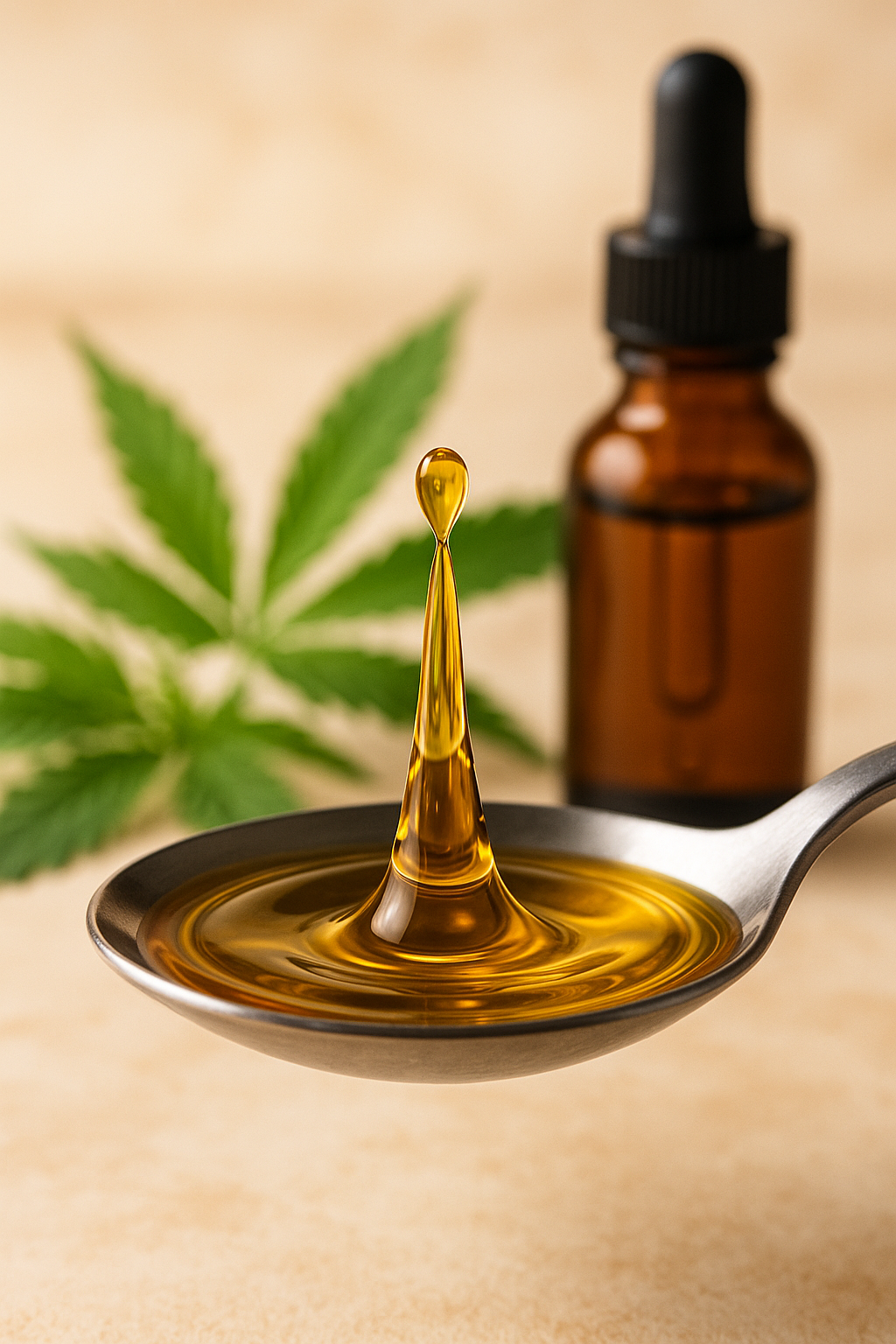
CBD Oil vs. Other Joint Pain Solutions: What’s the Difference?
Look, I’m not one to throw out tried-and-true therapies. Compression sleeves, like the Modvel Compression Knee Brace, are a staple in my practice. (If you haven’t tried these, the anti-slip design is a game-changer for daily mobility, especially during exercise or long walks.) And topical gels like Voltaren Arthritis Pain Gel—which contains diclofenac—are FDA-approved and clinically proven in multiple studies, including the 2020 Arthritis & Rheumatology meta-analysis showing meaningful pain relief for hand and knee osteoarthritis.
But here’s the real difference: CBD oil may offer a broader anti-inflammatory effect, rather than just masking pain. For people who want an alternative to NSAIDs, or who aren’t getting relief from compression or heat, CBD oil—taken orally or applied topically—can be a worthy experiment. Just be sure to talk to your doctor before starting any new supplement, especially if you’re already on medications (CBD can interfere with certain drugs, including blood thinners).
Picking the Right CBD Oil for Joint Pain: My Checklist
- Check the source: Look for CBD derived from organic, U.S.-grown hemp. Avoid anything that doesn’t list its source.
- Third-party testing: Any reputable brand will show you a certificate of analysis. If they can’t—or won’t—move on.
- Delivery method matters: For joint pain, I see the most consistent results with sublingual drops (absorbed under the tongue) and topical creams or balms applied directly to sore spots.
- Dosing is personal: Start low (5-10mg once or twice daily) and increase slowly. Some patients end up needing 25-50mg per day for noticeable effects, but more isn’t always better.
- Full-spectrum vs. isolate: Many users swear by full-spectrum CBD—meaning it contains other minor cannabinoids and terpenes—which may have a “synergy” effect, sometimes called the entourage effect.
One more note: CBD is not regulated like a pharmaceutical. Quality varies wildly. In my reviews, I’ve seen everything from top-notch 3rd-party lab tests to, frankly, snake oil. Do your homework, or ask your healthcare provider for trusted brands. And always be wary of unrealistic claims—if someone promises “instant” arthritis cure, walk away.
What About Side Effects? The Honest Lowdown
Here’s the part most supplement companies gloss over: CBD is usually well tolerated, but it’s not risk-free. In clinical studies (see Journal of Clinical Medicine, 2019), the most common complaints are drowsiness, diarrhea, changes in appetite, and drug interactions. The good news? Serious side effects are rare, especially at lower doses. But again—if you’re taking any prescription medications, check with your doctor or pharmacist. I’ve had patients report increased drowsiness when combining CBD with sleep meds.
One more thing: Pure CBD oil shouldn’t contain THC above 0.3% in the U.S. If you’re subject to workplace drug screening, read the label carefully.
Real People, Real Stories: Does CBD Work for Joint Pain?
Let me share a few stories. My neighbor (let’s call him Jim), a former baseball coach in his early 70s, started using topical CBD cream on his arthritic knuckles after golf. He told me it felt like “taking the edge off”—not a magic bullet, but enough to loosen his grip and swing again.
My mother-in-law? She swears by sublingual drops for her morning knee stiffness, alongside her physical therapy routine. (And believe me, she’s not the type to jump on health bandwagons.)
Honestly, results are mixed. Some patients report major improvement, others feel little to nothing. That’s par for the course with natural products like this. But even the Arthritis Foundation now acknowledges CBD as a “possible option” for people who haven’t found relief elsewhere—so it’s not just hype.
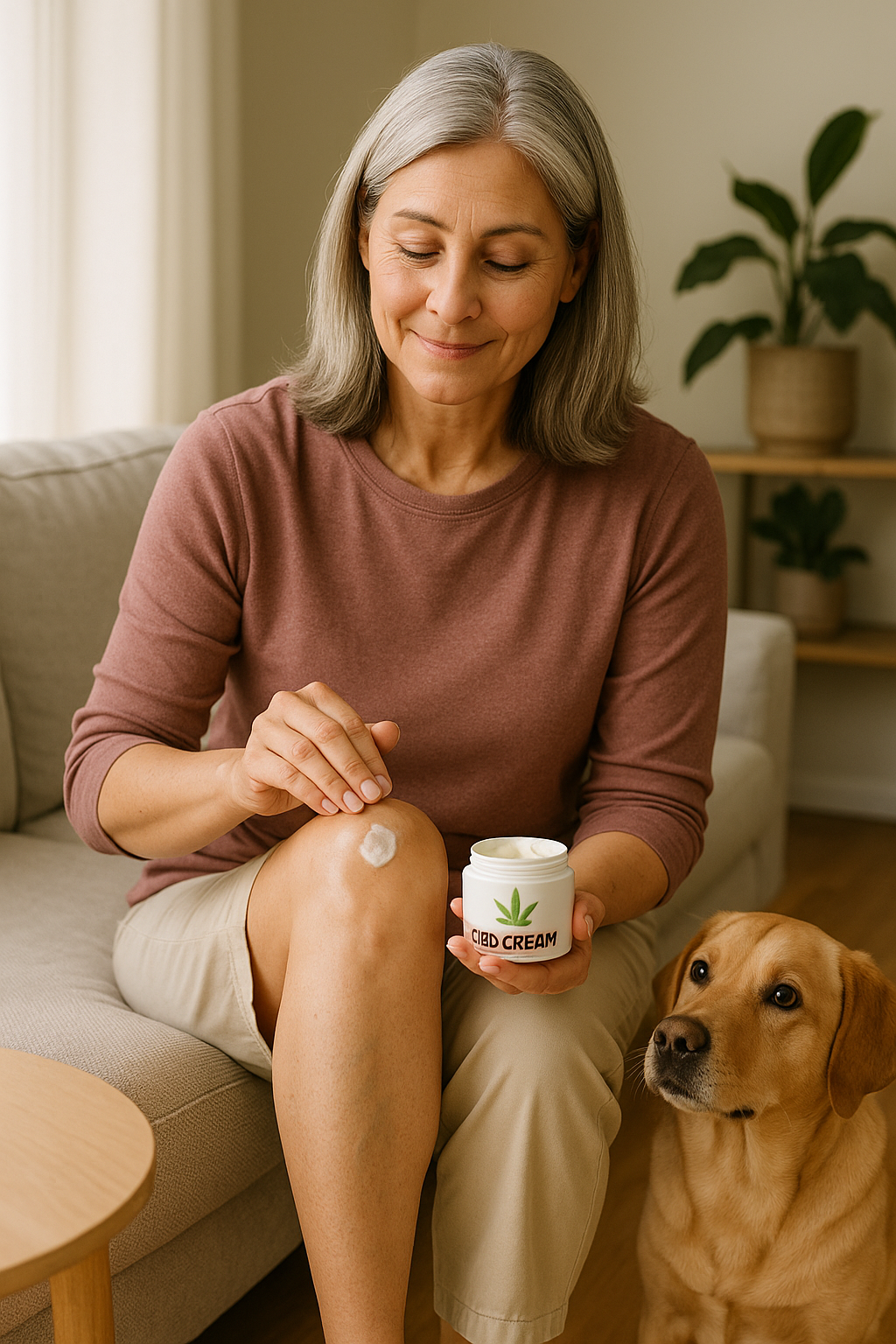
How to Use CBD Oil for Joint Pain: My Step-by-Step Advice
- Start low, go slow. Try a 5-10mg dose of CBD oil once in the morning for a week. If you tolerate it, consider adding a second dose in the evening.
- Track your symptoms. Keep a daily log of pain and stiffness (1-10 scale is fine). Give it at least 3-4 weeks—CBD isn’t always “instant.”
- Consider topical plus oral. For stubborn spots (knees, hands), try combining a dropper of oil sublingually with a topical cream or balm directly on the sore joint.
- Be realistic. CBD works best as part of a broader joint health plan: movement, good sleep, healthy diet, and proven tools like knee sleeves or heat therapy.
- Monitor for side effects. Fatigue, digestive upset, or weird interactions? Scale back or stop and consult your provider.
Stacking CBD with Other Tools—What Actually Helps?
I rarely see joint pain disappear with a single therapy. Most of my patients get the best results stacking modalities—think gentle exercise (swimming, stretching), targeted supplements (like glucosamine 1500mg with chondroitin 1200mg, as supported in the 2016 BMJ review), and mechanical supports such as the aforementioned Modvel Compression Knee Brace. For acute flares, a quality heating pad, such as the Pure Enrichment PureRelief XL (moist heat is the key, by the way), can be a powerful addition.
If you’re thinking about adding CBD, view it as one tool—not the only one. And I know this is unpopular, but sometimes old-fashioned ice packs and rest are just as important as the latest wellness trend.
What to Watch Out For: Regulation, Legality, and Quality
The CBD market is still a bit of a Wild West. Not all products are created equal—and some have been found to contain less (or more) CBD than labeled, or even contaminants. Only buy from reputable brands with transparent lab results. In the U.S., hemp-derived CBD is federally legal below 0.3% THC, but some states have tighter rules. Traveling? Check local laws first; I’ve seen one patient’s bottle confiscated at an airport in Texas.
Takeaways: Should You Try CBD Oil for Joint Pain?
If you’ve read this far, you know I’m cautious—but open-minded. The research is promising, especially for topical CBD, but robust human trials are still catching up. If you’re not getting relief from your current regimen, and your doctor says it’s safe, a high-quality CBD oil or cream could be worth trying—just manage your expectations, track your symptoms, and give it time.
And remember, no supplement will work miracles alone. Joint pain is complex, and what works for your neighbor may not work for you. But as part of a thoughtful plan, CBD could provide that extra bit of relief to help you move, play, and live with a little less pain.
Have you tried CBD oil or cream for joint pain? Shoot me an email or tell me about your experience—I read every story, and your feedback (the good, bad, and weird) helps shape what I recommend to others!
Stay well, stay moving,
Dr. Michael Torres, DC
Licensed Chiropractor & Nutrition Counselor
JointReliefReviews.com