
CBD Oil for Joint Pain and Inflammation: Does It Actually Help?
Here’s the thing: a patient I’ll call Teresa, age 66, limped into my clinic last year, clutching a small blue bottle and a ton of hope. “My daughter swears by this for her bad knee,” she whispered, holding out CBD oil like it was a magic potion. She wanted to know—does CBD oil for joint pain and inflammation really work, or is it just another slick marketing gimmick?

The Real-World Struggle With Joint Pain
Look, if you’re reading this, you don’t need me to tell you what aching, stiff joints can do to your day. I’ve treated hundreds of folks over 50 who dread that first step out of bed or the thought of kneeling to garden. Whether it’s osteoarthritis (the most common culprit), rheumatoid arthritis, or just plain old overuse, the pain can be relentless. Over-the-counter pills often don’t touch it—or worse, wreck your stomach. Prescription meds? They come with their own baggage.
So believe me, I get why CBD oil is popping up in medicine cabinets. When joints are barkin’ and the usual suspects aren’t cutting it, you start looking for something—anything—that could take the edge off. But I also get the skepticism. Is this really the answer, or is the hype getting ahead of the science?
How Does CBD Oil Claim to Relieve Joint Pain?
If you’ve never dabbled with CBD, here’s the gist: Cannabidiol (CBD) is a compound found in hemp and cannabis plants. It’s not psychoactive (so, no, it won’t get you high)—that’s THC’s job. What makes CBD so interesting for joint pain is its supposed anti-inflammatory and pain-dampening effects, at least in some animal studies and smaller clinical trials.
Mechanistically, CBD interacts with the body’s endocannabinoid system. I know, it sounds made up, but it’s real—this system helps regulate pain, immune responses, and inflammation. The theory is that CBD tweaks this system, dialing down pain signals and inflammation in tissues like joints.
Sounds promising, right? But as I always tell my patients: “What’s shown in the lab doesn’t always pan out in real knees, hips, or hands.” Time to separate fact from wishful thinking.
The Evidence: What Does the Science Say?
If you’re hoping for slam-dunk proof, pump the brakes. The research on CBD for joint pain is evolving—not definitive. Here’s what’s out there:
- Animal studies show clear anti-inflammatory and pain-reducing effects. For example, a 2017 paper in Pain found topical CBD reduced joint swelling and pain behaviors in rats with arthritis. But rats aren’t humans.
- Small human studies hint at benefits. One 2020 randomized trial in Arthritis Care & Research tested CBD gel on hand osteoarthritis and psoriatic arthritis patients. Pain scores dropped, but the effect was modest—and some participants felt nothing.
- Reviews are cautious. The BMJ (2022) and Journal of Rheumatology (2021) both concluded: “Maybe helpful, probably not a panacea. More research needed.”
I’ll be honest—there are a lot of “we need more studies” caveats here. But I’ve also had folks who say it changed their pain game for the better, even if the research is lagging behind.
How People Are Using CBD Oil for Joint Pain
This part gets interesting—because every patient seems to have a different method. There’s oral oil (under the tongue), capsules, gummies, and, increasingly, topical creams and gels. Most stick with oral drops or topicals for joint pain. Dosage? All over the map. I’ve seen 10mg twice daily up to 50mg or more, depending on the brand and the user’s tolerance. (Always start low and go slow—and talk to your doctor, especially if you’re on blood thinners or other meds.)
What I often see: folks get the best results when they layer their approach. Maybe topical CBD as a spot treatment, plus proven mainstays like exercise, physical therapy, or heat therapy. CBD is not a replacement for movement and strength-building, but it might take the edge off enough to help you stay active.
How Does CBD Oil Stack Up Against Other Joint Relief Options?
Here’s where I ruffle feathers: Most mainstream pain docs still recommend tried-and-true options first (think acetaminophen, NSAIDs, physical therapy). But I get a surprising number of questions about pairing CBD with these, or using it as a lower-risk option for folks who can’t tolerate NSAIDs. The short version: If you’re not getting relief and you want to try CBD, you’re not alone—just don’t ditch your current plan without consulting your healthcare provider.
Now, if topical relief is the goal, I usually direct people to clinically-proven options like Voltaren Arthritis Pain Gel. It uses diclofenac, an FDA-approved NSAID. The data backs it up—2018 review in Arthritis & Rheumatology showed it beats placebo and rivals some oral painkillers for osteoarthritis. That’s not to say CBD creams are useless, but the proof just isn’t as strong yet.
Making Sense of CBD Oil Labels (The Fine Print)
I’ll say this loud: The CBD market is the Wild West. There are good brands, and there are bottles full of snake oil. Always look for third-party lab testing (COA or Certificate of Analysis), ideally batch-specific. Hemp source matters too—U.S.-grown is generally more rigorously controlled. And check if it’s full-spectrum, broad-spectrum, or isolate. For joint pain, some suggest full-spectrum (which includes other plant compounds), but research is thin on what’s best.
Dosing is another mess. Most start with 10mg to 20mg a day, but effective doses vary widely based on body size, metabolism, and the severity of joint pain. And, not gonna lie—some folks feel nothing, no matter how much they use.
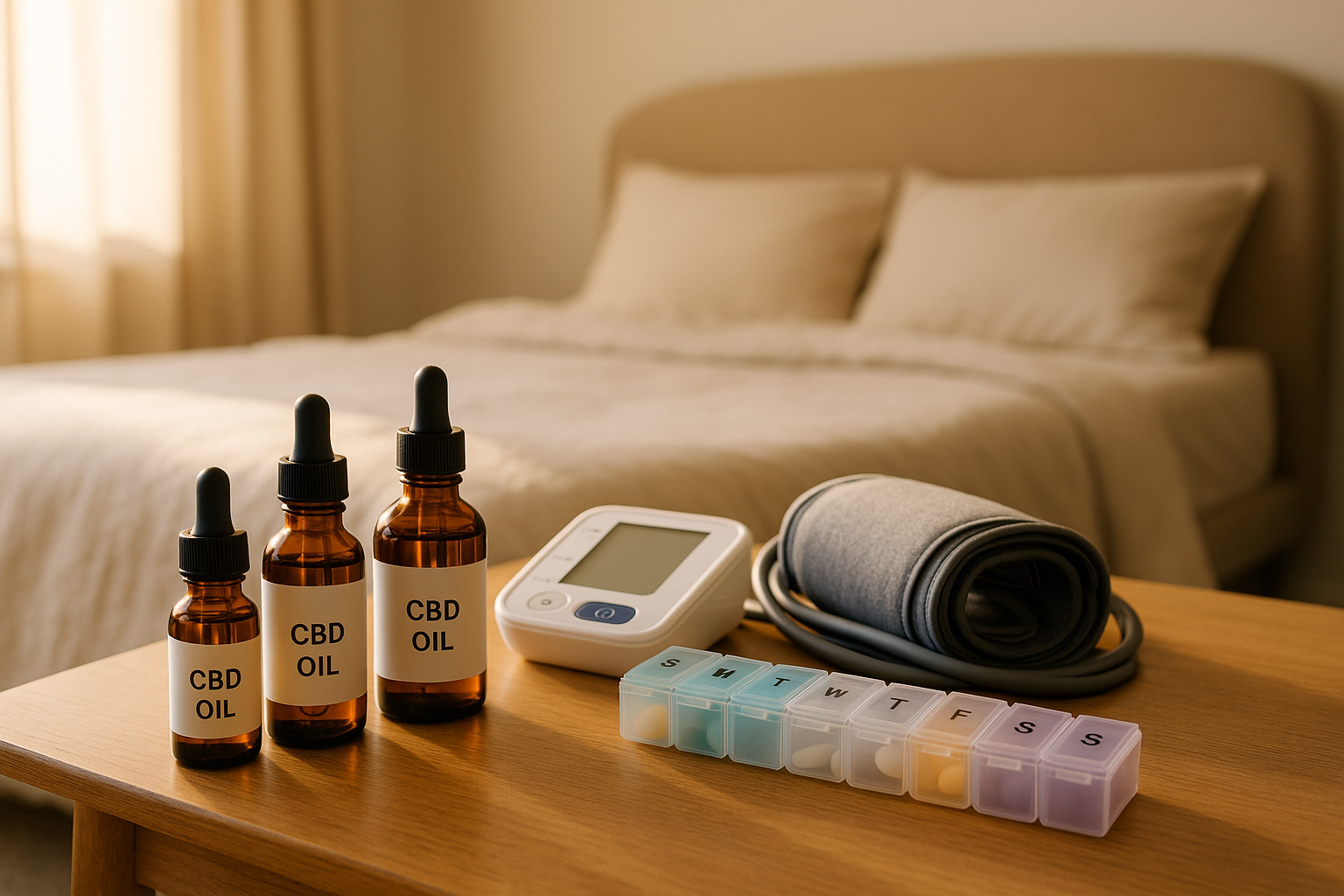
Should You Try CBD Oil for Joint Pain? Honest Pros and Cons
- PRO: Generally safe — Low risk of serious side effects. The most common? Tiredness or mild GI upset.
- PRO: May help some people — Especially mild-to-moderate pain or as an add-on to other therapies.
- PRO: Non-opioid — Big bonus for those worried about addiction or prescription painkillers.
- CON: Inconsistent results — Some swear by it, others waste $50+ per bottle and feel zip.
- CON: Expensive — Quality CBD oils aren’t cheap. And the “cheap” ones, well, you get what you pay for.
- CON: Drug interactions — Can mess with blood thinners, seizure meds, and more. Talk to your doctor before starting.
- CON: Research still catching up — We have promise, not proof, for most joint conditions.
And, look—if you try it and it helps, fantastic. But don’t dump your physical therapy or stop proven meds based on one good week!
Smarter Joint Relief: My Go-To Strategies (CBD Optional)
I’d be doing you a disservice if I made this all about CBD. Real joint relief usually takes a combo platter. Here’s what I see working—both in research and with my actual patients:
- Gentle strengthening and mobility exercises. I’m a huge fan of Jim Johnson’s guide, Treat Your Own Knees. Simple, research-backed, and, frankly, it works if you stick with it. (My own mother-in-law swears it’s why she’s still hiking at 73.)
- Compression supports. I’ve reviewed dozens—my current top pick? The affordable, sturdy Modvel Compression Knee Brace. Bonus: sold as a pair, so both knees get some love.
- Topical relief. As above, Voltaren gel is the clinically-backed option, but some do prefer CBD creams—just use them alongside, not instead of, your doctor’s advice.
- Supplements. Glucosamine, turmeric, MSM, and boswellia get tossed around a lot. The data’s mixed, but a decent blend, like what’s in Vimerson Health’s formula, is low-risk for most healthy adults. (Again: run it by your doctor.)
- Heat and cold therapy. Don’t underestimate a simple warm compress or an extra-large heating pad after activity. (I use one myself after long bike rides.)
If you’re nodding along, you’re already ahead of the game. Layering these strategies—movement, support, spot relief, and (maybe) supplements or CBD—is where I see the biggest wins.
CBD Oil vs. Traditional Joint Supplements
Let’s be blunt—supplements like glucosamine-chondroitin have been around for decades. The data? Mixed, but some folks (especially with knee arthritis) do notice less stiffness and better function. The Annals of the Rheumatic Diseases (2015) found about 60% of participants saw some benefit with 1500mg glucosamine sulfate daily. Compare that to CBD, where the research is newer and less robust. My verdict: If you haven’t tried traditional options, start there first. CBD can be a useful add-on, not a magic bullet.

The Bottom Line: Is CBD Oil Worth Trying for Joint Pain?
I know this isn’t the black-and-white answer some folks want. But real talk: If you’re dealing with chronic joint pain and nothing else is working, CBD oil is worth considering—just do it smartly, and be realistic about expectations. Look for quality, start low, and keep it as one piece of your larger joint health puzzle. And always, always keep your medical provider in the loop.
Practical Takeaways
- CBD oil shows “maybe, maybe not” results for joint pain. Some people love it, some notice zero change.
- Topical options like Voltaren gel have stronger research for arthritis relief.
- Exercise, compression sleeves, and physical therapy remain core strategies.
- Quality and dosing matter—a lot. Don’t buy the cheapest thing on the shelf.
- Always talk to your healthcare provider before mixing CBD with other meds.
If you’ve tried CBD oil (or are thinking about it), I’d genuinely love to hear how it worked for you. Shoot me a note or drop a comment—every bit of real-world experience helps us all get smarter.
Here’s to moving easier, sleeping better, and making your own informed choices—no hype, just honest answers.
James Chen, MS, CSCS
Physical Therapist, Joint Health Columnist
Writer at JointReliefReviews.com