
CBD Oil for Joint Pain and Inflammation: What Actually Helps?
If you’d told me a decade ago that my inbox would fill up with questions about CBD oil for joint pain and inflammation, I probably would have laughed. (Not unkindly, but you know—CBD used to mean 'that stuff hippies use, right?') Fast forward to last month: my neighbor texted me, "Linda, does CBD actually help knees, or is it just snake oil?" Happens weekly.

Look, Joint Pain Changes Everything
I don’t care how tough you are—when your joints ache, you feel it in every part of your life. I still remember tending to my own mother-in-law after her first bout of knee pain. Suddenly, gardening was off the table. Even getting out of bed brought on that wince. If you’re nodding right now, you’re in good company. Joint pain steals your spark.
And the inflammation? That’s the real kicker. Swollen, hot, stiff—sometimes it feels like your body’s turned against you. Most of my patients (and, let’s be honest, friends and family) just want to walk, climb stairs, and live their life without dreading the next flare-up.
CBD Oil: Hype or Helpful?
Here’s where it gets interesting. CBD—short for cannabidiol—isn’t a miracle, but it’s not just marketing fluff, either. As a nurse with two decades in ortho, I watched the medical establishment go from eye-rolling skepticism to actual curiosity. After the 2018 Farm Bill made hemp-derived CBD legal (under 0.3% THC) in the U.S., research finally picked up steam. So what does the science say about CBD for joints?
The Science, Minus the Gobbledygook
Let’s break it down. Your body has what’s called an endocannabinoid system (ECS)—basically, a network of receptors that helps regulate pain, mood, immune response, and even sleep. CBD doesn’t bind directly to these receptors, but it influences them, turning the volume down on pain and inflammation. Animal studies have shown promising results since as early as 2015. In a 2017 study in European Journal of Pain, rats with arthritis received topical CBD and had notably less joint swelling and pain behaviors—without side effects.
Now, before you start saying, "But Linda, I’m not a rat": I get it. Human studies are fewer, but growing. One 2020 review in Current Opinion in Rheumatology highlighted that CBD could reduce chronic joint pain and improve sleep, though results weren’t always dramatic. Another study in Arthritis Care & Research (2022) surveyed over 1,000 arthritis patients—over half reported using CBD, and most found at least some relief (especially with knee and hand pain). Still, not everyone is a responder, and the placebo effect is real.
Here’s what I tell my own friends: CBD isn’t a cure, but for many, it’s one more tool in the box. And it’s generally safe—though not for everyone. Always talk to your doctor before starting, especially if you take blood thinners or other meds.
What Kinds of Joint Pain Respond to CBD?
This is where most articles get annoyingly vague, so let’s get specific. The best research and user reports suggest CBD is most helpful for:
- Osteoarthritis—that slow, nagging wear-and-tear pain
- Rheumatoid arthritis (with an asterisk: it won’t stop the autoimmune process, but may ease discomfort and swelling)
- Exercise-induced soreness—weekend warriors, I see you
- General age-related aches
More severe, nerve-based pain? Sometimes CBD helps, but it’s less predictable. And if your pain is sudden or severe, don’t DIY—get checked out.
Types of CBD: Oils, Creams, Gummies… Does It Matter?
I get this question almost as much as "does it work?" In my experience—and from what the data shows—it does matter how you use CBD for joint issues.
- Topical CBD creams and oils: These go straight to the source. Many people find fast, targeted relief for sore knees, wrists, even fingers. A 2020 Journal of Pain study found topical CBD reduced severe pain in peripheral neuropathy patients (and it’s a popular option in arthritis circles). Downside: effects are usually temporary, so you may need to reapply.
- CBD oil drops (sublingual): Placed under the tongue for 30-60 seconds, these absorb into the bloodstream for full-body relief. I’ve seen folks with widespread joint pain prefer this route. Onset is typically 30-60 minutes. Dosage really matters—more isn’t always better.
- CBD gummies/capsules: Tasty and convenient, but less potent for joint pain (a lot gets broken down in the gut). Good for sleep and mood, less so for rapid pain relief.
Look, the best form is the one you’ll actually use—consistently. If your hands are sore, a cream might win. If you want all-over support, go with oil.
How Much CBD Should You Take for Joint Pain?
This is where I have to play nurse and be cautious: start low, go slow. Research doses vary, but most studies start around 20-40mg per day, sometimes higher. (I had one reader see significant knee relief with just 15mg nightly, while another needed 50mg to feel anything at all.)
The downside? There’s no one-size-fits-all dose. Your age, weight, metabolism, and other meds all factor in. And if you’re thinking “I’ll just double up for more relief”—that’s not how it works. Higher doses can lead to sleepiness, diarrhea, or liver strain. Talk to your doc, especially if you take meds for blood pressure, anxiety, or seizures.
What About THC?
Most over-the-counter CBD oils are ‘broad-spectrum’ (zero THC) or ‘full-spectrum’ (up to 0.3% THC). Some research hints that a smidge of THC makes CBD more effective—the so-called ‘entourage effect’. But if you’re drug-tested or sensitive, stick to broad-spectrum or CBD isolate.
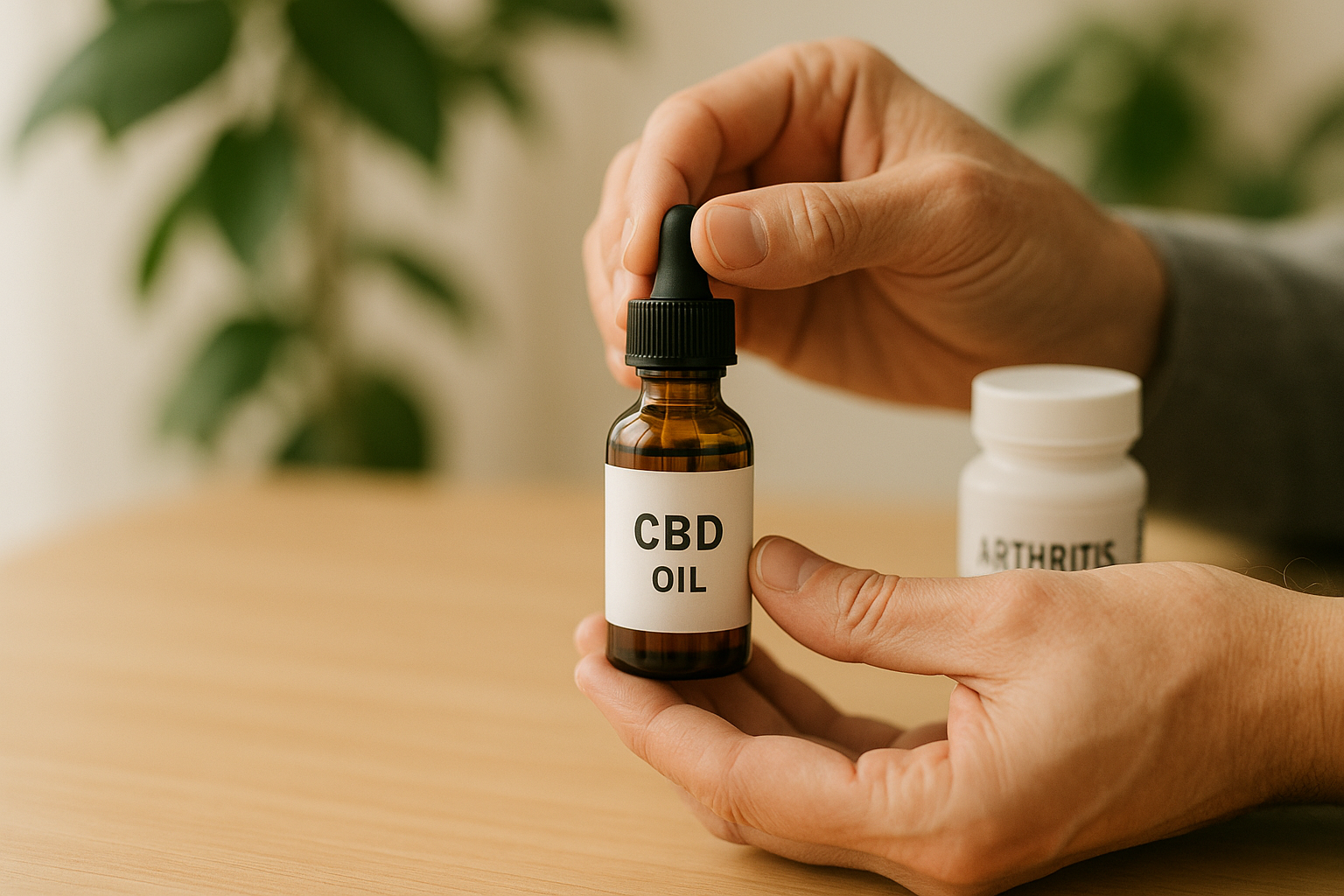
What to Look for in a Quality CBD Oil
Here’s where most folks trip up. The CBD market is a jungle—some products have barely any CBD, others are loaded with junk. My rules of thumb:
- Check for third-party lab results (called a COA): This verifies you’re getting what’s advertised, with no pesticides or heavy metals. If a company won’t share theirs, skip it.
- Look for US-grown, organic hemp: Fewer contaminants, stricter farming laws.
- Choose broad- or full-spectrum for joint pain: You get more natural plant compounds, which may help the anti-inflammatory effect.
- Mind the dose: 500mg per bottle is low; 1000-2000mg is more common for real relief.
- Avoid wild claims: If it says it’ll "cure" arthritis, run the other way.
I’ve personally used—and recommended—brands like Charlotte’s Web, CBDistillery, and Joy Organics (not affiliates, just solid reputations). But frankly, if you find a local brand that ticks those boxes and works for you, go for it.
Pairing CBD With Proven Joint Pain Relief
Here’s my real-world take: CBD is a helpful adjunct, not a stand-alone fix. In practice, the best results come when folks use CBD with other sensible strategies.
- Compression support: For knees, I swear by the Modvel Compression Knee Brace. I’ve seen it help dozens of patients. Compression plus CBD cream? Game-changer for mild arthritis days.
- Physical therapy: Strengthen those muscles! (The book Treat Your Own Knees is a staple on my shelf. Simple home exercises, no equipment needed.)
- Topical anti-inflammatories: If CBD’s not enough, many folks layer with Voltaren Arthritis Pain Gel. It’s FDA-approved, works locally, and is safe to use with CBD for most people. (Again—ask your doc if you’re unsure.)
I know this is unpopular in wellness circles, but: there’s no magic bullet for joint pain. CBD can help alongside these tried-and-true methods. If you ever feel pressured to ditch your prescribed meds for CBD, that’s a huge red flag.
CBD Safety, Side Effects, and Myths
CBD is generally safe, but it’s not a free-for-all. Side effects are usually mild—sleepiness, dry mouth, and (rarely) digestive issues. But CBD can interact with blood thinners (like warfarin), anti-seizure meds, and some antidepressants. Tell your doctor before you start, especially if you’re managing other health conditions.
And a note: CBD is not addictive, doesn’t cause a "high", and won’t show up on most drug tests (unless it contains THC—which should be clearly labeled). I get emails from folks worried about legality—hemp-derived CBD (with less than 0.3% THC) is federally legal in the U.S., though some state laws vary. Always buy from trustworthy sources.

So—Is CBD Oil Worth Trying for Joint Pain and Inflammation?
I’ll be honest: I was skeptical at first. But after seeing the real-world difference it made for dozens of people (including some stubborn relatives) and tracking the research, I’m convinced it can help some folks—especially when joint pain isn’t severe, or when mainstream meds cause too many side effects.
Start with a reputable brand. Use a topical for localized pain, or oil for body-wide aches. Pair it with movement, compression, and classic joint care. And give it at least 2-4 weeks before deciding if it’s for you. If you notice less pain, better sleep, or just an easier time moving through your day—that’s a win in my book.
Final Thoughts (from a Nurse Who’s Seen It All)
If you’re weary of the hype and just want straightforward advice, here it is: CBD isn’t a cure, but it’s one more option in your toolkit. For every person who swears by it, there are a few who notice nothing. The only way to know is to try (cautiously, with your doctor’s blessing).
And if you do try CBD oil for joint pain and inflammation, let me know how it goes. I read every email, and I’m always here to help you sort fact from fiction. Keep moving, keep asking questions, and above all—don’t give up on finding relief. Your joints (and your peace of mind) are worth it.
Linda Hargrove, RN — 20-year orthopedic care veteran, now helping real people find real relief at JointReliefReviews.com.