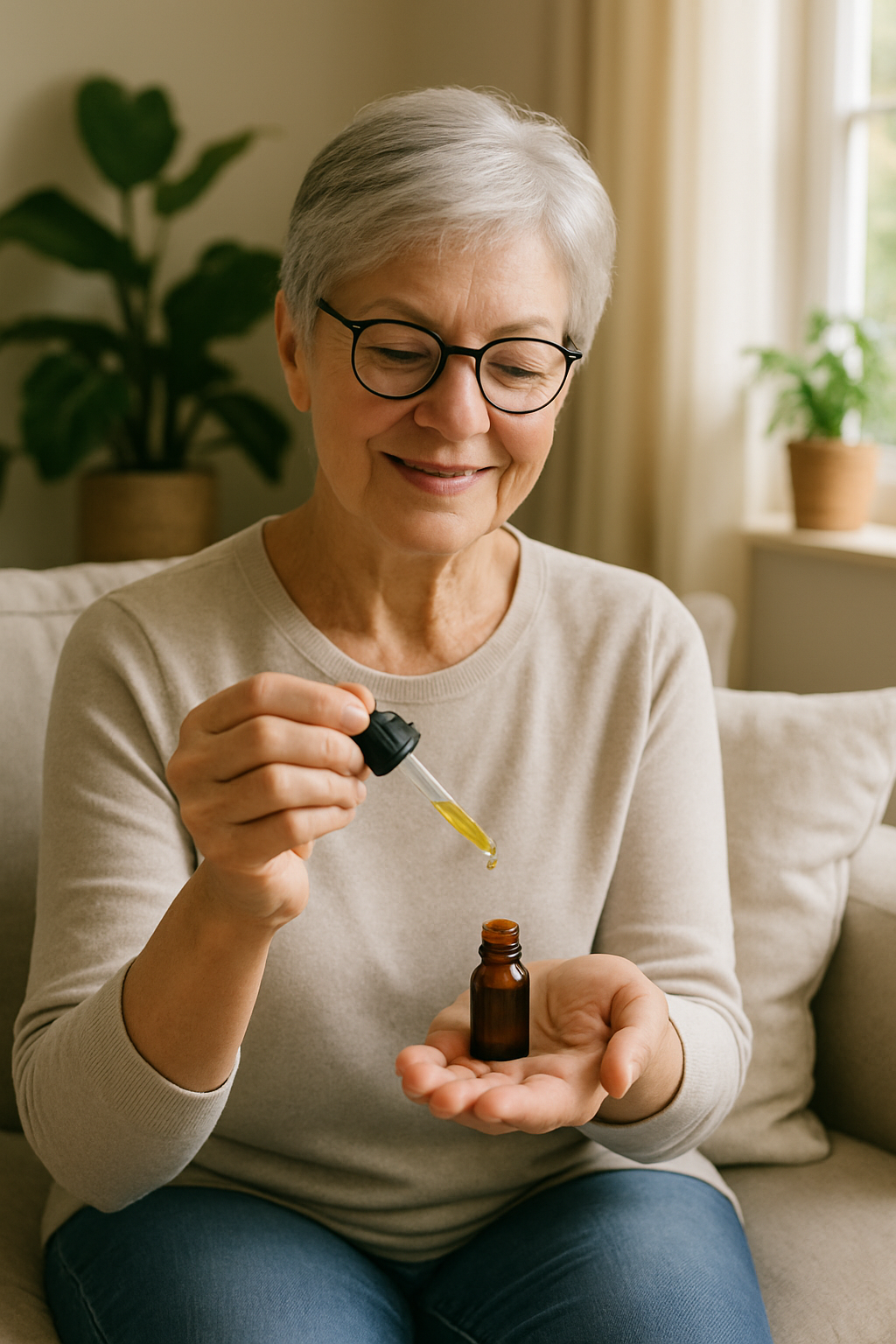
Does CBD Oil Really Work for Joint Pain? Here’s What I Tell My Patients
I’ll never forget the first time a patient brought a little blue bottle into my clinic and asked, “Linda, is this stuff legit?” She meant CBD oil, of course. This was back around 2017, just as the stuff was exploding onto pharmacy shelves and into small talk everywhere. Since then, I’ve fielded dozens of questions—at work, at church, even in the checkout line—about whether CBD oil can really help with joint pain and inflammation.
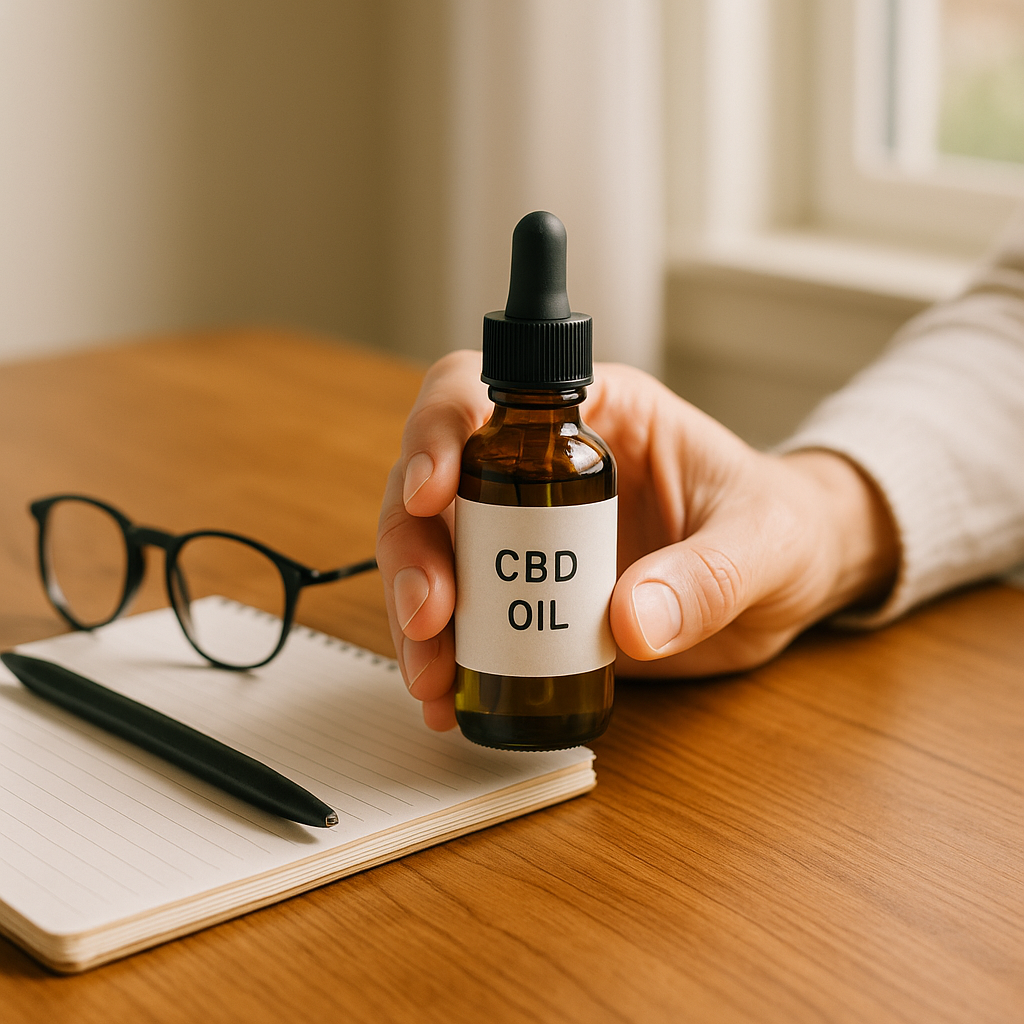
Here’s the thing: If you’re reading this, you probably already know the frustration of joint pain. It’s not just the ache in your knees when you stand up. It’s the way you start declining invitations or eyeing stairs like they’re Everest. Arthritis, old injuries, plain old life—it all adds up. And after 20 years in orthopedic nursing, believe me, I’ve seen all the clever fixes and miracle cures come and go.
Why Is Everyone Suddenly Talking About CBD Oil?
Maybe you’ve noticed the shelves at your local pharmacy brimming with CBD gummies, tinctures, and creams. My neighbor, Joan, swears by her nightly CBD drops for her creaky hands. But is it just another wellness fad, or does the science actually back it up?
Quick primer: CBD (short for cannabidiol) is one of more than 100 compounds found in the cannabis plant. Unlike its cousin THC, CBD won’t get you high, but it’s been touted for all sorts of possible health perks—especially for pain and inflammation.
And there’s a reason for the buzz. According to a 2020 survey in the Journal of Cannabis Research, over 60% of CBD users said they were using it for pain, and a big chunk specifically for joint pain. But—and this is important—the world of CBD is a weird, wild west. Not all products are created equal, and the research is still playing catch-up.
The Science: What Do the Studies Actually Show?
Before we get into what works (and what’s hype), let’s unpack the research. If you’re nodding along, you’re not alone—most patients I know are skeptical and want the data before they open their wallets.
Here’s what we know:
- Animal studies look promising. Researchers at U.K. universities ran several studies (see European Journal of Pain, 2016) using topical CBD in rats with arthritis. The results? Markedly reduced joint swelling and pain behaviors. But rats aren’t humans, and rubbing oil on a shaved rat knee is a far cry from your real life.
- Human evidence is less clear—but growing. There’s a 2022 review in Frontiers in Medicine that summed it up: small studies suggest CBD may reduce pain and improve sleep in people with chronic conditions, including arthritis, but the sample sizes are tiny.
- CBD interacts with your endocannabinoid system. This system helps regulate inflammation, pain, and immune responses. In plain English? There’s a real biological reason why CBD might help.
Now, here’s where it gets interesting: Most of the “proof” people point to is anecdotal—personal stories, Amazon reviews, your cousin’s neighbor. But medicine moves slowly, and double-blind, placebo-controlled trials for CBD are only now gaining traction. If you want a quick fix answer, I can’t give it to you. But some of my most stubborn, achy-joint patients have found genuine relief. And that counts for something.
What Type of Joint Pain Are We Talking About?
CBD oil is being tried for all sorts of joint pain—osteoarthritis (the wear-and-tear kind), rheumatoid arthritis (autoimmune), even old sports injuries. In my experience, folks with everyday arthritis and nagging, inflammatory aches seem to use it most.
But a caveat: If you have new, severe, or unexplained joint swelling, skip the CBD for now and go see your doctor. Sometimes pain is a sign of something that needs true medical attention—trust me, you don’t want to mask a real issue.
How Does CBD Oil Work for Joint Pain and Inflammation?
I’ll keep the science simple here. CBD interacts with receptors in your body (called CB1 and CB2) that help regulate pain signals and immune response. Think of it like flipping switches that dial down inflammation and pain perception.
In arthritis, your joints are basically in a constant state of low-level fire. CBD, according to several preclinical studies, appears to put a damper on that fire—at least in theory. It may slow the release of inflammatory chemicals like cytokines, which are the little troublemakers behind swelling and soreness.
What does this look like in real life? For some people, it’s subtle: fewer bad days, less stiffness in the morning, maybe even ditching the ibuprofen. For others, it’s night-and-day improvement. (One of my former patients started using CBD drops at night and said, “For the first time in years, I woke up without a fight in my knees.”)
How Should You Use CBD Oil for Joint Pain?
Here’s where I get a lot of questions. Do you swallow it? Rub it on? Toss it in your coffee? (I don’t recommend that last one, by the way.)
- Oral CBD oil (tinctures): These are classic—drops under the tongue, usually 0.5-1 mL. Start low, go slow. I tell folks to begin with about 10-20mg per day and increase gradually. Some people need 50mg or more, but your mileage may vary.
- Topical CBD creams: These let you target sore spots directly. I’ve seen people massage CBD balm into knees, fingers, even achy backs. According to a 2020 Current Pharmaceutical Biotechnology study, topicals may work well for localized pain.
- Capsules and gummies: Convenient, but harder to adjust your dose. I’m old-school, so I like oils for flexibility.
Pro tip: Always buy CBD from a reputable brand that posts third-party lab results. There’s a shocking 2017 JAMA study showing that 70% of CBD products were mislabeled—either too much, too little, or none at all. Don’t waste your money.

What to Expect: Results (And Side Effects) From Real-World Use
Here’s what the actual users tell me—and what I’ve seen in my own family (my mother-in-law swears by her evening CBD balm).
- Relief tends to be gradual, not miraculous. Don’t expect to feel 20 years younger overnight. Most people notice a steady, subtle improvement in pain, sleep, and stiffness over 2-4 weeks.
- Side effects are rare, but possible. The most common are mild: dry mouth, lightheadedness, sometimes a little stomach upset, especially with oral drops. Dosing too high, too fast is usually the culprit.
- Interactions matter. If you’re on blood thinners, certain antidepressants, or seizure meds, talk to your doctor first—CBD can change how your liver processes some drugs. I see far too many articles skip this, but it’s crucial.
And if you’re pregnant, breastfeeding, or managing serious medical issues, best to get professional input before experimenting. CBD isn’t a cure-all, and it certainly isn’t a replacement for proven arthritis therapies (like physical therapy or, if prescribed, NSAIDs).
CBD Oil vs. Other Joint Pain Remedies
This comes up a lot—how does CBD compare to good old ibuprofen, topical gels, or glucosamine?
- CBD vs. NSAIDs: NSAIDs (ibuprofen, naproxen) work quickly and consistently, but long-term use can wreak havoc on your gut and kidneys. CBD has a much milder side-effect profile, though it may be slower and less potent for severe pain.
- CBD vs. Topical Diclofenac (like Voltaren): There are studies (see BMJ, 2018) showing topical diclofenac is highly effective for osteoarthritis. CBD topicals may offer gentler relief, but evidence is still catching up.
- CBD vs. Glucosamine/Chondroitin: Glucosamine and chondroitin are tried-and-true supplements, but not everyone responds. Some folks find combining them with CBD provides an extra boost.
Look, pain management is personal. What works wonders for your neighbor might do nothing for you. I encourage folks to keep a log—track your daily pain, stiffness, mood, and sleep for a month. You might be surprised at subtle changes you’d otherwise miss.
What to Look for in a Quality CBD Oil
This part matters so much. The market is flooded with cheap, poorly-made products. Here’s my RN-vetted checklist:
- Third-party lab testing: Make sure every batch is tested for purity, potency, and contaminants. If a company won’t show you the lab results, don’t even consider it.
- Clear labeling: You should see exactly how many milligrams of CBD per serving, and the total per bottle.
- Full spectrum vs. isolate vs. broad spectrum: Full spectrum CBD contains other helpful cannabinoids and terpenes—this “entourage effect” may boost pain relief, according to a 2019 Journal of Headache Pain review. But if you’re drug tested at work, choose a THC-free option just to be safe.
- Carrier oils: Look for MCT oil or hempseed oil, not random vegetable oil.
I’ll be honest—price does matter here. If you see a 2000mg ‘CBD’ bottle on Amazon for $9.99, it’s almost certainly junk. Quality, tested oils are usually around $40-$70 per bottle. And always check the return policy (some reputable brands offer a money-back guarantee if you don’t see results in 30 days).
What Products Do I Actually Recommend?
Readers ask me for brand recommendations all the time. My main rule: only pick companies that are fully transparent about their testing and ingredients. Here’s a solid example I’ve vetted:
- CBDistillery Relief + Relax CBD Oil Tincture — lab-tested, full spectrum, available in 500mg and 1000mg strengths. Not the cheapest, but you get what you pay for.
I don’t push any brand too hard—what matters most is sourcing, testing, and honest dosing. And if you prefer topicals, check for similar standards. (Transparency is a non-negotiable for me—especially after that JAMA study!)
Other Ways to Boost Your Joint Health
Here’s the truth: CBD oil can help, but it’s not a standalone magic bullet. In my clinic, the folks doing best usually combine smart supplements, gentle movement, and the occasional topical therapy. Some proven tools I’ve seen work well:
- Gentle exercise: Even just 10 minutes a day of walking or stretching can lubricate your joints and cut down on pain flares. The book Treat Your Own Knees is packed with research-backed moves I recommend to almost everyone.
- Compression support: For achy knees, sleeves like the Modvel Compression Knee Brace can be a game-changer—over 75,000 reviews and still affordable.
- Other supplements: Some of my patients combine CBD with glucosamine or turmeric-based blends. Just be mindful of possible drug interactions, and always talk to your doctor before stacking new supplements.
It’s about building a toolkit—not pinning your hopes on a single product. If you’re feeling overwhelmed, start simple: journal your daily pain, try one supplement at a time, and check in with your healthcare provider for regular checkups.
So—Is CBD Oil Worth Trying for Joint Pain?
Here’s my take, after years as an RN and plenty of real-world feedback: If you’re struggling with everyday joint aches and have tried other basic therapies, CBD oil is worth a shot. It’s not a miracle—but for the right person, it can provide gentle, steady relief. And sometimes, a little less pain is all you need to start living a little more.
Just promise me you’ll buy smart, watch for interactions, and give it a fair shake (at least a few weeks). And if you’ve got a story about CBD—good, bad, or weird—I’d love to hear from you. We’re all learning together here.
Wishing you comfort and better movement, always—Linda Hargrove, RN