
CBD Oil for Joint Pain and Inflammation: What Actually Works?
My phone buzzed at 6:45AM last Thursday—too early for “just a question.” It was my friend Mark, knees throbbing from his pickup basketball league, asking what I really think about CBD oil for joint pain and inflammation. And I’ll tell you the truth: I get this question at least twice a week. The hype is enormous, but the science? Messy, sometimes hopeful, and all-too-often misunderstood.
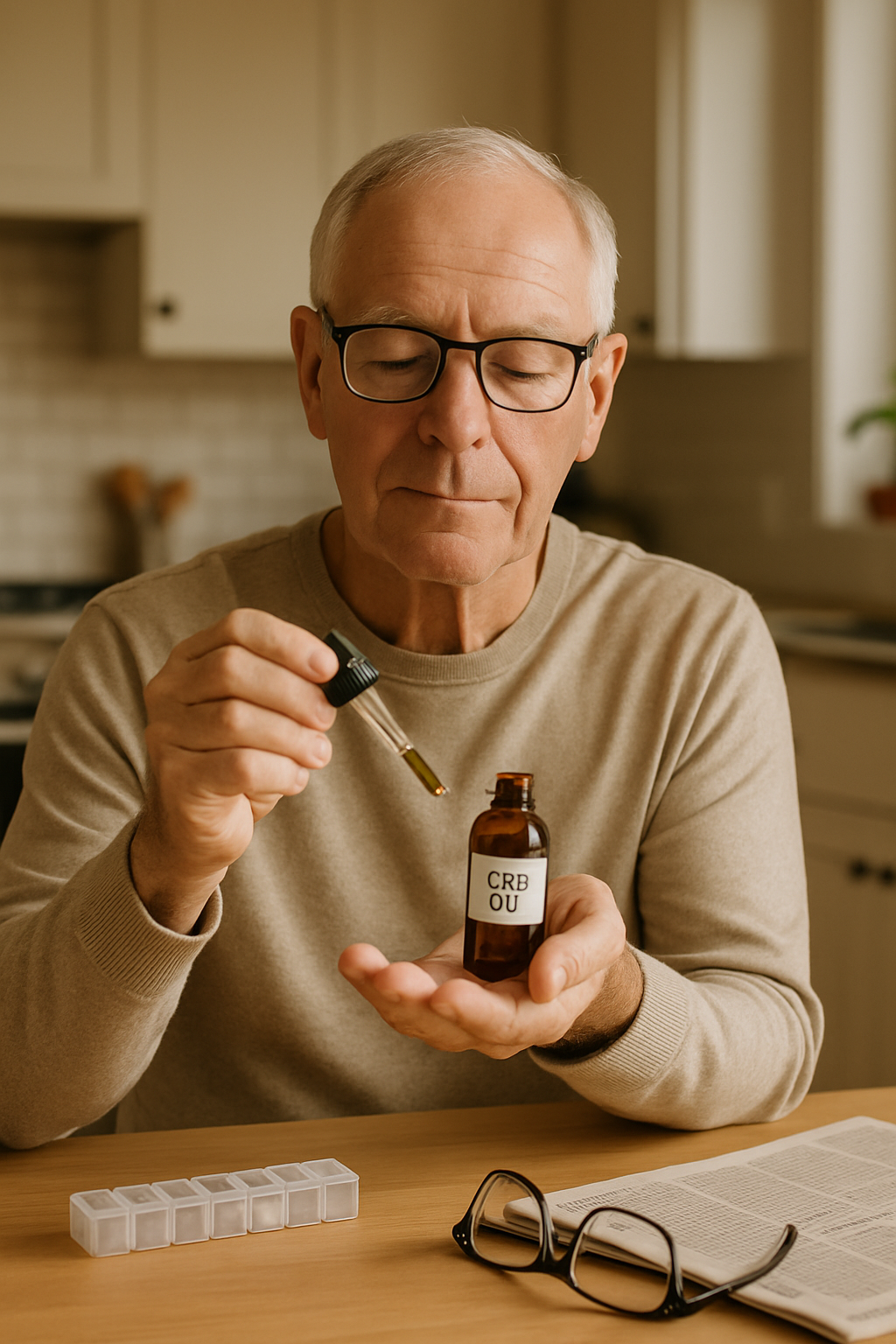
The Pain of Not Knowing: Wrestling with Sore Joints
If you’re reading this, odds are you (or someone you love) have joints that creak, swell, or flat out refuse to cooperate some mornings. I see this every day in my clinic—folks massaging their knees, wringing their hands after the walk in from the parking lot, wincing when they try to stand. I’ve worked with former athletes, weekend warriors, and more than a few determined grandparents who just want to garden or play with their grandkids without needing a nap afterwards. Joint pain and swelling aren’t just physical hurdles—they mess with your identity, your independence, your plans.
And look, I get the appeal of something that’s “natural,” doesn’t wreck your stomach like NSAIDs, and maybe brings back a little hope. But let’s set aside the hype for a minute and talk facts: what does the latest research really say about CBD oil for joint pain and inflammation?
Here’s the Thing: What Is CBD Oil, and Why the Buzz?
CBD (short for cannabidiol) is a non-psychoactive compound found in cannabis plants. Unlike THC, it won’t get you high. The oil is typically extracted from hemp, refined, then blended into tinctures, capsules, balms, and even gummies. You’ve seen it everywhere—gas stations, natural grocers, boutique spas. But is there real fire behind all this smoke?
The theory is intriguing. Your body has an endocannabinoid system (ECS)—think tiny cell receptors in your brain, immune system, and joints that help regulate pain, inflammation, and mood. CBD interacts (albeit indirectly) with these receptors. Animal studies show it can reduce swelling and block pain signals. But translating that to human knees, hands, and hips? That’s where things get complicated, fast.
Research: Sorting the Good from the Flimsy
Let’s talk data. In 2020, a Journal of Clinical Medicine review analyzed all available studies on CBD for chronic pain. The results? Mixed, but promising for certain types of pain—including nerve pain and, potentially, arthritis. But here’s the kicker: most of these studies are small, short-term, or use animal models.
If you’re looking for gold-standard trials, the kind that get doctors excited, there’s not a ton—yet. But the momentum is building. In 2016, a European Journal of Pain study on arthritic rats found topical CBD gel “significantly reduced” joint swelling and spontaneous pain behaviors. (No, you’re not a rat—but the mechanism is at least relevant.) Human research is trickling in, slowly. A 2022 survey in Arthritis Care & Research found that about 79% of arthritis patients who tried CBD reported some symptom relief, especially for pain and sleep. Placebo effect? Partly. But that’s not nothing.
What about side effects? Compared to prescription painkillers or even over-the-counter NSAIDs, CBD is generally well tolerated. Most common complaints are digestive—loose stool, dry mouth, or drowsiness. Still, any new supplement can interact with other meds (especially blood thinners), so talk to your doctor before diving in. I can’t emphasize that enough.
How Does CBD Actually Work for Joints?
This is where the science nerd in me gets excited. Lab studies suggest CBD may:
- Reduce inflammatory signaling: By blocking cytokines and chemokines that trigger joint swelling.
- Modulate pain perception: CBD may decrease activity in pain pathways at the spinal cord and brain level.
- Protect cartilage: There are hints (in test tubes, granted) that CBD slows cartilage breakdown in arthritic joints.
But here’s my honest take: if your goal is to replace all your pain meds with a few drops of CBD, you’ll likely be disappointed. But as part of a broader routine—think movement, physical therapy, anti-inflammatory diet, maybe a heating pad or knee brace? That’s where I’ve seen some folks really benefit.

How to Try CBD Oil for Joint Pain and Inflammation (Without Wasting Your Money)
Look, the CBD market is the Wild West. Quality varies wildly. Some bottles labeled “1000mg CBD” have been tested and found to contain…zero. Others are loaded with pesticides or heavy metals. This is why I always—always—tell people to look for third-party lab tests and to stick with brands that publish their results online. (The gold standard: COA or Certificate of Analysis.)
As for how to use it? Here’s where it gets interesting. There’s no FDA-approved dosage for joint pain, and studies use a huge range. Oral CBD (tinctures or softgels) is the most common—starting dose is usually 20-25mg, once or twice daily. Some folks find relief at lower doses, others need more. Effects tend to build over a week or two, not overnight.
Topical CBD—creams, gels, balms—can be massaged directly onto sore knees, hands, or shoulders. This route is generally safer (less risk of systemic side effects), but research is even thinner than with oral. Still, I’ve had patients swear by a CBD roll-on before bed or after a long hike.
My Honest Take (And Mild Controversy)
I know this is unpopular in some circles, but I don’t believe CBD oil is a miracle cure. I’ve seen it help some clients—especially those frustrated with traditional pain meds or unable to tolerate NSAIDs due to ulcers, blood pressure, or kidney issues. But I’ve also watched other folks shell out $120 for a fancy CBD tincture and…nothing. No change. That’s the honest truth.
One thing I do appreciate? CBD’s potential as a “layer” in your toolbox, not a solo act. It pairs well with evidence-based basics, like gentle range-of-motion work, anti-inflammatory foods, and heat therapy. (I actually wrote a full review of the Pure Enrichment PureRelief XL Heating Pad—not gonna lie, moist heat and CBD balm together can be a game-changer on stubborn days.)
Extra Tips for Joint Relief: Beyond CBD
I wouldn’t be doing my job if I didn’t mention a few tried-and-true strategies that consistently help my patients (and yes, you can pair them with CBD):
- Move it or lose it: Gentle daily movement—even a 10-minute walk—can lubricate joints and reduce stiffness. I send a lot of folks to Jim Johnson’s Treat Your Own Knees for clear, sensible at-home routines.
- Compression and support: On flare-up days, a quality compression brace (like the Modvel Compression Knee Brace) can make standing and walking less miserable—especially if swelling is a big culprit.
- Diet tweaks: Omega-3 rich fish, turmeric, berries, and greens have modest anti-inflammatory effects. Every little nudge counts.
But—and here’s my soapbox—don’t skip your annual check-in with your doctor or rheumatologist. Unexplained swelling, redness, or pain that wakes you from sleep? Get it checked. CBD is not a substitute for real medical assessment.
Busting Myths: What the CBD Industry Won’t Tell You
Here’s where I ruffle feathers. The supplement world is notorious for overpromising. Fancy packaging touts “clinical strength” or “maximum potency”—but there is no established, agreed-upon therapeutic dose for CBD and joint pain. Some brands claim “full spectrum” or “broad spectrum”—these contain other hemp compounds, which might enhance the effect (the so-called “entourage effect”), but again, it’s not magic. Don’t pay double for minor bells and whistles.
And the elephant in the room: legality. As of 2024, hemp-derived CBD (with less than 0.3% THC) is legal federally in the US, but some states still restrict its sale. Always double-check your local laws before clicking “buy now.”
Comparing CBD to Other Joint Pain Favorites
I’ve reviewed everything from turmeric capsules to Voltaren gel. How does CBD stack up? The best evidence for rapid relief still points to topical NSAIDs (like Voltaren) for arthritis pain. CBD’s edge is in its gentle side effect profile and its potential to be used alongside other options—especially for chronic, nagging pain where you don’t want to hammer your liver or kidneys with daily pills.
Supplements like glucosamine-chondroitin? Jury’s out, but for some, layering these with CBD seems to provide a little extra. Again, talk to your physician—especially if you’re already juggling prescriptions.
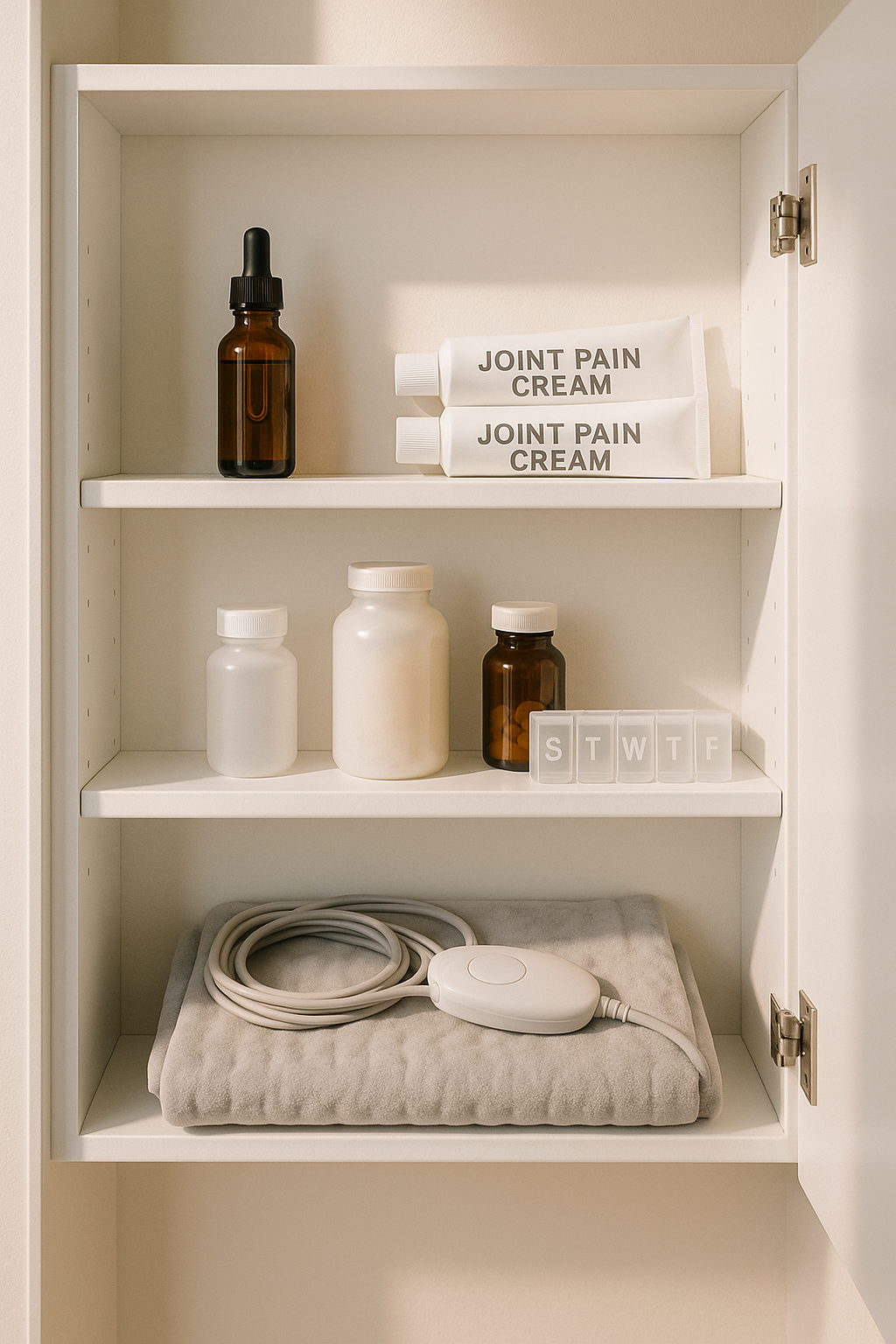
Bottom Line: Is CBD Oil Worth Trying for Joint Pain?
Here’s my no-BS take, after reading hundreds of studies and listening to dozens of my patients:
- If you’re curious and haven’t found relief with standard options, CBD oil or balm is reasonable to try. Start low, go slow, and track your symptoms honestly for a few weeks.
- Pick reputable brands with published third-party lab tests—don’t just grab that $19.99 bottle from the gas station.
- Layer CBD with other joint-friendly habits: daily gentle movement, heat/cold, compression, and a real-food diet.
- Don’t expect miracles. But for 1 in 4 people, a little less pain or swelling means more walks, more play, and a better night’s sleep. That’s not nothing.
And if you ever feel lost in the supplement aisle or want a real-life perspective? Drop me a line. I read every email, and yes, I’ll always give you the honest answer—even if it’s “save your money.”
Take Care of Your Joints—With or Without CBD
I’ll leave you with this: the best results I see come from people who experiment thoughtfully—not just chasing the latest hope, but stacking the small wins. CBD oil isn’t a silver bullet, but it might be one helpful tool in your kit. As always: listen to your body, talk to your doc, and don’t give up on finding what works for you.
Wishing you strong, happy joints—whatever path you take. —James Chen, MS, CSCS
James Chen holds a Master's in Exercise Science and is a Certified Strength & Conditioning Specialist. He writes about evidence-based approaches to joint health and mobility for adults over 50.