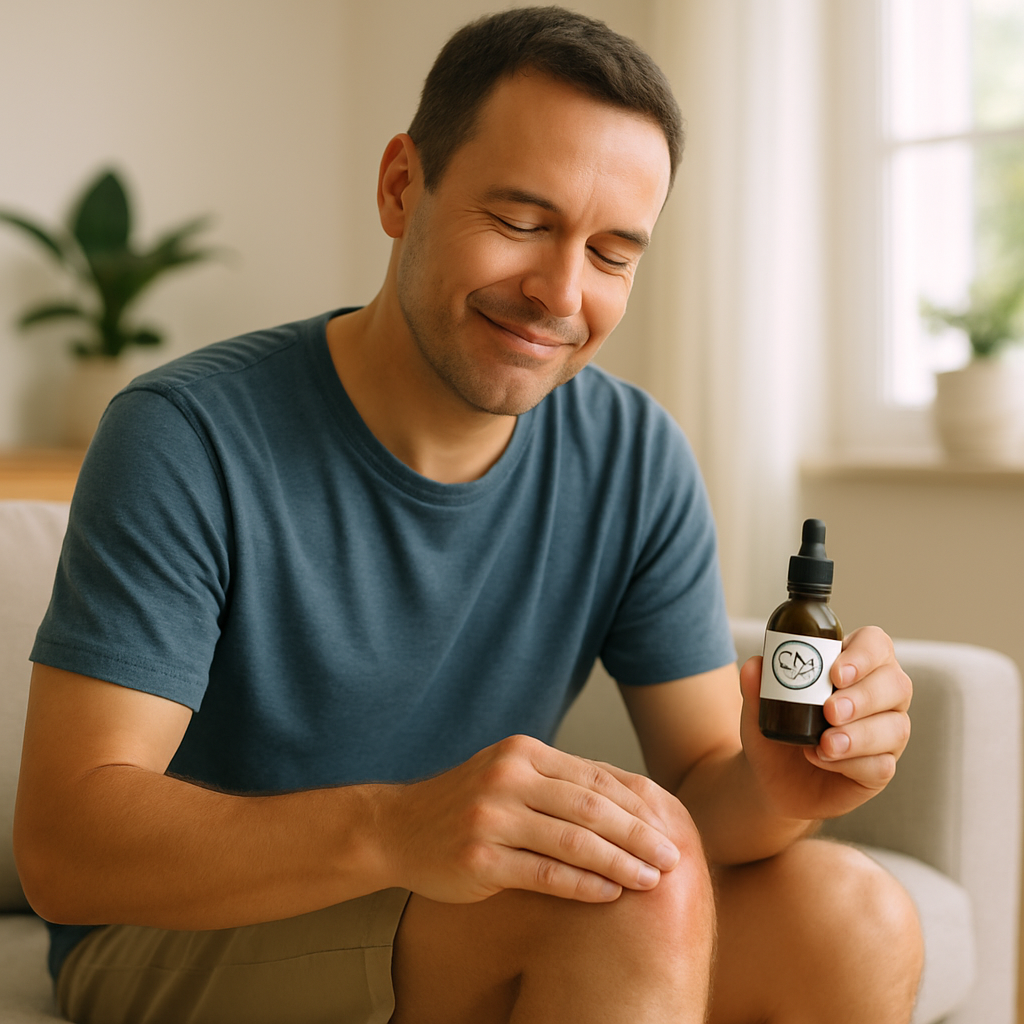
CBD Oil for Joint Pain and Inflammation: What the Science—and Real People—Are Saying
It was a Saturday afternoon, just after my usual pickleball match, when my friend Sharon limped over to the sidelines and sheepishly asked if I "knew anything about CBD oil for joint pain." She’d tried the usual NSAIDs, heat packs, even one of those copper knee sleeves from late-night TV. Nothing gave more than a few hours of relief. "But my neighbor swears by this CBD stuff," she said, pulling out a tiny amber bottle from her bag. Sound familiar?
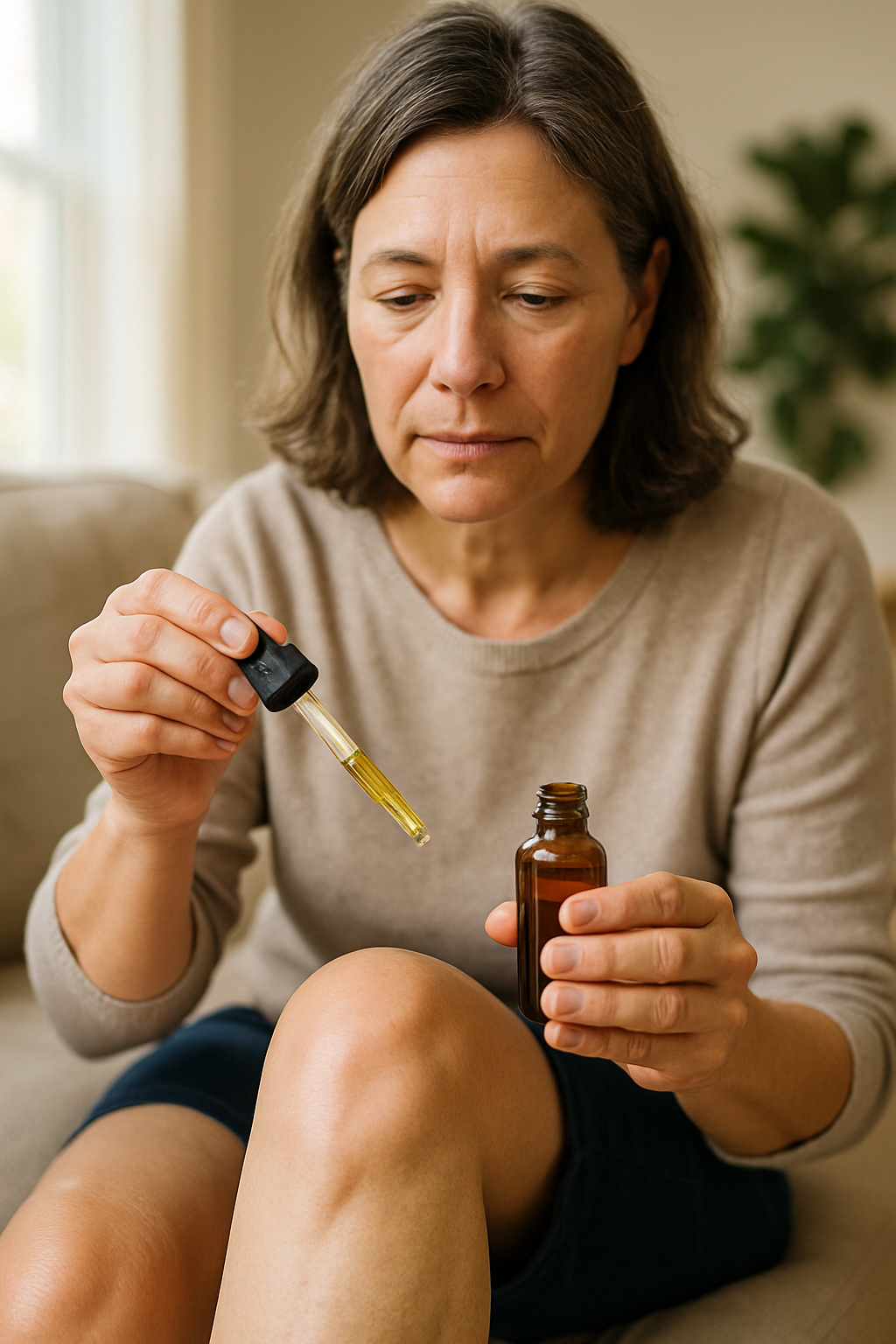
Why So Many Are Turning to CBD—And What’s Actually Happening in Your Joints
If you’re nodding along, you’re not alone. According to a 2022 survey published in Arthritis Care & Research, nearly 30% of U.S. adults living with arthritis reported trying CBD for symptom relief. That’s a huge jump from just a few years ago.
Here’s the thing: Joint pain is more than an inconvenience. It seeps into your mornings, makes you dread stairs, interrupts your golf swing, and—if you’re like my mother-in-law—can even keep you from sleeping through the night. The classic culprits: osteoarthritis, rheumatoid arthritis, old sports injuries, or just years of wear and tear. The common denominator? Inflammation, stiffness, and pain that don’t always respond to traditional treatments.
What Is CBD Oil, Really?
CBD (cannabidiol) is a naturally occurring compound found in hemp plants. Unlike its infamous cousin THC, CBD won’t get you high or make you fail a drug test (assuming it’s truly THC-free). Instead, it works on something called the endocannabinoid system—think of it as your body’s internal network for managing pain, inflammation, and even mood.
The oil itself is usually extracted from industrial hemp, then mixed with a carrier oil like MCT or hemp seed oil. You’ll find it bottled as a tincture, in capsules, gummies, topicals, you name it. But here’s where it gets interesting: Not all products are created equal. Potency, purity, and testing standards matter—a lot. I’ve seen patients waste good money on questionable brands, so if you’re going to try CBD, vet your source carefully. (More on that below.)
CBD and Inflammation: What the Science Shows
Let’s get nerdy for a minute. One of the first things medical students learn about chronic joint pain is that inflammation is the fire underneath it all. In mouse studies from as far back as 2015 (European Journal of Pain), CBD applied topically was shown to reduce both inflammation and pain behaviors—without the side effects you see with chronic use of ibuprofen or prescription pain meds.
Human research? It's newer, but promising. A 2020 pilot study in Current Pharmaceutical Biotechnology enrolled patients with osteoarthritis of the knee and gave them topical CBD. The result? Significant pain reduction after just two weeks compared to placebo. But—this is important—the effect was stronger for some participants than others. Why? Genetics, severity of arthritis, even how much CBD actually absorbed through the skin can all play a role.
And yes, oral CBD (the drops you put under your tongue) has been shown in small studies to reduce markers of inflammation—think C-reactive protein and TNF-alpha—but we still need larger, longer-term trials. I tell my patients: CBD isn’t a miracle, but for some, it’s a helpful tool in the toolbox. Just keep your doctor in the loop, especially if you’re already taking medications—CBD can interact with certain prescriptions, including blood thinners.
How Does CBD Oil Work for Joint Pain?
Here’s where it gets fascinating. CBD binds to receptors in your endocannabinoid system (ECS), specifically the CB2 receptors found in immune cells and throughout your joints. This interaction appears to dial down the inflammatory response, potentially leading to less swelling and less pain. It also seems to reduce signaling from nerves that transmit pain (nociceptors), giving your brain a break from the constant "ache" notifications.
But—and this surprised me when I first dug into the literature—CBD doesn’t work like Tylenol or ibuprofen. It’s not about numbing pain; it’s about recalibrating the inflammatory process itself. That’s a subtle but important distinction, especially for folks looking for long-term relief rather than a quick fix.
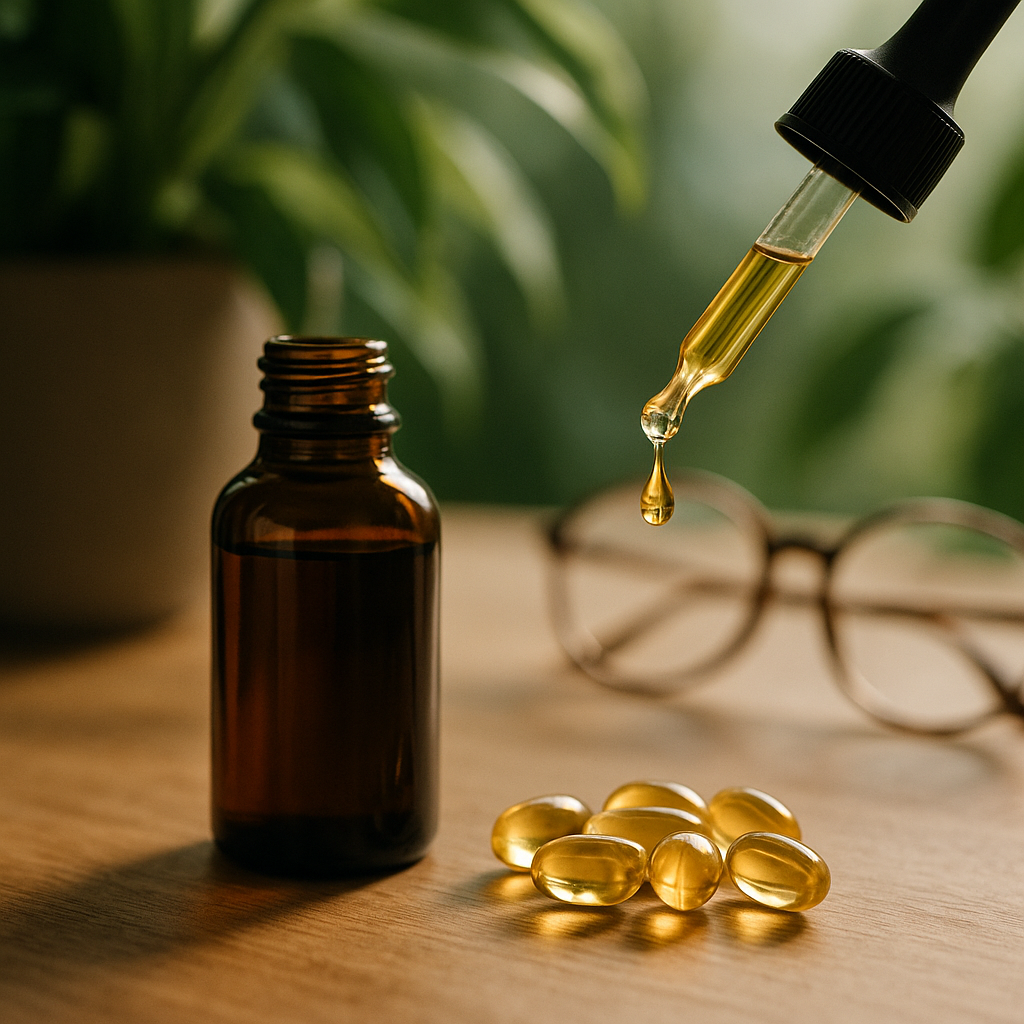
What Does It Feel Like to Use CBD Oil for Joint Pain?
I’ll be honest—everybody’s response to CBD is a little different. Some of my patients feel a noticeable decrease in joint stiffness within days, especially when using a high-quality, full-spectrum tincture (I’m talking 25-40mg per dose). Others take two weeks or more to notice any change. And a few, not gonna lie, don’t get much out of it at all. That’s the reality with natural therapies. But I’ve seen enough cases where knees, hips, and even arthritic fingers felt looser, less achy, and less "angry" after CBD.
One reader, Tony from Wisconsin, emailed me last month: "I thought it was snake oil, Doc. But after a week with a CBD topical twice a day, my hands actually bend in the morning." Is it placebo? Maybe. But with research backing up plausible anti-inflammatory mechanisms, I’m more open-minded than I used to be. My professional take: If your current routine isn’t cutting it, and your doctor’s on board, it’s worth a trial.
How to Choose the Right CBD Oil for Joint Pain
Look, there are hundreds of CBD brands out there, and it feels like every gas station and coffee shop has jumped on the bandwagon. But quality matters more here than almost any other supplement I’ve seen. Here’s my cheat sheet for finding a reputable CBD oil:
- Third-party lab testing: Look for brands that publish batch-specific tests proving THC is under 0.3% and confirming CBD potency.
- Full-spectrum vs. isolate: Full-spectrum products typically work better for joint pain due to the "entourage effect"—all the plant compounds working together. But if you’re concerned about even trace THC, broad-spectrum is a safe bet.
- Proper dosing: For joint pain, most of the best evidence starts at 15-40mg per dose, taken 1-2 times daily. Any product that skimps on dosage is unlikely to move the needle.
- Carrier oil and flavor: Some folks are sensitive to MCT oil, so watch for GI upset. Natural flavors are less likely to cause reactions.
One product that consistently gets high marks from my patients and reviewers is CBDistillery Full Spectrum CBD Oil. It’s third-party tested, has clear dosing instructions, and comes in several potencies. CBDistillery Full Spectrum CBD Oil delivers 33mg CBD per 1ml serving—right in the evidence-based sweet spot. (There are cheaper brands, but few back up their labels with reliable lab results.)
How to Use CBD for Joint Pain: Oils, Topicals, and More
So, should you take it orally, rub it on, or both? Here’s what I see in real-world practice:
- Oils/tinctures: Best for systemic inflammation, especially with multiple achy joints (think hands, shoulders, or both knees). Place drops under your tongue, hold for 30-60 seconds, then swallow. Effects can take 30-60 minutes and last 4-6 hours.
- Topicals (creams, balms, roll-ons): Ideal for targeting one or two "hot spots." Many patients notice relief within 15-30 minutes—especially if the formula includes menthol, arnica, or other soothing ingredients. I like the Charlotte's Web CBD Topical (unscented, fast-absorbing) for knees and hands. Don’t expect miracles, but for many, it’s a game-changer for nightly routines.
- Capsules/gummies: Handy for folks who can’t stand the taste of tinctures, but absorption may be slower and less predictable. Still, if you’re traveling or need a steady microdose, they’re worth considering.
One critical note: Always start low, go slow. I usually suggest 10-15mg the first few days, then titrate up every 3-5 days as needed—never exceeding the manufacturer’s recommendations unless approved by your healthcare provider.
Are There Side Effects or Risks?
Compared to NSAIDs and prescription painkillers, CBD is blessedly low on side effects. The most common? Mild drowsiness, dry mouth, and, occasionally, changes in appetite or GI upset. If you have liver issues or are taking medications that affect liver enzymes (like warfarin or certain antidepressants), check with your doctor before starting—CBD can alter how some drugs are metabolized. And, not all products are free from contaminants, so third-party testing is non-negotiable.
Oh, and if you’re shopping on Amazon, keep in mind that "CBD" products sold there are sometimes only hemp seed oil—which contains zero CBD. Always double-check the product label and certificates. Some reputable brands use direct-to-consumer sites for their true CBD lines.

How Does CBD Compare With Other Joint Pain Remedies?
This is the question I get asked most at my clinic, and for good reason. Traditional approaches—acetaminophen, ibuprofen, topical diclofenac (like Voltaren Arthritis Pain Gel), and supplements like glucosamine—offer varying degrees of relief. But here’s my (slightly controversial) take: Long-term NSAID use is a risky game for your gut, kidneys, and heart. That’s why I’m always hunting for safer adjuncts.
CBD isn’t a silver bullet, but for some people—especially those who can’t tolerate NSAIDs, or who want to reduce their dependence on prescription meds—it’s a viable option. In fact, a 2023 review in BMJ Open supports the use of cannabinoids for chronic pain, with reviewers noting "small-to-moderate improvements in pain scores." Not dramatic, but sometimes, a 20% reduction is all it takes to get through the day (or night) with less misery.
Maximizing Your Joint Relief: My Evidence-Based Tips
Here’s my go-to plan for patients experimenting with CBD oil for joint pain and inflammation:
- Pair with gentle exercise: Even low-impact movement—walking, swimming, simple yoga—can keep joints mobile and reduce inflammation. Try the classic "heel slide" or gentle quad sets if your knees are stiff.
- Use a heating pad: I’m a big fan of the Pure Enrichment PureRelief XL Heating Pad for soothing large achy joints at night. Moist heat penetrates deeper, and a relaxed muscle means less adjacent joint stress. (And at under $40, it’s far cheaper than most prescription co-pays.)
- Address sleep and stress: Chronic pain and poor sleep form a vicious cycle. Many patients report that nighttime CBD helps them nod off more easily—sometimes, resolving insomnia is the first domino to fall toward lower pain.
- Stay realistic: CBD is not a cure, but for many, it’s a meaningful part of a holistic pain management plan. Combine it with known therapies—physical therapy, anti-inflammatory nutrition, weight management—and you’ll stack the odds in your favor.
Final Thoughts: Is CBD Oil Worth Trying for Your Joints?
Look, I’m not here to convince anyone that CBD is a miracle cure. But after reviewing the research, talking to dozens of patients, and even testing a few products myself (for an old rugby shoulder that still flares up in the rain), I’m convinced it can make a difference for the right person. The key is to approach it like any new therapy: skeptical curiosity, good-quality products, and a willingness to track your results over several weeks.
If you’re struggling with joint pain and inflammation and haven’t found relief from standard treatments—especially if you want to avoid piling on more pills—CBD oil is worth a careful look. Talk to your doctor, start with a reputable brand, and always listen to your body. And if you discover a formula or dose that really works, shoot me an email. I love hearing real-world stories; sometimes, they’re better than any clinical trial.
Wishing you stronger, happier joints—one step at a time,
Dr. Michael Torres, DC
Chiropractor, Certified Nutrition Counselor, and (occasionally skeptical) advocate for smarter joint pain relief