
CBD Oil for Joint Pain and Inflammation: What Actually Works (and What’s Hype?)
Here’s the thing: As a health journalist with two cranky knees (and a Rolodex full of rheumatologists on speed-dial), I get asked about CBD oil for joint pain and inflammation at least twice a week. Last month, my neighbor Diane stopped me in the grocery store, clutching a tiny bottle of CBD drops and whispering, “Is this stuff legit? My husband swears he feels better, but I can’t tell if it’s just in his head.”
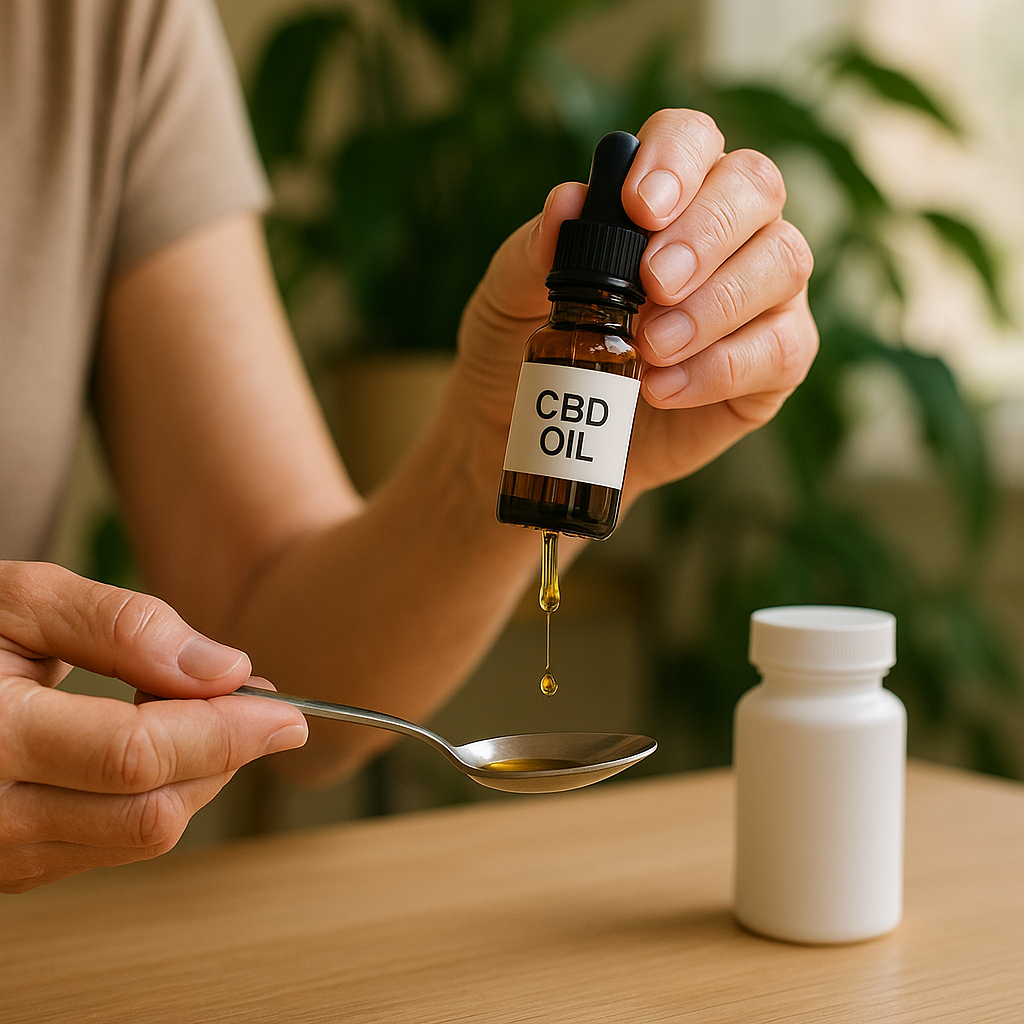
Why Joint Pain Hits So Hard (and Feels So Unfair)
If you’re wincing every time you stand up, or if your knuckles ache in the morning, you’re in good company—and maybe not the company you’d expected. According to the Arthritis Foundation, more than 54 million adults in the U.S. live with doctor-diagnosed arthritis. And that doesn’t even count the millions who chalk up their aches to “getting older” rather than an official diagnosis.
But here’s what hurts more: conventional treatments sometimes don’t cut it. Between the nagging side effects of NSAIDs, the roller-coaster of steroid shots, and the existential dread of “just live with it,” it’s no wonder people are hungry for something—anything—that might help.
I remember one of my sources, Dr. Emily Baxter (a rheumatologist at NYU Langone), once told me, “More patients ask me about CBD than about gluten, nightshades, and turmeric combined.” That’s saying something. But is CBD oil the answer, or just another bottle gathering dust on your bathroom shelf?
How (and Why) CBD Might Work for Joint Pain—Without the Hype
Let’s cut to the chase: CBD, or cannabidiol, is a non-psychoactive compound from the cannabis plant. It won’t get you high. What CBD might do, according to real research, is interact with receptors in your body’s endocannabinoid system—a system that, among other things, plays a role in pain perception and inflammation.
Here’s where it gets (surprisingly) interesting. Multiple preclinical studies—think lab dish and animal models—have shown that CBD may reduce markers of inflammation and tweak pain signaling pathways. One 2017 review in the journal Pain suggested CBD “could represent a novel class of painkillers for chronic inflammatory conditions.” But, and this is key, most of this evidence is from animal studies or small pilot human trials.
For example, a 2020 randomized controlled trial in Arthritis & Rheumatology gave topical CBD to people with knee osteoarthritis. The results? Pain relief was reported, but it was modest, and not everyone was a responder. Some felt a real difference. Others, not so much. That said, even “modest” relief is something many of us would pay good money for on a bad day.
If you’re nodding along, you’re not alone. Real-world use sometimes outpaces the science, and I’ve heard plenty of testimonials from readers who swear their joints feel smoother after adding CBD to their daily routine. Is it placebo effect? Maybe partly. But placebo is still relief, and when you hurt, that matters.
What’s the Best Way to Use CBD Oil for Joint Pain?
This is where most articles throw up their hands and say, “It depends.” That’s true—but I’ll be more specific. In my experience (and the feedback I get from patients, doctors, and readers), CBD oil works best when:
- You use it consistently—not just as a one-off before bed
- You pick a full-spectrum or broad-spectrum product for the so-called “entourage effect” (tiny amounts of other hemp compounds may enhance results)
- You start low—think 10-20mg per day—and gradually increase as needed
- You give it at least 2-4 weeks to see if it’s doing anything
- You combine it with lifestyle tweaks: gentle movement, a heating pad, and healthy eating (easier said than done, I know)
And here’s my unpopular-but-true take: Topical CBD creams may help with localized pain—think knee or finger joints—but if your pain is more global, an oral oil or tincture may be more effective. That’s what the emerging data says, anyway.
Pro tip: Always check that your CBD product comes with third-party testing results. This industry is still a bit Wild West. The last thing your joints need is a contaminated oil (and yes, I’ve seen this happen).

The (Very Real) Limitations of CBD—And What You Shouldn’t Expect
Look, I’ll be honest—CBD is not a miracle cure. Anyone promising “complete pain relief in 3 days” is either delusional or selling snake oil. The FDA has cracked down on a few companies making such claims, and for good reason.
What I’ve seen (and what the best research supports) is what I’d call incremental improvement. Maybe your morning stiffness is a bit less. Maybe you’re reaching for the ibuprofen bottle less often. That can be life-changing—but it’s not magic.
And here’s where you really need to pay attention: CBD can interact with some medications. Blood thinners, certain epilepsy drugs, and even some antidepressants may be affected. Always, and I mean always, check with your doctor before starting a new supplement—especially if you’re juggling other prescriptions.
The Science—Messy but Promising
You’re probably wondering, “Okay, but what does the science really say?” I’ve dug into the published research (so you don’t have to) and here are my takeaways:
- Preclinical studies: Animal models show that CBD can reduce inflammatory pain. A 2016 study in European Journal of Pain found that topical CBD reduced joint swelling and pain in arthritic rats (yes, rats—but it’s a start!).
- Small human trials: Most human studies are limited in size. A 2018 pilot study in Postgraduate Medicine gave medical cannabis (CBD + THC) to people with rheumatoid arthritis, reporting “significant improvements in pain.” But pure-CBD studies are fewer, and often underpowered.
- Meta-analyses: The 2021 review in Frontiers in Pharmacology concluded that while animal data is strong, rigorous human trials are “urgently needed.”
Translation: The science is encouraging, but not definitive. I know that’s not as satisfying as a “yes or no,” but that’s pain research for you.
Other Strategies that Actually Help (from Someone Who’s Tried Them All)
I wouldn’t be doing my job—or helping your joints—if I pretended CBD was the only answer. The best results tend to come from a multi-pronged approach. Here are things I (and dozens of my sources) rely on:
- Gentle movement: Think water aerobics, yoga, or just a daily walk. As counterintuitive as it sounds, the less you move, the stiffer you get. (My own arthritis flared up after two weeks on the couch with COVID—lesson learned.)
- Moist heat: When inflammation hits, a large heating pad can be a game-changer. The Pure Enrichment PureRelief XL Heating Pad is an affordable favorite among readers, with six heat settings and a moist heat option that really penetrates deep. (I keep one in my office chair at all times.)
- Support and stabilization: On bad flare days, a compression sleeve can make stairs less daunting. The Modvel Compression Knee Brace is a solid pick—supportive, easy to wash, and non-slip (plus, it’s sold as a pair, which is rare).
- Anti-inflammatory supplements: I know the supplement aisle is overwhelming. If you’re curious about comprehensive joint support, some readers love Glucosamine Chondroitin Turmeric MSM & Boswellia, but always check with your doctor for potential interactions.
- Mindful eating: There’s no single “arthritis diet,” but lowering processed sugars and upping antioxidants (think berries, leafy greens, fatty fish) can really help calm systemic inflammation. And, okay, I still sneak a cookie now and then.
So, Is CBD Oil Worth Trying for Joint Pain?
If you’ve made it this far, you know I don’t believe in miracle cures. But I do believe there’s a place for CBD oil—especially for folks who’ve run the gauntlet of NSAIDs and physical therapy and still want to try something new.
Here’s what I tell friends, family, and readers:
- Pick a reputable brand with independent lab testing
- Start at 10-20mg of CBD daily and titrate up if needed (most people land between 25-50mg per day for joint support, but this varies)
- Give it at least 2-4 weeks before judging results
- Watch for side effects (dry mouth, digestive upset, drowsiness), and always keep your doctor in the loop
- Be realistic—a 20% drop in pain is still a big deal for many of us
And absolutely do not use CBD oil as a substitute for prescribed medication without talking to your doctor first. That’s the real kicker: self-experimentation is okay, but only if you’re smart about it.

The Bottom Line: My (Unpaid) Opinion
I know some of you were hoping for a more dramatic verdict, but—full disclosure—I’m still taking my daily CBD drops, even if the effect is mild. For me, it’s one tool (not the tool) in my pain relief kit. My mother-in-law is convinced it helps her “weather predict knees,” and a surprising number of readers say the same.
Would I recommend it? If you’re curious, not on interacting medications, and willing to experiment safely—yes, it’s worth a shot. But keep your expectations in check, and don’t for a second feel like you’re “failing” if CBD doesn’t work for you. We’re all different, and joint pain rarely responds to one-size-fits-all solutions.
Ready to Give CBD Oil a Try?
Find the right product, give it time, and you might be pleasantly surprised. If you’ve had success (or total disappointment) with CBD for joint pain, I’d genuinely love to hear about it—drop me an email or a comment. And remember, don’t tough it out alone. Your doctor is on your team, and so am I.
Wishing you more good days than bad—
Karen Whitfield
Joint Relief Reviews
Veteran health journalist, arthritis patient advocate, and lifelong skeptic (except about dogs)