CBD Oil for Joint Pain and Inflammation: What Actually Works? (A Chiropractor’s Perspective)
Years ago, if you’d told me I’d be fielding questions about cannabis extracts in my clinic, I probably would’ve laughed. But here we are—last week, one of my long-term clients, a retired schoolteacher named Ruth, brought me a bottle of CBD oil and asked, “Doc, does this stuff really work for my knees?”

Why So Many People Are Turning to CBD Oil
If you’re grappling with stiff, painful joints—maybe from arthritis, old injuries, or just life—chances are you’ve seen CBD everywhere: drugstore shelves, your neighbor’s purse, late-night TV commercials. The numbers back this up. According to a 2022 Harris Poll, nearly 40% of Americans over 50 have tried CBD for pain relief. Not gonna lie, the hype is massive.
But the big question—does it actually do anything for joint pain and inflammation, or is this just another health fad destined for the clearance bin? And look, I get it: when you’re icing your knees every night just to fall asleep, you’ll try nearly anything that promises relief. I’ve been there myself after my herniated disc saga in my late 30s.
What Even Is CBD Oil?
Quick primer: CBD (short for cannabidiol) is a natural compound found in hemp, a cousin of the marijuana plant. Unlike its famous relative THC, CBD doesn’t get you high. Instead, it interacts with your body’s endocannabinoid system—a network of receptors that help regulate pain, mood, and inflammation. (I know, science class flashbacks. Stay with me.)
Most CBD oil comes as a tincture—just drops under your tongue—or infused in creams, balms, or capsules. Dosages typically range from 10mg to 50mg per serving, though I’ve seen folks push that much higher. That’s part of the problem: dosing is still more art than science.
Here’s the Thing: What the Research Actually Says
I’m a stickler for data—and while I’ll try any safe therapy in my clinical toolkit, I want to see the receipts. So, does CBD oil truly help with joint pain and inflammation?
The short answer: maybe. But the devil’s in the details.
Animal Studies: Promising Signs
Animal research tends to be ahead of human clinical trials with CBD (for all the obvious regulatory reasons). For example, a much-cited 2016 study in European Journal of Pain found that topical CBD significantly reduced joint swelling and pain behaviors in rats with arthritis. That’s huge—if you’re a rat.
But translating that to humans? Trickier business. Human biology is messier, and what works for lab rodents often fizzles out in the real world.
Human Trials: Still Early, But Interesting
Look, we’re not seeing massive, definitive trials yet—most are small or pilot studies. That said, here’s some intriguing evidence:
- Arthritis Pain: A 2020 review in Cureus journal examined multiple studies and concluded CBD appears to have moderate potential for arthritis-related pain, though long-term effects are still unknown.
- Inflammation: Research in Frontiers in Pharmacology (2020) showed CBD can decrease inflammatory markers in both animals and humans, possibly by interacting with TRPV1 and CB2 receptors—both known to modulate inflammation.
- Other Chronic Pain: A 2018 article in Pain journal described a double-blind trial where CBD improved pain and sleep in patients with chronic pain conditions, though the average daily dose was relatively high (50-100mg CBD).
So, is CBD a miracle cure for joint pain? Not quite. But the data is encouraging—certainly enough that, as a clinician, I keep an open mind. Especially when standard NSAIDs and opioids come with their own parade of side effects and risks.
How Does CBD Tackle Joint Pain and Inflammation?
This is where it gets interesting. The endocannabinoid system (ECS) plays a crucial role in modulating pain perception and immune response. When you take CBD, it may:
- Reduce overactive pain signals in the nervous system
- Lower pro-inflammatory cytokines (the chemical messengers that trigger swelling)
- Possibly protect cartilage cells from oxidative stress (as shown in some Journal of Experimental Medicine studies)
I’ve seen some patients swear by topical CBD balms for osteoarthritis in their hands—one gentleman in my Friday clinic, George, tells me his grip improved after a few weeks. Do I think it’s placebo? Maybe partly. But the science supports a real anti-inflammatory effect as well.
What About Safety? Here’s My Take
Most studies (and my own experience) suggest CBD is remarkably safe—at least for short-term use. Mild drowsiness, dry mouth, and stomach upset are the usual complaints. But—and here’s the kicker—CBD can interact with certain medications, especially blood thinners and some anti-epileptics. Always, always talk to your doctor before adding CBD to your routine, especially if you’re juggling multiple prescriptions.
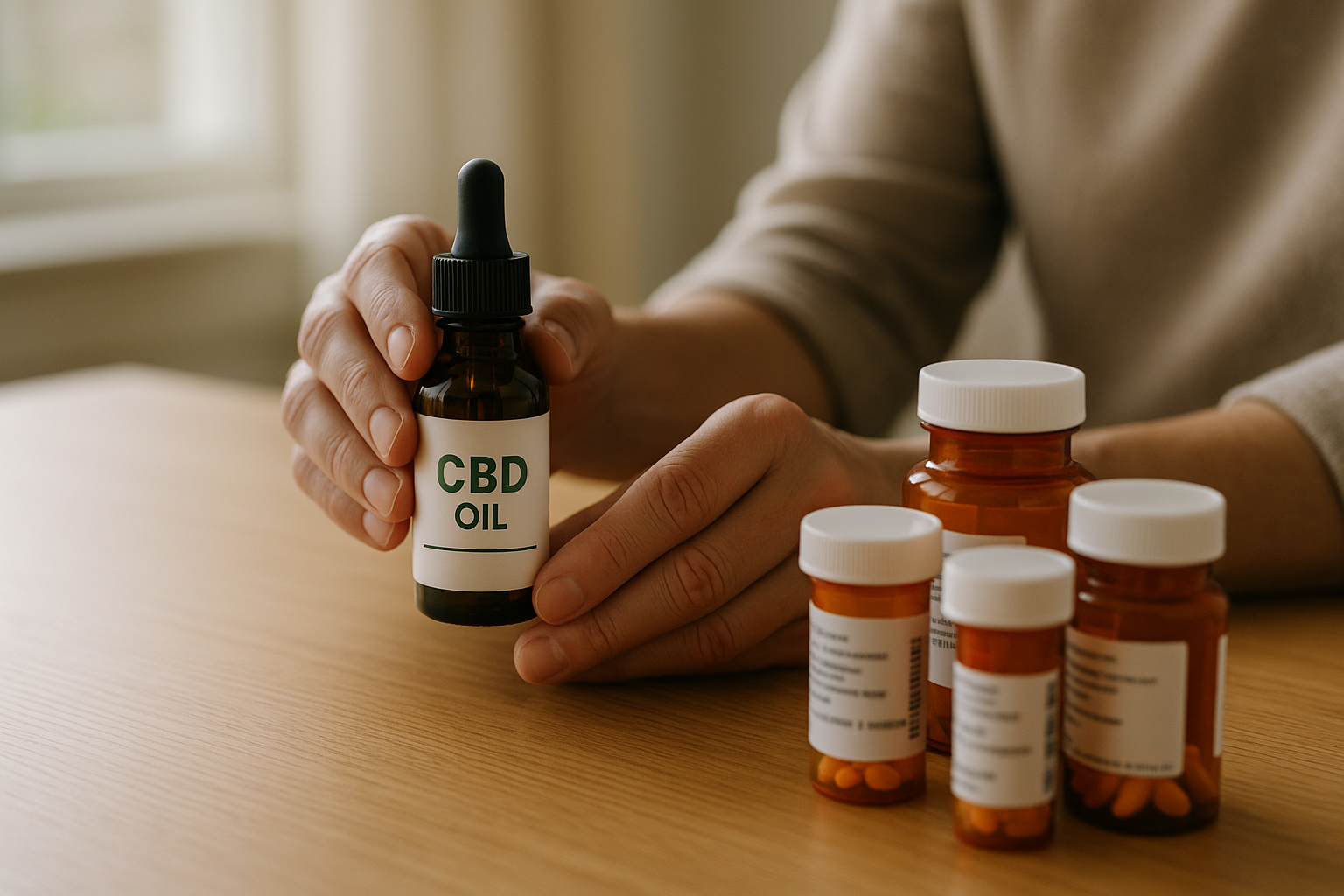
One thing I wish every patient knew: not all CBD is created equal. The FDA doesn’t regulate supplements as tightly as pharmaceuticals. That means quality—and actual CBD content—varies wildly.
Finding the Right CBD Oil: What to Look For
Shopping for CBD can feel like the Wild West. Here’s what I share with my own family and patients:
- Third-Party Lab Testing: If it doesn’t have a readily available Certificate of Analysis, walk away. You want proof the bottle contains what the label claims (and nothing sketchy).
- Full-Spectrum vs Isolate: Full-spectrum CBD contains other natural cannabinoids and terpenes, which may enhance effects via the “entourage effect.” But if you’re drug-tested for work, stick with isolate or broad-spectrum (THC-free).
- Transparent Sourcing: Look for brands using organic, U.S.-grown hemp and clear extraction methods (CO2 is the industry gold standard).
- Reasonable Dosage: Most studies use 20-50mg per day—if a product promises the moon with “micro” 2mg doses, be skeptical.
And yes, price matters…to a point. I’ve seen $30 bottles outperform fancy $120 versions. My general advice: pay for quality, not hype.
The Real World: How Patients Actually Use CBD for Joint Pain
Look, not everyone wants to pop another pill. Many of my patients use CBD oil as a dropper under the tongue (sublingual), which seems to kick in within 30-45 minutes. Others swear by topical creams or balms—especially for smaller joints like fingers or wrists, where the product can soak in directly.
One woman in my Wednesday exercise class dabs CBD balm on her arthritic thumb before gardening. Says it’s a “game-changer.” Another patient, a marathoner with cranky knees, prefers capsules so he can measure his dose precisely. There’s no one-size-fits-all; it’s about what feels right for your routine and pain patterns.
CBD vs. Traditional Remedies: How Does It Stack Up?
Here’s where it gets controversial. Is CBD really better than, say, ibuprofen or a heating pad?
- NSAIDs: Still the gold standard for acute inflammation, but long-term use wrecks your gut and may affect your heart (see the 2023 BMJ review on NSAID risks).
- Topical Pain Gels: Voltaren and others work well for some folks, especially for localized joint pain. But not everyone tolerates diclofenac or finds it effective for deep joint issues.
- Physical Therapy & Movement: Honestly? Still unbeatable for long-term mobility and pain reduction. But as every PT knows, pain relief can kickstart the process when movement hurts.
My honest take? CBD can be a valuable adjunct—never a total replacement—for evidence-based treatments. It’s not magic, but it can help take the edge off, especially when combined with exercise, anti-inflammatory diets, and smart lifestyle tweaks.
Stacking Strategies: How I Recommend Using CBD (If At All)
If you’re nodding along and ready to try CBD, don’t toss out what’s already working. Instead, try layering approaches:
- Continue your joint-friendly exercise routine—even gentle stretching or low-impact cardio makes a difference.
- Eat more anti-inflammatory foods (I’m looking at you, salmon, walnuts, turmeric lattes).
- Use a heating pad or cold pack when pain flares (the Pure Enrichment PureRelief XL Heating Pad is a patient favorite, thanks to the extra-large size).
- Add CBD oil in a reasonable dose (start low—say, 10-20mg per day—then increase slowly if needed).
- If you want to target joint support from another angle, consider supplements with proven ingredients like glucosamine and turmeric. My personal pick: Vimerson Health’s Glucosamine Chondroitin Turmeric MSM & Boswellia—the formula covers several mechanisms at once.
One more tip: track your symptoms in a simple notebook, at least for the first month. I’ve found patients often forget how bad their pain was “before” a new therapy, which can skew perceptions.
Myth-Busting: Common Questions I Hear Every Week
- Will CBD get me high or make me fail a drug test? Pure CBD won’t, but full-spectrum products may contain trace THC. If your job tests, choose broad-spectrum or isolate forms.
- How fast does CBD work for joint pain? Sublingual oils can kick in within 45 minutes; topicals within 15-30. For chronic inflammation, give it at least 2-4 weeks of consistent use.
- Is it legal? Federally, yes—CBD from hemp with less than 0.3% THC is legal nationwide, though some states have quirks. Always check local laws.
- Can I use CBD with my prescription meds? Sometimes, but always ask your prescriber. There are interactions. No exceptions.
And—if you’re not seeing any relief after a few weeks, don’t be afraid to try a new brand or delivery method. Quality and absorption can vary widely.
What I Tell My Own Family
Here’s the honest truth: I don’t consider CBD oil a panacea. But I’ve seen enough positive outcomes—and enough safety data—to recommend it as part of a larger joint pain strategy. My mother-in-law was deeply skeptical but now keeps a CBD balm on her nightstand for her hands. (She bakes a lot.)
Real-world results often depend on expectations, consistency, and—frankly—finding a brand that puts quality first. If you’re struggling with chronic joint soreness, and you’ve cleared it with your doctor, there’s very little downside to giving a carefully vetted CBD oil a 4-week shot. For many, it’s worth the experiment.

Takeaways: Is CBD Oil Worth Trying for Joint Pain?
If you’ve made it this far, you know I’m not about quick fixes or miracle cures. But here’s my bottom line:
- CBD oil shows promise for joint pain and inflammation, especially as part of a comprehensive plan.
- The science is encouraging, but not conclusive—be patient and realistic.
- Quality, dosage, and delivery method all matter. Don’t fall for overhyped marketing.
- Talk to your doctor before adding CBD—especially if you’re on prescription meds.
- Combine CBD with proven strategies: movement, anti-inflammatory diet, and targeted supplements.
Got a question I didn’t cover? Email me. I read every note. And if you do try CBD, let me know how it goes—good, bad, or in-between. Sometimes the most valuable research comes from real people living real lives, outside of sterile clinical trials.
Here’s to finding what works—one experiment at a time.
About Dr. Michael Torres, DC
Dr. Michael Torres is a licensed chiropractor and certified nutrition counselor with a passion for evidence-based natural pain management. He’s written for JointReliefReviews.com for over 10 years and still sees patients in his Southern California practice. Ask him anything—he’s probably tried it himself.