
CBD Oil for Joint Pain and Inflammation: What Actually Works?
Three years ago, one of my longtime patients (let’s call her Linda) came into my clinic clutching a tiny bottle. She had that ‘I went down the rabbit hole on the internet last night’ look. “Doc, what’s the real deal with CBD oil for my knees?” she asked. I knew exactly why she was asking. Linda had tried everything: NSAIDs, heat, glucosamine, even acupuncture. The morning stiffness and those sharp twinges on the stairs just wouldn’t quit.
Sound familiar?

Why So Many Are Turning to CBD for Joint Relief
Here’s the thing: chronic joint pain (especially from osteoarthritis or old sports injuries) can chip away at your daily life. Simple pleasures—walking with the dog, gardening, getting through a grocery store—turn into endurance tests. I get emails every month from folks desperate to avoid prescription meds or surgery. And honestly, I hear you. The hunger for something gentler, but still effective, is real.
But does CBD oil for joint pain and inflammation stand up to the hype? Or is it just the latest expensive placebo? That’s what I set out to answer—not just for Linda, but the hundreds of patients since who've asked the same question.
What Even *Is* CBD Oil?
If you’re a little fuzzy on the details, you’re not alone. Cannabidiol (CBD) is one of 100+ compounds found in Cannabis sativa (yep, that cannabis). But unlike THC, CBD won’t make you high, paranoid, or stuck to the couch. The oil is typically extracted from hemp, diluted with a carrier like MCT oil, and then bottled up for tinctures, capsules, even creams.
Where things get interesting: your body actually makes its own “endo-cannabinoids” that help regulate pain, mood, and inflammation. CBD doesn’t plug straight into classic pain receptors like NSAIDs. Instead, it gently nudges your endocannabinoid system (ECS)—think of it as your body’s master balancing act for discomfort, stress, and immune response. The ECS is why researchers are so curious about CBD’s possibilities for chronic pain conditions.
The Science: Separating Hype from Hope
I’ll be honest—when patients first asked about CBD five or six years ago, I was skeptical. There was a lot of “wellness” marketing, but not a ton of hard data. That’s changing, if a little slowly. Let’s look under the hood.
- Animal studies have shown CBD can reduce inflammation and pain signaling. (Source: European Journal of Pain, 2017 — rats with arthritis given topical CBD had less swelling and movement pain.)
- Human studies? Here’s where it’s less clear. The gold-standard, double-blind trials are limited so far. But in a 2020 Arthritis & Rheumatology review, researchers found “early evidence” that CBD may reduce self-reported pain and improve sleep in osteoarthritis patients.
- In 2022, a survey published in the Journal of Cannabis Research found that among 428 arthritis patients using CBD, 83% reported improved pain, 66% better physical function, and 66% improved sleep. But—this was self-reported, not a clinical trial.
- On the inflammation front: A 2018 review in Frontiers in Immunology noted CBD's anti-inflammatory effects in various models, but emphasized the need for more large-scale human studies.
So, is CBD a miracle cure? No. Is it snake oil? Also no. Here’s my stance: CBD is promising as part of a joint pain and inflammation toolkit, especially for folks who want fewer side effects or a plant-based approach. But it’s not a magic bullet—and the product (and dose) you choose matters. A lot.
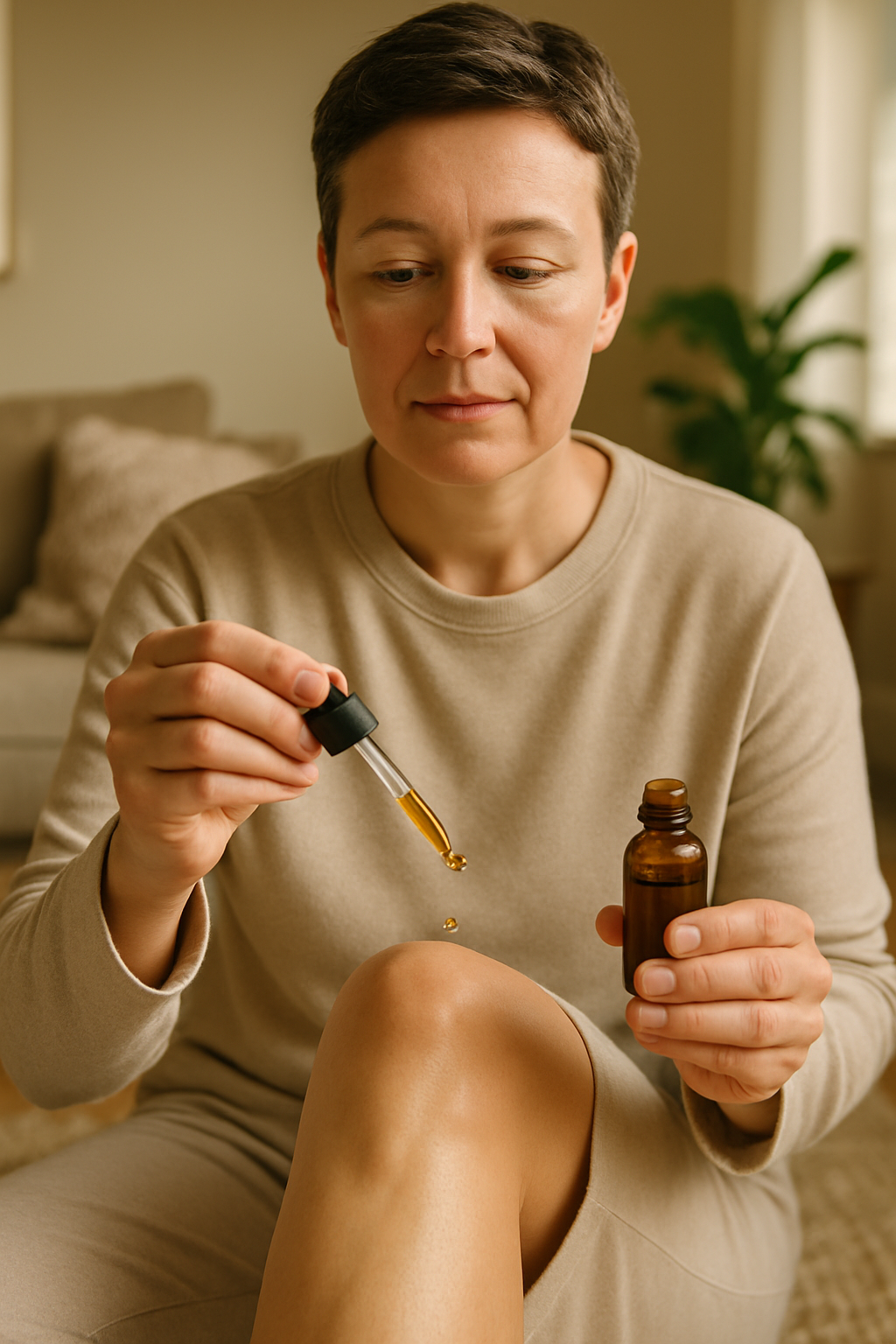
CBD Oil: What to Look For (And What to Avoid)
This is where I see most people stumble—because, frankly, the CBD market is a mess. Here’s what I tell my own family (and patients):
- Full-spectrum vs. isolate: Full-spectrum CBD oil contains all the hemp plant’s minor cannabinoids and terpenes. A little THC (under 0.3%) is legal, and there’s a “entourage effect” theory that the blend works better. If you’re drug tested or super sensitive, stick to broad-spectrum or isolate.
- Third-party testing: The real kicker—most CBD brands don’t actually contain what’s on the label. Look for a current Certificate of Analysis (COA) from an independent lab, checking both potency and absence of pesticides/heavy metals.
- Dosing: Most studies use 20-50mg daily for joint pain, but some need more. Start low, go slow. For example, one patient found her sweet spot at just 15mg twice a day, another needed 40mg. (Talk to your doctor, especially if you’re on blood thinners or other meds—CBD can interact.)
- Avoid the junk: Skip gas station-tinctures, random vape shop bottles, and anything without test results. Don’t be fooled by “hemp oil” with no actual CBD content.
And the elephant in the room—price. Good CBD isn’t cheap, but you shouldn’t need a second mortgage for relief. Expect to pay $30-60 per month for a quality tincture.
How Do Most People Use CBD for Joint Pain?
The two main approaches: oral (sublingual drops or capsules), and topical (rubbed directly on the joint). The science is slightly better for oral, but I’ve heard from dozens of folks who swear by a combo—drops for general relief, cream for stubborn flare-ups.
For example, after reviewing patient diaries, I noticed some reported better sleep and “whole body” comfort with oral CBD. But when they had a localized flare (think: left knee after too much hiking), a good topical seemed to help right where it hurt most.
How CBD Compares to Other Joint Relief Options
This is where things get a bit spicy—because, as a chiropractor, I see what works in the real world. NSAIDs (like ibuprofen) are cheap and fast, but long-term use can wreck your gut, liver, and blood pressure. Opioids? Not worth the risk for most.
Supplements like glucosamine/chondroitin? The data is mixed, but some do get relief with 1,500mg glucosamine sulfate (see the BMJ, 2017 meta-analysis). Physical therapy and movement are non-negotiable in my book—nothing beats strengthening and flexibility work for long-term joint health.
The beauty of CBD oil: minimal side effects (most common is mild drowsiness or digestive upset), no known risk for dependence, and—unlike NSAIDs—doesn’t seem to damage cartilage with regular use. But, and this matters: if you expect instant results, you’ll probably be disappointed. For most, it’s about dialing down the background pain, making other healthy habits (like exercise) more doable.
The Best Ways to Maximize Relief (with, or without, CBD)
Okay, here’s where the real magic happens—combining smart lifestyle tweaks with targeted support. In my practice, here’s what’s helped most patients:
- Keep moving. Gentle mobility (think: walking, swimming, yoga) is your best anti-inflammatory. If you’re not sure where to start, Treat Your Own Knees by Jim Johnson is the plain-English guide I recommend—research-backed and actually doable at home.
- Use heat for stiffness. A good heating pad relaxes muscles and boosts joint fluid. After comparing half a dozen, my pick is the Pure Enrichment PureRelief XL Heating Pad—the moist heat option is a game-changer for deep relief on stubborn mornings.
- Target inflammation in the kitchen. Omega-3s (from wild salmon, walnuts, or a supplement), turmeric, and a rainbow of veggies can take the edge off chronic inflammation. I know, easier said than done—start small, like switching up one meal a day.
- Stay skeptical of quick fixes. If a CBD company promises overnight relief, run for the hills.
Combining these basics with a quality CBD oil or topical? That’s where I’ve seen the most sustained improvement, especially for folks in the “nothing else works” camp.
What Real Users Say: The Good, the Bad, the Meh
Look, testimonials aren’t science. But after a few years, you start to see patterns. Here’s what stands out from my own patients and reader emails:
- Most people don’t get knocked-out pain relief. But a steady, subtle reduction in background ache? That’s the common thread.
- Some experience better sleep, which—if you’re up tossing and turning from pain—feels like a miracle.
- A minority report no benefit at all. (Common reason? Too low a dose, or poor-quality oil.)
- Side effects are rare, though a handful mention mild digestive upset or dry mouth.
- I had one patient who felt “weirdly jittery” on full-spectrum CBD. She did much better with a pure isolate product.
One of my favorite emails came from a reader who said, “CBD hasn’t cured my arthritis, but it gave me my morning walks back.” Real talk—sometimes, that’s the win that matters.

Final Takeaways: Is CBD Oil Worth It for Joint Pain?
Here’s my bottom line, as someone who’s seen dozens of these “miracle cures” come and go: CBD oil for joint pain and inflammation is no cure-all, but it’s legit for many. If you’ve tried the classics (exercise, diet, heat, OTC meds) and still wrestle with pain, adding a verified CBD oil (after talking to your doctor, please) may nudge you toward more good days.
Look for third-party testing, start slow, and don’t expect magic. And if you’re frustrated, remember—you’re not alone, and you deserve to feel better. Don’t be afraid to tinker and advocate for yourself.
Now, over to you—have you tried CBD for your joints? Was it helpful, or just another bottle on the shelf? I’d love to hear your story. And if you’re looking for a gentle, research-backed exercise plan, or want my take on the best heating pads and joint supplements, check the links above. Here’s to more comfortable, active days—one careful step at a time.
Dr. Michael Torres, DC, is a licensed chiropractor and nutrition counselor. He’s obsessed with helping readers find real, lasting relief from joint and muscle pain, and believes every person deserves more good days. This article is for educational purposes only—always consult with your healthcare provider before starting any new supplement or therapy.