
Can CBD Oil Really Help Joint Pain and Inflammation? Here’s My Take
I’ll never forget the first time someone asked me about CBD oil for arthritis. It was a reader named Linda, back in 2018—a time when CBD was just hitting the mainstream. "Karen," she wrote, "My knees are throbbing and someone at my yoga class swears by CBD drops. Is it safe? Does it work?"
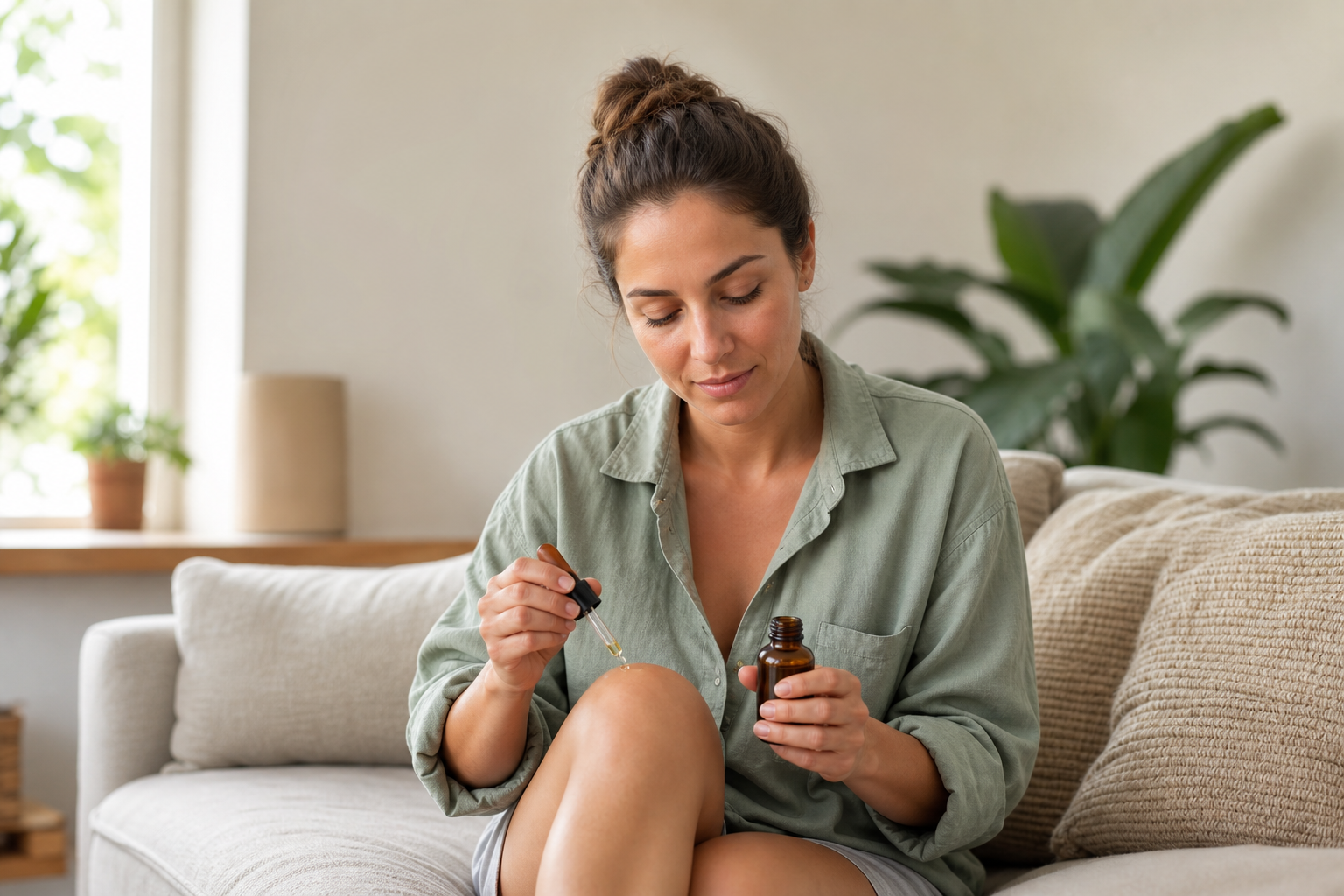
Here’s the thing: if you’re reading this, you’ve probably seen the hype. CBD gummies at the grocery store. Instagram influencers touting magical relief. Doctors quietly...skeptical. So where does the truth actually land? I’ve spent most of the last decade knee-deep (pardon the pun) in arthritis research, talking to rheumatologists, and—yes—testing more joint treatments than I care to count. CBD oil is one topic I keep circling back to because readers won’t let it drop (and honestly, neither will my own cranky hip).
The Agony of Joint Pain: Why People Turn to CBD
If you wake up stiff or end your day wincing, you’re definitely not alone. According to the Arthritis Foundation, over 54 million adults in the U.S. are living with some form of doctor-diagnosed arthritis. And that number’s only going up. But pain isn’t just about the numbers—it's about missed walks with your dog, saying “no” to pickleball, or dreading the stairs at bedtime.
Inflammation is the real villain here. It’s what causes the swelling, warmth, and deep ache you feel in your joints. I’ve heard every mainstream solution: NSAIDs, hot/cold packs, physical therapy (which, for the record, I still swear by). But not everyone finds relief—or tolerates the side effects. That’s why CBD, with its “natural” promise and relatively few horror stories, has become so intriguing. I get it.
CBD Oil: What Is It, Really?
Let’s clear up the basics. CBD stands for cannabidiol, one of over 100 cannabinoids found in the cannabis plant. No, it doesn’t get you high. That’s THC’s department. Most of the CBD sold in the U.S. comes from hemp—legally defined as cannabis with less than 0.3% THC.
CBD oil is extracted from the plant and typically diluted with a carrier oil (like MCT oil or hemp seed oil). You’ll find it in tinctures, capsules, topical creams, and yes, even in bath bombs these days. The real question: can it actually help your joints?
How CBD Might Work for Pain & Inflammation
This is where things get interesting. The science isn’t settled, but here’s what we do know: your body has something called the endocannabinoid system (ECS). It helps regulate things like pain, mood, and immune response. CBD seems to interact with this system—specifically with CB2 receptors, which are linked to inflammation and immune health (Journal of Experimental Medicine, 2012).
A handful of animal studies (and a smattering of small human ones) suggest CBD can reduce joint swelling, slow immune overreactions, and dull pain signals. For instance, a 2017 study in Pain found that CBD applied directly to the skin reduced joint inflammation and spontaneous pain behaviors in rats with osteoarthritis. But—and this is a big but—translating animal research to humans is always tricky.
Human trials are still thin on the ground, but I’ve seen a few promising ones. One pilot study published in Current Medical Research and Opinion (2020) followed 29 people with peripheral neuropathy. Topical CBD oil significantly reduced their pain scores compared to placebo. Not arthritis, but still joint-adjacent.
What Does the Research Say for Arthritis?
If you want the straightforward answer: Clinical studies on CBD for arthritis pain are still small, mixed, and sometimes frustratingly vague. Most are pilot studies, or they mix CBD with THC (which gives different results entirely). Here are a few notable findings:
- 2018 Cochrane Review (Cochrane Database Syst Rev): Looked at cannabis-based medicines in chronic pain, including CBD. Result: "Low-quality evidence for slight improvements in chronic pain." Not exactly a home run.
- 2022 review in Frontiers in Pharmacology: Noted that CBD has anti-inflammatory and immunomodulatory effects—at least in lab and animal models. Human evidence? “Preliminary.”
- Arthritis Foundation Survey (2019): This isn’t a trial, but over 2,600 arthritis patients were polled. 79% had tried or considered CBD; among users, 29% reported it helped their pain, 25% for stiffness, and 22% for physical function.
Is that enough to make me a believer? I’ll be honest—I'm cautiously optimistic, but not ready to throw out my turmeric capsules or heating pad just yet.
CBD Oil: How Do People Actually Use It?
There’s no "one size fits all" answer here. Some people take CBD oil sublingually (under the tongue), others use capsules, and a growing number rub it directly into sore areas. For joint pain, topical CBD creams and oils are especially popular—anecdotally, they seem to offer quick, targeted relief (though that might be partly the massage action, let’s be real).
Typical dosages are all over the map. Most oral CBD oils sell bottles marked anywhere from 10mg to 50mg per serving. Some studies go much higher—up to 300mg or even 600mg per day—but that’s more than most people need or can afford. When I tried it for my own knee (post-running injury), I started with 20mg per day and worked up to 40mg. Did it help? Mildly. But my response isn’t everyone’s. (I have a stubborn immune system, ask my allergist!)

Is CBD Oil Safe?
Here’s where I always pause. Generally, CBD is pretty well-tolerated. Most people don’t experience major issues. Some report dry mouth, mild dizziness, or a bit of stomach upset. Drowsiness can happen, especially at higher doses. But—and this is important—CBD can interact with other medications, especially blood thinners and certain anti-seizure drugs. (If you’re nodding along and have a medication list as long as a CVS receipt, talk to your doctor before even thinking about CBD.)
Quality is another can of worms. The FDA doesn’t regulate CBD supplements the way it does prescription meds. I’ve seen lab tests showing some over-the-counter oils contain way less (or more!) CBD than advertised. Always look for third-party testing, and steer clear of anything that promises a “miracle cure.”
CBD Oil Compared to Other Joint Relief Options
I get this question a lot: How does CBD stack up against things like NSAIDs, turmeric, or glucosamine-chondroitin? Let’s be real: nothing works for everyone. Here’s my (slightly controversial) perspective, after years of reviewing products and chasing down rabbit holes:
- Topical NSAIDs (like diclofenac in Voltaren Arthritis Pain Gel): Backed by years of solid trials, especially for osteoarthritis in hands, knees, and wrists. If you want a topical that’s FDA-approved and clinically proven, this is my first suggestion to readers. I keep a tube in my desk drawer for desk-work aches.
- Supplements (glucosamine, turmeric, MSM, boswellia): Some people swear by them. The research is mixed, but there’s a little more human data for these than for CBD at this stage. If you want a comprehensive joint support formula, something like Glucosamine Chondroitin Turmeric MSM & Boswellia covers all bases. (I actually use this one myself, and have recommended it to more than a few relatives at Thanksgiving.)
- Physical therapy and movement: Still the gold standard. The book Treat Your Own Knees lays out approachable moves that really do help joint function (especially for knees and hips). CBD or not, don’t skip the basics.
Here’s the wild card: some people find that combining CBD (especially topicals) with their usual treatments gives an extra boost. There’s not much research to confirm this yet, but anecdotally, it’s a pattern I see again and again—especially for those with stubborn, flare-prone joints.
What Real People Say: Anecdotes and Experience
I talk to arthritis patients every week—by email, on community forums, and sometimes in line at my local farmers’ market. The verdict on CBD? Mixed, but hopeful. For every person who says it “changed my life,” there’s another who felt nothing. The common thread: people who saw benefit usually stuck with a consistent daily dose for at least two weeks, used a reputable brand, and didn’t fall for wild claims. (And, yes, most had already tried more traditional meds.)
One reader, Dan from Ohio, told me he swears by CBD balm for post-golf soreness, but skips it on days he needs to be super sharp—says it makes him “just a little too mellow.” Another, Marisol in Florida, mixes a drop of CBD tincture into her evening tea and says it helps her sleep through joint pain flare-ups. Everyone’s different.

Tips for Trying CBD Oil for Joint Relief
- Start low, go slow. Begin with a small dose (say, 10–20mg per day). Wait a few days to see how you react, then increase gradually if needed.
- Choose quality. Look for brands that offer third-party lab results (often called COAs or Certificates of Analysis).
- Track your symptoms. Jot down your pain/stiffness scores daily for at least two weeks. You’ll get a better sense if it’s helping—or if it’s just wishful thinking.
- Be patient. Some people notice results in a few days, others need longer. Give it at least a week before deciding it’s worthless.
- Check for interactions. Seriously—talk to your doctor or pharmacist, especially if you’re on blood thinners, anti-seizure meds, or prescription painkillers.
CBD Oil Isn’t Magic—But It’s Worth Considering
Look, I know a lot of articles will over-promise here. CBD isn’t a miracle. Most of the evidence for joint pain and inflammation relief is early, and there’s a real placebo effect at play. But if you’re reading this because you’ve tried the usual options—or can’t tolerate them—and you’re curious about something new, CBD is pretty safe to experiment with (after a chat with your doc).
If you already use a heating pad, supplement, or anti-inflammatory gel, adding a high-quality CBD oil or topical might provide that "missing piece"—or at least a little extra comfort on tough days. Just don’t expect it to replace the cornerstone treatments your doctor recommends or to undo years of joint damage overnight.
Final Thoughts: My Honest Recommendation
I’ll keep it real with you: I use CBD oil occasionally, especially on high-pain days or when I can’t sleep because of my hip. Is it a game-changer for me? Not quite. But it’s one more tool in the toolbox—a gentle option, especially if you’re thoughtful about quality and dosing. I’d put it in the “worth trying, just don’t bet the farm” category. And if you’re the kind of person who tracks their symptoms and takes a smart, skeptical approach, you’ll be able to tell if it works for you.
If you do want to experiment, stick with brands that publish third-party lab results and avoid any product making wild health claims. (I wish I could recommend a specific CBD oil here, but federal guidelines mean I have to stay generic—no affiliate link this time!) If you prefer more traditional, research-backed options, take a look at Voltaren Arthritis Pain Gel or try a supplement like Glucosamine Chondroitin Turmeric MSM & Boswellia. And if you believe in the power of smart movement, Treat Your Own Knees is a quick, affordable read that's helped a lot of my readers.
Whatever you try, keep an honest log, listen to your body, and don’t be afraid to mix and match evidence-based options. You deserve relief—however you find it.
—Karen Whitfield, patient-first health journalist, JointReliefReviews.com