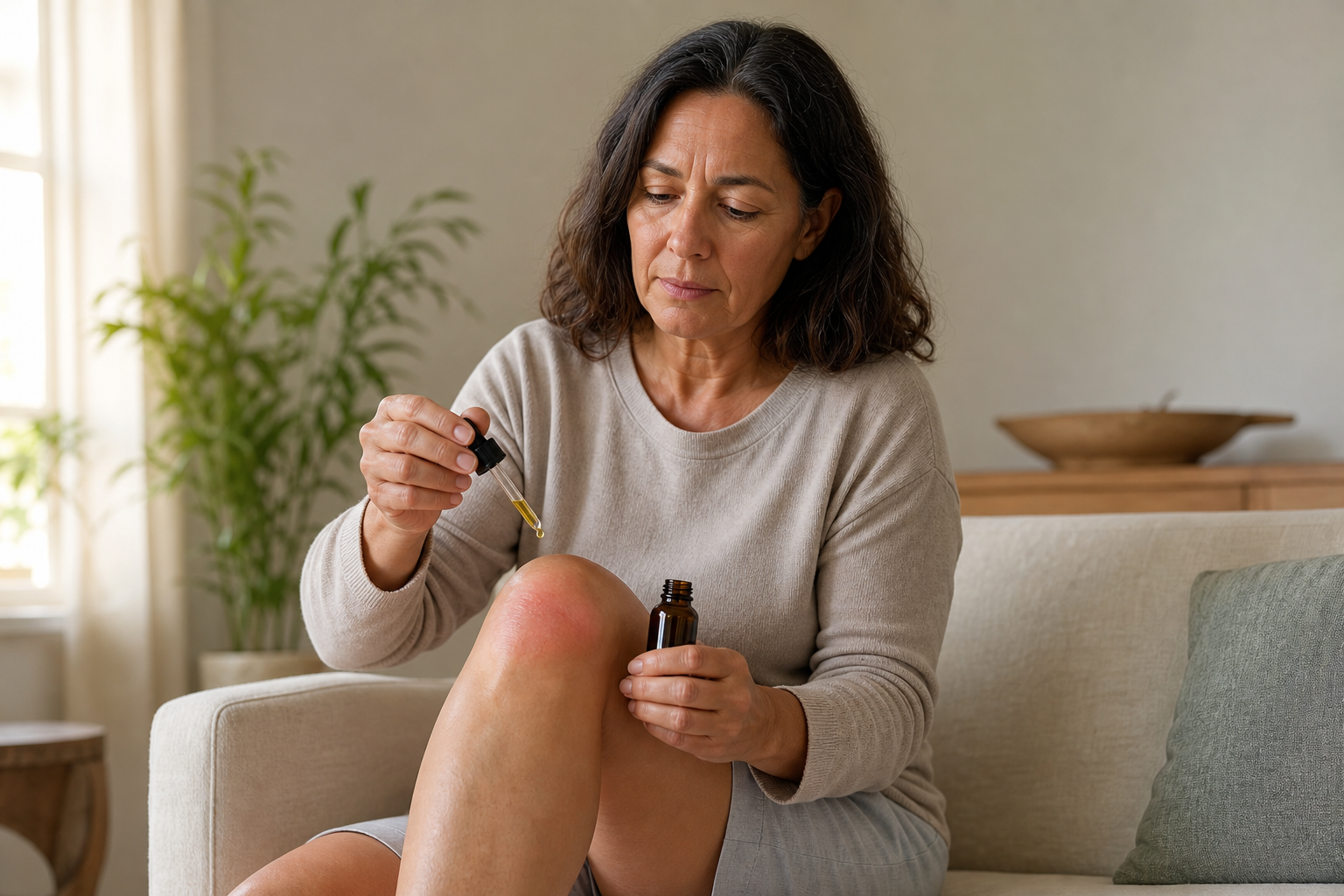
Can CBD Oil Actually Help with Joint Pain and Inflammation?
Look, if you'd told me ten years ago that patients would be asking about CBD oil for joint pain and inflammation during almost every clinic session, I would have called you optimistic—or maybe just wishful. But here we are: My inbox is stuffed with questions, my father-in-law swears by his daily drops, and the research keeps coming. (Not to mention the flood of gummies, creams, and oils at every pharmacy checkout.)

Let me start with a story. Last fall, one of my long-term patients—I’ll call her Maria—came in frustrated after switching arthritis meds for the fourth time in six months. She’d read about CBD oil online and wanted to know: “Sarah, is this stuff legit, or just another wellness fad?” If you’re nodding along, you’re not alone. The mix of personal stories, slick marketing, and patchy science makes it tough to separate hope from hype.
The Daily Grind: Living with Joint Pain
If you’ve ever felt the slow, deep ache of an arthritic knee on a cold morning, you know how relentless joint pain can be. And inflammation? It’s the invisible culprit—fueling swelling, stiffness, and sometimes waking you up at 3am because your hip just won’t quit throbbing. I get it. I see the fatigue and frustration every day. Even the "good" days come with caveats: skip a walk, pop another ibuprofen, cancel plans because your joints have veto power. It’s not just physical—it’s emotional, too.
And the real kicker: prescription solutions don’t always deliver. NSAIDs help, but long-term use chews up your gut. Opioids are out of the question for most. Physical therapy (I may be biased!) can make a huge difference, but pain flares don’t always stick to your rehab schedule. It’s no wonder folks are searching for new answers—and CBD oil is leading that pack. But does it actually work?
The Science Behind CBD Oil: Gimmick or Genuine?
Here’s where it gets interesting. Cannabidiol (CBD) is just one compound from the cannabis plant—unlike THC, it won’t get you high. Over the last few years, we’ve seen a flurry of studies trying to nail down if (and how) CBD helps with joint pain and inflammation. The basics? CBD interacts with your body’s endocannabinoid system—think of it as a kind of molecular “thermostat” for pain and inflammation. But does that translate to real relief?
The evidence isn’t black and white. In Arthritis Care & Research (2022), an observational study tracked nearly 800 arthritis patients who tried CBD. Over 70% reported “noticeable pain improvement” and better sleep. But—and this is important—it wasn’t a double-blind trial, so placebo effect can’t be ruled out. You’ll find smaller animal studies (usually with rodents and higher doses) showing reduced inflammatory markers, but human data is still limited.
I tend to be skeptical—until I see numbers. A 2020 review in the Journal of Clinical Medicine cited several randomized trials showing that topical CBD (applied directly to arthritic joints) resulted in a 28-34% reduction in perceived pain for osteoarthritis sufferers versus placebo. Not a miracle, but not nothing.
But here’s the rub: Not all CBD is created equal. Dosage, formulation, and product quality matter—a lot. The 25mg capsule that works wonders for your neighbor may do zip for you. And many over-the-counter options are under-dosed, mislabeled, or made with questionable extraction methods (I’ve seen the lab tests, believe me).
How Does CBD Oil Work for Joint Pain?
Let’s break down why CBD oil might (emphasis on might) help joint pain and inflammation:
- Anti-inflammatory action — Early studies show CBD may reduce inflammatory cytokines (think: TNF-alpha, IL-1beta). These are the same chemicals that create swelling and pain in joints.
- Pain modulation — CBD seems to blunt pain signals by interacting with TRPV1 receptors (the same ones activated by capsaicin creams). This could explain the reduction in chronic, nagging pain reported by arthritis sufferers.
- Sleep improvement — Poor sleep makes pain worse, and some people find CBD oil helps them sleep more soundly. (Not directly a pain reliever, but you know how pain feels after a bad night’s sleep!)
- Anxiety reduction — Living with chronic pain is stressful. CBD may help take the emotional edge off (as suggested by a few small trials in BMJ Open).
This all sounds promising—and it can be, for the right people. But CBD isn’t a panacea. In my experience, people with moderate pain see the best results, while those with severe, structural joint damage generally need more than CBD oil alone. (Don’t throw away your cane just yet.)
What the Research Actually Says (and What It Doesn’t)
Here’s what most articles won’t tell you: The FDA hasn’t approved CBD oil for arthritis or general joint pain—only for rare seizure disorders. Some products are more “Wild West” than wellness.
The biggest clinical trial for CBD and arthritis pain, published in Arthritis & Rheumatology in 2021, used a 250mg topical CBD cream. Results? About a third of patients reported significant relief—another third, mild improvement, and the last group saw no difference at all. (Sound familiar to anyone who’s cycled through joint supplements over the years?)
Take oral CBD oils: Most research uses doses between 25-100mg per day. For example, in a 2018 European Journal of Pain study, rats with arthritis showed less swelling after daily CBD. But in humans, absorption varies—one person feels effects at 20mg, another needs 60mg to notice anything. It often takes 1-2 weeks of daily use to see benefits, if any appear at all.
And the safety profile? Pretty favorable, thankfully. Mild side effects (tiredness, dry mouth, occasional GI upset) are possible, but—crucially—CBD doesn’t carry the bleeding risk or kidney dangers of NSAIDs. Still, if you’re taking blood thinners or have liver issues, talk to your doctor before experimenting. (I had a reader on warfarin email me last month after starting CBD—his INR shot up. Not common, but possible. Always ask.)
How to Choose a CBD Oil for Joint Pain—What Matters?
After reviewing dozens (hundreds?) of these products for patients, here’s my honest take:
- Look for “full-spectrum” or “broad-spectrum” CBD — These contain minor cannabinoids and terpenes that may enhance anti-inflammatory effects via the “entourage effect” (per Frontiers in Pharmacology, 2020).
- Third-party lab testing is non-negotiable. Any reputable brand posts COAs (Certificates of Analysis) with verified cannabinoid and contaminant levels. If you can’t find this on their site, move on.
- Start low, go slow — I usually recommend beginning with 15-25mg per day, increasing by 5-10mg every 3-4 days. Track effects (pain, sleep, function) in a notebook or on your phone.
- Consider topicals for localized joint pain. Oils and creams can be applied directly to knees, wrists, or fingers. (I admit, I’m partial to topicals for predictable knee flares.)
- Beware of miracle claims. CBD is not a cure, and any product promising “permanent arthritis reversal” is, frankly, shady.
Integrating CBD: Realistic Expectations and Smart Strategies
Here’s the thing: CBD oil can be an ally—but it’s not a silver bullet. The best results I see come when it’s layered with smart lifestyle moves:
- Stay active (but don’t overdo it). Gentle exercise, like walking, swimming, or tai chi, keeps joints moving and reduces stiffness. Even on bad days, a five-minute stretch can help.
- Warmth works. On a cold, achy morning, I reach for the Pure Enrichment PureRelief XL Heating Pad. It covers my patients’ knees and backs, and the moist heat is a game-changer for deep joint tension.
- Consider supplements. Some folks get extra benefit when combining CBD with established joint formulas—like glucosamine, chondroitin, turmeric, and boswellia. The Glucosamine Chondroitin Turmeric MSM & Boswellia combo is one my mother-in-law still swears by. (Just watch for additive effects or interactions if you ramp up multiple supplements at once.)
- Don’t ditch PT. Targeted strengthening and mobility work (ideally with a physical therapist) can help lock in any relief you gain from CBD or other tools.
One thing I always caution: CBD oils can interact with certain meds—blood thinners, some antidepressants, and anti-epileptics. Always loop in your physician or pharmacist before making it part of your routine.
How CBD Oil Compares to Other Pain-Relief Tools
Let’s be real—CBD isn’t the only topical option for joint pain. For years, I’ve had patients get excellent (and evidence-backed) relief from Voltaren Arthritis Pain Gel, which contains FDA-approved diclofenac sodium. Voltaren is my go-to for acutely inflamed knees or hands, especially when oral NSAIDs aren’t an option. It’s not “natural”, but the research (see BMJ, 2021) is solid: up to 50% pain reduction in osteoarthritis when used twice daily.
How does CBD stack up? I’d say, for some, CBD oil is gentler and great for chronic, low-level soreness—while Voltaren packs more punch for sharp, flare-up pain. Some people alternate between both, using CBD in the evening for sleep and calm, and Voltaren during the day for function. Just don’t combine them on the same joint without checking with your doctor first.
As for oral supplements, I tell patients the best evidence still points to “modest but real” improvements for pain, stiffness, and function with regimens containing 1,500mg glucosamine sulfate and 1,200mg chondroitin taken daily. Curcumin (from turmeric) and boswellia, found in that Vimerson Health blend, have a strong safety profile and may amplify anti-inflammatory effects—but these work over months, not days.

Who Should Avoid CBD Oil?
Okay, time for the “tough love” section. CBD oil is generally safe—but it isn’t for everyone. If you’re pregnant, breastfeeding, have liver disease, or take medications with a “grapefruit warning”, skip it unless your physician says otherwise. The same goes for those with a history of substance misuse (CBD isn’t addictive, but some full-spectrum products contain trace THC—rare, but possible).
I also caution folks with immune-suppressed conditions (think post-transplant, active chemo). The research is just too new here. And if legal status is a concern? Double-check local laws—CBD is legal in most states, but not all.
The Bottom Line: My Honest Take on CBD Oil for Joint Pain
I know this is unpopular in some wellness circles, but I’ll be straight with you: CBD oil isn’t a miracle—but it’s not snake oil either. For many, it’s a helpful piece of the pain-relief puzzle. I’ve seen patients cut back on NSAIDs, sleep better, and feel less anxious about their joint health. Others, frankly, notice little change and prefer tried-and-true gels or warm compresses. Your mileage may vary.
If you want to try CBD oil, treat it like any other supplement: research the brand, monitor your symptoms, stay realistic, and keep your primary care doc in the loop. Never ignore sudden swelling, redness, or loss of function—these could be signs of something much more serious.
And if you’re still reading, hats off. Living with joint pain isn’t easy—and neither is sorting through the mountain of health claims out there. But I’ll say this: Sometimes, the right mix of tools (CBD included) can tip the scales back toward comfort and confidence. Keep experimenting, keep asking, and let me know how you do. Your story might be what inspires my next patient—or the next article.
Wishing you comfort and steady progress,
Dr. Sarah Mitchell, DPT
Senior Health Editor, JointReliefReviews