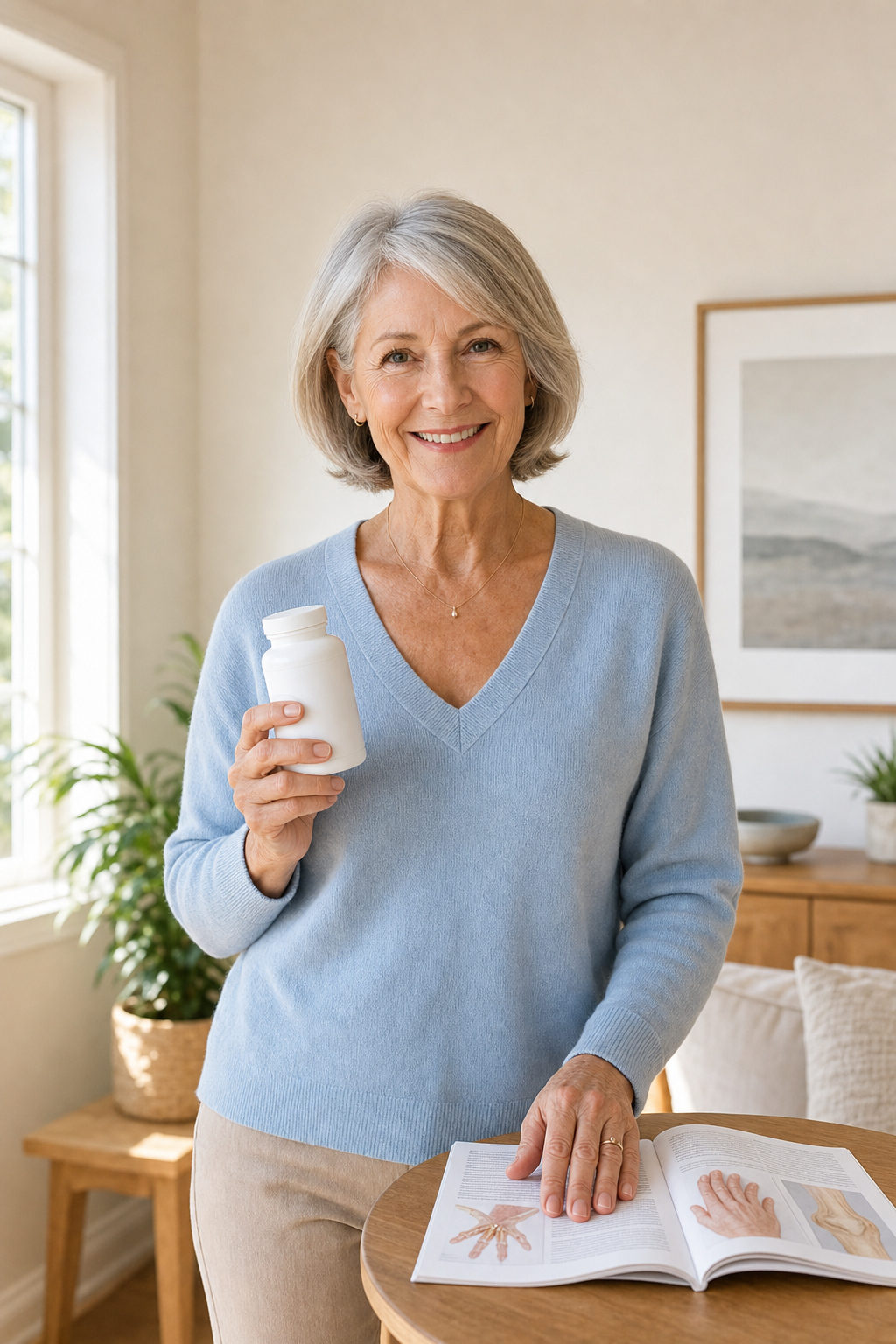
The Unexpected Contender: SAMe Supplement for Osteoarthritis Relief?
I’ll never forget the first time a patient asked me, “Linda, what’s this ‘Sammy’ supplement everyone’s talking about?” I’d just finished my third cup of coffee during a grueling shift on orthopedics, and—honestly—I had to check her chart twice. She meant S-adenosylmethionine (bless whoever shortened it to SAMe). Back then, it was mostly glucosamine, turmeric, or nothing. SAMe was the new kid on the block.

Putting the Daily Struggle into Words
If you’re reading this, you probably know that unique, gnawing ache that osteoarthritis brings. Those stiff morning knees, the awkward sideways shuffle before your joints finally “wake up,” or the subtle panic when you wonder if you’ll actually make it through the grocery store this time. You’re not lazy. You’re not weak. You’re managing a real, progressive disease that steals something precious: movement. I’ve heard hundreds of stories over the years. One reader emailed me recently: “Linda, my hands are so stiff, I can’t even open jars anymore. Is SAMe just hype?”
I get it. The market is flooded with promises—and honestly, some are garbage. Here’s where I dig in to see if there’s substance behind the hype.
What Exactly is SAMe?
SAMe (S-adenosylmethionine) isn’t a magic potion. It’s a molecule your own body makes—especially in the liver. It’s involved in methylation (think: turning genes on and off), and affects everything from mood to pain signals. You’ll find it occurring naturally in all your cells, but here’s the tricky bit: as you age, or if you’re dealing with chronic disease, your body’s SAMe production can dip.
Supplements hit the shelves in the late ‘90s, and caught serious attention thanks to some early research showing improvements for both depression and osteoarthritis. But as is often the case, the details matter—a lot.
The Science: Does SAMe Work for Osteoarthritis?
Most people want a straight answer. Here’s the thing: real science is rarely black or white. But the evidence for SAMe is stronger than many realize.
Let’s talk about a classic study, published in the American Journal of Medicine back in 2002. Researchers stacked 1,200 mg daily of SAMe up against 1,200 mg naproxen (a prescription NSAID). Over four weeks, both groups reported similar improvements in pain. The kicker? Fewer side effects in the SAMe group. The scientists called it “comparable to NSAIDs for symptom relief”—a big deal for folks who can’t tolerate traditional painkillers.
Fast forward to a 2009 meta-analysis in the Cochrane Database—they pooled a dozen randomized controlled trials. Their conclusion: SAMe reduces pain and improves function, but the effect is mild to moderate. Not a cure, but better than placebo, and safer than popping ibuprofen like candy.
And for the numbers-lovers: a 2010 systematic review in the Journal of Rheumatology found that a typical dose (usually 600-1,200 mg per day) led to about a 20% reduction in pain scores compared to placebo. Not earth-shattering, but for anyone with daily knee or hand pain, it’s a lifeline.
How Does SAMe Actually Work?
This is where biochemistry nerds get excited. SAMe acts as a methyl group donor—think of it like a courier in your body, delivering signals that help regulate inflammation and pain. It’s also involved in synthesizing cartilage components, which is why researchers theorize it may actually help slow cartilage breakdown—not just mask the pain.
There’s some evidence it boosts glutathione (an antioxidant) production, and might reduce inflammatory cytokines in the joint. More research is needed, but the mechanisms are promising. No, it won’t regrow lost cartilage—but it could help you hold onto what’s left a bit longer.
Of course, if you’re on other medications or have liver issues, talk to your doctor. SAMe can interact with antidepressants and can affect homocysteine levels. Safety first, always.
The Real-World Experience: What My Patients and Readers Say
I’ll be honest—I was skeptical for years. I’d seen too many supplements come and go. But the stories from my own patients (and family) started piling up. My mother-in-law, who has stubborn knee OA, swears by her 800 mg morning SAMe. She claims she can garden longer and walk the dog a bit farther since adding it. Is it all in her head? Maybe. But when the alternative is limping and Tylenol, I don’t dismiss real-world relief.
I’ve also heard from readers who didn’t notice much—especially in the first few weeks. That matches the research: SAMe isn’t instant (it can take 4-8 weeks to see benefits), and not everyone responds. Sometimes, it’s trial and error.
Comparing: SAMe vs. Glucosamine, Turmeric, and NSAIDs
If you’re nodding along, you’ve probably tried glucosamine (usually 1,500 mg sulfate per day) or turmeric (curcumin doses up to 1,000 mg). In my experience, SAMe’s effect size is similar to those, but arrives differently—less about swelling, more about stiffness and function. The big difference? Side effect profiles.
- Glucosamine/chondroitin: Good for mild OA, but can upset the stomach. Mixed data—some swear by it, others see nothing.
- Turmeric/curcumin: Solid anti-inflammatory, but best absorbed with black pepper. Helps some, minimal side effects.
- NSAIDs: Powerful, but rough on the stomach and kidneys. Not everyone can (or should) take long-term.
- SAMe: Milder pain relief, lower risk of GI issues, but interacts with some antidepressants and can be pricey.
Bottom line: No single supplement is magic. But SAMe deserves a seat at the table—especially if you’re sensitive to NSAIDs or need a mood boost (it may help mild depression, too).
What About Side Effects and Safety?
Most people handle SAMe well—especially at doses under 1,200 mg daily. Common complaints are mild: nausea, gas, sometimes headache. The real kicker is its potential to interact with SSRIs or MAOIs (antidepressants). So if you’re on mental health meds, or have bipolar disorder, don’t mess around—consult your doctor.
And a note for my fellow nurses: SAMe can raise homocysteine levels, which may be a risk factor for heart disease in some folks. Always work with your care team, especially if you have a lot of medication juggling.
Finding a Quality SAMe Supplement
Here’s the ugly truth: supplement quality varies wildly. SAMe is especially unstable—it degrades quickly if not packaged properly. Look for enteric-coated tablets (they survive stomach acid), and reputable brands. Third-party testing is no joke; if a bottle doesn’t display it, skip.
I don’t sell supplements myself, but patients often ask for a trustworthy pick. I usually point them to mainstream brands found in big-box pharmacies, or—if you’re shopping online—read reviews and check for NSF or USP certifications.
How to Take SAMe for Osteoarthritis
Most clinical studies use 600-1,200 mg per day, split into two doses. Start low (maybe 400 mg in the morning), and see how you feel. Increase slowly. SAMe is best taken on an empty stomach for absorption, but if you get queasy, try with a light snack.
And patience, please. Many studies ran for 4-8 weeks before participants noticed changes. If nothing after two months, it’s probably not your match. Some folks layer it with glucosamine or turmeric for a multi-pronged approach—just check with your pharmacist to avoid doubling up on certain ingredients.
Real Lifestyle Tips: Beyond the Pill
I always say: supplements, at best, are 30% of the puzzle. Lifestyle wins the other 70%. Here are a few strategies I share with my own family:
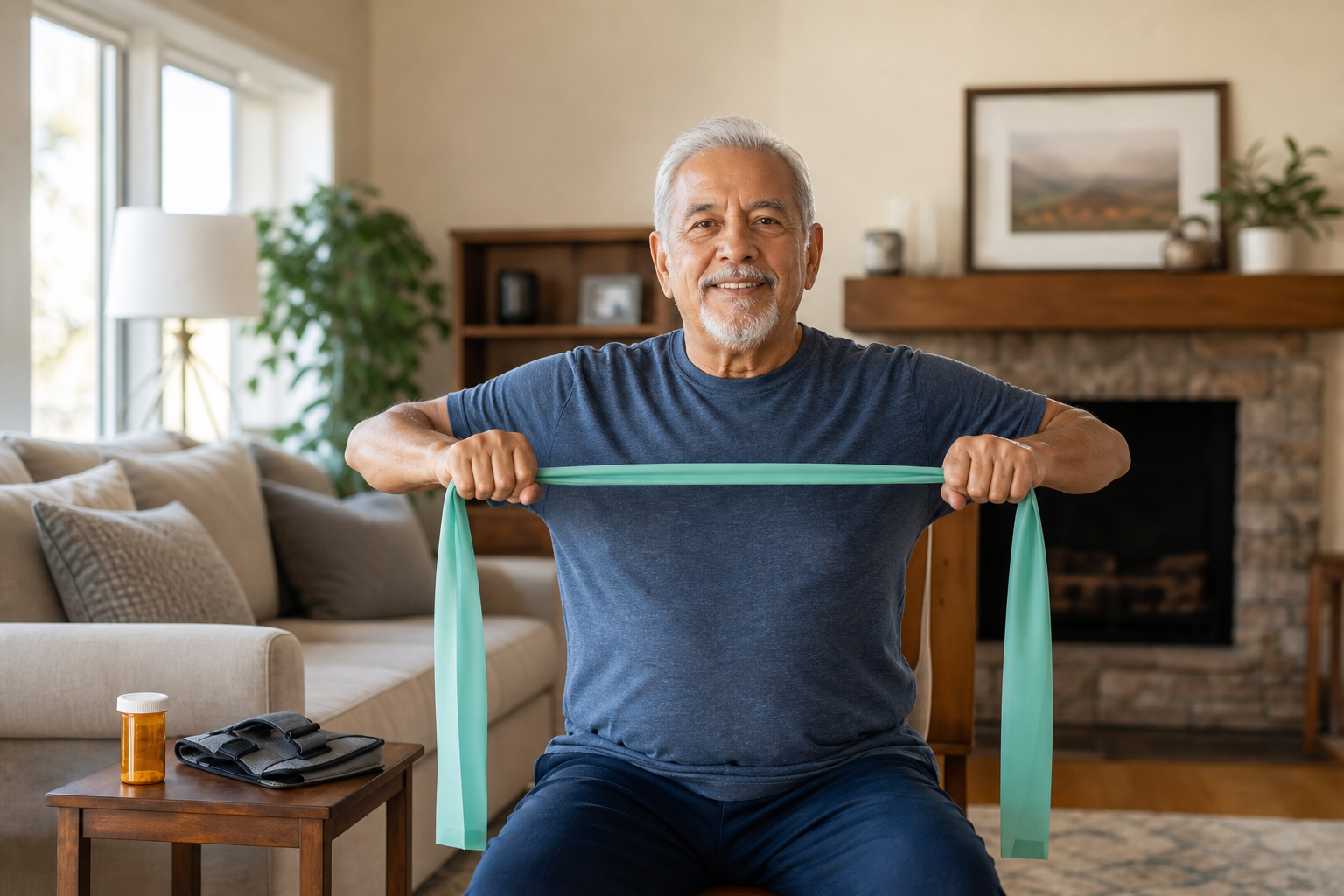
- Keep moving. Gentle, daily movement (like walking, swimming, or tai chi) keeps joints lubricated. I’m a fan of the routines in Treat Your Own Knees by Jim Johnson—simple, research-backed exercises. My neighbor swears by them after knee surgery.
- Supportive gear helps. Compression sleeves can ease swelling and boost confidence. The Modvel Compression Knee Brace is popular, especially for folks new to bracing. Just don’t expect miracles—it’s about gentle support, not overnight magic.
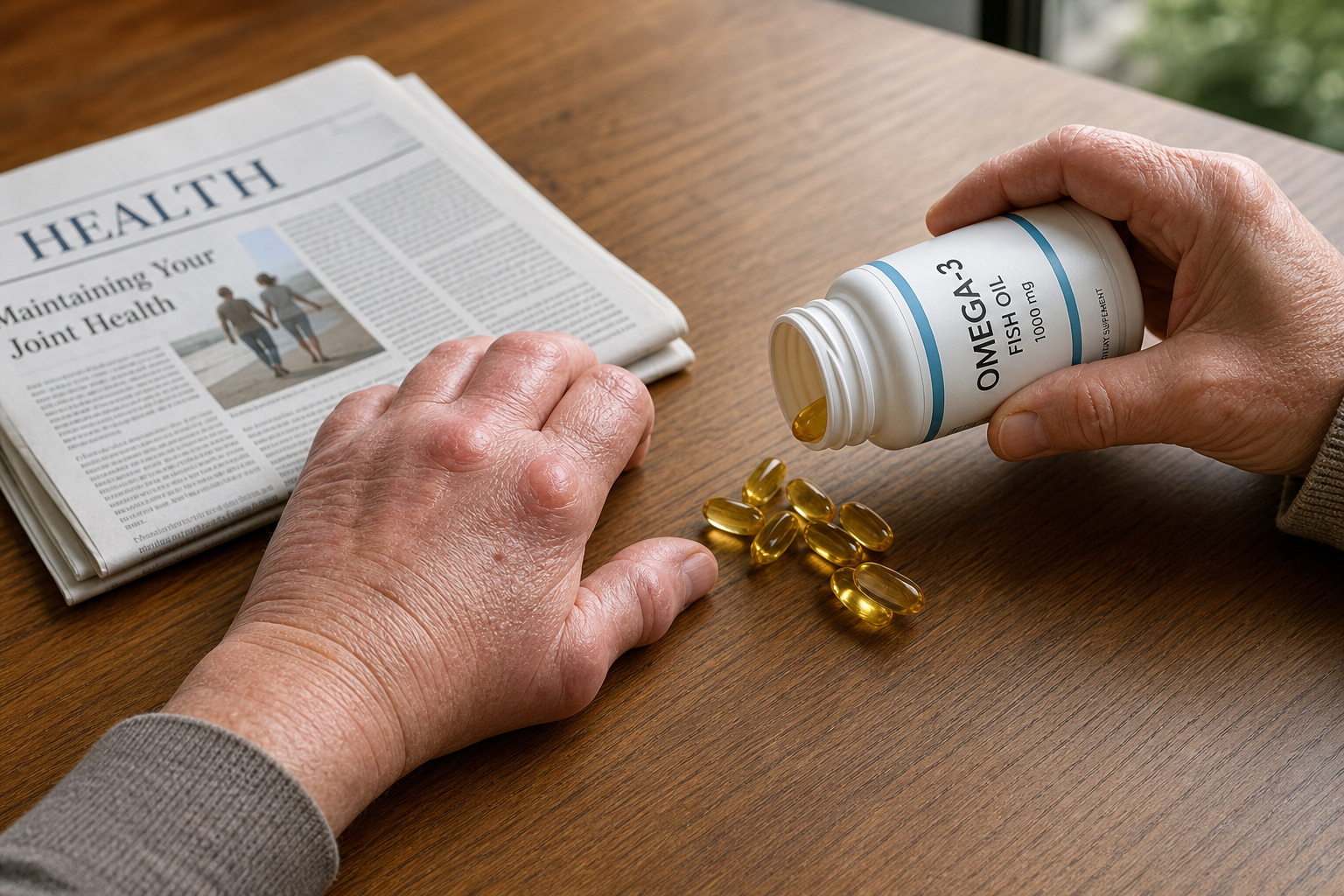
- Eat anti-inflammatory. Lots of colorful veggies, fatty fish, nuts, and minimal processed foods. Omega-3s (in salmon, walnuts, or supplements) get a thumbs-up in most studies.
- Don’t ignore sleep. Quality rest is anti-inflammatory. If pain wakes you, try a heating pad before bed. The Pure Enrichment PureRelief pad gets good reviews, but use what’s comfortable—and safe (auto shut-off matters!).
If pain is flaring, ice packs or gentle heat can make a difference. And set realistic expectations—every improvement counts, even if the pain isn’t gone.
Digging Deeper: What the Experts Say
The Arthritis Foundation still lists SAMe as “possibly effective,” highlighting the need for more long-term studies. The BMJ (British Medical Journal) published a 2015 guideline favoring NSAIDs as first-line for OA pain—but acknowledged that for those who can’t tolerate them, alternatives like SAMe “may provide mild relief.”
In my practice, I’ve seen the best results from folks who combine supplements with exercise, weight management, and a dash of stubborn optimism. And here’s the controversial bit: some rheumatologists dismiss all supplements, but research—and patient experience—suggests there is a place for them. If you’re curious about SAMe, you’re not chasing fairy dust. You’re looking for extra tools.
What Most Articles Won’t Tell You
SAMe isn’t regulated like a prescription. That means potency can vary. I always advise buying from trusted retailers, checking for transparent labeling, and—if you’re on other meds—clearing it with your doctor or pharmacist. One more thing: if you have bipolar disorder or take antidepressants, do not start SAMe on a whim. Side effects can be serious.
Price matters, too. SAMe is pricier than glucosamine, so factor that in before making it a daily habit. Some people find the mood-lifting effects worth the investment. For others, turmeric or compression sleeves offer more bang for the buck.
Takeaways: Should You Try SAMe for Osteoarthritis?
Here’s my honest answer as someone who’s seen hundreds of OA cases (and way too many half-baked supplement claims): SAMe isn’t a miracle, but it’s a legitimate, research-backed option—especially for joint stiffness and mild pain when NSAIDs aren’t tolerated.
Start slow, be patient, and measure your progress (a simple pain journal works wonders). If it helps, fantastic—layer it into your larger plan. If not, don’t lose hope; OA management is an ongoing experiment.
Warm Close: My Hope For You
Osteoarthritis doesn’t have to mean giving up the things you love. Whether SAMe is your missing puzzle piece, or just one chapter in your joint health story, remember: progress is possible. I’m rooting for you—and always happy to answer questions from fellow pain warriors. Take care of those joints, and take care of yourself!
Linda Hargrove, RN
Orthopedic Nurse & Joint Relief Columnist
JointReliefReviews.com