
CBD Oil for Joint Pain and Inflammation: What’s Real, What’s Hype, and What I Tell My Patients
You know those moments you can’t forget? A few years back, one of my long-time clients — let’s call her Linda — hobbled into the clinic after a weekend gardening marathon. She was exhausted, wincing with every step, and before even sitting down, asked me: “Sarah, does CBD oil actually help for stubborn joint pain? My sister swears by it.” I hear this sort of thing every week. If that sounds familiar, trust me, you’re definitely not alone.
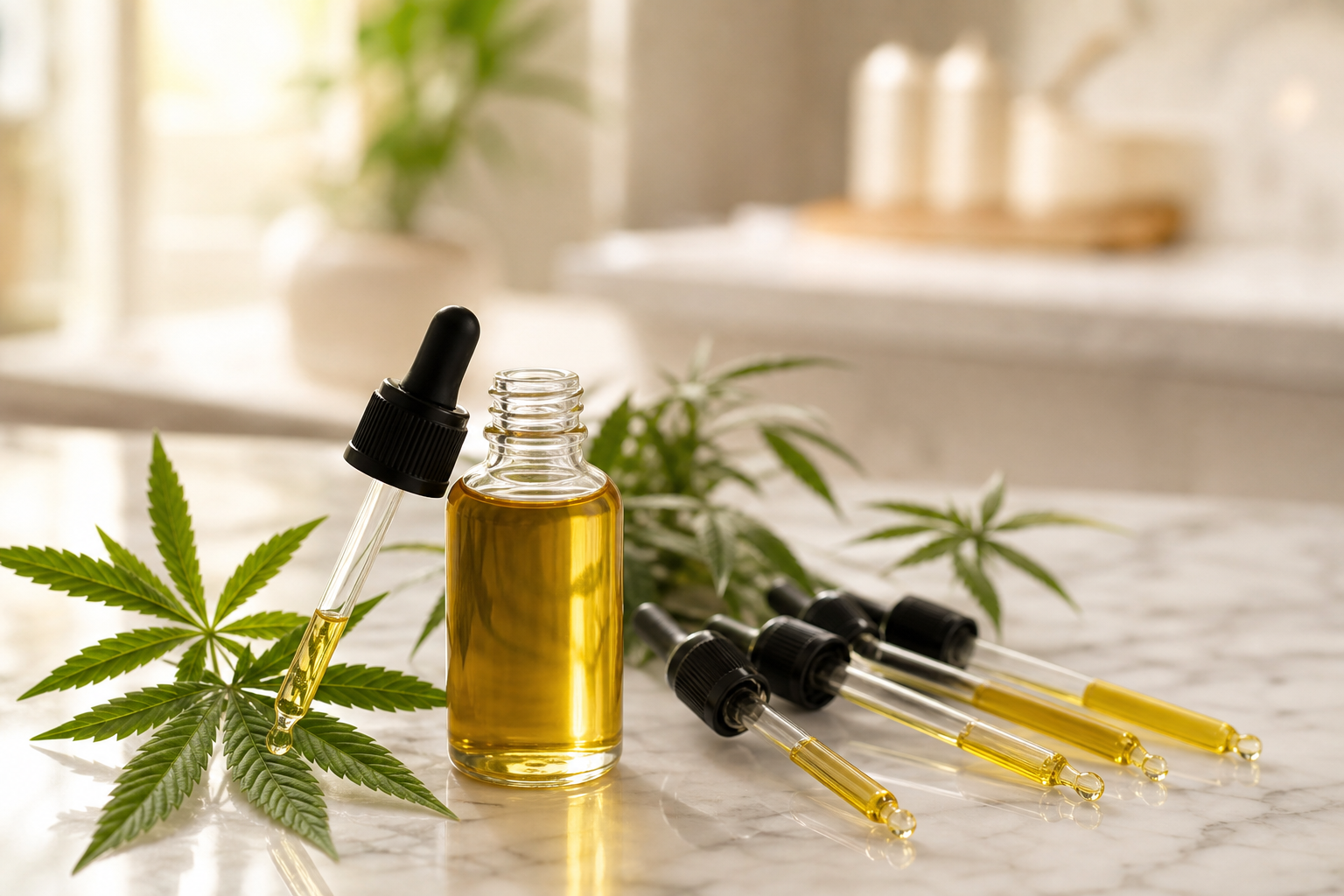
The Daily Reality of Joint Pain: Why the Buzz About CBD?
If you’re here, maybe it’s because you’ve tried everything. The heat packs. The ice. The stretches, turmeric capsules, maybe even physical therapy (hey, I’m biased). But some days, that gnawing ache just won’t quit — whether it’s knees that creak every time you stand up, or hands swollen and stiff by lunchtime.
Let’s be honest: Living with chronic joint pain can wear you down in ways people without it don’t always see. I know folks who map out every errand by which parking spot is closest. Or who skip family outings, not because they don’t want to go, but because they can’t bear the limp home afterward. That’s the raw, real stuff behind all the Google searches for “natural joint pain relief.”
So, what’s driving all the talk around CBD oil? In my practice, I’ve watched interest explode since about 2018 — right after Congress passed the Farm Bill legalizing hemp-derived CBD. Over half my patients with arthritis or autoimmune joint conditions now ask about it at some point. And, not gonna lie, the marketing hype is intense: “miracle cure,” “game-changer,” “safer than NSAIDs.” But is it true? Here’s where we separate fact from wishful thinking.
How Does CBD Work? (And Why Might It Help Joint Pain?)
First, a quick science detour. CBD (cannabidiol) is one of over 100 cannabinoids found in the cannabis plant. Unlike THC, it doesn’t make you high. Instead, it acts on your body’s endocannabinoid system (ECS) — a network of cell receptors and chemical messengers found everywhere from your brain to your joints to your immune system.
The ECS helps regulate pain, inflammation, immune response, even sleep. Think of it as one of the body’s “balance keepers.” Research suggests CBD can influence how strongly these ECS receptors fire, making them less sensitive to pain signals and inflammation triggers. In theory: less swelling, less pain, calmer nerves.
But here’s the thing: Most of the headline-making studies are either on animals or on isolated cells in a dish. For example, a much-cited 2017 review in Pain concluded that CBD reduced arthritis-related joint pain and swelling in rat models. The anti-inflammatory mechanism? CBD seemed to dial down the release of pro-inflammatory cytokines and block pain nerve transmission. But rats aren’t people (and if they were, they’d probably have better knee cartilage than most of us).
Human evidence is a bit messier — and that’s what makes my job interesting.
What Does the Actual Human Research Say?
Let’s cut through the noise. Have we seen large, gold-standard clinical trials on CBD oil for joint pain? Not yet. But a few small human studies offer some clues:
- In 2016, a double-blind trial published in European Journal of Pain used topical CBD gel on arthritic rats (again) and found marked reductions in joint swelling and pain behaviors — without side effects. Promising, but not human.
- A 2020 randomized controlled trial in Arthritis Care & Research gave oral CBD (20-30mg/day) to patients with knee osteoarthritis. The researchers found modest improvements in pain and stiffness compared to placebo — but the results weren’t dramatic. Most patients rated CBD as “somewhat helpful,” about on par with a strong over-the-counter pain reliever.
- Anecdotal data is everywhere: An Arthritis Foundation survey in 2019 found 79% of arthritis patients had tried or considered CBD, and 29% reported it helped “a lot” with pain. I get plenty of emails echoing that.
I’ll be honest — these studies are mostly small, short-term, and the doses jump all over the map. But there’s enough to convince me that CBD can help some people, especially for morning stiffness and that “background” inflammation that never fully goes away.

CBD Oil vs. Other Joint Pain Remedies: How Does It Stack Up?
This is where I get a little controversial. I know some of my colleagues are skeptical about CBD, preferring the tried-and-true options: NSAIDs like ibuprofen, topical gels, physical therapy (yes, again), heat and cold therapy, or joint supplements. And yes, those can all help — but they come with trade-offs.
For example, NSAIDs can irritate your stomach and raise blood pressure if you use them daily. Acetaminophen helps with pain but does nothing for inflammation. Glucosamine supplements? They work for some (in my experience, you need at least 1,500mg glucosamine sulfate daily, and even then, the IMMPACT study in BMJ 2016 found only mild-to-moderate benefits for most folks with osteoarthritis).
CBD oil’s appeal is that, for most people, it’s well-tolerated, non-addictive, and doesn’t fry your liver or stomach. Side effects tend to be mild: dry mouth, dizziness, maybe some sleepiness (I actually see some patients use it at bedtime to help with both joint pain and insomnia). Interactions with blood thinners or seizure meds are possible, though, so always check with your doctor or pharmacist first — seriously, don’t skip that step.
How to Actually Use CBD Oil for Joint Pain (Doses, Forms, and Timing)
The million-dollar question: What’s the right way to use CBD oil if you’re hoping for relief? The truth is, there’s no one-size-fits-all. But here’s what I see working for my patients — and what the research (spotty as it is) backs up so far:
- Start low, go slow: Most folks begin with 10-20mg orally, daily. If that’s tolerated and you don’t get drowsy, you can work up to 40mg/day. Some trials go as high as 100mg, but honestly, I rarely see more benefit above 50mg for joint issues.
- Topical vs. oral: Topical CBD creams or oils (rubbed directly onto the joint) seem to help best with superficial pain — knees, knuckles, elbows. Oral CBD oil (under the tongue) may help more with widespread aches or autoimmune-driven pain (like rheumatoid arthritis).
- Timing: For morning stiffness, try your dose 30-60 minutes before activity. For sleep (since pain and insomnia love to travel together), bedtime dosing makes sense.
- Full-spectrum vs. isolate: Full-spectrum CBD contains small amounts of other cannabinoids (including a trace of THC, under 0.3%) and seems to provide stronger results in real-world use, probably due to the “entourage effect.”
One more reality check: The CBD market is barely regulated. I always tell people to stick with brands that publish independent lab results (look for “COA” or certificate of analysis), and avoid the corner gas station stuff at any cost. Potency, purity, and dosing accuracy matter — a lot.
Can You Use CBD Alongside Other Joint Pain Supports?
In most cases, yes — but with some caution. I know several patients who use CBD in tandem with physical therapy, joint supports like the Modvel Compression Knee Brace for extra stability during activity, or heat therapy (I’m a big fan of the Pure Enrichment heating pad for stubborn muscle tension — detail below). The real key is to listen to your body and watch for any side effects or interactions.
If you’re taking medications for blood pressure, epilepsy, or blood thinners, double-check with your physician before starting CBD. I know it’s tempting to just grab a bottle and “see what happens,” but safety first — always. And don’t swap out your prescribed meds for CBD without medical guidance.
CBD Myths That Drive Me Crazy (And What No One Tells You)
- Myth: “CBD works the same for everyone.” Not even close. Genetics, metabolism, and the cause of your joint pain all play a role. I see some folks get near-complete relief, others feel nothing.
- Myth: “More is better.” Actually, there’s a bell curve. Too high a dose sometimes backfires — causing drowsiness or, rarely, increased pain sensitivity (we call it “hyperalgesia”).
- Myth: “CBD cures joint damage.” Nope. It can tamp down symptoms and inflammation, but it’s not magically regrowing cartilage or curing RA — at least, not according to any study I’ve seen.
- Myth: “All CBD oil is the same.” Unfortunately, this market is the wild west. Some brands are reputable, others are snake oil. Independent lab testing is non-negotiable in my book.
Look, if anyone tells you “CBD always works” or “it doesn’t work at all,” they’re not being honest. The truth is complicated — and, frankly, so are most things in pain management.
My Tips for Managing Joint Pain With (and Without) CBD
Here’s my typical advice — not just as a physical therapist, but as someone whose own family has battled arthritis for decades:
- Keep moving: Gentle activity, like swimming or walking, helps lubricate joints. On bad days, use supports — the Modvel Compression Knee Brace is the kind of affordable, anti-slip brace many of my patients like for daily wear.
- Use heat and cold wisely: A product like the Pure Enrichment PureRelief XL Heating Pad delivers deep, moist heat that can relieve muscle guarding around stiff joints (plus, it covers a larger area than most pads). For swelling, try cold packs.
- Keep a pain journal: Track when you use CBD, with which symptoms, and how much relief you get. You’d be amazed how much you forget without jotting it down.
- Combine therapies: Most people need more than one tool. Meds, braces, topicals, and gentle exercise often work better in combination than alone.
And — it bears repeating — stay skeptical of anyone promising a cure-all. If CBD helps you move better or sleep deeper, wonderful. If it doesn’t, you’ve learned something about your body’s chemistry. Either way, you deserve relief that’s both effective and safe.

So...Is CBD Oil Worth Trying for Joint Pain?
Here’s my bottom line, after a decade-plus of watching trends come and go: CBD is no magic bullet, but for the right person, it can be a helpful part of a joint pain toolkit. I’ve seen it make mornings less miserable, reduce the need for NSAIDs, and take the edge off pain spikes after too much activity. That said, it’s not a cure, and it won’t help everyone equally.
If you’re curious (and your doctor’s on board), look for brands that publish their lab reports, start with a low dose, and give it a couple of weeks before judging. Combine it with smart activity, good sleep routines, and — I’ll say it again — talk to your healthcare provider before making any big medication changes.
I know the search for relief feels endless some days. But you’re not alone, and there are tools out there that actually move the needle. Got a story or question of your own? I genuinely love hearing from readers — that’s how real answers get shared.
Stay curious, stay skeptical, and don’t give up on finding the right blend for your own body. Better days are possible.
Dr. Sarah Mitchell, DPT
Senior Health Editor, JointReliefReviews.com
12+ years clinical experience in osteoarthritis and chronic joint pain care