CBD Oil for Joint Pain and Inflammation: What Actually Works (and What Doesn't)
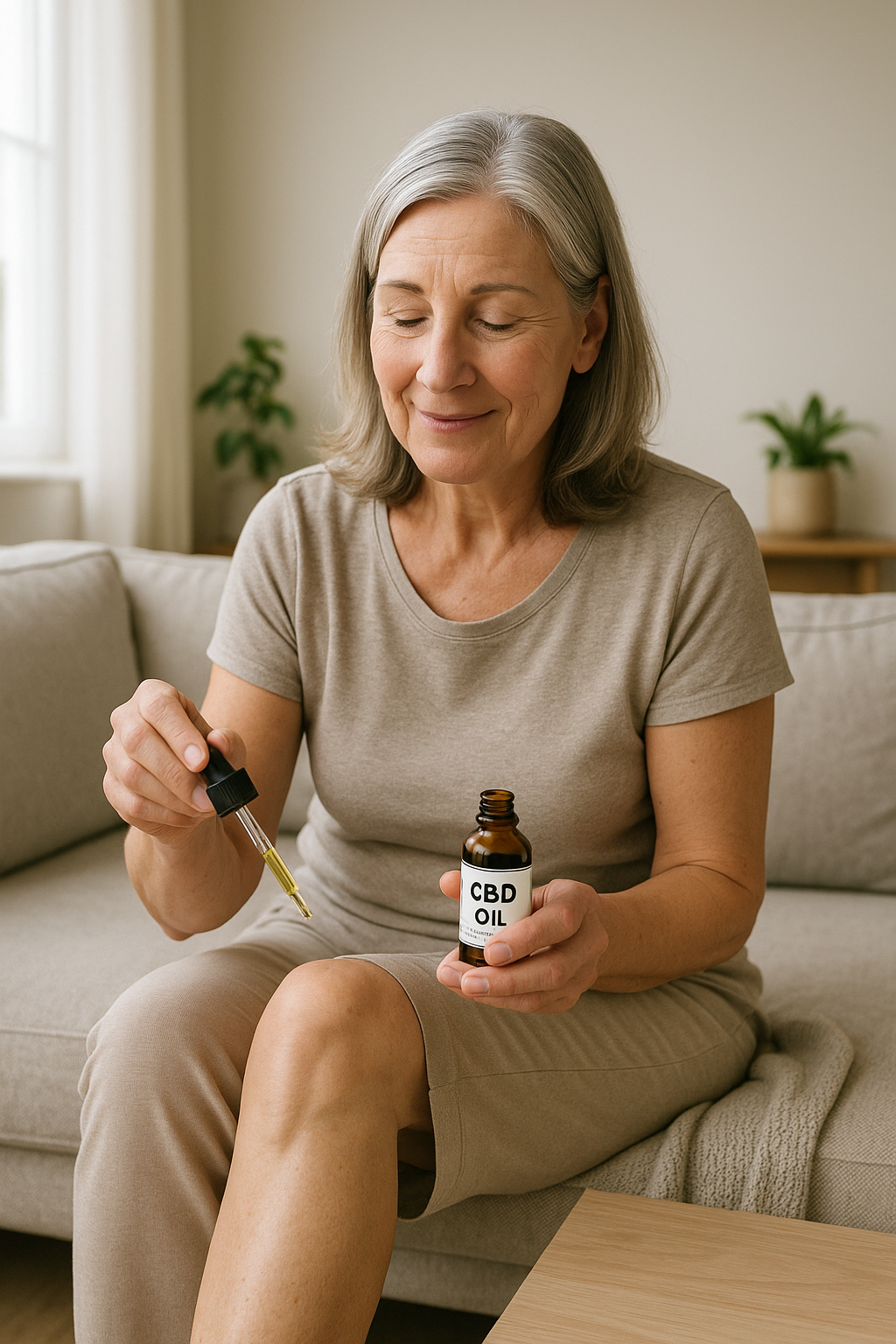
Last spring, a reader named Sheila emailed me a question I see a lot: “Is CBD oil really worth it for aching knees, or am I falling for another pain relief fad?” If you’ve ever winced stepping out of bed or struggled with stiff, swollen fingers, you know exactly why this question keeps coming up. Joint pain — whether from arthritis, old injuries, or just the grind of getting older — has a way of hijacking your focus every single day.
The Real-Life Burden: Why Joint Pain Feels Like a Full-Time Job
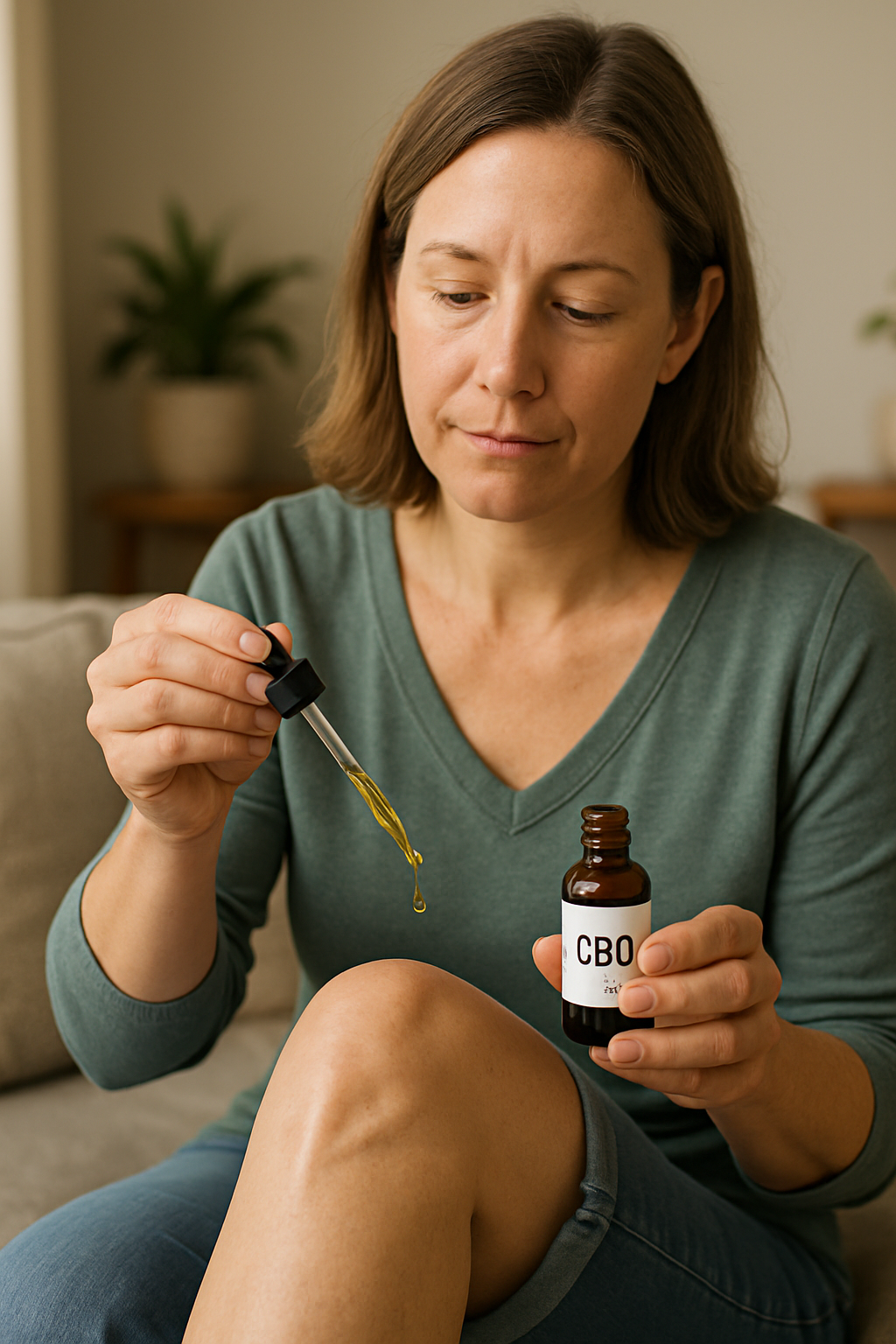
Here’s the thing: I’ve covered joint health for over 15 years, and nobody really talks about how joint pain warps your daily routine. It’s not just the pain — it’s the anticipation. Will the stairs be too much today? Can I garden, play with my grandkids, or just get out of the car without wincing? I remember my mother-in-law, a stubbornly independent woman, quietly stashing ibuprofen bottles in every purse and junk drawer. That creeping fear of ‘what if’ is exhausting.
And despite what those chirpy commercials claim, most of us aren’t looking for miracle cures. We’re looking for something that helps enough to take the edge off, so we can live our lives. This is where CBD oil slips into the conversation, promising less inflammation, less pain, and (allegedly) fewer side effects than the usual suspects. But does it deliver?
Where Did the CBD Hype Come From?
Cannabidiol (CBD) exploded onto the scene after the 2018 Farm Bill made hemp-derived CBD federally legal — sort of. Suddenly, CBD was in everything from face serums to dog biscuits. The part that matters for us? Early research hinted that CBD interacts with receptors involved in pain and inflammation, specifically CB1 and CB2 in the body’s endocannabinoid system. That’s the technical bit, but what you really want to know is: does the science back up the hype?
What We Actually Know — and What’s Still Up in the Air
Most articles gloss over this: as of 2024, there are hundreds of CBD studies, but only a handful directly tackle joint pain. In a 2020 review in Current Rheumatology Reports, researchers concluded that while animal studies looked promising (CBD reduced joint swelling in rats with arthritis), well-designed human trials are still scarce. There’s no pharmaceutical-grade, FDA-approved CBD for arthritis — not yet, anyway.
However, a few small clinical trials and lots of patient surveys suggest there is something here. For example, a 2022 survey published in Arthritis Care & Research found that about 29% of people with arthritis tried CBD, and among those, more than 60% reported relief from pain, sleep issues, or anxiety. Not mind-blowing, but not nothing either.
How CBD Works for Joint Pain and Inflammation (The Short Version)
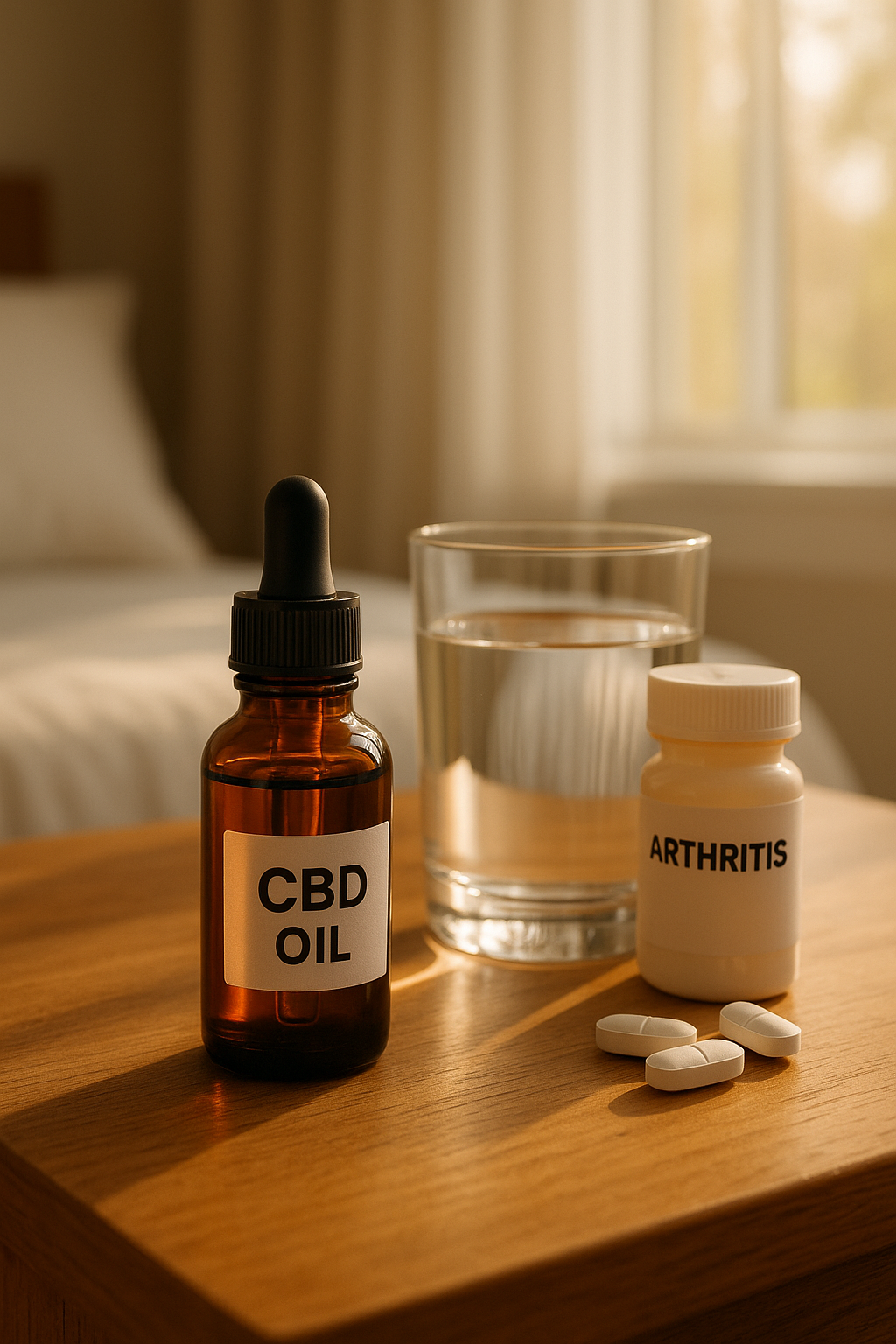
I’ve interviewed enough rheumatologists to know there’s no single “CBD effect” — it seems to work differently for everyone. But here’s the broad strokes:
- Anti-Inflammatory Action: CBD appears to dial down certain inflammatory signals (like TNF-alpha and interleukin-6) — the same troublemakers behind joint swelling and stiffness.
- Pain Modulation: It may change how nerves perceive pain, sort of like turning down the volume on a static-filled radio.
- Anxiety and Sleep: Many people find their pain feels less overwhelming when sleep and stress improve — and CBD is often reported to help with both.
But — and this is a big but — the dose matters, the delivery method matters, and the quality of the product matters more than you think. I’ve seen readers waste money on low-dose, poorly labeled tinctures that did nothing but drain their wallets.
CBD Oil for Joint Pain: What the Research (and Real People) Say
Look, I’m not here to sell you on snake oil. Here’s what the best research — and my real-world conversations — suggest:
1. Dosage: The Not-So-Simple Truth
Clinical studies often use much higher doses than what’s sold in drugstores. We’re talking 25-50mg of CBD per dose, sometimes even more. In a 2022 pilot trial in Rheumatology and Therapy, older adults with osteoarthritis needed at least 35mg twice daily to report meaningful relief. So those 5mg CBD gummies? Probably not cutting it for major joint pain.
2. Delivery: Topical vs. Oral
Some people swear by CBD balms or creams applied directly to sore knees or hands, while others prefer oral tinctures or capsules. Honestly? For swelling and localized pain, I’ve seen more positive feedback about topicals — especially when massaged in (the massage matters too!). If your pain is more widespread or you’re also battling anxiety, oral CBD might be worth a try.
3. Quality and Labeling: The Wild West
This is where I get frustrated. The CBD market is notoriously under-regulated. One 2022 JAMA study found that over 50% of products were mislabeled — some containing zero CBD, some laced with more THC than advertised (which could cause unwanted ‘highs’ or interact with medications). At minimum, look for products with third-party lab results available on their website, and avoid anything that won’t disclose its source.
What to Expect: Results Aren’t Instant (But They Can Be Real)
Most honest users don’t report dramatic, overnight relief. It’s more like a gradual fade — less morning stiffness, less throbbing after activity, a little more ease moving through the day. A reader in Dallas told me last month: “I realized it was helping when I could actually zip my coat without wincing in the morning — something I hadn’t done in years.”
Is it a game-changer for everyone? Absolutely not. But about 1 in 3 regular users (based on patient surveys) get enough benefit to keep using it. And for people who can’t tolerate NSAIDs or want to cut down on daily pills, that’s nothing to sneeze at.
How to Try CBD Oil Safely for Joint Pain
Here’s my best real-world advice, after hearing from dozens of readers and experts:
- Start low, go slow. Try a low dose for a week, then gradually increase every few days if tolerated. Most people settle between 25-50mg per day for joint pain, divided into two doses.
- Be consistent. Effects build up over time — give it at least 2-4 weeks before you judge.
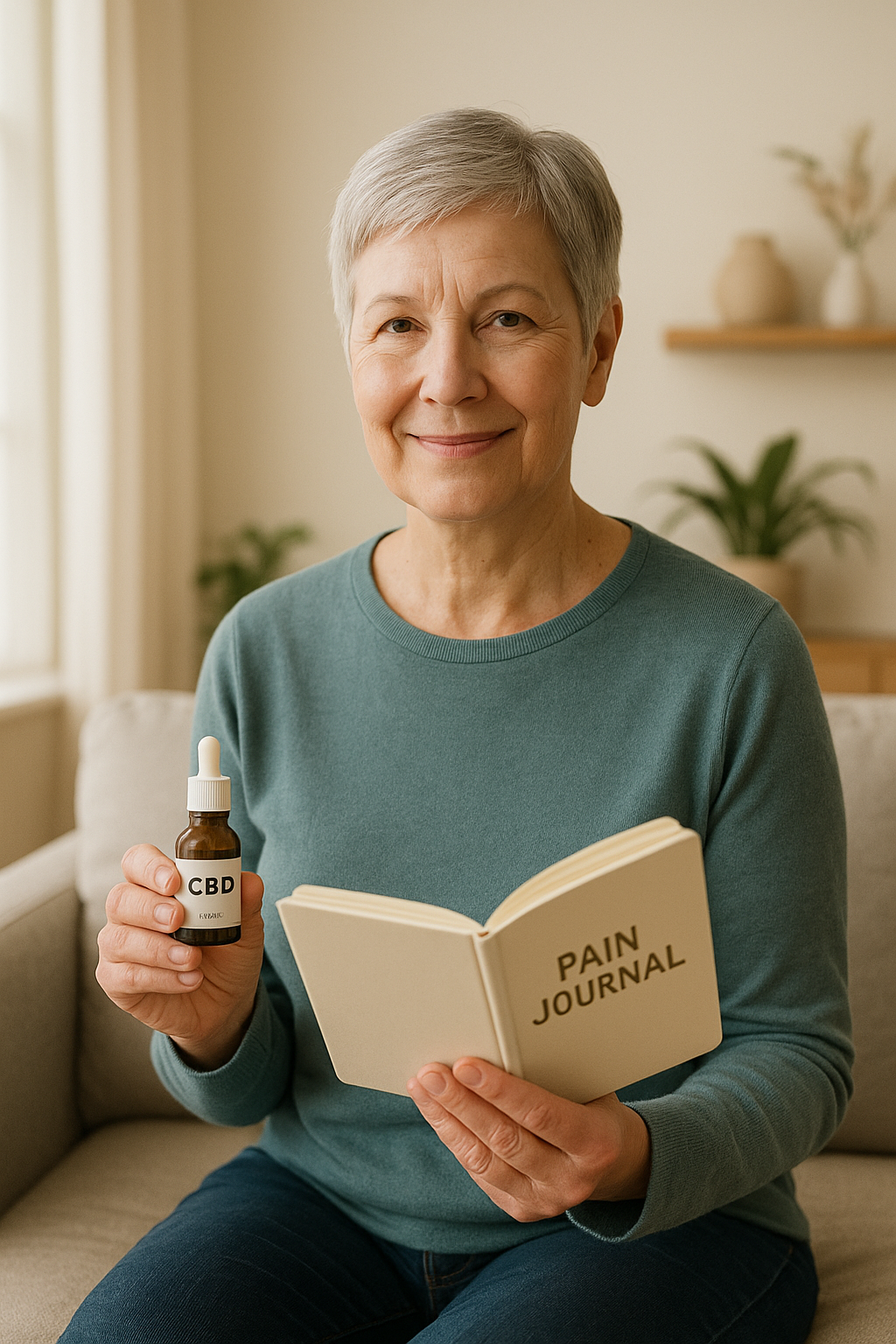
- Track your symptoms. I’m a fan of pain journals (even just jotting a 1-10 score each morning). Helps you spot real change, not wishful thinking.
- Check with your doctor. Especially if you’re on medications for blood pressure, blood thinners, or have liver issues. CBD isn’t risk-free, and it can interact with some meds (a fact most influencers skip entirely).
CBD as Part of a Bigger Joint Relief Plan
Here’s where I get a little controversial: CBD is not a solo miracle. The biggest improvements I’ve seen come when people combine CBD with other joint-friendly habits and tools.
Other Tools That Actually Help
- Movement: Gentle exercise (think walking, cycling, yoga) keeps joints lubricated and muscles strong. I often recommend Jim Johnson’s book Treat Your Own Knees for simple, research-backed routines.
- Anti-inflammatory diet: Omega-3s, colorful veggies, less processed junk. There’s a reason the Mediterranean diet keeps popping up in Arthritis & Rheumatology studies.
- Topical pain relief: For those days when nothing else helps, a proven topical like Voltaren Arthritis Pain Gel is still my go-to for quick, targeted relief.
- Mind-body strategies: Meditation, deep breathing, and even warm baths can dial down that pain-anxiety loop. Don’t underestimate them.
If you’re nodding along, you’re not alone — most people need a mix-and-match approach to keep joint pain at bay. And honestly, anyone promising you a single “cure” is selling more hope than help.
What About Side Effects? Don’t Ignore These
I know CBD sounds gentle, but it does cause side effects for some. The most common (at doses above 30mg/day): dry mouth, mild drowsiness, upset stomach, or loose stools. Rarely, liver enzymes can rise — so it’s smart to check with your doctor, especially if you take other meds or have liver problems.
And here’s another thing: CBD can interact with some prescription drugs, especially blood thinners (like warfarin) and certain heart meds. So again, talk to your doctor or pharmacist before layering it on top of your regular medications. No shame in being thorough!
My Personal Take: Is CBD Worth Trying for Joint Pain?
Here’s my honest, no-nonsense answer: For some folks, CBD oil really does take the edge off stubborn joint pain and inflammation. I’ve seen readers and even a family member get just enough relief to move more freely, sleep better, and, most importantly, enjoy life a little more. But it’s not magic — and it’s not for everyone.
If you’re curious, choose a reputable brand, start slow, and track your results. Don’t drop your doctor-prescribed meds without a conversation. And view CBD as part of a bigger pain relief strategy — not the whole plan.
Key Takeaways: What Matters Most
- CBD oil may help reduce joint pain and inflammation — but results are modest, not miraculous, and best when used consistently.
- Quality and dose matter; look for third-party tested brands and aim for at least 25mg per dose if your doctor agrees.
- Topicals might be better for targeted pain; oral CBD is worth a shot for widespread aches or sleep/anxiety support.
- Combine CBD with exercise, anti-inflammatory diet, and proven topicals (Voltaren is my household staple) for the best results.
- Always talk to your healthcare provider before adding CBD — especially if you take prescription meds.
Still got questions or a CBD story to share? Email me ([email protected]). I read every note — and sometimes your comments shape my next deep dive.
Warmer, easier days ahead (and maybe a little less limping up the stairs).
KAREN WHITFIELD
Health columnist, arthritis advocate, and perpetually curious about what actually works for joint relief. Featured in Everyday Health, Prevention, and Arthritis Today.