CBD Oil for Joint Pain and Inflammation: The Real Story
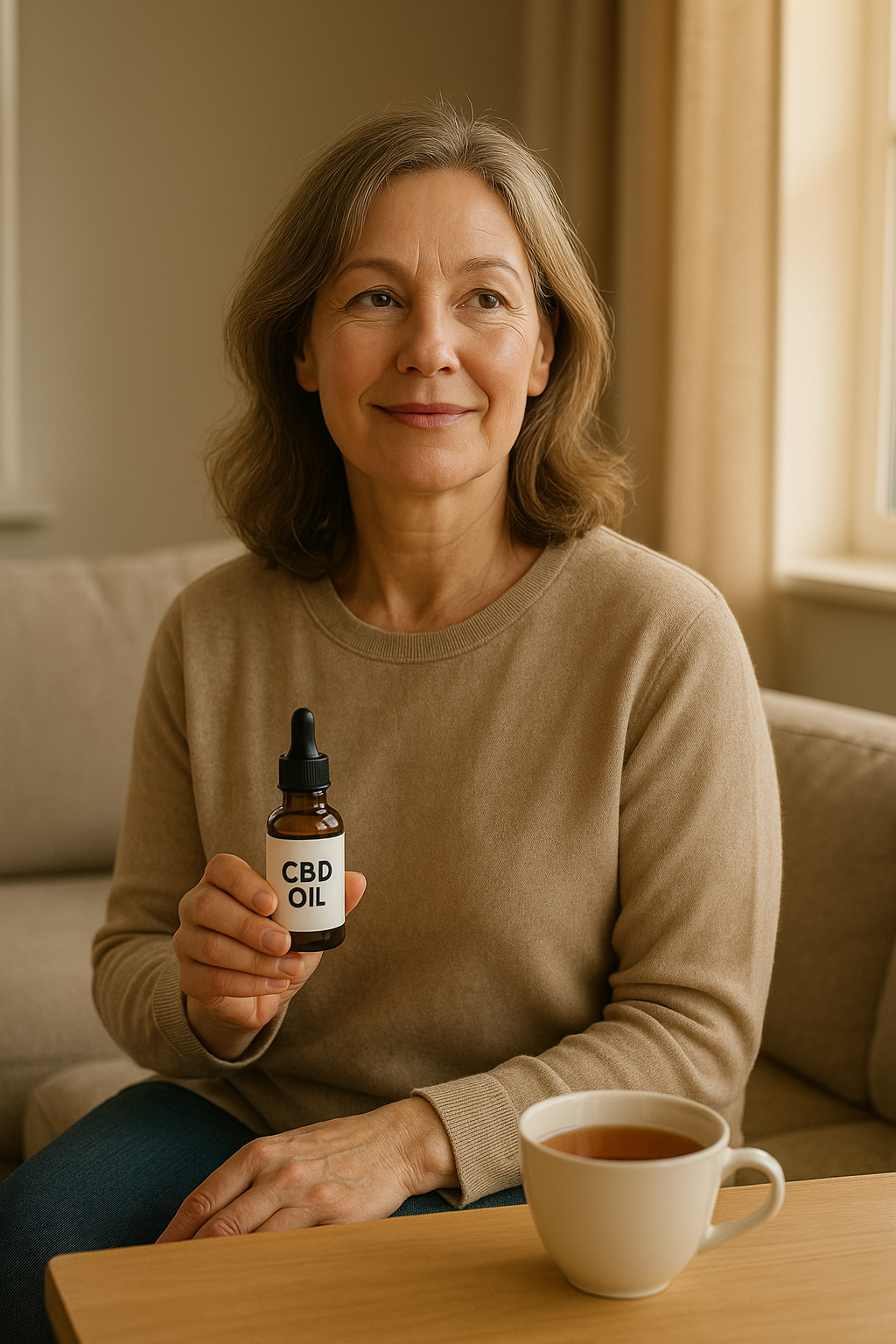
Last month, my neighbor Martha stopped me mid-dog walk—her knees, she said, were so stiff she could barely make it to the corner store. "Linda, have you heard about this CBD oil everyone's raving about for joint pain?" she asked, waving a tiny bottle at me like it was some kind of magic potion. And honestly? I get this question at least three times a week, both from friends and readers. If you’re nodding along, you’re not alone.
Why Everyone’s Watching CBD
Here’s the thing: Chronic joint pain—especially from osteoarthritis or rheumatoid arthritis—can be relentless. I spent nearly two decades working with orthopedic patients, and I know what that pain looks like: the grimace when someone gets out of a chair, the wince during the first few morning steps. The usual suspects (NSAIDs, heating pads, compression sleeves) help, but side effects and diminishing returns are real. That’s why, when something promising comes along—like CBD oil—it gets attention. Sometimes too much attention.
What Is CBD Oil, Anyway?
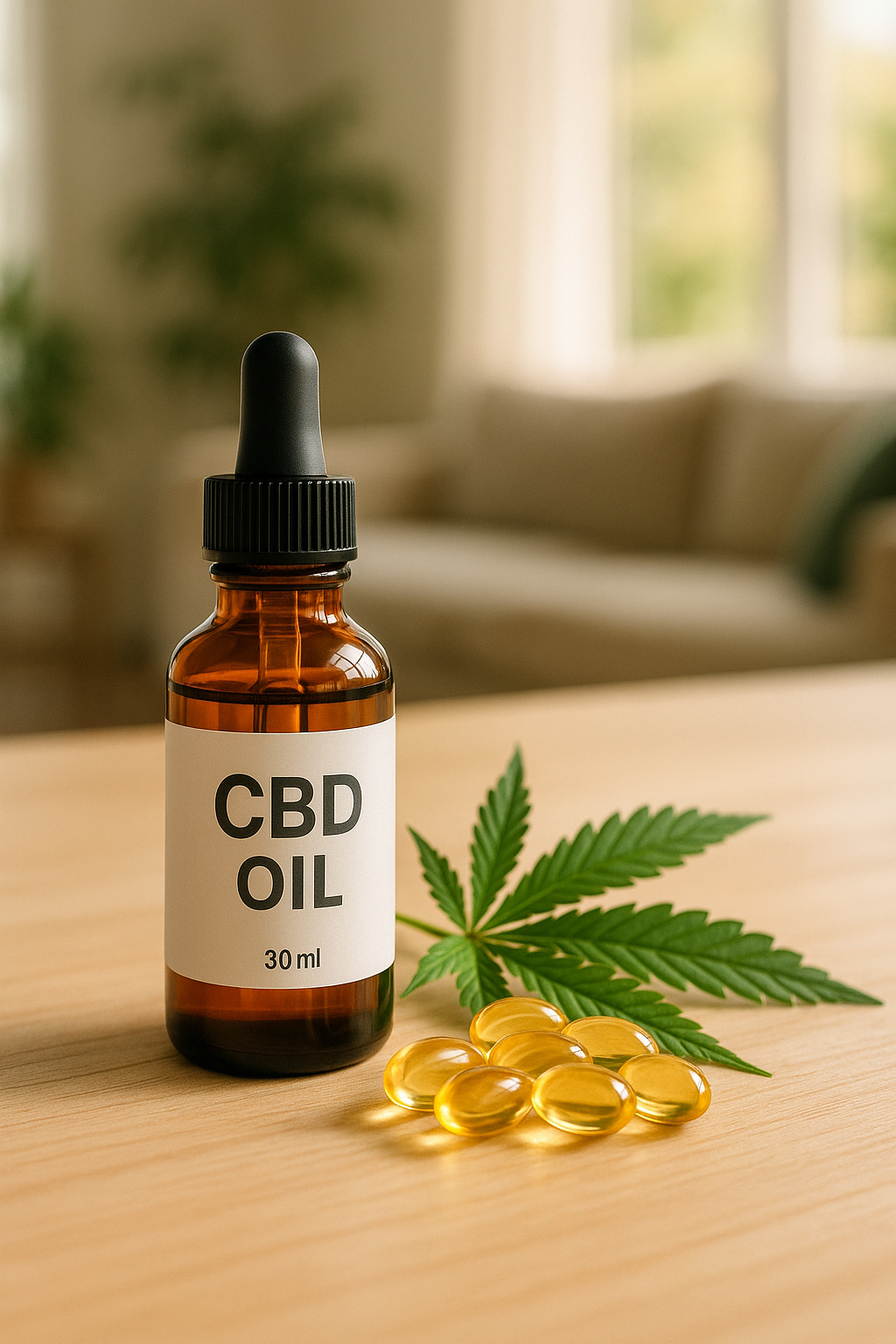
First, a quick primer. CBD (cannabidiol) is a compound found in hemp and cannabis plants. Unlike THC, it won’t get you high. Most over-the-counter CBD oil products are derived from hemp, thanks to the 2018 Farm Bill, and you don’t need a prescription to buy them in most states.
CBD oil comes in tinctures (those little dropper bottles), capsules, gummies, creams—you name it. The oil itself is usually taken under the tongue (sublingually) or swallowed. Topical versions are rubbed onto sore spots directly. Dosages are all over the place—5mg per serving, 25mg, 100mg per mL—no two bottles are quite the same. It’s the Wild West out there, not gonna lie.
Does the Science Actually Support CBD for Joint Pain?
This is where things get interesting. If you read glossy magazine articles, you’d think CBD is a cure-all. But science moves slower than hype. Here’s what we do know:
- Animal studies look promising: Back in 2016, a European Journal of Pain study found that topical CBD reduced joint swelling and pain behaviors in arthritic rats. (Yes, rats. Still, it’s a start.)
- Early human trials are underway: There was a small 2020 randomized trial published in Arthritis Care & Research—with 36 participants using CBD gel for hand osteoarthritis. The outcome? Modest pain reduction compared to placebo, but not statistically significant.
- Many real people swear by it: Anecdotally, I’ve heard from dozens of readers who say CBD oil eases their aches when nothing else does. But is it the CBD? The placebo effect? A combination?
- Experts are cautiously optimistic: The Arthritis Foundation (yes, the big one) put out a cautious statement in 2019 saying CBD “may help with arthritis-related symptoms, such as pain and insomnia,” but they want more research before giving it a full green light.
So, the bottom line: We don’t have gold-standard, large-scale human studies for CBD and joint pain—yet. But the early, hopeful signals (and the sheer number of people reaching for it) are hard to ignore.
How Might CBD Help with Inflammation?
Here’s where the science gets nerdy—but stick with me. Our bodies have something called the endocannabinoid system (ECS). It’s involved in regulating pain, inflammation, and immune responses. CBD is thought to interact with ECS receptors, possibly dialing down inflammatory signals and dulling pain perception. Some studies (see Frontiers in Pharmacology, 2018) show CBD can inhibit cytokine production—those pesky inflammatory messengers that get joints all riled up.
In other words, there’s a plausible mechanism for why CBD could help with joint pain and swelling. But, and this is a big but, how much you need and how best to deliver it (oil, gel, capsule?) is still wide open.
CBD Oil vs. Traditional Remedies: My Perspective
Let’s talk turkey. In my clinical years, I saw a lot of folks run the gamut: ibuprofen, glucosamine, heating pads, copper bracelets—the works. Many swear by classic treatments, but not everyone gets relief. Here’s my honest take:
- CBD oil might be worth a try if you’ve hit a wall with other options, especially for mild-to-moderate discomfort. It’s usually well-tolerated.
- Start low and slow: I tell anyone trying CBD: begin with a low dose, maybe 5-10mg per day, and see how you feel after a week. If no improvement, gradually increase. Everyone’s ECS is a little different, and more isn’t always better.
- Don’t ditch your doctor: CBD can interact with some medications (blood thinners, mostly). Always mention new supplements at your next visit. Don’t skip this step—seriously.

How to Choose a Safe CBD Oil — My Checklist
Look, I’ve tested a handful of CBD oils myself (brands like Charlotte's Web, Lazarus Naturals, and a few I won’t name because I’m still not sure what was in those bottles). Here’s what I always check before recommending any CBD oil for joint pain:
- Third-party lab results (COA): This is non-negotiable. The Certificate of Analysis should show exactly how much CBD (and THC, if any) it contains. No COA, no deal.
- Full-spectrum vs. isolate: Full-spectrum CBD contains trace cannabinoids and terpenes, which may enhance effectiveness via the so-called “entourage effect.” Some people (especially those drug-tested for work) prefer THC-free broad-spectrum or isolate.
- Transparent sourcing: US-grown, organic hemp is my preference. I avoid oils sourced from overseas or without clear farm info.
- Carrier oil quality: MCT oil and hemp seed oil are the gold standard—easy on the stomach, quick absorption.
- Dosing clarity: You’d be amazed how many bottles list “hemp extract” but not actual CBD milligrams per serving. Be choosy.
The real kicker? Some bottles at your corner store have little to no CBD at all. Stick with established brands, or ask your pharmacist for recommendations.
Combining CBD With Other Joint Relief Strategies
Here’s where I’ll get real: No single product—CBD oil included—is a silver bullet. My best results (both for myself and my patients) always came from a mix of strategies. For example:
- Physical therapy or gentle exercise: Daily stretching and strengthening, as outlined in books like Treat Your Own Knees, can literally change lives. I’ve seen 70-year-olds regain flexibility they thought was gone.
- Compression sleeves: Lightweight, affordable options like the Modvel Compression Knee Brace offer day-to-day comfort for sore, swollen joints, especially during activity.
- Topical options: If oral CBD isn’t your thing, there are a handful of topical CBD creams out there. But for arthritis, many of my patients still love quick-acting options like Voltaren Arthritis Pain Gel (an OTC topical NSAID, not CBD, but thoroughly proven in clinical trials).
- Supplements: Some people add glucosamine-chondroitin, turmeric, or even MSM. There’s good evidence for some of these—see the 2018 review in BMJ Open—but always run new combos by your pharmacist or primary doc first.
For a handful of my readers, CBD oil fit neatly into this mix—usually on days when pain flares or sleep suffers. But for others? It was just one more bottle on the nightstand. Your mileage may vary.
Are There Side Effects or Risks?
Here’s the honest truth: CBD is generally well-tolerated, but it’s not risk-free. Common side effects include dry mouth, mild drowsiness, and sometimes GI upset. High doses (over 200mg daily) can stress the liver—especially if you’re taking other meds. And, while rare, some people report lightheadedness or a change in appetite.
If you’re on blood thinners, seizure meds, or have significant medical problems, don’t go solo. Talk to your doctor before adding CBD oil for joint pain. (Yes, I sound like a broken record. It’s worth repeating.)
What’s the Best Way to Take CBD Oil for Joint Pain?
I usually suggest starting with sublingual (under-the-tongue) tinctures for fastest effect, especially if whole-body pain is the issue. You feel effects in about 30-60 minutes, and it’s easy to titrate the dose. For localized pain, some prefer rubbing a CBD salve or cream directly on the sore joint. Topicals don’t help everyone, but some folks swear by them—especially for hands, knees, and shoulders.
Capsules and gummies are convenient but take longer to kick in (about 1-2 hours). The trade-off: longer-lasting, steadier effects. But be wary of sugar-filled gummies if you’re watching your diet.
Most people I know start with 10-20mg once or twice daily and adjust up if needed. The sweet spot, according to surveys in Arthritis & Rheumatology, is often 20-40mg per day for joint pain. More isn’t always better. And always buy from a reputable source.
The Honest Limitations (And What Most Articles Won’t Tell You)
I know this is unpopular, but I’ll say it anyway: CBD oil for joint pain and inflammation isn’t a miracle—at least, not for most people. If it was, we’d see rheumatologists handing it out like candy. The science is promising, but inconsistent. Some people notice a real difference in their pain, swelling, or sleep. Others…not so much.
What’s more, CBD oil quality varies wildly between brands, and it’s expensive. A mid-range tincture can run $40-100 a bottle. If you see a $15 bottle claiming to be 1,000mg, be skeptical.
The silver lining? When CBD works, it tends to work quickly—sometimes within days. And the safety profile is better than many prescription drugs. Just don’t let marketing hype convince you it’s the only answer.
My Takeaways for Real People (Not Lab Rats)
- CBD oil is a tool, not a cure-all. If you’re struggling with joint pain and inflammation, it may be worth trying—especially if you’ve already tried physical therapy, weight loss, classic supplements, and topical NSAIDs.
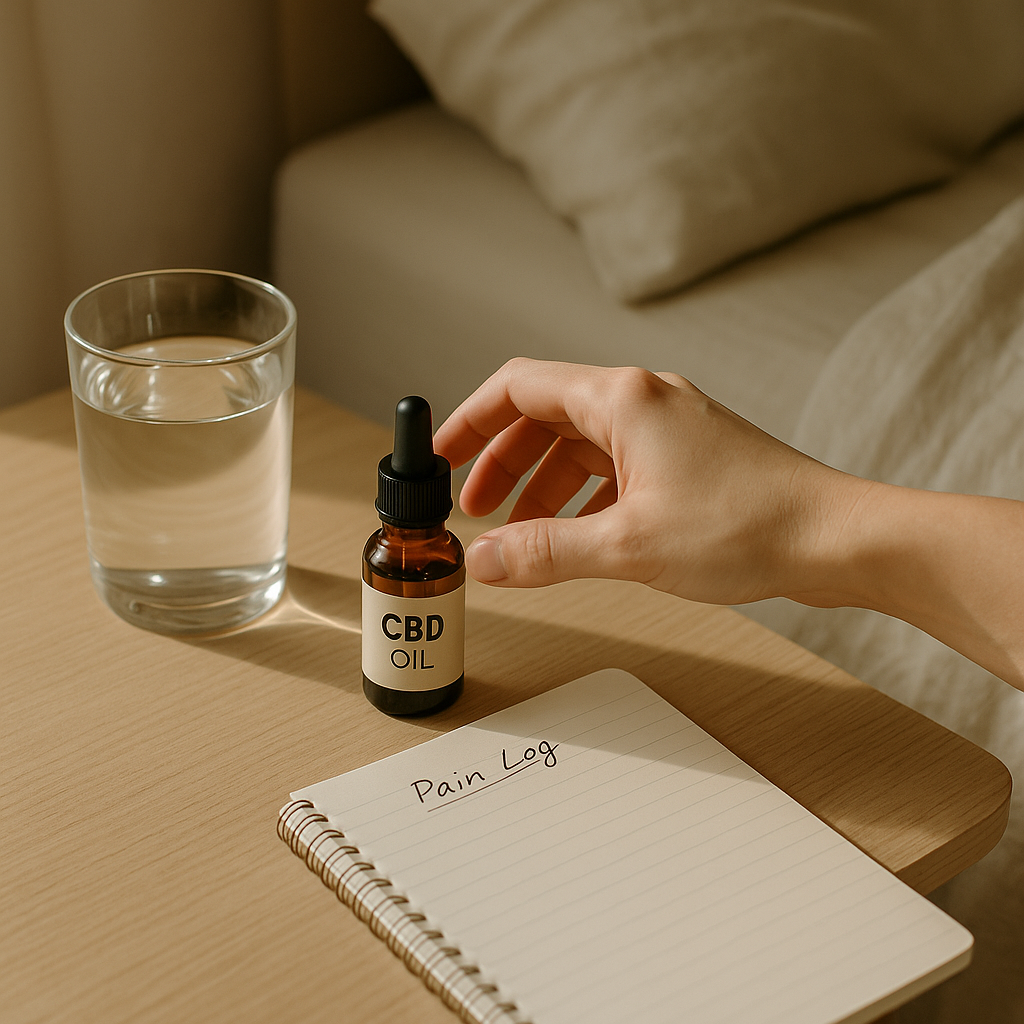
- Go slow, watch for interactions, and keep a pain journal. I love seeing readers walk into their doctor’s office with a week of notes about what helped, what didn’t, and how they felt. It makes shared decision-making so much easier.
- Pick a quality product. Look for third-party testing, clear dosing, and a brand that publishes their full ingredient list. If they hide behind "proprietary blend," I’d pass.
- Layer your tools. Don’t feel bad if what works for your neighbor doesn’t work for you. Consider adding CBD oil to other safe, proven strategies—like gentle exercise, knee braces, or topicals.
- Talk to your doctor before starting—especially if you’re on medications. That’s my nurse brain talking, but it’s important.
Bottom line? CBD oil is here to stay, and for some, it’s a genuine game-changer. For others, maybe not. The only way to know for sure is to try it safely, patiently, and with your eyes wide open. And if you want to share your results, I’d love to hear from you—my email inbox is always open.
Stay well, and keep moving—one step at a time.
Linda Hargrove, RN, is a health writer and long-time orthopedic nurse who now helps readers find research-backed relief for joint pain at JointReliefReviews.com.