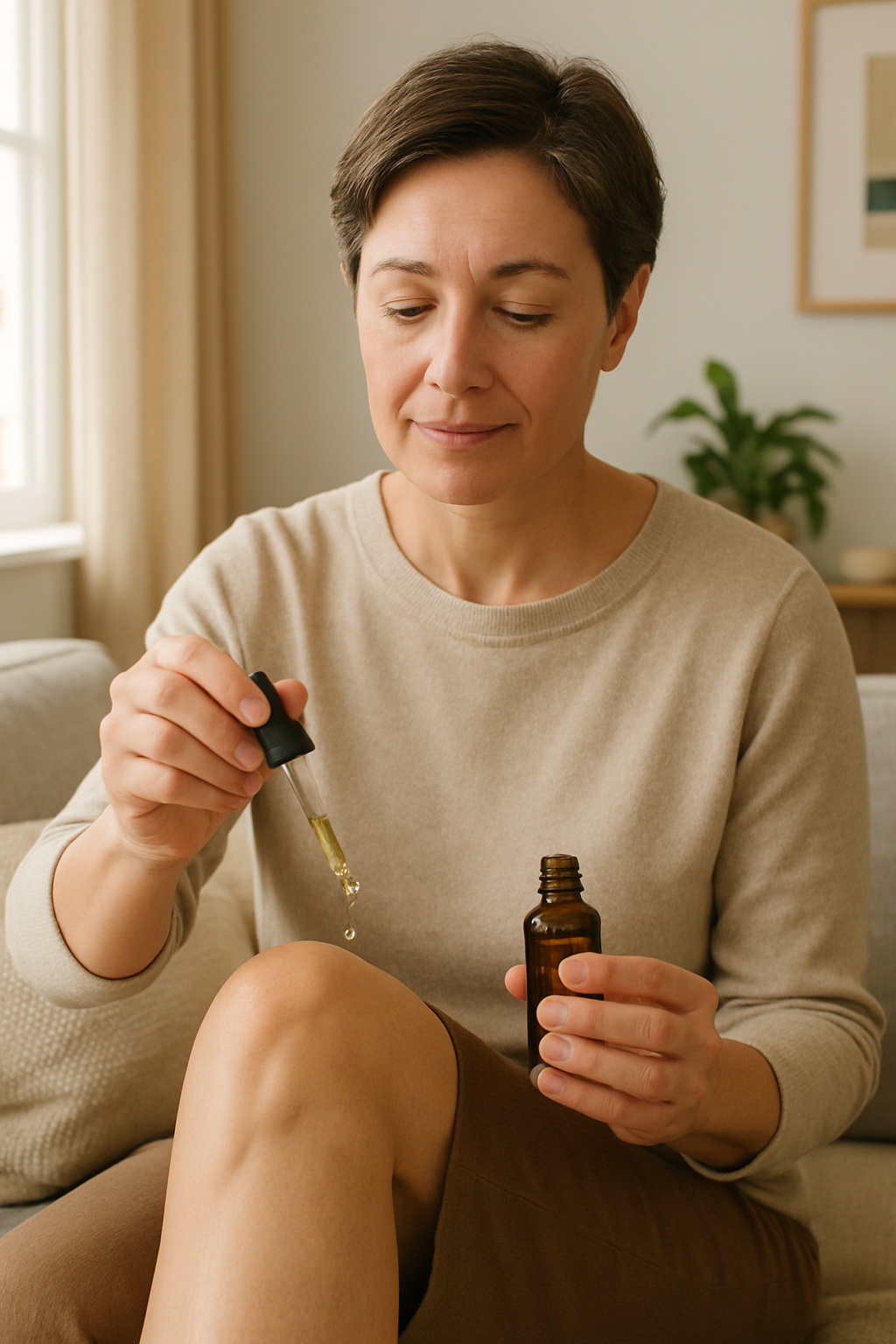
CBD Oil for Joint Pain and Inflammation: My Honest Take After Years in Practice
I’ll never forget the first time a patient quietly asked me, as I adjusted her post-surgery knee brace: “Have you ever heard of CBD oil for joint pain? My daughter swears by it, but is it just snake oil?”
Since then, that question has come up at least once a week in my clinic. And I get it. The buzz about CBD seems everywhere—online, in magazines, at the pharmacy checkout. But is it hype, or could it be the missing piece for those of us limping through arthritis flares and morning stiffness?
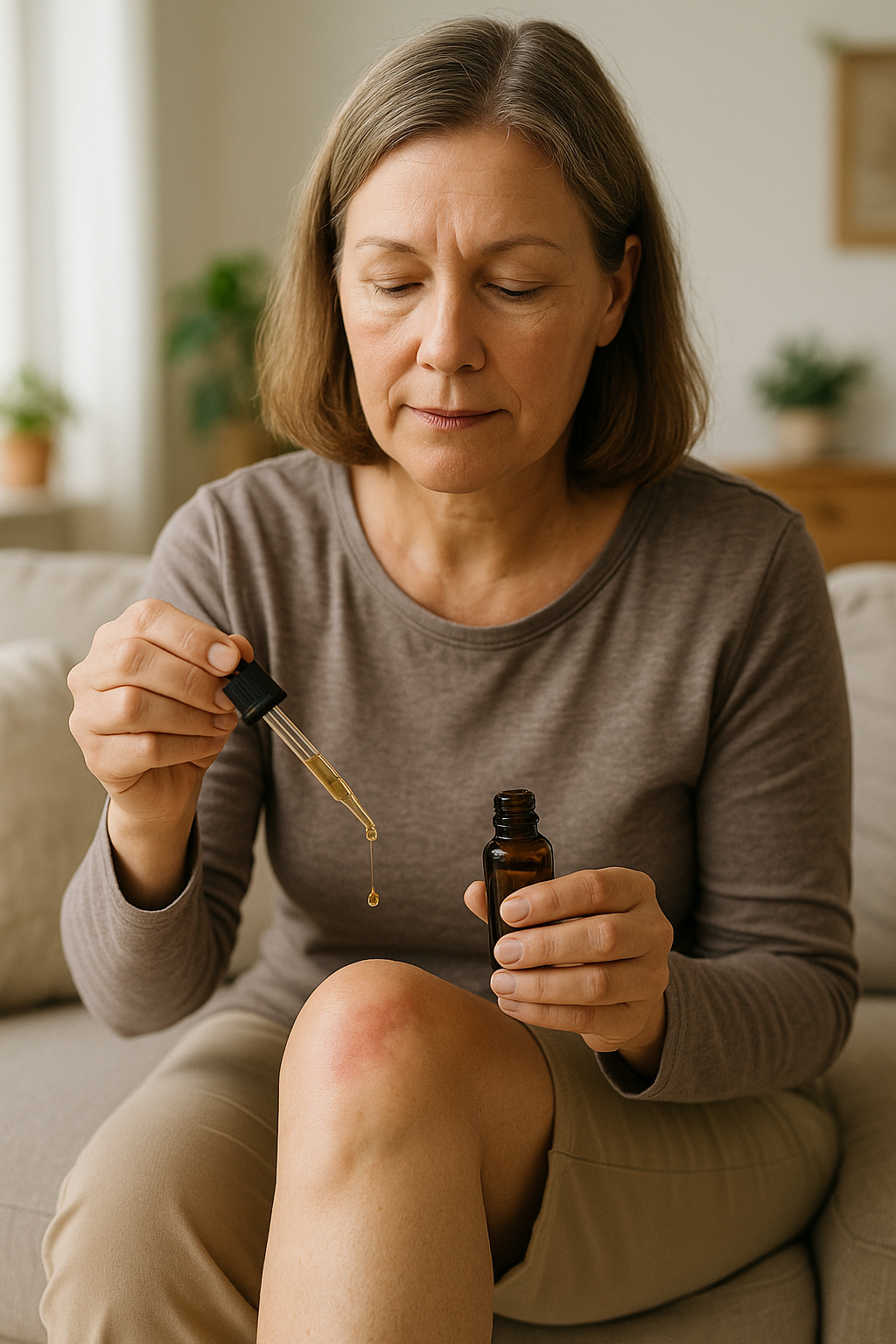
What It’s Like to Live With Joint Pain (And Why People Are Desperate for Relief)
Let’s just call it like it is: Living with joint pain—in your knees, hips, hands, or even your lower back—can make daily life feel like walking through mud. Some mornings, it’s a win just to get out of bed and pour your coffee without wincing. Forget training for 5Ks or even gardening on the weekends. I’ve seen patients—high school athletes and great-grandparents alike—whose whole personalities start to shrink as their mobility fades.
And, if you’ve tried the usual over-the-counter painkillers, prescription anti-inflammatories, or the endless parade of topical creams, you know the drill. Sometimes they help… for a bit. But the side effects (hello, stomach issues and brain fog) or the risk of overuse is real. That’s why so many are looking at CBD oil as an alternative—or at least, something new to try.
CBD Oil 101: What It Is, and How It’s Supposed to Work for Pain
Here’s the thing: CBD (short for cannabidiol) is a non-intoxicating compound found in hemp and cannabis plants. No, it won’t get you high. But it does interact with your body’s endocannabinoid system—a kind of “cellular communication network” that helps regulate pain, inflammation, mood, and more. That’s why, in theory, CBD might make sense for aching joints.
But the science can get confusing fast, even for clinicians like me. A lot of the best research on CBD is honestly still new and sometimes conflicting. Still, some of the most interesting studies—like a 2020 review in Pain—suggest that CBD may have the ability to reduce both inflammatory and neuropathic pain signals by impacting CB2 receptors found throughout your immune and musculoskeletal systems.
Meanwhile, animal studies (yeah, think mice and rats) show CBD reduces joint swelling, pain scores, and markers of inflammation. Human research? It’s growing, but still a mixed bag. A 2022 double-blind trial in Arthritis & Rheumatology found that topical CBD gel showed mild improvements in knee osteoarthritis symptoms compared to placebo—but not a dramatic difference. Yet I’ve had patients swear that using CBD drops before bed noticeably eases their morning stiffness. Honestly, I think we’re still only beginning to unravel who benefits and why.
CBD Oil for Arthritis: What the Real Research (and Patients) Say
Let’s get granular for a second. The Arthritis Foundation ran a survey of nearly 2,600 people with arthritis in 2019, and over 29% reported using CBD—mainly for pain and inflammation. About three-quarters of those CBD users said it helped "a little" or "a lot" with pain. That’s not a home run, but it’s not nothing, either.
Clinical trials? There aren’t a ton (yet), and results are mixed—partly because CBD products vary wildly in potency, purity, and even how you take them (oil, cream, capsule, you name it). But what I see in practice is this: For some, especially those who haven’t gotten what they need from traditional painkillers, CBD oil is a gentle option worth trying. Just remember, talk to your doctor or pharmacist first, especially if you’re on other medications. I’ve had one patient on blood thinners who experienced bruising after starting high-dose CBD—so it’s not risk-free.
Choosing a CBD Oil: What Actually Matters for Joint Pain Relief
Here’s where things can get overwhelming. The CBD market is, frankly, a Wild West. So here’s what I recommend looking for (and what I check myself when reviewing brands for JointReliefReviews):
- Third-party lab testing (look for a recent COA—certificate of analysis—right on the website for proof of purity and strength)
- Clear dosing info — you want to know how many milligrams of CBD are in each dropper or capsule
- Full spectrum vs. isolate — for joint pain, I often suggest starting with full-spectrum or broad-spectrum CBD, since these products contain other hemp compounds (which may boost the effect through the so-called "entourage effect")
- Realistic price (I’ve seen $19 tinctures that work as well—or better—than $120 boutique brands!)
And avoid any brand that dodges questions about sourcing, extraction, or third-party testing. Transparency matters. Not gonna lie, there are sketchy products out there.
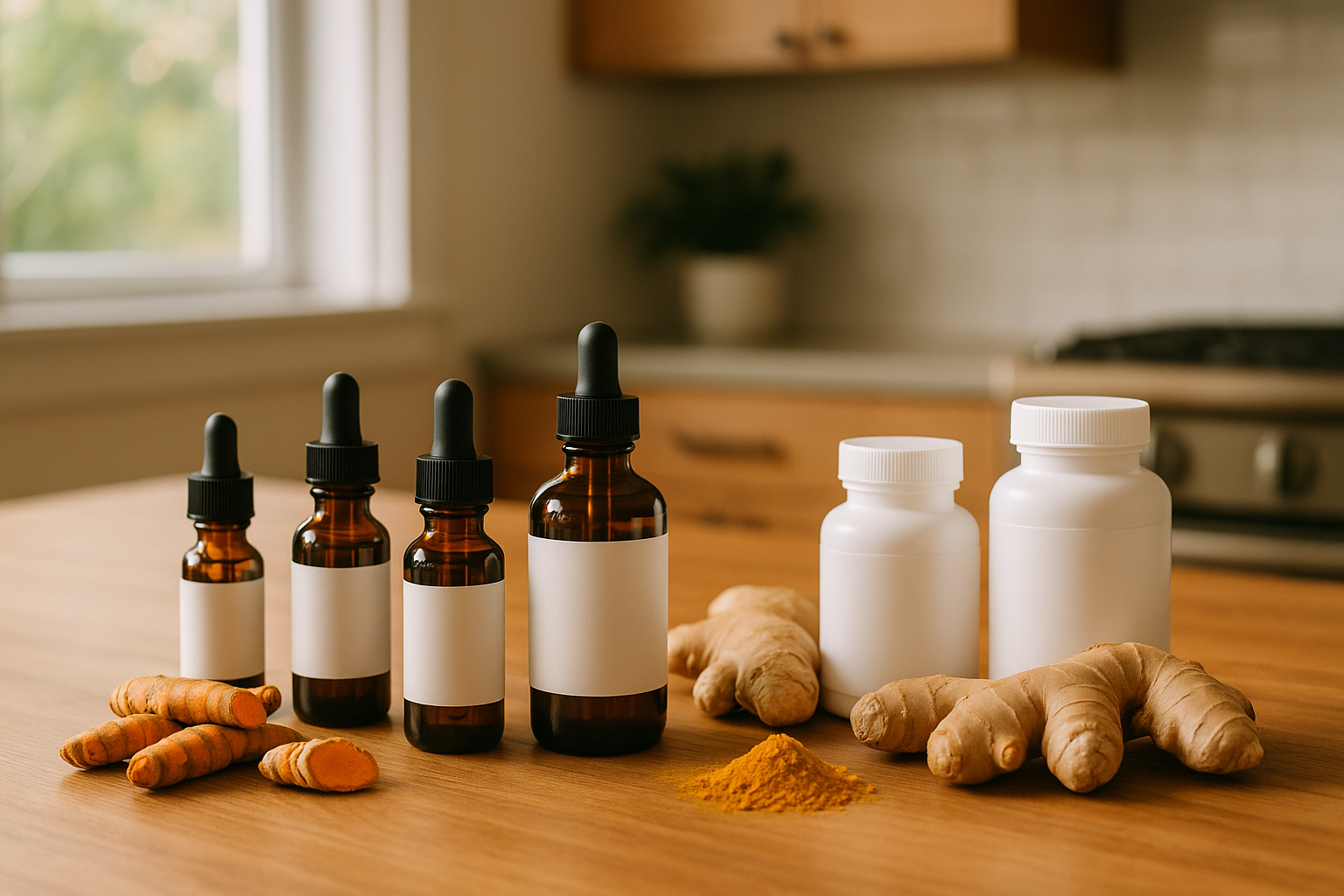
How to Use CBD Oil for Joint Pain: Dosage, Timing, and Best Practices
Here’s where it gets tricky. There’s no universal dosing guideline—so it’s really about low-and-slow experimentation.
- Most people with joint pain start with oral CBD oil tinctures, taking 10-20mg once or twice daily.
- Gradually increase by 5-10mg every few days, up to your comfort limit (I rarely see doses above 50mg/day for osteoarthritis, but some chronic pain patients go higher).
- Topical CBD balms or creams are worth layering on—especially for fingers, knees, or wrists that ache after activity.
- Give it at least 2-4 weeks before you judge results. Consistency is key with all anti-inflammatory routines.
One caveat: If you’re pregnant, breastfeeding, or have major liver conditions, hold off. More safety research is needed. And again, check for med interactions—especially with blood thinners, antidepressants, or anti-seizure meds.
Stacking CBD With Other Joint Relief Tools: My Real-World Approach
I’ll be honest—most of my patients who get the best results from CBD oil aren’t just depending on one thing. They’re using it alongside gentle exercise, mindful nutrition (think anti-inflammatory foods), and smart pain relief tools.
For example, pairing CBD oil with a Modvel Compression Knee Brace (which, by the way, is shockingly affordable and actually stays put thanks to the silicone strips) can make a noticeable difference if you’re trying to manage swelling and keep moving comfortably throughout the day. I even wear these sleeves myself when my own knee gets cranky after long hikes.
And if heat therapy is your go-to, a large, moist heating pad like the Pure Enrichment PureRelief XL Heating Pad can help "prime" stiff joints before activity or ease them at night, especially when combined with a topical CBD rub. That’s a combo many of my more sensitive patients swear by. (Just be careful not to use heating pads over CBD balms if the product contains menthol—some find the combo too intense.)
The real kicker? Lifestyle still matters. You can’t "out-supplement" a sedentary, inflamed routine. The CBD helps, but it’s not a magic bullet. And the best brands are honest about that.
CBD Oil vs. Traditional Joint Supplements: Where Does It Fit?
Here’s a common question: Should I take CBD oil instead of my glucosamine, chondroitin, or turmeric pills?
My take? CBD isn’t a replacement for proven joint-support nutrients, but it’s a useful adjunct. For example, a comprehensive supplement with glucosamine, chondroitin, turmeric, and MSM (like Glucosamine Chondroitin Turmeric MSM & Boswellia) supports cartilage health and flexibility, while CBD primarily targets pain and inflammation signaling pathways. In my experience, some patients feel better using both—especially during flare-ups or after a tough physical therapy session.
Just don’t go overboard with too many new supplements at once. Start one thing, track how you feel, and share the list with your doctor or pharmacist.
Real Talk: Who Should (and Shouldn’t) Try CBD Oil for Joint Pain?
If you’re nodding along, you’re not alone. I’ve recommended trying CBD oil to folks who:
- Have mild to moderate joint pain that isn’t fully controlled by lifestyle or classic pain relievers
- Are struggling with side effects from prescription anti-inflammatories
- Want to avoid more medications or "just take the edge off" pain, especially at night
But if your pain is severe, sudden, or worsening rapidly, don’t skip the medical exam. Sometimes joint pain means infection, gout, or even a torn ligament—stuff that needs real intervention, not just symptom management. And if you have a history of allergy to hemp products, steer clear.

What to Watch For: Side Effects and Quality Control
Most people tolerate CBD oil just fine, but mild side effects like dry mouth, lowered blood pressure, sleepiness, or GI upset can happen—usually with higher doses (over 50mg/day). If you notice new bruising, drowsiness, or interactions with your regular meds, pause and call your provider.
And here’s my unpopular opinion: If a CBD brand promises the moon, huge overnight results, or claims to "cure arthritis," run the other way. The best-case scenario is gentle, steady improvement—NOT miracle cures. Trust the slow-and-steady approach.
The Bottom Line (and How I Advise My Own Family)
CBD oil isn’t magic—but for many, it offers a gentle, side-effect-friendly way to reduce joint pain and inflammation, especially when stacked with smart movement, heat therapy, and proven supplements. The strongest evidence so far? Mild-to-moderate relief for chronic knee, hand, or hip arthritis, usually with full-spectrum CBD at 15-40mg/day, and best results after 2-4 weeks of steady, daily use.
And look, I won’t pretend it works for everyone. My own mother-in-law tried three brands before finding a tincture that helped her hands unlock each morning. (She still swears by her heating pad and stretching too.) But I’ve seen enough small wins—real people moving easier, living fuller lives—to believe CBD oil deserves a fair shake in the joint pain toolbox.
If you’re curious, start slow, pick a reputable brand, and keep your provider in the loop. There’s no shame in wanting to feel good again—one drop (or sleeve, or heat wrap) at a time.
Dr. Sarah Mitchell, DPT — Senior Health Editor, JointReliefReviews.com
Licensed Physical Therapist with 12+ years in osteoarthritis care. I read every study (so you don’t have to).